




Hormuz Shipping Freeze Pushes Brent Toward $100 as Delayed Inflation Pressures Hit Rate-Sensitive Assets


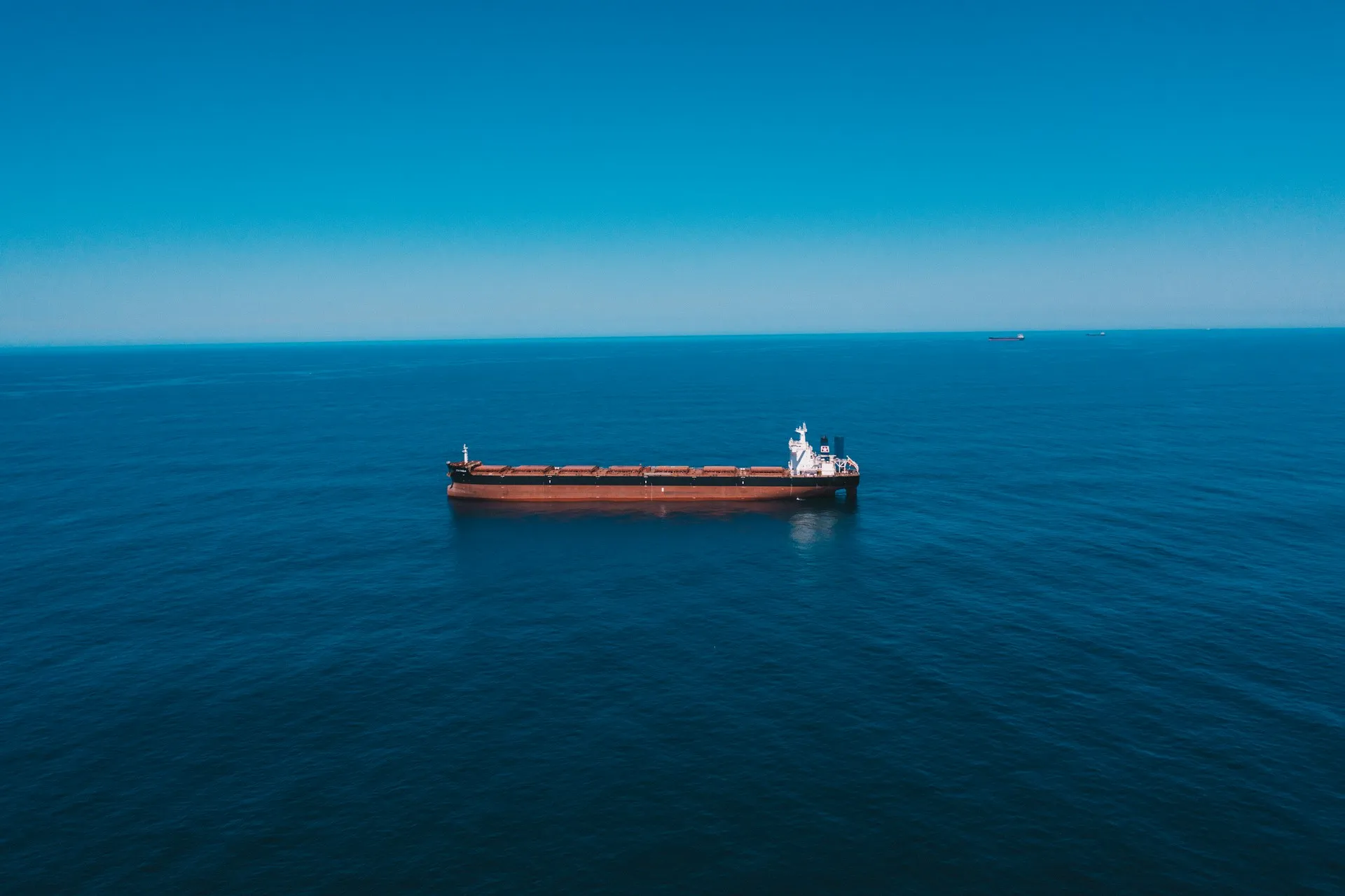
Hormuz shipping disruption pushed Brent near $100 as rising insurance costs and delayed inflation pressures increased risks for rate-sensitive assets.
- US strikes on Iranian drone infrastructure and retaliatory attacks on a US base in Kuwait pushed Brent crude up 2.7% to $96.8/barrel, triggering a broad risk selloff across equities and precious metals.
- Tanker traffic through the Strait of Hormuz has fallen sharply while rising marine insurance premiums are restricting crude transport capacity, turning a geopolitical shock into a global freight and inflation constraint.
- ECB Chief Economist Philip Lane warned that higher energy prices are spreading into second-round inflation effects, increasing pressure on Treasury yields, refinancing costs, and rate-sensitive equities.
- Markets are now trading the risk of prolonged inflation rather than daily military headlines, with core PCE above 3.3% likely reinforcing expectations for extended Federal Reserve tightening.
- The current defensive trade remains intact while Brent crude stays above $95/barrel and Hormuz shipping remains constrained, but unrestricted tanker access could push Brent below $90 and weaken the US dollar.
Hormuz Shipping Disruption Pushes Brent Toward $100 & Extends Inflation Pressure
On May 28, 2026, US strikes on Iranian drone infrastructure and retaliatory Iranian attacks on a US military base in Kuwait triggered a broad risk selloff. Brent crude rose 2.7% to $96.8/barrel, Europe’s STOXX 600 fell 0.8%, and US stock futures declined between 0.3% and 0.5%. Gold futures dropped 1.4% to $4,383.30 as rising Treasury yields and a stronger dollar reduced demand for non-yielding assets.
The disruption now extends beyond a temporary geopolitical premium because crude transport capacity itself has tightened. Shipping traffic through the Strait of Hormuz collapsed after military escalation intensified in late February. ECB Chief Economist Philip Lane told Reuters that higher energy prices are already feeding into broader inflation expectations through second-round effects, keeping transportation, manufacturing, and consumer costs elevated even if crude prices stabilize.
Hormuz Insurance Premiums Are Turning an Oil Shock Into a Global Freight Constraint
Military escalation around the Strait of Hormuz sharply reduced tanker traffic through one of the world’s most important crude export corridors. Fewer available vessels tightened delivery schedules for refiners and commodity traders. Madison Cartwright, Senior Geo-economics Analyst at Commonwealth Bank of Australia, told Reuters that insurers then raised maritime risk premiums to levels many operators could no longer absorb economically. The disruption has therefore shifted from a geopolitical shock into a logistics constraint, with refiners facing both reduced crude access and higher transportation costs.
The route remains impaired because political negotiations have not restored pricing certainty for shipping operators. US President Donald Trump dismissed Iranian claims of an agreement to restore shipping access, limiting tanker operators’ willingness to redeploy fleets into the region. Even if military attacks pause, uncertainty around possible Iranian transit tolls continues destabilizing freight markets.
The Next Treasury Yield Move Depends on Whether Energy Costs Push Core PCE Above 3.3%
Institutional positioning now depends less on military headlines and more on whether higher energy prices spread into wage, transport, and financing costs over the next quarter. That matters because corporate contracts, freight rates, and borrowing costs reset over months rather than days.
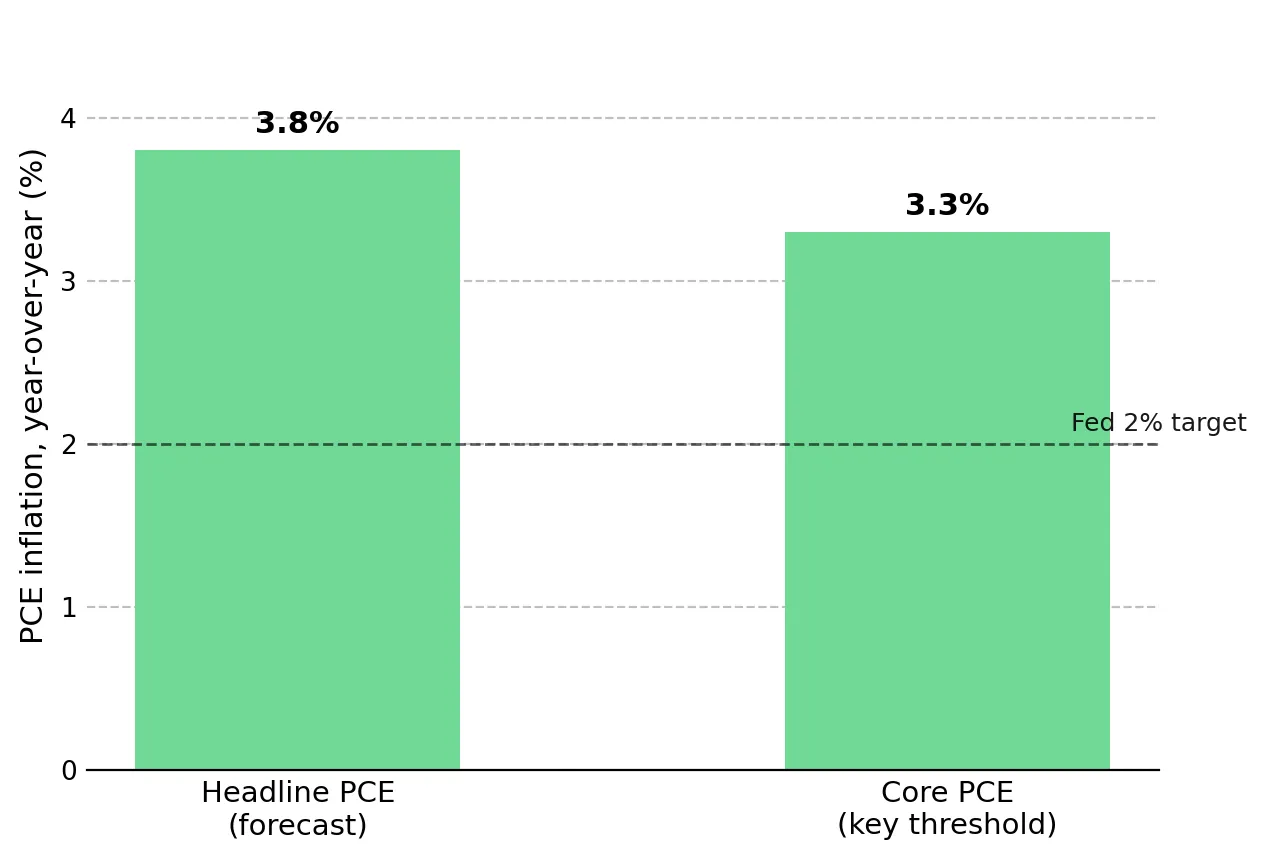
The next key macro signal is the US Personal Consumption Expenditures report released monthly at 8:30 a.m. ET by the Bureau of Economic Analysis. Economists are targeting headline PCE inflation near 3.8%, while core PCE above 3.3%
Higher Treasury Yields Are Increasing Refinancing Risk for Fuel-Exposed Companies
Transportation, airlines, chemicals, and leveraged consumer companies face margin pressure as Brent crude remains 33% above pre-war levels. Higher fuel costs are raising logistics expenses while rising Treasury yields increase refinancing pressure for companies with thin margins or near-term debt exposure. Federal Reserve Governor Lisa Cook told Reuters she would support further rate hikes if energy or tariff pressures accelerate inflation, increasing pressure on valuations and borrowing costs.
Retail investors cannot reliably trade ceasefire deadlines because military escalation risk, shipping insurance availability, and potential Iranian transit tolls remain unpredictable. Position sizing, liquidity discipline, and balance-sheet quality therefore matter more than attempting to time geopolitical headlines.
Brent Above $95 & Core PCE Above 3.3% Are Sustaining the Defensive Trade
The current market structure remains intact while Brent crude stays near or above $95/barrel and Hormuz tanker traffic remains constrained. Under those conditions, defensive dollar exposure, short-duration fixed income, and strong free-cash-flow companies continue outperforming rate-sensitive sectors.
A verified agreement restoring unrestricted Hormuz shipping access without Iranian transit tolls would likely push Brent below $90/barrel and weaken the US dollar index from 99.506, easing pressure on transportation margins and improving conditions for gold and long-duration growth equities. Investors should monitor Brent crude, the US dollar index, and the monthly Personal Consumption Expenditures report, as Brent above $100/barrel or core PCE above 3.3% would signal that energy inflation is still spreading through the broader economy.
Analyst's Notes





Subscribe to Our Channel






Stay Informed


