




Integra Resources Builds Florida Canyon's 2027–2028 Case on a Single Bridge Year


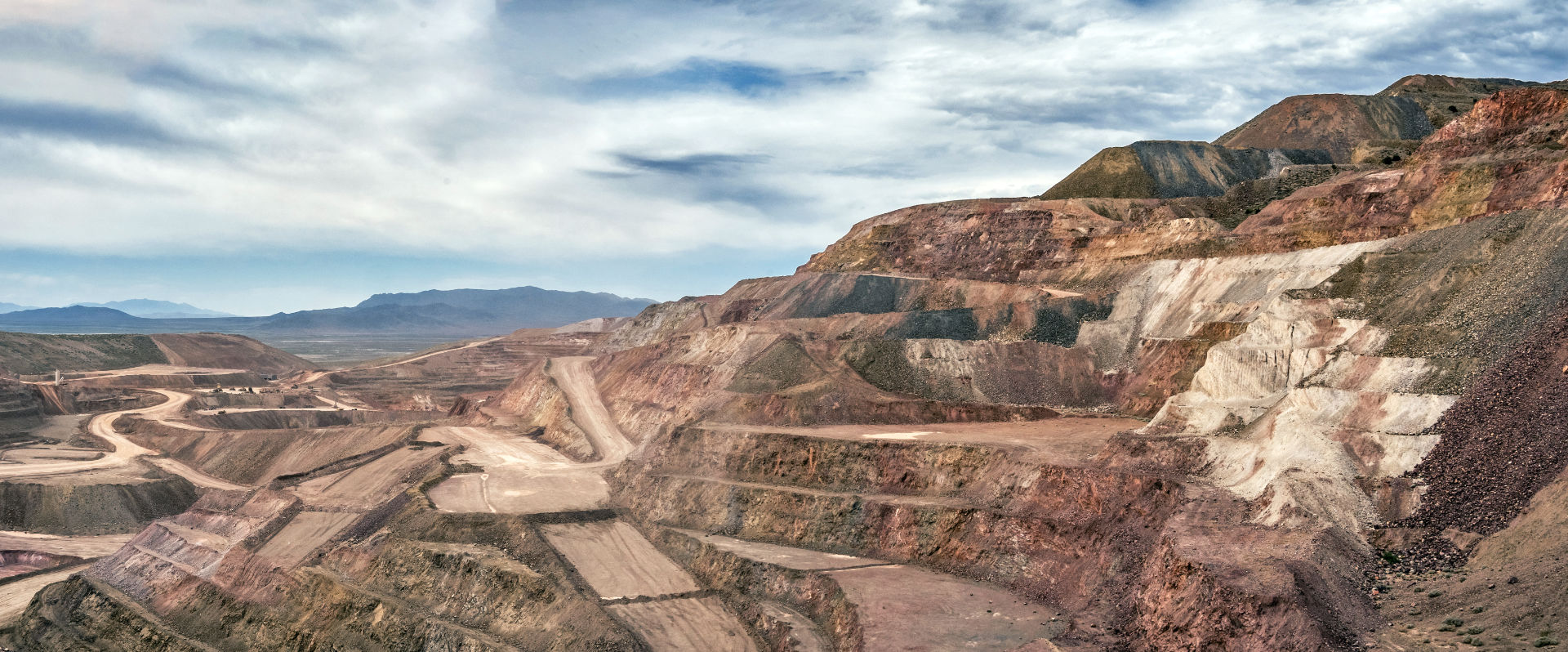
Integra Resources flags 2026 as a capital-intensive bridge year at Florida Canyon, with 20% production growth and lower costs expected in 2027 and 2028.
- Florida Canyon's 2026 all-in sustaining cost (AISC) guidance of $2,750 to $2,950 per ounce sold reflects a front-loaded stripping campaign, fleet renewal, and heap leach pad expansion, not operational distress.
- The 2026 stripping programme is designed to open the Central pit, described as one of the largest ore bodies at Florida Canyon, with higher grades than the areas currently being mined.
- Florida Canyon is projected to produce 80,000 to 90,000 ounces of gold per year in both 2027 and 2028, approximately 20% above the 2026 guidance midpoint.
- An updated Feasibility Study (FS), targeted for mid-2026, is expected to extend the mine's current 5 to 6-year stated life, with approximately 50 million tonnes of low-grade stockpile material alone potentially adding 2 years.
- A recently closed bought-deal financing of US$61 million brought the total treasury to over US$110 million at the time of close, with proceeds directed to advancing DeLamar rather than funding Florida Canyon's 2026 capital programme.
Florida Canyon's 2026 Cost Profile
Integra Resources (TSXV: ITR | NYSE American: ITRG) has guided all-in sustaining cost (AISC) of $2,750 to $2,950 per ounce sold at Florida Canyon for 2026, alongside production of 70,000 to 75,000 ounces of gold. The cost drivers for the year include stripping campaigns required to access the Central pit, fleet renewal and reliability spending, and a heap-leach pad expansion. Sustaining capital expenditures and leases are budgeted at $62.0 million to $68.0 million, covering costs that management describes as largely locked in, while growth capital adds a further $7.5 million to $9.5 million. Internally, 2026 has been designated the "Stability and De-Risking" phase and characterised as the capital-intensive year within a multi-year improvement plan, positioned as a bridge between 2025 and the growth period beginning in 2027.
President and Chief Executive Officer of Integra Resources, George Salamis, is direct about what the 2026 cost profile is not:
"This is a setup for two years of really good production, higher production than certainly we've been used to."
The Stripping Campaign & What It Opens
The elevated costs stem from a concentrated stripping campaign to open the Central pit. Cash costs for 2026 are guided at $1,900 to $2,100 per ounce sold, with the gap between that figure and AISCs reflecting the scale of the stripping and capital programme. Company materials describe the stripping as a catch-up programme to access new mining areas that have not previously been reached.
Salamis frames the cost driver in operational terms:
“What's driving AISC now is essentially the stripping campaigns that we have to get through that are occurring ahead of accessing ore on the Central pit, which is one of the largest ore bodies at Florida Canyon. It happens to come with higher grades.”
Once through the concentrated 2026 phase, the operation is expected to transition to a materially lower stripping rate, shifting from waste movement toward ore mining and haulage to the heap leach pads. The areas set to come online are described as higher grade and more robust than those mined to date.
The 2027-2028 Production & Cost Reset
Florida Canyon is projected to produce 80,000 to 90,000 ounces of gold per year in both 2027 and 2028, representing approximately 20% above the 2026 guidance midpoint. Costs are expected to fall materially in both years, driven by the reduced stripping rate and access to higher-grade Central pit ore.
Salamis describes how the 2027-2028 guidance landed with investors who had not anticipated that level of output:
“I do believe that this sort of guidance range looking two years out to 80 to 90,000 ounces per year in 2027 and another 80 to 90,000 ounces in 2028, that was a surprise, but it was a positive surprise to them because again, I don't think that they had modelled that much production from us in a matter of a year or two from now.”
Mine Life & Reserve Extension
The production picture beyond 2028 rests on work already underway. Florida Canyon's current stated mine life is 5 to 6 years, but an updated Feasibility Study (FS), targeted for mid-2026, is expected to materially extend it. Proven and Probable reserves stand at 58.0 million tonnes grading 0.37 grams per tonne gold for 685,000 ounces of gold, with Measured and Indicated resources of 64.4 million tonnes at 0.36 grams per tonne for 748,000 ounces, and Inferred resources of 94.8 million tonnes at 0.72 grams per tonne for 2,203,000 ounces. A 42,500-metre drill programme is underway at Florida Canyon in 2026, targeting near-mine oxide growth and mine-life extension, as part of a broader 50,000-metre company-wide campaign. Historical North and South mine dumps have been identified as near-term growth targets, estimated at 34 to 56 million tonnes grading approximately 0.11 to 0.25 grams per tonne gold.
The most immediate uplift may come from material already on site. Approximately 50 million tonnes of low-grade stockpile is expected to be incorporated into the updated mine plan, with management projecting that the addition alone would extend mine life by approximately 2 years.
Salamis is specific about what that incorporation means for the timeline:
“We should be able to get a lot of that 50 million-odd tons of material into the mine plan for this upcoming feasibility study. And again, just that low-grade sort of waste pile, which is now ore, we do believe it will become ore in the next study. Just that alone adds two years, so we're talking five to seven.”
Capital Position & Allocation
Florida Canyon's 2026 investment programme is funded without drawing on proceeds from recent financing activity. A bought-deal financing of US$61 million, which added 12 new institutional investors to the register, brought the total treasury to over US$110 million at the time of close. The proceeds have been allocated specifically to advance and de-risk DeLamar, keeping growth capital deployment separate from Florida Canyon's operating cash flows. Under this structure, Florida Canyon funds its own 2026 stripping and fleet investments through operating cash flow, and the two operations' capital programmes proceed independently.
The Programme Before the Production
The 2026 cost profile at Florida Canyon, as management frames it, is the most capital-intensive year in the mine's long-term improvement plan. The case put forward is that the year is a programme to be completed, not a problem to be managed, and that the production and cost trajectories in 2027 and 2028 will reflect this. Whether the updated FS delivers the expected mine life extension and whether the Central pit transitions on schedule are the open questions that will determine how that case holds.
FAQs (AI-Generated)
Analyst's Notes





Subscribe to Our Channel




Stay Informed






















