




Ionic Rare Earths Nears Belfast Investment Decision as Ford Validation Marks Major Milestone


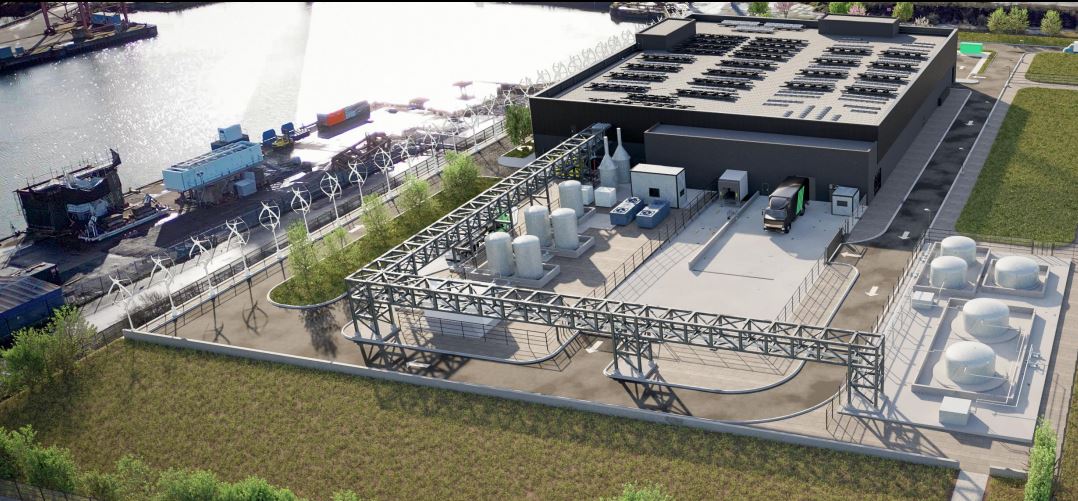
Ionic Rare Earths progresses Belfast recycling plant toward Sept 2026 FID, validates oxides with Ford, eyes US growth amid rising heavy rare earth prices.
- Ionic's Belfast demonstration plant has validated separated rare earth oxide material in a motor produced by Ford, which the company describes as a first for a recycler of separated magnet rare earth oxides, and has signed a supply arrangement with US-based Advanced Magnet Lab tied to the defence sector.
- The company's November 2024 feasibility study modelled a post-tax NPV in excess of $500 million and an IRR above 40% for an £85 million Belfast facility producing 400 tonnes per annum of separated oxides; management says current pricing makes these metrics "likely to be much more enhanced," though no updated study has been published.
- Heavy rare earth prices have risen sharply since China's 2025 export restrictions, with management citing six- to seven-fold increases generally and yttrium pricing up more than 100-fold in some cases.
- Ionic is targeting a Final Investment Decision for Belfast by September 2026, supported by a £12 million UK government grant, while finalising the remainder of its £85 million capital stack and feedstock/offtake arrangements.
- The company is pursuing a modular template replication strategy and favours joint ventures over technology licensing, with the United States identified as the largest near-term growth opportunity given the scale of new domestic magnet manufacturing capacity.
Western governments and manufacturers have spent the past two years attempting to reduce their dependence on Chinese-controlled rare earth processing, a push that intensified after China introduced export restrictions on heavy rare earth elements in 2025. Ionic Rare Earths, an ASX-listed company, is positioning itself within this shift through a demonstration-scale magnet recycling and rare earth separation facility in Belfast, Northern Ireland. In a discussion, Managing Director Tim Harrison provided an operational and strategic update covering technology validation, project economics, capital-raising progress and the company's expansion ambitions in the United States. The conversation offers investors insight into how a small-cap rare earth recycler is attempting to scale from pilot-plant validation toward commercial production at a time of structurally higher heavy rare earth pricing.
Validating the Belfast Demonstration Plant
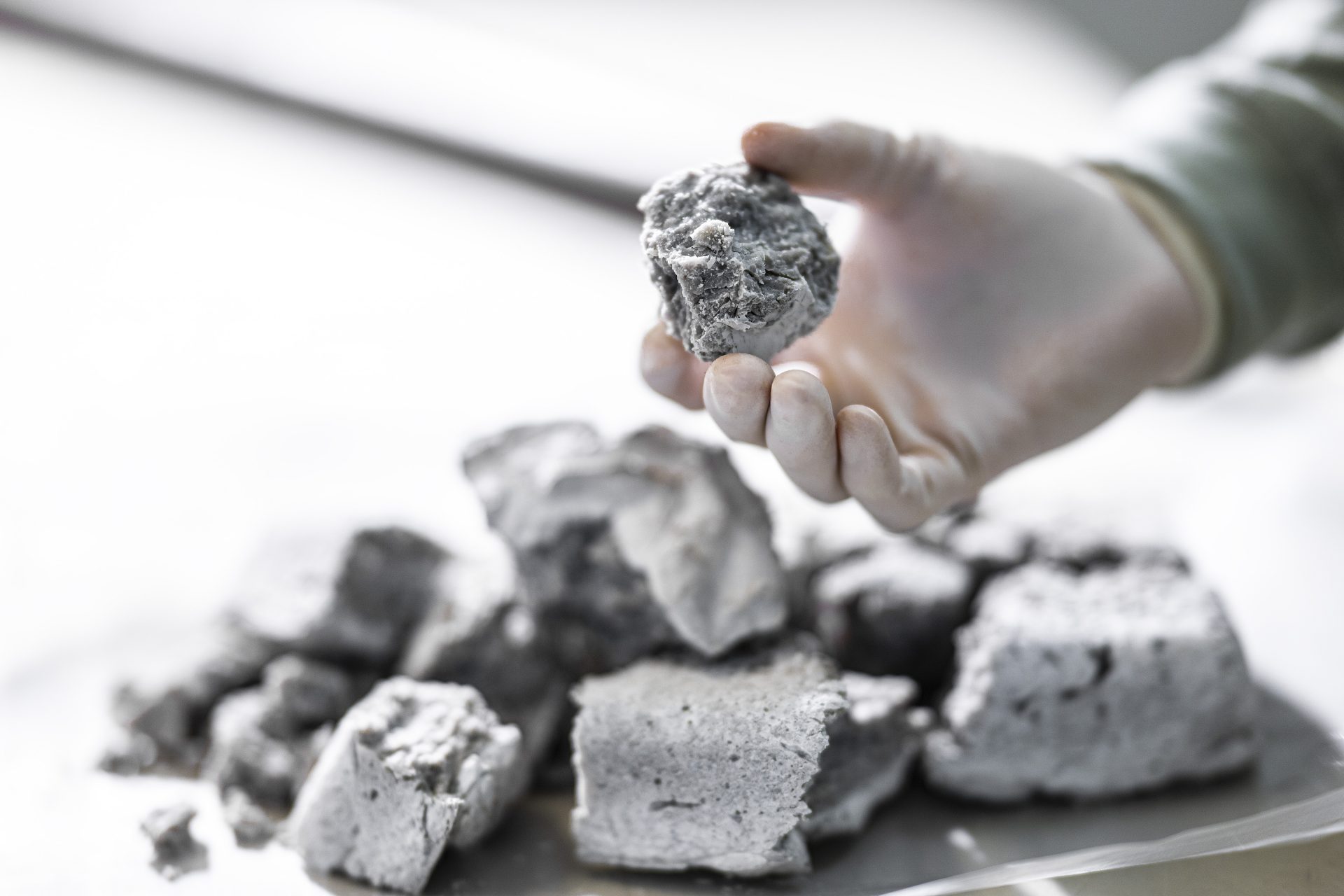
Ionic's Belfast facility currently operates as a demonstration plant, processing end-of-life magnets and "swarf", the metal waste generated during magnet manufacturing, into separated rare earth oxides. Harrison said the plant has been running for roughly three years and has consistently produced a spread of elements beyond the commonly cited neodymium-praseodymium (NdPr) and dysprosium-terbium (DyTb), including holmium and gadolinium. A recent milestone, according to Harrison, is the validation of Ionic's separated oxide material within a motor produced by Ford, which he described as a first for a recycler of separated magnet rare earth oxides.
The company announced a deal last month with Advanced Magnet Lab, a US-based magnet manufacturer that is validating magnets for the US defence sector. Despite these milestones, current output remains modest: Harrison put the demonstration plant's annualised production rate at around 10 tonnes of separated oxides, well short of current customer demand.
Re-Pricing the Original Feasibility Study
Ionic's November 2024 feasibility study modelled an £85 million Belfast facility capable of producing 400 tonnes per annum of separated rare earth oxides. The study returned a post-tax NPV in excess of $500 million, an IRR above 40%, and a payback period of just over 2 years. Harrison noted that conditions have shifted materially since the study was completed: rare earth prices have roughly doubled over the past 18 months, and supply chains have bifurcated between Chinese and non-Chinese channels. He said this implies the project's metrics are likely to be much more enhanced under current market pricing, though the company has not published an updated feasibility study reflecting these conditions. Investors should treat the original figures as a historical reference point pending any formal update.
Heavy Rare Earth Market Dynamics
A significant driver of Ionic's investment case is the price behaviour of heavy rare earth elements following China's 2025 export restrictions. Harrison said pricing for heavy rare earths outside China has risen 6-7 fold on average, with yttrium pricing up by more than 100-fold in some instances. Dysprosium oxide and terbium oxide were specifically highlighted as products the company intends to scale, given the price escalation.
Because Ionic's separation process yields a broader basket of elements than NdPr alone, the company argues it is positioned to capture disproportionate value from this part of the market, although realised pricing and contracted volumes for these products were not disclosed in the interview.
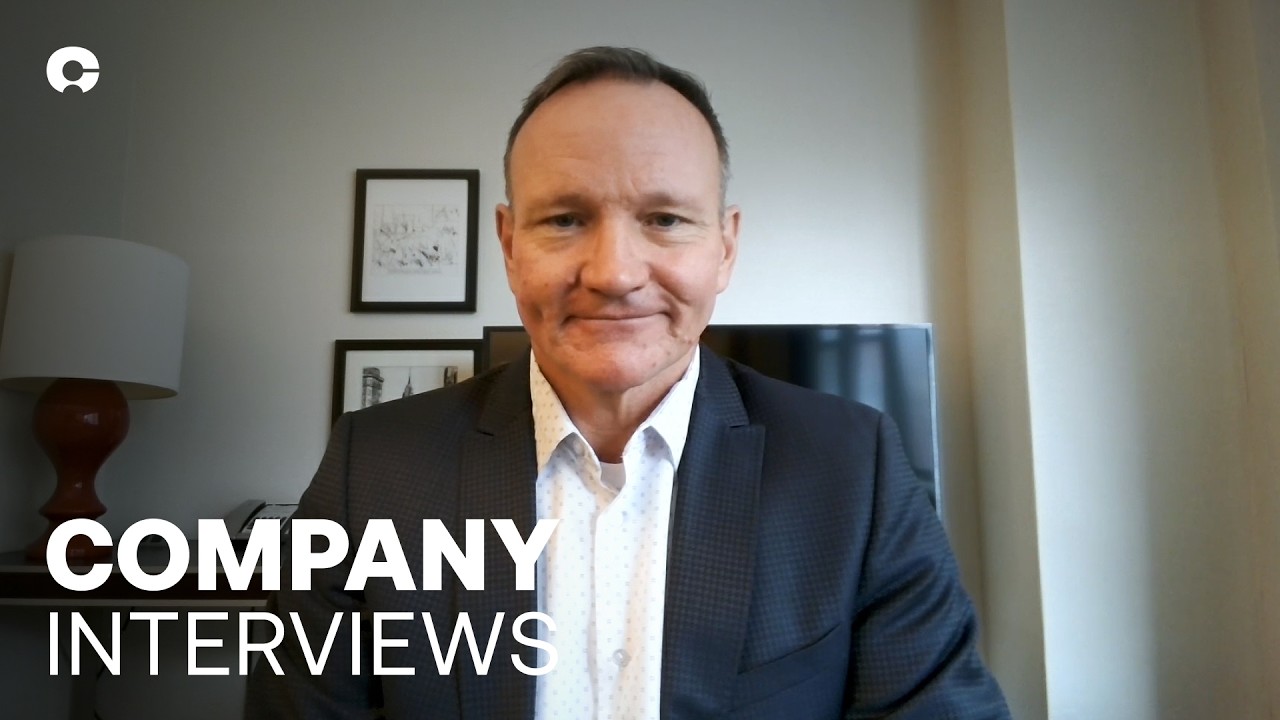
Interview with Tim Harrison, Managing Director of Ionic Rare Earths
Capital Stack and Path to Final Investment Decision
Ionic has progressed the Belfast project to what Harrison described as Technology Readiness Level 8 (TRL), with commercialisation the next stage. TRL 8 means pre-commercial demonstration plant is fully operational, qualified through testing, and ready for real-world commercial scale deployment The company has received a £12 million grant from the UK government's Advanced Propulsion Centre, which will count toward the £85 million capital cost of the facility.
Ionic is completing due diligence with potential investors that it hopes will unlock additional capital, with a target of reaching a final investment decision by September 2026. By that point, the company expects to have the full £85 million funding package secured, along with greater visibility on feedstock supply and offtake arrangements. Harrison said Ionic is in discussions with several large industrial groups that previously fed recycled material into Chinese supply chains and are now seeking alternatives, with some single counterparties said to hold enough material to feed one or two Belfast-scale plants.
Scaling Into the US Mine-to-Magnet Buildout
Harrison pointed to the United States as the company's largest near-term growth opportunity, citing:
"Last year, we saw something fundamentally change in the US. We're now seeing a $14 billion dollar mine to magnet strategy unfolding in the US supported in excess of $4 billion dollars worth of of of government catalytic capital, which has brought in investment from industry and public markets."
Harisson said roughly $7 billion is deployed across 8 new magnet manufacturing facilities with combined planned output of approximately 50,000 tonnes per annum of finished magnets. Applying the waste ratios discussed above, Harrison estimated this new US capacity alone could generate at least 20,000 tonnes of swarf annually, implying potential demand for at least 17 facilities of Belfast's scale to process it.
Ionic signed a Memorandum of Understanding with US Strategic Metals in November 2025 and has continued working with US-based customers and prospective partners since. Chairman Brett Lynch recently completed his second trip to the US in as many months, reflecting the priority placed on building relationships with manufacturers and potential funding sources, including the US Export-Import Bank and the Office of Strategic Capital.
Choosing a Joint Venture Business Model
As Ionic intends to structure its international growth, Harrison said the company favours joint ventures over technology licensing.
"We want to be a partner on the on the flow of molecules because I think at the ultimate of the last 6-7 years in the rare earth industry [...] Forming strong relationships with the magnet manufacturer is incredibly important for the company to be able to secure the relationships that we're looking to secure right now."
Citing a preference to retain control over both intellectual property and the flow of separated material. Ionic's competitive position rests on intellectual property developed with Queen's University Belfast covering heavy rare earth separation, alongside proprietary processing methods for preparing alloy feed material.
Harrison characterised the company's main advantage as being an operating incumbent rather than a developer: Ionic has a functioning demonstration plant and several years of supply chain validation work, including the multi-year process required to qualify material with Ford, which he said is not easily replicated by newer entrants.
The Investment Thesis for Ionic Rare Earths
- First-mover technology validation: Ionic is positioned as the first recycler of separated magnet rare earth oxides validated within a Ford-produced motor, alongside a commercial supply arrangement with Advanced Magnet Laboratories connected to the US Defense supply chain.
- Favourable feasibility economics, pre-upgrade: Management indicates current pricing could improve the metrics from Ionic RE's 2024 study modelled a post-tax NPV above $500 million and an IRR above 40% for the £85 million Belfast plant though no updated study has been released.
- Direct exposure to heavy rare earth price strength: Pricing for dysprosium, terbium, yttrium and other heavy rare earths has risen sharply following China's 2025 export restrictions, directly benefiting Ionic's product mix.
- Government support and grant funding: A £12 million UK Advanced Propulsion Centre grant offsets part of the Belfast capital cost, with continued UK government interest in establishing a domestic rare earth value chain.
- Clear near-term catalyst: A Final Investment Decision is targeted by September 2026, contingent on completing the remaining capital stack and securing feedstock and offtake agreements.
- Replicable, modular technology: The Belfast facility is designed as a template for deployment near other Western magnet manufacturing hubs, reducing the logistical burden of transporting sensitive feed material.
- Large addressable opportunity in the US: An estimated $14 billion mine to magnet build-out, including roughly $7 billion in new magnet manufacturing capacity, could generate substantial swarf volumes for recycling.
- Preference for JV structures: Management intends to retain IP control and participate directly in material flow through joint ventures rather than pure licensing, which may support margin capture but requires capital and partner negotiation.
Macro Thematic Analysis
The broader rare earth thematic is being reshaped by China's 2025 export restrictions on heavy rare earth elements, which have driven sharp price increases outside China and accelerated Western efforts to build sovereign supply chains. Governments in the US and UK are now backing parallel "mine to magnet" and recycling strategies, with the US alone reportedly committing more than $4 billion in catalytic capital toward an estimated $14 billion build-out of magnet manufacturing capacity.
This has created urgency among OEMs and magnet makers seeking material outside Chinese-controlled channels, particularly ahead of further restrictions anticipated around October 2026. As Harrison put it:
"There's not enough for everyone. So whoever moves first is going to lock down what they need, and that will be their competitive advantage."
TL;DR
Ionic Rare Earths has validated separated rare earth oxide material in a Ford-produced motor and signed a supply deal with a US magnet manufacturer tied to the defence sector, while its Belfast demonstration plant currently produces around 10 tonnes of separated oxides per annum. The company's 2024 feasibility study showed a post-tax NPV above $500 million for an £85 million commercial facility, with management citing roughly doubled rare earth prices and sharply higher heavy rare earth values as potential upside. A £12 million UK government grant is secured, and Ionic is targeting a Final Investment Decision by September 2026 alongside plans to replicate the Belfast model in the United States. Key value drivers include heavy rare earth price strength, government support, and the scale of new US magnet manufacturing capacity expected to generate recyclable waste material.
FAQs (AI-Generated)
Analyst's Notes





Subscribe to Our Channel



Stay Informed



