




$60 Billion Rare Earth Investment Gap Shows Policy Alone Cannot Diversify Critical Minerals Supply


Policy supports critical minerals diversification, but major miners remain absent, leaving smaller firms to advance platinum, rare earth and titanium projects.
- The IEA's July 15, 2026 Global Critical Minerals Outlook introduced a new risk framework identifying titanium, magnet rare earths and graphite as minerals with high supply concentration and limited substitution, expanding the policy rationale for developing non-Chinese supply chains.
- A White House executive order signed July 21, 2026 tightened Department of Defense sourcing waivers for critical materials from covered nations, improving the competitive position of qualifying PGM, rare earth, titanium and graphite supply chains serving US defense procurement.
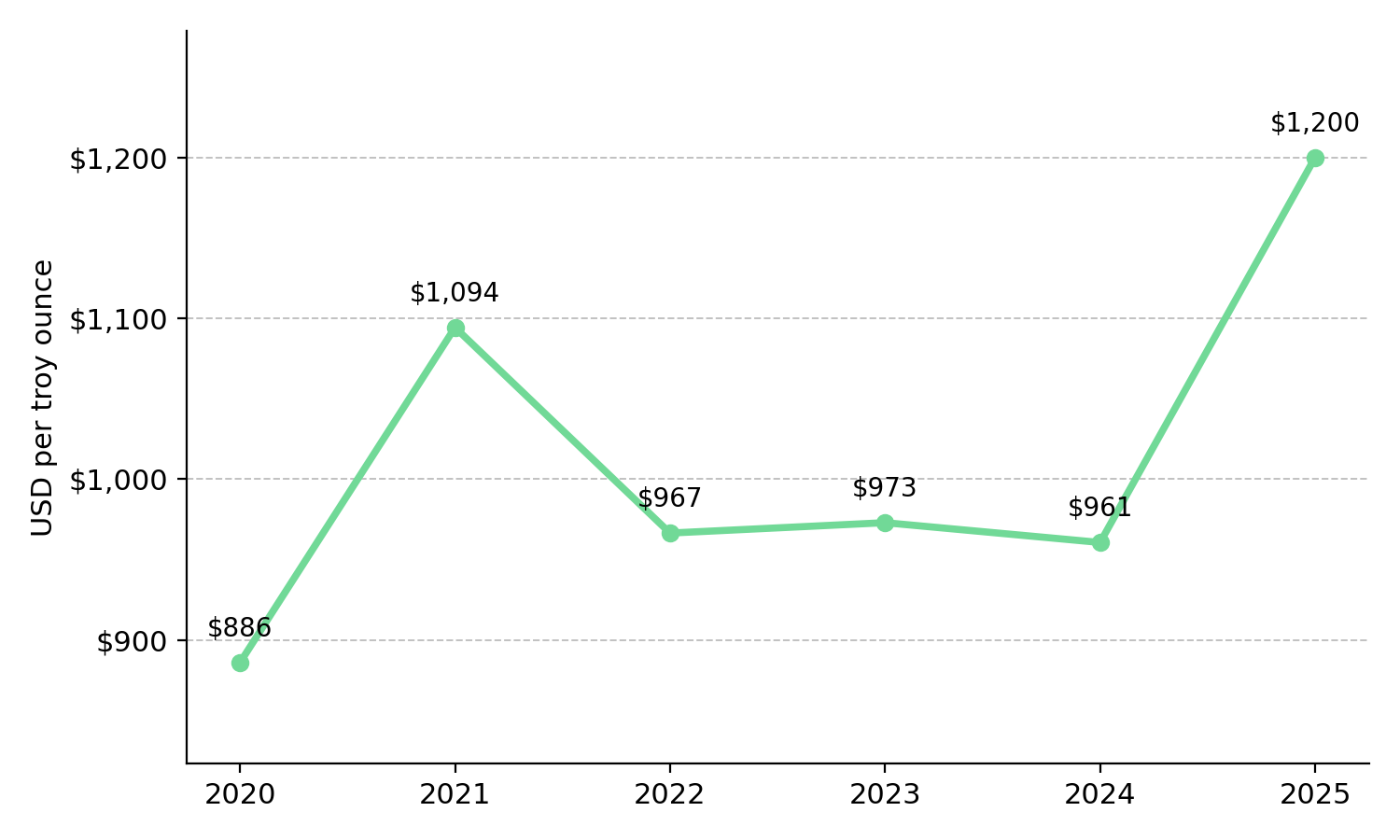
- South Africa produced about 70% of mined platinum in 2025, with Russia contributing about 12%, keeping global platinum supply concentrated in two jurisdictions as J.P. Morgan targeted platinum at $1,800 per ounce and Bank of America targeted $3,000 per ounce by year-end 2026.
- The IEA estimates Western rare earth supply will require two to six times current mining, refining and magnet manufacturing capacity by 2035, implying about $60 billion of investment across the supply chain.
- A major diversified miner exited its option to operate a non-Chinese titanium and graphite project in East Africa in early July 2026, shifting project financing and execution to a smaller developer despite expanding government support for diversified critical mineral supply chains.
Critical Minerals Policy Expands While Major Miners Retreat From Supply Diversification
The International Energy Agency (IEA) published its Global Critical Minerals Outlook 2026 on July 15, introducing a new risk framework that identifies minerals with concentrated supply chains and limited substitution as higher supply-security priorities. The framework classifies titanium alongside gallium, magnet rare earth elements, graphite, tungsten, tellurium, cobalt and germanium as minerals with concentrated supply and limited substitution, strengthening the policy case for diversified supply chains. Six days later, the White House signed an executive order tightening how the Department of Defense can waive sourcing restrictions on critical materials from covered nations, increasing procurement opportunities for qualifying PGM, REE, titanium and graphite supply chains serving the US defense sector. Together, the two policy measures expand government support for diversified critical mineral supply while narrowing procurement opportunities for suppliers from restricted jurisdictions.
Despite expanding US policy support for diversified critical mineral supply, Rio Tinto declined in early July to become operator of a non-Chinese titanium and graphite project in East Africa after helping advance it through a completed Definitive Feasibility Study. The company said the decision reflected capital allocation toward iron ore, copper, aluminum and lithium rather than any deterioration in the project's economics or technical merits. The decision shifted project financing and execution to a smaller developer, illustrating that stronger government support has yet to attract major-miner participation in diversified titanium and graphite supply.
Concentrated PGM Supply Constrains New Production & Shifts Diversification to Smaller Developers
Global PGM mine supply remains concentrated in South Africa and Russia, leaving platinum and palladium prices highly sensitive to production disruptions in either jurisdiction. The IEA estimates South Africa produced about 70% of mined platinum in 2025, with Russia contributing about 12%, while Russia supplied nearly 45% of mined palladium. Output from both countries declined through 2025 as rising costs and electricity constraints reduced South African production, while declining ore grades and equipment maintenance lowered Russian output, tightening global PGM supply. Against that backdrop, J.P. Morgan is targeting platinum at $1,800 per ounce and palladium at $1,350 per ounce by year-end 2026, while Bank of America is targeting platinum at $3,000 per ounce and palladium at $2,200 per ounce for the fourth quarter of 2026.
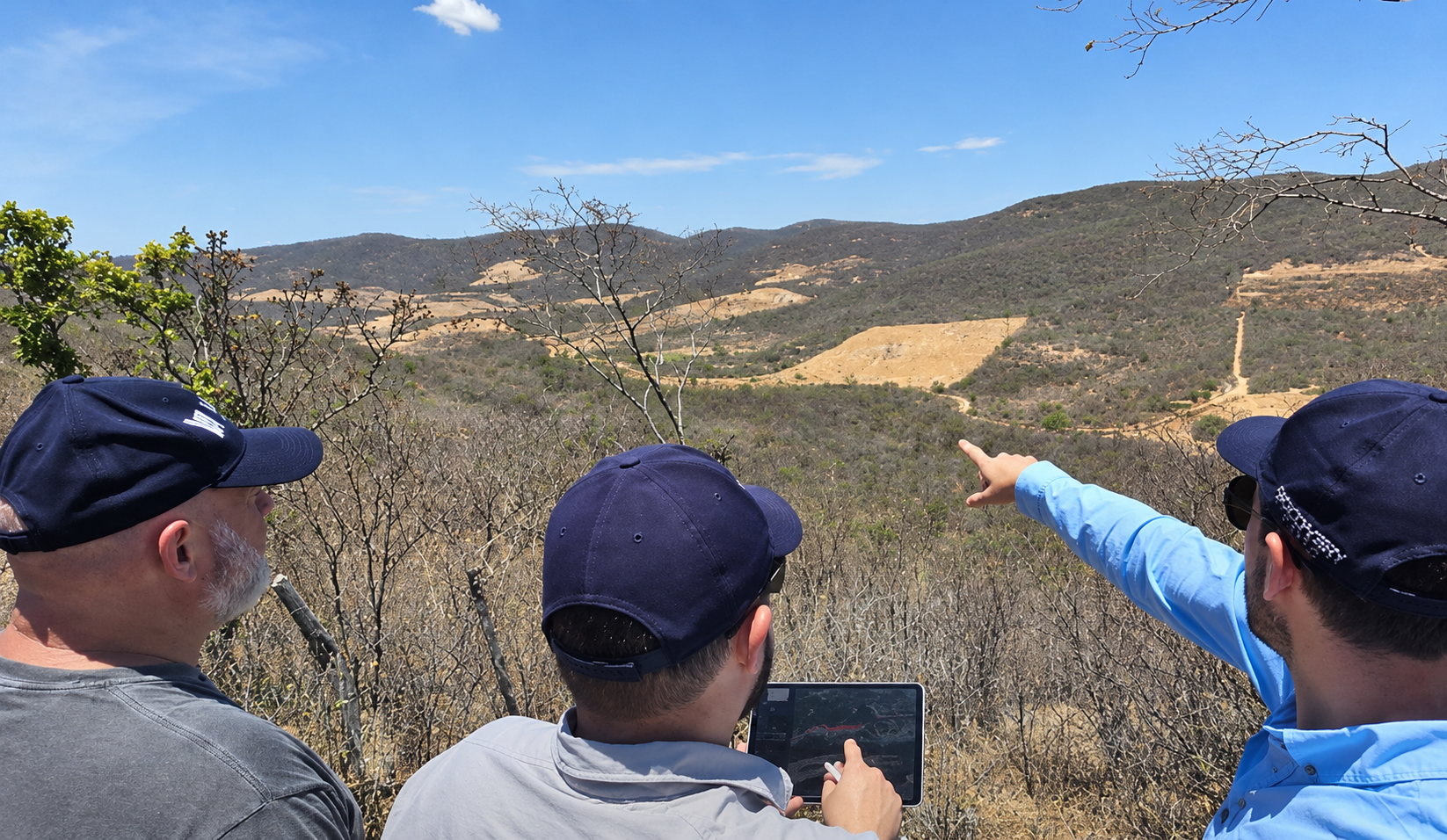
ValOre Metals holds 100% of the Pedra Branca PGE project in Ceará State, Brazil, which hosts an NI 43-101 Inferred Resource of 2.2 million ounces of platinum, palladium and gold across 63.3 million tonnes grading 1.08 grammes per tonne, effective March 8, 2022. The company says roughly 90% of global PGE reserves are concentrated in South Africa and that only two major greenfield PGE mines are expected to enter production in the near term, leaving few advanced PGM projects outside the dominant producing region. A PEA is targeted for the fourth quarter of 2026, while the 2026 exploration program remains at the pre-PEA stage. Nick Smart, Chief Executive Officer of ValOre Metals, highlights the platinum market supply constraints and resilient demand:
"You've got real supply constraints in a space of continued, and in many cases growing demand. Primary mine production of platinum has been in decline over the last five years. That's in the context of a metal price which has doubled over the last year. That tells you something about the inelasticity of supply and the difficulty of bringing new metal into the market."
Rare Earth Supply Gaps Increase the Value of Fully Integrated Supply Chains
Diversifying REE supply requires expanding mining, refining and magnet manufacturing rather than simply discovering new deposits. The IEA projects Western mining, refining and magnet manufacturing capacity must expand to two to six times current levels by 2035 as ex-China magnet rare earth demand rises 50%, implying about $60 billion of investment across the supply chain. China's export restrictions affecting Japan and the US through mid-2026 increased the value of non-Chinese REE supply chains by highlighting the risks of relying on Chinese exports.

Energy Fuels is already producing neodymium-praseodymium (NdPr) oxide at small scale through an initial processing phase at its White Mesa Mill in Utah, the only operating conventional uranium mill in the US. The company is expanding into a mine-to-magnet REE platform through the pending acquisitions of Australian Strategic Materials and Vacuumschmelze rather than new discoveries. Vacuumschmelze's South Carolina facility already produces neodymium-iron-boron permanent magnets for defense supply chains, although both acquisitions remain subject to closing. Mark Chalmers, President and Chief Executive Officer of Energy Fuels, outlines the integrated rare earth supply chain requirements globally:
"We've put all these pieces together. We've got all the skill sets required from mining all the way through alloys. To really compete with China, you have to have all those steps. You can't be missing a step in the middle of it."
Major-Miner Withdrawal Leaves Non-Chinese Titanium Supply Dependent on Smaller Developers
Titanium's inclusion in the IEA's new risk framework expands government support for diversified titanium supply chains. Despite stronger policy support for diversified critical mineral supply, Rio Tinto declined to become operator of one of the few non-Chinese titanium projects with a completed Definitive Feasibility Study, showing that major-miner capital allocation has yet to follow government policy.
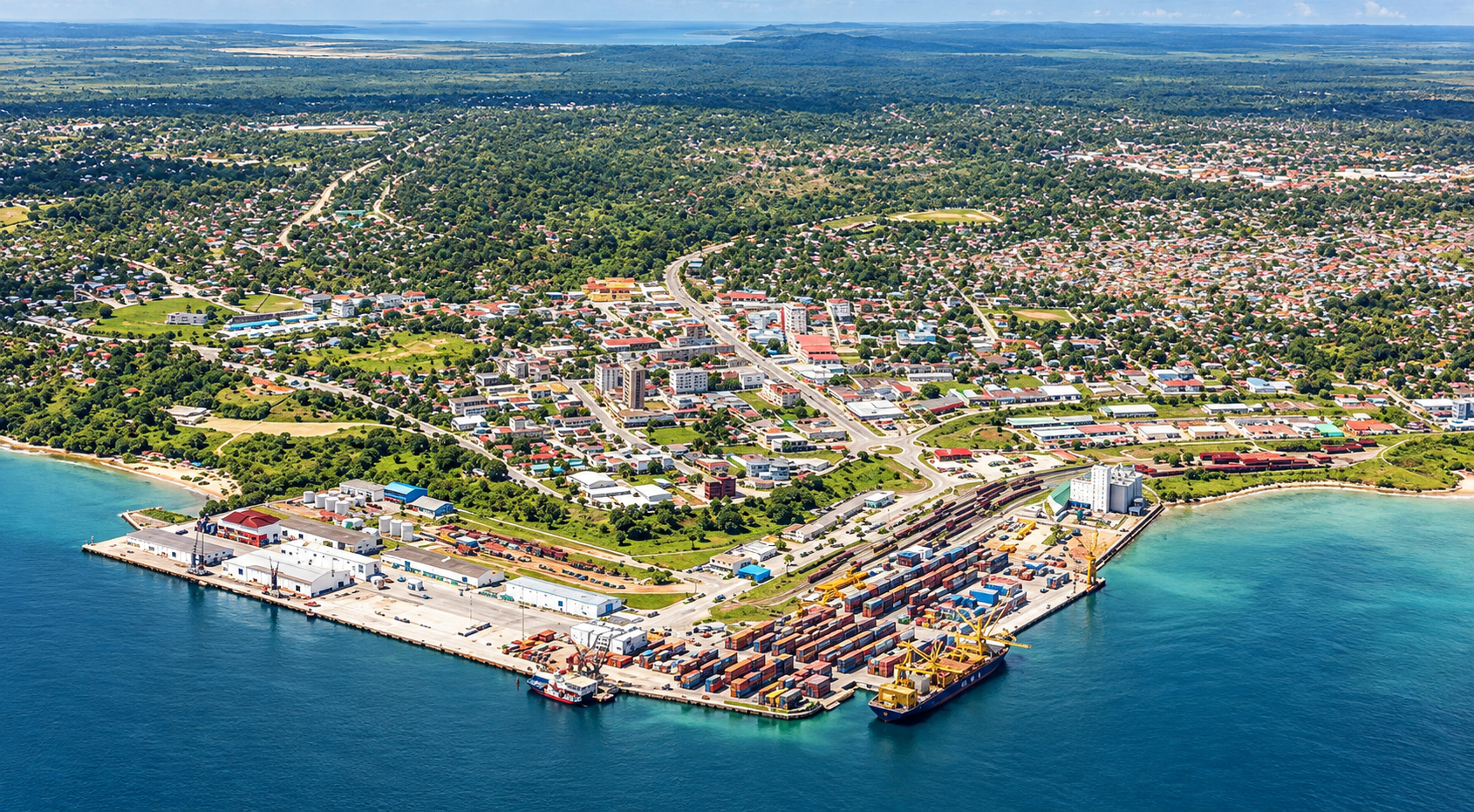
Sovereign Metals confirmed on July 8, 2026 that Rio Tinto would not exercise its option to become operator of the Kasiya rutile-graphite project in Malawi, attributing the decision to Rio Tinto's portfolio strategy rather than any change in the project's economics or development outlook. While the decision ends Rio Tinto's operator option and marketing rights, the company retains an approximate 18.2% shareholding. Sovereign continues to advance offtake agreements and development financing as Kasiya progresses. The project combines three US-designated critical minerals in a single deposit: titanium via natural rutile, graphite and heavy rare earths through a by-product concentrate. Ben Stoikovich, Chairman of Sovereign Metals, frames the global graphite supply cost competitiveness today:
"China produces around 1.2 million tonnes per year of natural graphite, about 75% of global supply, at an average production cost of $257 a tonne. The rest of the world simply cannot compete. Many non-Chinese graphite projects are simply too high on the real cost curve."
USGS data show graphite supply is diversifying beyond China, although China still accounted for an estimated 82% of global mine production in 2025. Following the June 2025 restart of the Balama Mine after a late-2024 suspension, Mozambique's mined graphite output increased to an estimated 60,000 tonnes from 39,000 tonnes a year earlier. Tanzania's natural graphite production more than doubled to 75,000 tonnes, while Brazil's Boa Sorte and Santa Cruz mines continued increasing output after commencing production in 2024. World mine production rose from 1.55 million tonnes in 2024 to an estimated 1.8 million tonnes in 2025. Against that backdrop, Sovereign positions Kasiya as a geographically diversified supplier of natural graphite outside Chinese control, alongside its planned production of natural rutile.
Policy Supports Critical Minerals Diversification, but Execution Remains the Investment Question
Across platinum, rare earths and titanium, the case studies show that supply diversification is increasingly being financed by smaller companies rather than major miners. In platinum, smaller companies continue leading greenfield exploration because major miners have largely avoided early-stage project development. In rare earths, a mid-cap producer is building an integrated supply chain through acquisitions rather than major-miner investment. In titanium, Rio Tinto declined to operate one of the few advanced non-Chinese projects despite stronger government support for diversified supply. Across all three commodities, development and financing increasingly depend on smaller companies, making financing, permitting and execution the primary factors determining whether diversified supply reaches commercial production.
Major miners may continue allocating capital to iron ore, copper, aluminum and lithium, where established investment pipelines and expected returns offer lower execution risk. Alternatively, stronger diversification incentives, including defense procurement requirements and allied-nation offtake agreements, could improve project economics by reducing commercial risk and encouraging major miners to fund platinum, rare earth and titanium projects. The clearest signal that policy support is translating into private capital would be a major miner acquiring, rather than exiting, an advanced platinum, rare earth or titanium project.
Government financing can reduce funding constraints, but it cannot replace the project delivery experience, technical expertise and operating capabilities that major miners have historically brought to large-scale mine development. Across the platinum, rare earth and titanium case studies, loans, grants and offtake agreements help finance projects but do not remove the operational and commercial risks of bringing new supply into production. As a result, project execution increasingly depends on smaller producers, developers and explorers, making their ability to secure funding, build projects and reach commercial production the primary factor determining whether diversified supply expands.
The Investment Thesis for Critical Minerals
- PGM supply remains concentrated in South Africa and Russia because major miners have largely avoided greenfield development outside established producing regions. As a result, early-stage explorers are advancing many of the few geographically diversified PGM projects, with several targeting preliminary economic assessments later this year as they seek to de-risk projects before attracting larger sources of capital.
- Mid-cap producers are building integrated mining, refining and magnet supply chains through acquisitions rather than major-miner investment, despite the IEA estimating that Western mining, refining and magnet manufacturing will require about $60 billion of investment through 2035 to meet projected demand.
- Execution risk for diversified titanium supply increased in July 2026 when a major miner declined to become operator of a non-Chinese titanium and graphite project, shifting project financing and development to a smaller company despite expanding government support for diversified critical mineral supply.
- Platinum, rare earth and titanium projects intended to diversify supply remain in pre-production, making financing, permitting and feasibility milestones the primary near-term valuation drivers until projects reach commercial production and begin generating operating cash flow.
- A major miner acquiring, rather than exiting, a platinum, rare earth or titanium asset would indicate that government support and diversification incentives have become strong enough to shift major-miner capital allocation toward new supply chains.
Government policy and risk assessments published in July 2026 have strengthened the case for diversified platinum, rare earth and titanium supply, but policy support has not yet shifted major-miner capital allocation. The clearest indication that policy support is translating into private investment would be a major miner acquiring or funding an advanced platinum, rare earth or titanium project. Until then, supply diversification will depend primarily on smaller companies securing financing, advancing development and delivering new projects into commercial production.
TL;DR
New policy measures from the IEA and the US government have strengthened the strategic case for diversifying platinum, rare earth and titanium supply chains, but major mining companies have yet to commit capital to new projects. Instead, smaller developers are leading exploration, acquisitions and project development across these commodities despite significant financing and execution challenges. With most projects still in pre-production, investors should focus on financing, permitting and development milestones over the next one to two years. A major miner acquiring or funding an advanced project would signal that government support has begun translating into large-scale private investment.
FAQs (AI-Generated)
Analyst's Notes





Subscribe to Our Channel








.png)




Stay Informed



