




Florida Canyon's Gold Recovery Rate Fell as Record Mining Rates Lifted Second-Quarter Output


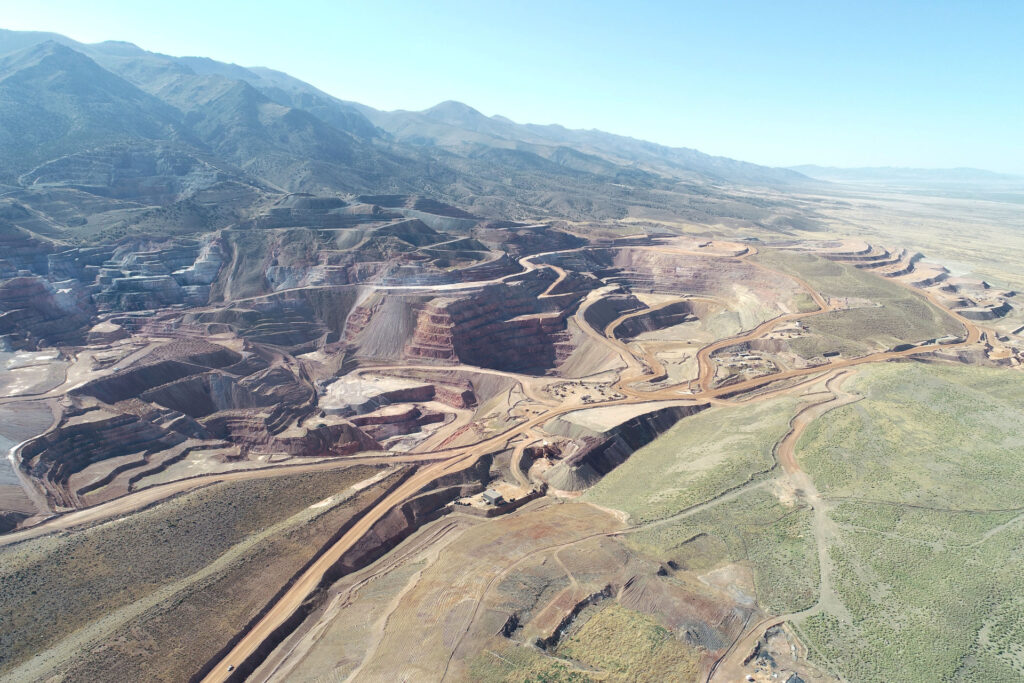
Integra's Florida Canyon lifted second-quarter gold output 30% on record mining rates, but recovery slipped to 57.8% as more ore bypassed the crusher.
- Florida Canyon produced 16,379 ounces of gold in the second quarter of 2026, a 30% increase over the first quarter.
- The increase came from record material movement, with mining rates averaging 87,867 tonnes per day (tpd), not from higher recovery.
- The gold recovery rate fell to 57.8% from 59.9% as more ore went straight to the leach pads instead of through the crusher.
- Management puts crushed-ore recovery in the low-to-mid 60% range, against high-40% to low-50% for run-of-mine (ROM) ore.
- The 8-year mine plan assumes a 57% blended recovery, with additional crushing under study to improve it.
What Has Happened
Integra Resources (TSXV: ITR | NYSE American: ITRG) produced 16,379 ounces of gold at its Florida Canyon mine in Nevada in the second quarter of 2026, a 30% increase over the first quarter. The gain came on record total material movement, with mining rates averaging 87,867 tonnes per day (tpd). Ore mined rose 47% to 4.4 million tonnes, ore placed on the heap leach pads rose 45% to about 4.2 million tonnes, and processed grade improved 21% to 0.23 grams per tonne (g/t). The strip ratio fell 38% to 0.81, and waste mined fell 8%.
Even with more tonnes at a higher grade, the gold recovery rate fell to 57.8%, from 59.9% in the first quarter. The company sold 15,794 ounces in the quarter, produced 29,014 ounces over the first half, and maintained full-year production guidance of 70,000 to 75,000 ounces. Why recovery slipped as tonnes and grade rose comes down to how the ore reached the pads.
Recovery Rate & the Crush-Versus-Run-of-Mine Mix
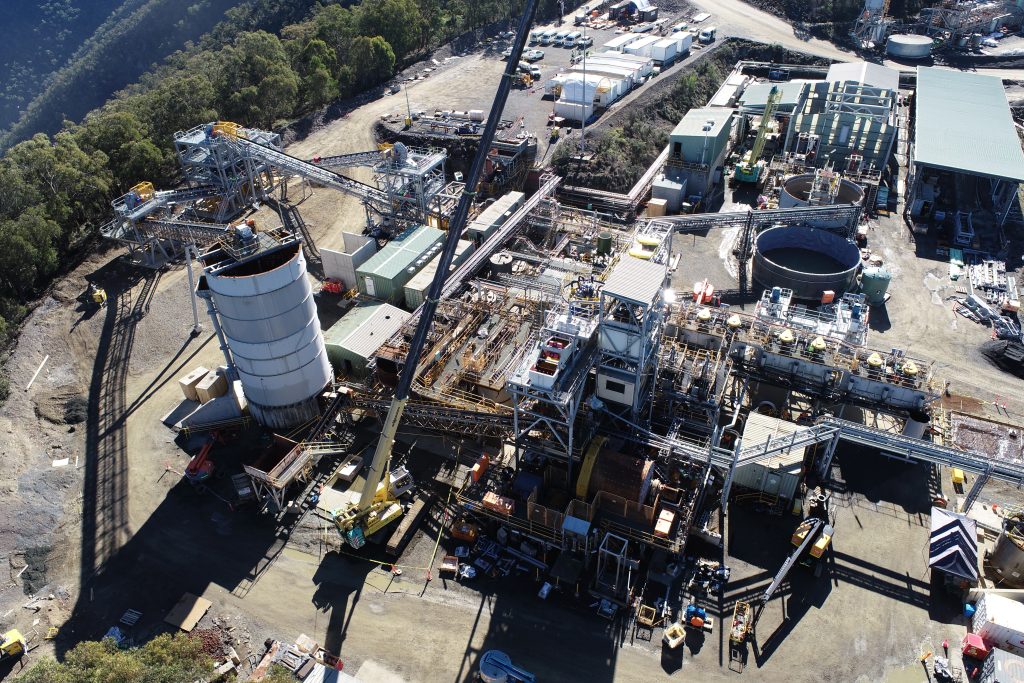
Recovery at Florida Canyon depends less on grade than on the route ore takes to the leach pad. The mine places ore in two ways: as run-of-mine (ROM) material trucked straight from the pit, and as ore that has been first crushed to a finer size. In the second quarter, 2,332,000 tonnes went to the pads as ROM, against 1,824,000 tonnes through the crusher. The mix tilted toward direct placement: ROM tonnage more than doubled from 1,074,000 tonnes in the first quarter, while crushed tonnage barely moved from 1,784,000 tonnes.
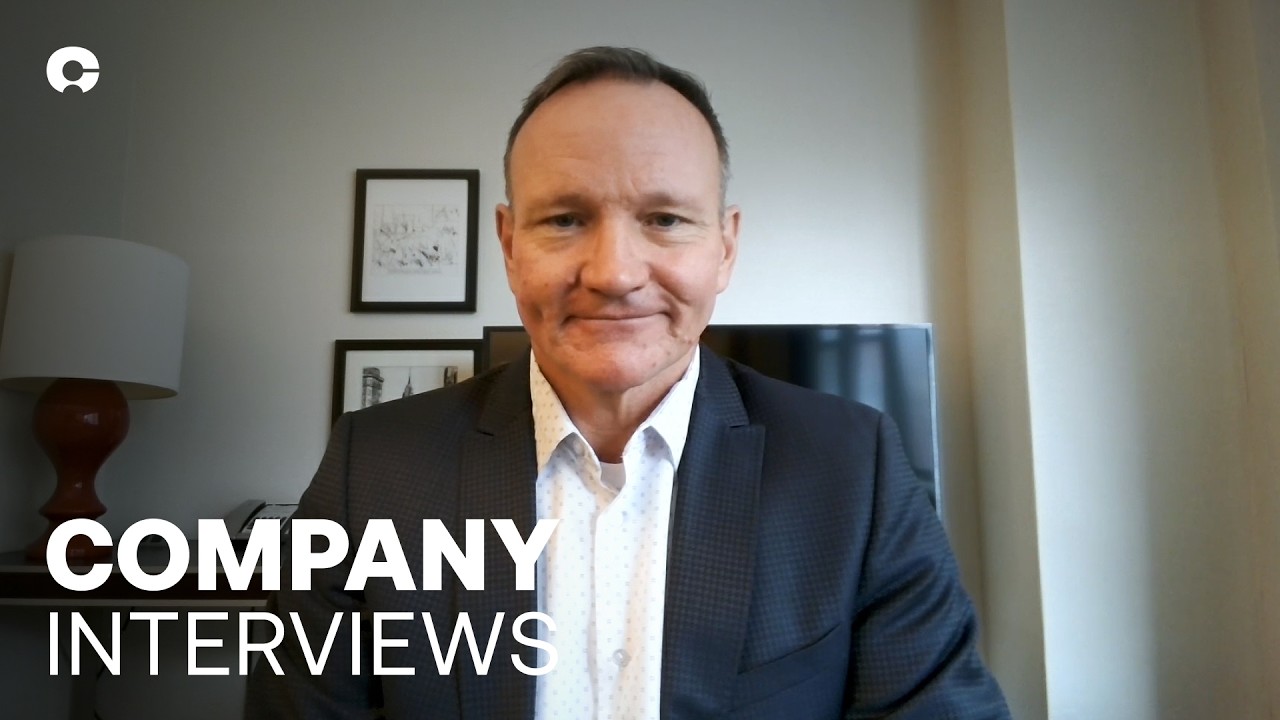
Crushing determines how much gold the heap yields. President and Chief Executive Officer of Integra Resources, George Salamis, puts crushed-ore recovery in the low-to-mid-60% range in a July interview, compared with the high-40% to low-50% range for ROM. Finer particles expose more gold to the leach solution, so a quarter weighted toward direct placement recovers a smaller share of the metal it stacks, whatever the grade.
Salamis is precise that the recovery figure, in the quarter and in the plan alike, is a blend of those two rates:
"That 57% is a blended average recovery between crushed ore and run-of-mine ore. Longer term, it's just going to make more sense to crush more ore."
The headline recovery percentage is therefore an output of the processing mix rather than a fixed property of the deposit.
Recovery in the 8-Year Mine Plan
The updated mine plan carries that blend forward as a base assumption. Integra's feasibility study, released in June 2026, sets Florida Canyon's mine life at 8 years to 2033, plus two years of residual leaching, with average annual production of 82,000 ounces of gold, up 17% from the previous 70,000-ounce plan. Within it, the plan assumes a blended life-of-mine recovery rate of 57%, the same split between crushed and ROM ore that shaped the quarter, so lifting it turns on how much ore passes through the crusher.
On whether the blend can rise, Salamis frames the crusher as unfinished work:
"We still have more work to do on that. We're looking at what future options could be out there in terms of actually crushing even more than the crusher capacity."
The plan books the current blend, while the additional crushing, including any expansion beyond present capacity, sits outside it and is still under study.
Costs, Stripping & the Margin Role of Recovery
Recovery feeds straight into cost per ounce, and 2026 is the year when costs run highest. Integra guides 2026 mine-site all-in sustaining cost (AISC) of US$3,300 to US$3,500 per ounce sold, the peak year of the plan. The level reflects a heavy waste-stripping campaign to reach higher-grade, lower-strip ore in the Central pit, and the company has pointed to higher diesel-fuel and explosives prices as a smaller, price-linked contributor. The same year will see the replacement of the inherited Cat 777 truck fleet, which the company is targeting to complete in about two years.
The June 2026 feasibility study puts life-of-mine AISC at an average of US$2,331 per ounce and cash costs at US$1,940 per ounce, on a base-case gold price averaging US$3,873 per ounce across the plan. The deposit's grade will keep Florida Canyon above a US$2,000-per-ounce cost base.
Against a cost base in that range, the share of gold the plant pulls from each tonne is a lever management can move without mining new ore. Directing more tonnes through the crusher raises recovery on material already stacked, spreading largely fixed processing and stripping costs across more recovered ounces.
The 2027 to 2029 Improvement Path
The recovery question sits within a broader shift that the plan promises will emerge once 2026 is behind us. Integra is targeting 80,000 to 85,000 ounces of annual gold production in 2027 and 2028, with higher grades, lower strip ratios, and lower costs as the stripping catch-up completes. The crushing choice that shaped the second quarter runs straight through those years, because a higher blended recovery would show up as more ounces produced from the same tonnes.
Management has framed 2027, 2028, and 2029 as the window in which the company must demonstrate lower costs and higher production together, an open test rather than a settled outcome.
What to Watch Next
Several near-term indicators will show whether recovery is underway. Integra releases second-quarter financial results on August 11, 2026, with a management call the following day, the first account of what the record tonnes cost and were recovered for. Any decision to route more ore through the crusher would show up in the recovery rate in the second half, when the company is also targeting higher production as the ore-blending strategy leaches out and stacked inventory continues to be reported as production. Ore stacking exceeded expectations in July.
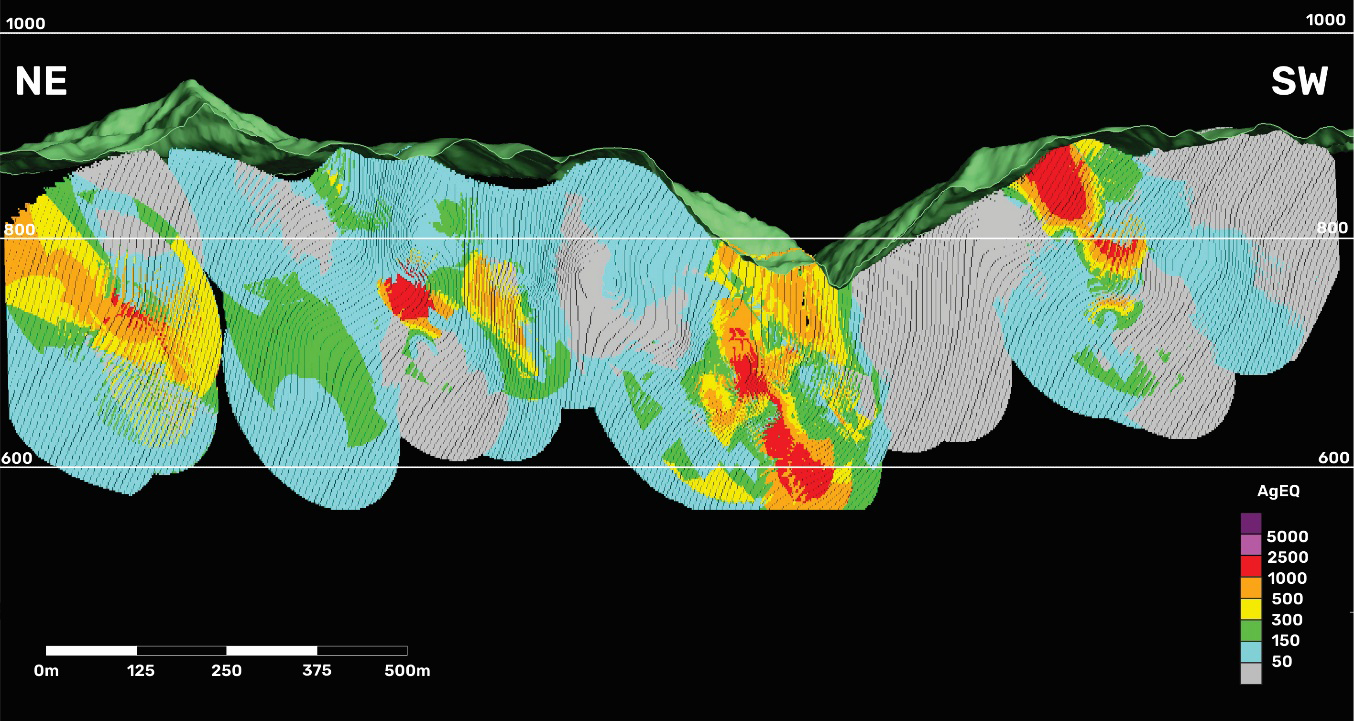
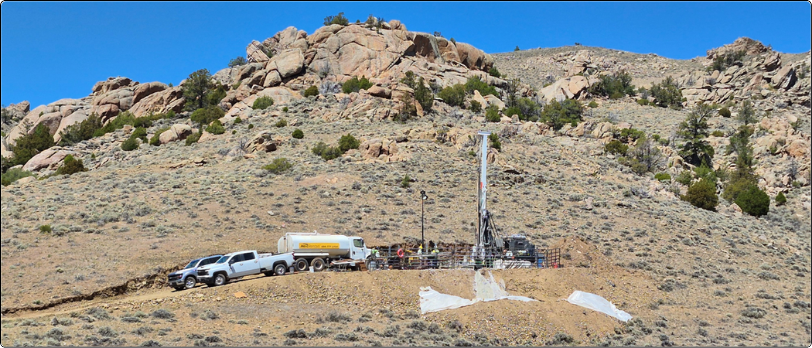
Further out, 42,500 metres (m) of drilling at Florida Canyon, part of a 50,000-m programme, targets near-mine oxide ore and historical dump material, along with the historical Standard Mine about five miles south, untouched by a drill hole for roughly 15 years and, at the time of the July interview, targeted to begin within weeks. Added feed would enter the same choice between crushing and direct placement that sets recovery.
FAQs (AI-Generated)
Analyst's Notes





Subscribe to Our Channel



Stay Informed






















