IsoEnergy Identifies New Fault Zone at Hurricane as Utah Bulk Sample & Australian Acquisition Near Completion


IsoEnergy identifies a new fault zone at its Hurricane deposit while advancing a Utah bulk sample program and closing its Toro Energy acquisition in Australia.
- IsoEnergy (TSX: ISO | NYSE American: ISOU) completed a 17-hole, 6,804-metre winter drill program at the Larocque East project in Saskatchewan, intersecting 30,050 counts per second over one metre in a newly identified L Fault Zone along the Hurricane South Trend, with mineralisation confirmed up to 540 metres east of the known deposit footprint; assay results are pending
- The Hurricane deposit holds an Indicated Mineral Resource Estimate of 48.6 million pounds uranium trioxide at 34.5% - the world's highest-grade published Indicated uranium resource - situated approximately 40 kilometres northwest of the operating McClean Lake mill at a depth of approximately 325 metres
- A 2,000-tonne bulk sample is underway at the Tony M mine in Utah, designed to generate operating cost data and test beneficiation techniques including High-Pressure Slurry Ablation (HPSA), which demonstrated greater than 90% uranium recovery at approximately 25% of original ore mass in prior testwork; a production restart decision has not been made
- The pending acquisition of Toro Energy, expected to close in early April 2026, adds the Wiluna Uranium Project in Western Australia carrying 69.1 million pounds uranium trioxide in Measured & Indicated resources, with Japan Australia Uranium and Itochu holding the right to acquire a 35% interest in the Lake Maitland deposit for US$39.6 million
- Pro forma cash stands at C$143.8 million, with NexGen Energy holding a 29.9% ownership stake; eight analysts cover the stock, all with Buy ratings and price targets ranging from C$18.00 to C$28.25 against a share price of C$14.79 as of April 6, 2026
IsoEnergy Reports New Fault Zone Intercept at Hurricane as Utah Bulk Sample Nears Completion
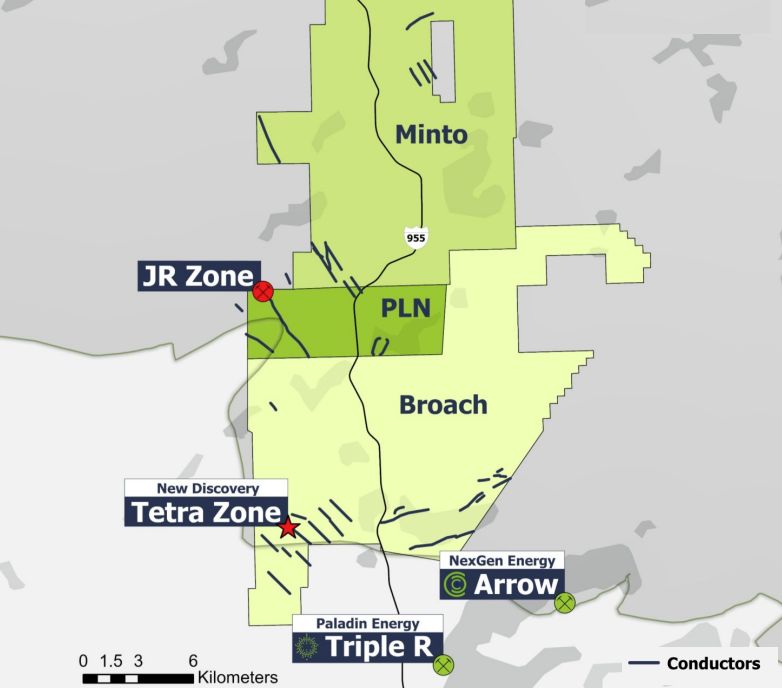
IsoEnergy (TSX: ISO | NYSE American: ISOU) released results from its 2026 winter drill program at the Larocque East project in Saskatchewan on April 7, 2026. The program comprised 17 holes totalling 6,804 metres, targeting resource expansion along the Hurricane deposit's North and South Trends as well as greenfield targets up to three kilometres east along the Larocque Trend. The headline result came from drill hole LE26-248, which returned an average radioactivity reading of 30,050 counts per second over one metre - with off-scale peak readings beyond 65,500 counts per second - intersected in the L Fault Zone, a structure within the South Trend that had not previously been the primary focus of exploration at the deposit.
Vice President of Exploration at IsoEnergy, Dr. Dan Brisbin, stated in the press release that the results are being used to reinterpret the fault controls along the South Trend and indicate potential for additional mineralisation in areas that remain underexplored. Step-out holes confirmed mineralisation up to 540 metres east of the known deposit footprint. Assay results from all 17 holes have been submitted to the Saskatchewan Research Council Geoanalytical Laboratory and are pending, with follow-up summer drilling being planned. The Hurricane deposit carries an Indicated Mineral Resource Estimate (MRE) of 48.6 million pounds uranium trioxide at a grade of 34.5%, and an Inferred MRE of 2.7 million pounds uranium trioxide at 2.2%, as defined by the NI 43-101 Technical Report effective July 8, 2022.
Chief Executive Officer & Director of IsoEnergy, Phil Williams, commented:
"The team delivered an expanded program, safely and efficiently, producing some of the most encouraging results we've seen along the South Trend and demonstrating the scale of the opportunity in this underexplored corridor."
The deposit sits at approximately 325 metres depth with no water cover at surface, roughly 40 kilometres northwest of the operating McClean Lake mill.
Tony M Bulk Sample Program
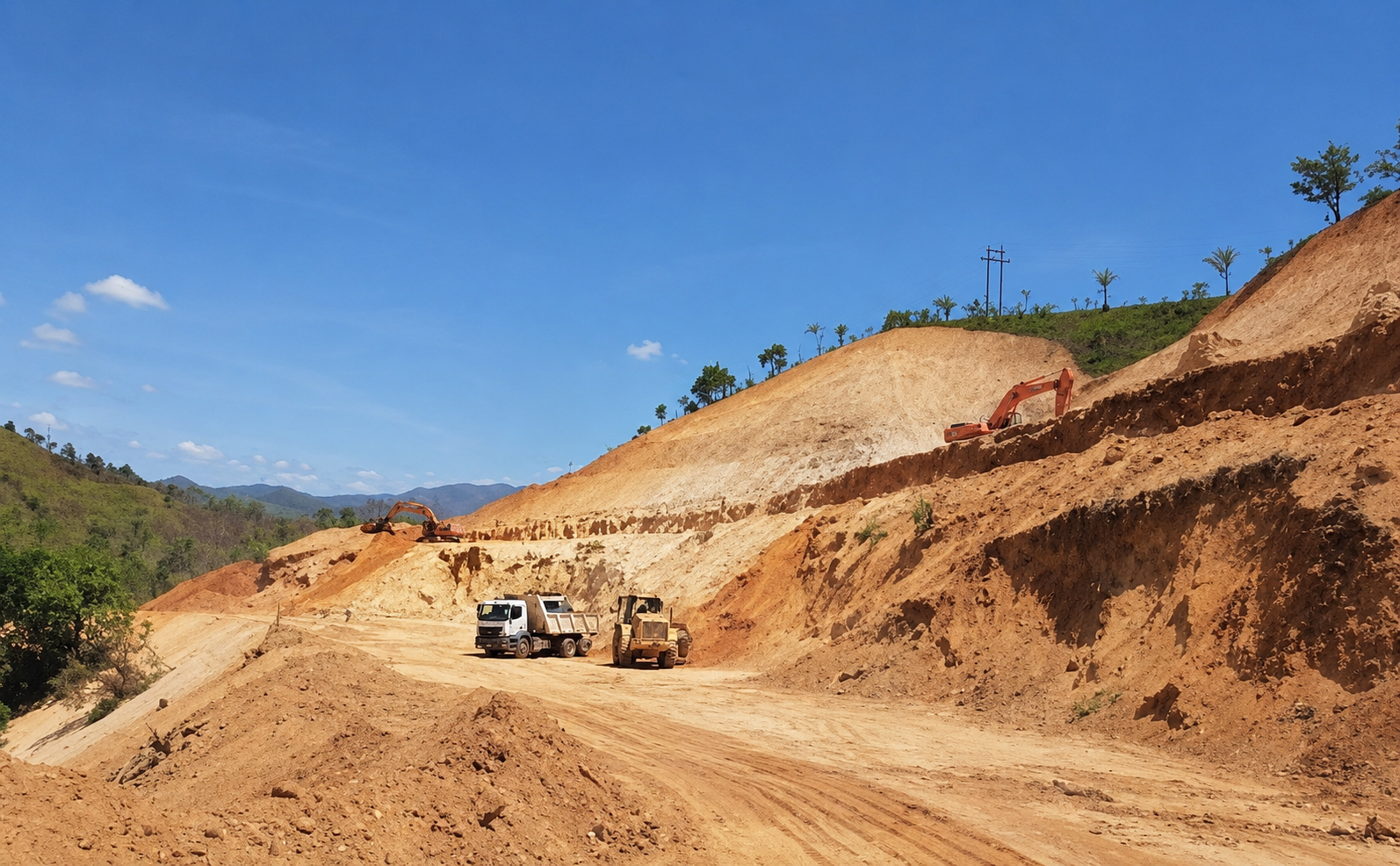
In Utah's Henry Mountains district, IsoEnergy is currently conducting a 2,000-tonne bulk sample at its Tony M mine, with ore being transported to Energy Fuels' White Mesa Mill - the only operating conventional uranium mill in the US - for processing under a toll milling arrangement. The program is expected to complete in April 2026.
Williams described the program's purpose:
"The first thing is costs around mining, trucking and processing. We know they're quite low comparatively - because the infrastructure is already there."
The Tony M mine has not operated since the 2007-2008 period but has retained its surface buildings, underground workings, and other key infrastructure in the years since. That existing infrastructure is relevant to the economics of any potential restart: the company does not need to build a mine from scratch, which typically saves both time and capital. The mine also already holds the government permits required to operate - permits that can take other companies three to five years and significant capital to obtain from scratch. The bulk sample currently underway is being used to test whether certain ore processing techniques - which aim to reduce the volume of material that needs to be transported and processed at the mill, thereby potentially lowering operating costs - perform as expected at a larger scale. Early-stage testwork on these techniques has shown results the company considers potentially meaningful, though they have not yet been validated at full production scale.
No decision to restart production at Tony M has been made. The mine contains an estimated 6.6 million pounds of uranium in its more confidently defined resource category, plus a further 2.2 million pounds in a less certain category based on less drilling data. The company has stated that a restart decision will follow completion of the current bulk sample program, which is expected to deliver the operating cost data and processing results needed to assess whether full-scale production is economically viable. The uranium price at the time of that decision will also be a factor.
Toro Energy Acquisition
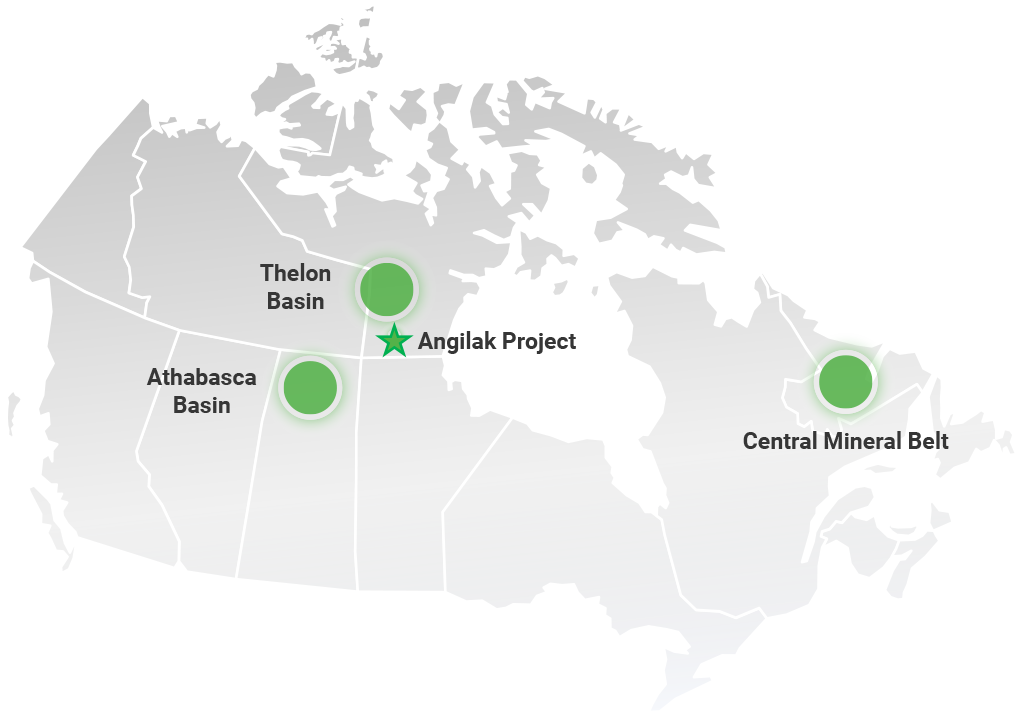
In October 2025, IsoEnergy announced an agreement to acquire Toro Energy, an Australian uranium company, with the transaction expected to close in early April 2026. The acquisition adds the Wiluna Uranium Project in Western Australia to IsoEnergy's portfolio. Wiluna consists of several shallow, near-surface uranium deposits - meaning the ore sits close to the ground surface, which generally makes mining less complex and costly than deep underground operations. The project holds 69.1 million pounds of uranium trioxide in Measured & Indicated resources - categories that reflect a relatively higher degree of geological confidence based on drilling data - plus a further 4.5 million pounds in Inferred resources, which are based on less data and carry more uncertainty. A preliminary economic study, known as a scoping study, has already been completed on the key Lake Maitland deposit within the project.
A pre-existing commercial agreement adds a degree of third-party validation to the project: Japan Australia Uranium and Itochu - a major Japanese trading company - already hold the right to purchase a 35% stake in the Lake Maitland deposit for US$39.6 million.
Williams described the rationale for the deal:
"We think Toro is an overlooked project for a whole host of different reasons, but that together the two companies can really drive that project forward."
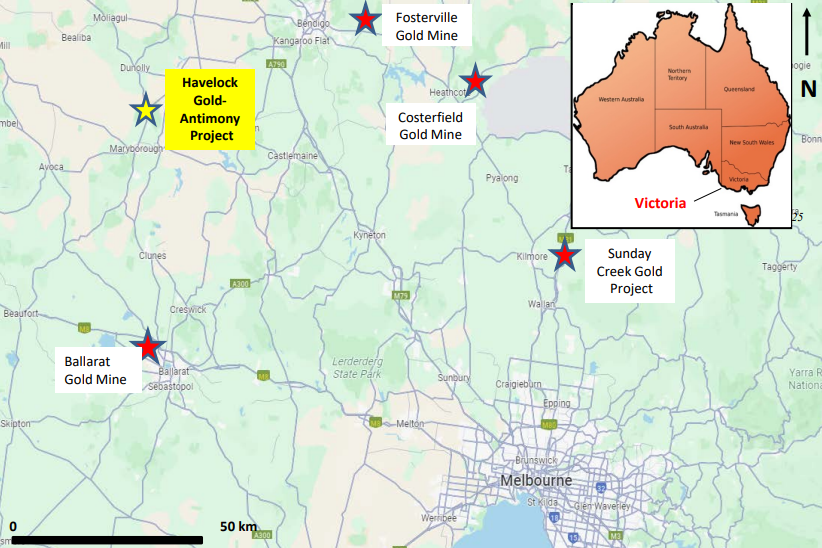
Following the close of the transaction, planned next steps include converting the project's existing Australian resource estimate - repFollowing the close of the transaction, IsoEnergy plans to carry out additional drilling to better define the Wiluna resource, update the resource estimate to meet Canadian reporting standards, and advance the existing preliminary economic study into a more detailed assessment of the project's potential costs and returns. No decision to develop or mine the Wiluna project has been made.
IsoEnergy also holds an equal partnership with Purepoint Uranium (TSX-V: PTU) covering a large land package along the Larocque Trend in Saskatchewan's Athabasca Basin, with Purepoint managing the day-to-day exploration work. In the partnership's first funded drill program, the Dorado project's Nova discovery returned uranium grades that are considered high relative to most deposits globally. Williams described the rationale for this type of arrangement in the Crux Investor interview: "They were financed, and they were given kind of like a bigger platform to go and work towards." These results represent early-stage exploration findings and do not yet constitute a formal resource estimate.
Market Context & Company Position
The uranium spot price fell to US$63 per pound in early April 2025 and recovered to a year-to-date high of US$101.41 per pound on January 29, 2026, before settling to US$84.55 per pound as of the week ending April 7, 2026. The long-term uranium contract price reached US$90 per pound in the first quarter of 2026. The World Nuclear Association (WNA) 2025 World Nuclear Fuel Report projects reactor uranium requirements rising from 175 million pounds uranium trioxide in 2024 to 391 million pounds by 2040 under its Reference Scenario - a 124% increase - while total identified supply covers approximately 46% of that 2040 demand figure.
Williams referenced the executive order on Section 232 uranium tariffs as a potential factor in utility contracting behaviour:
"Because anything that could create future uncertainty around pricing and access to materials might bring that demand forward."
As of April 6, 2026, IsoEnergy's shares were trading at C$14.79 on the Toronto Stock Exchange. The company holds approximately C$143.8 million in cash, alongside investments in other uranium companies valued at approximately C$49.7 million. NexGen Energy, one of the larger companies in the uranium sector, holds roughly 30% of IsoEnergy following a C$25 million investment made in January 2026. Eight independent analysts who cover IsoEnergy have all assigned the stock a Buy recommendation, with their individual price targets ranging from C$18.00 to C$28.25 per share - all above the current trading price as cited in IsoEnergy April 2026 Corporate Presentation, Slide 7.
Three Programs, Three Jurisdictions, One Decision Year
Assay results from the 17-hole Hurricane winter program are pending and are expected to inform the design of the 2026 summer drill program. The L Fault Zone identified in the current program represents a new area of focus within the South Trend, with the company stating that further drilling will be required to define its geometry and continuity along strike. No updated resource estimate has been announced in connection with the 2026 winter results.
At Tony M, processing of the bulk sample at White Mesa Mill is expected to generate operating cost data and beneficiation results that will feed into a formal restart economic assessment. The company has not indicated a timeline for a production decision and has stated that market conditions will be a factor alongside technical and economic findings. In Western Australia, initial work programs at Wiluna following the close of the Toro Energy acquisition are expected to be outlined following completion of that transaction.
Williams summarized the company's position:
"Right now we're moving things ahead at a moderate pace, the pace that makes sense for the projects in the environment that we're in and given where our capital is. But we do have the ability to turn the notch up a little bit in the right environment. So I think that could be super fun too."
Three concurrent work programs across three jurisdictions are active in the first half of 2026, with results from each expected to inform capital allocation decisions in the second half of the year.
FAQs (AI-Generated)
Analyst's Notes





Subscribe to Our Channel





Stay Informed