




Japan's Yttrium Shortage Puts Kasiya's Rare Earth Offtake in Focus


Japan's yttrium shortage puts Sovereign Metals' Kasiya rare earth concentrate value in focus, pending refiner qualification and a binding offtake.
- Japan could run short of yttrium within months, with yttrium oxide in China assessed at US$9 per kilogram.
- China's April 2025 export controls on yttrium and 6 other rare earths remain in force, while a 1-year suspension of its October 2025 expansion runs until November 10, 2026.
- The US recorded 100% net import reliance for yttrium in every year from 2021 to 2025 and has no fully commercial facility able to separate or refine it.
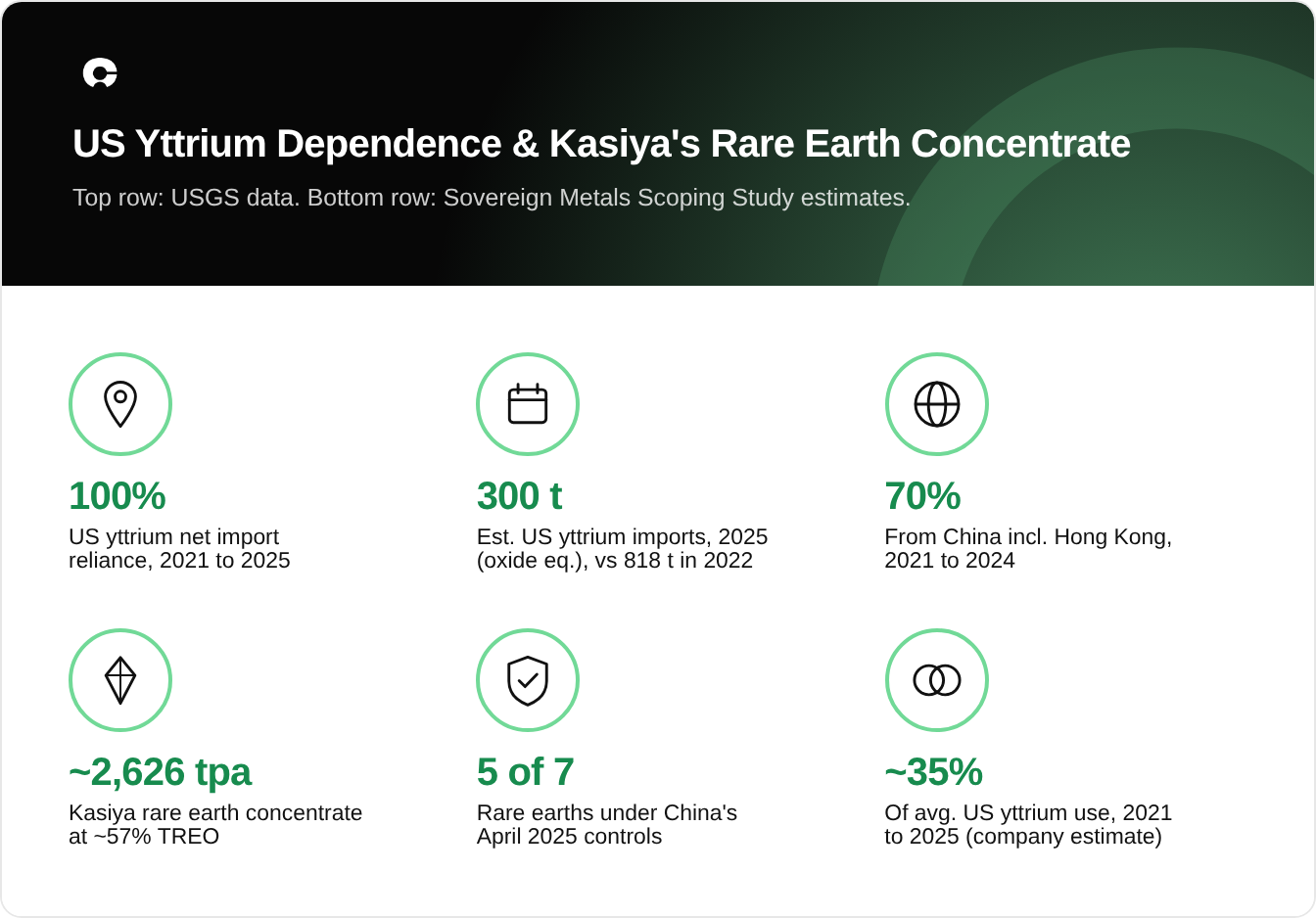
- Sovereign Metals' September 2026 Scoping Study outlines about 2,626 tonnes per year of rare earth concentrate from Kasiya, carrying 5 of the 7 rare earths China restricted in April 2025, with about 193 tonnes per year of contained yttrium oxide that Sovereign Metals equates to about 35% of average annual US yttrium consumption over 2021 to 2025.
- The concentrate has no buyer yet, testwork with Western refiners is underway, and a binding offtake agreement would let lenders count rare earth revenue when sizing debt.
What Has Happened
Japan could run out of yttrium within months, according to an October 20, 2026 report citing the Financial Times, with officials warning that shortages could begin before year-end. Yttrium goes into heat-resistant coatings for engines and chip-manufacturing equipment, and US defense manufacturers rely on Japanese components that contain it. Argus assessed yttrium oxide at US$9 per kilogram in China, and the ex-China price is about 179 times its level 2 years ago.
The squeeze traces back to April 2025, when China placed export controls on 7 rare earths, including yttrium. China suspended a later October 2025 expansion for 1 year, until November 10, 2026, but left the April controls in place, and it has separately tightened restrictions on Japan after Prime Minister Sanae Takaichi's remarks on a possible Taiwan conflict. The shortage puts a market test in front of Sovereign Metals (ASX: SVM | AIM: SVML | OTCQX: SVMLF), whose Kasiya Project in Malawi could produce a rare earth concentrate containing yttrium that has no buyer yet.
Why Yttrium Supply Outside China Is Thin
The US Geological Survey (USGS) reports that the US had no fully commercial facility to separate or refine yttrium in 2025 and relied 100% on net imports from 2021 to 2025. US imports of yttrium alloys, compounds and metals fell to an estimated 300 tonnes of yttrium oxide equivalent in 2025, from 818 tonnes in 2022. China, including Hong Kong, supplied 70% of US imports between 2021 and 2024, and nearly all imported material came from concentrates processed in China.
China exported an estimated 1,600 tonnes of yttrium compounds and metal in 2025, with Japan, the Republic of Korea, the US and Germany the leading destinations. Substitution offers limited relief: the USGS notes that yttrium generally cannot directly replace yttrium in electronics, lasers, and phosphors, and that calcium oxide or magnesium oxide substitutes in zirconia ceramics generally deliver lower toughness. For buyers in Japan and the US, alternative supply depends on access to non-Chinese material and on whether Western refiners can process it to the required specifications.
What Kasiya's Rare Earth Concentrate Contains
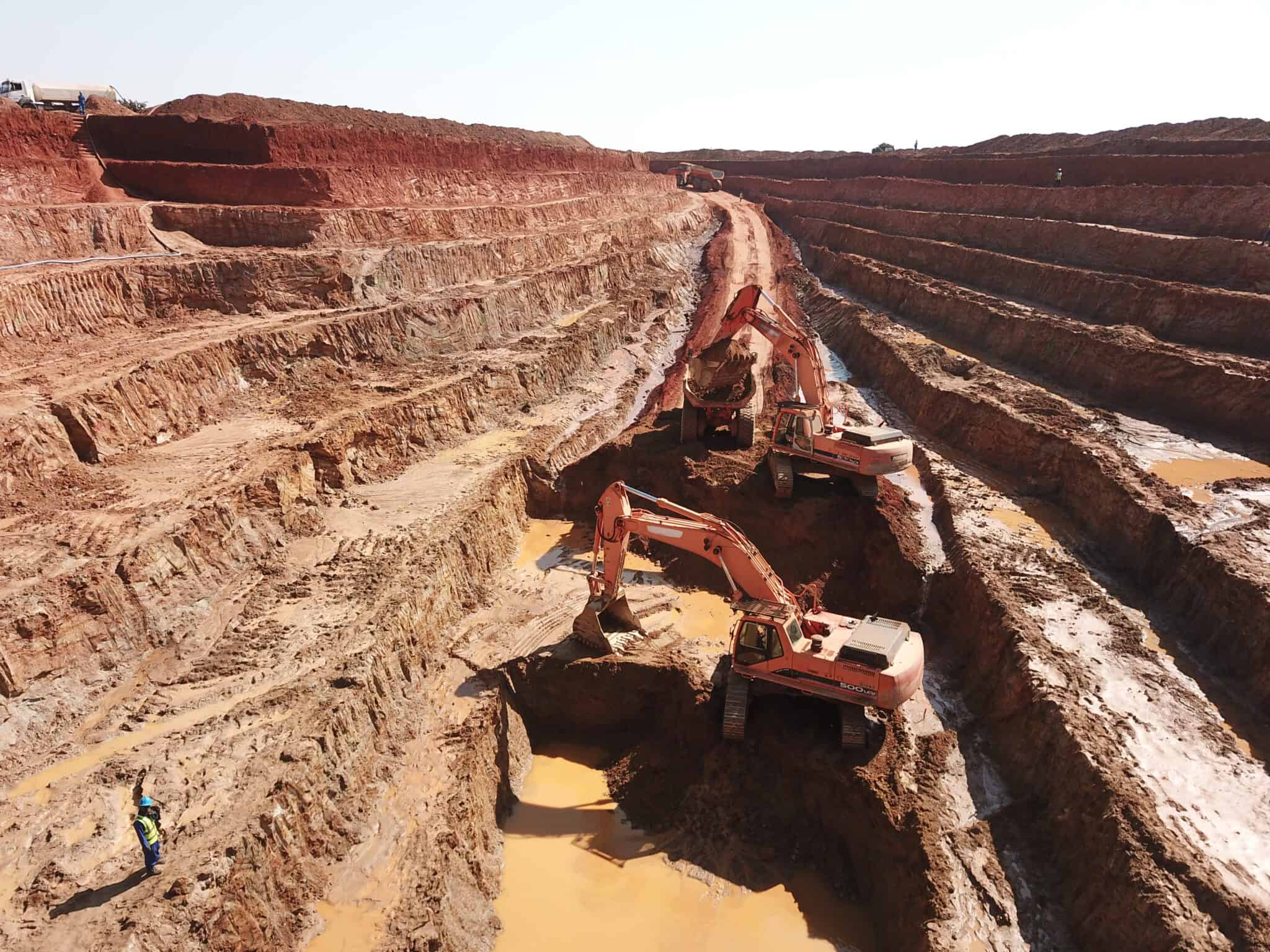
Sovereign Metals completed a Definitive Feasibility Study (DFS) for rutile and graphite at its Kasiya Project in Malawi in April 2026. In September 2026, the company published a Scoping Study on recovering monazite from the DFS flowsheet's non-conductor tailings stream over the first 23 years, with no additional mining. The maiden monazite Mineral Resource Estimate totals 524.4 million tonnes at 0.0132% monazite, with 74% in the Indicated category.
The Scoping Study outlines about 2,626 tonnes per year of rare earth concentrate at about 57% total rare earth oxide. Dysprosium, terbium, yttrium, samarium and gadolinium all occur at elevated levels, giving the concentrate 5 of the 7 rare earths on China's April 2025 control list, while neodymium-praseodymium levels are in line with current producers. The concentrate contains about 193 tonnes per year of contained yttrium oxide and would still need refiner qualification and downstream processing before reaching end users. On the Scoping Study's rare earth basket values, Kasiya's basket is US$ 139.21 per kilogram against US$30.29 per kilogram for Mountain Pass and US$59.94 per kilogram for Mount Weld, weighted toward heavy rare earths. These are comparative basket values, not realized concentrate prices.
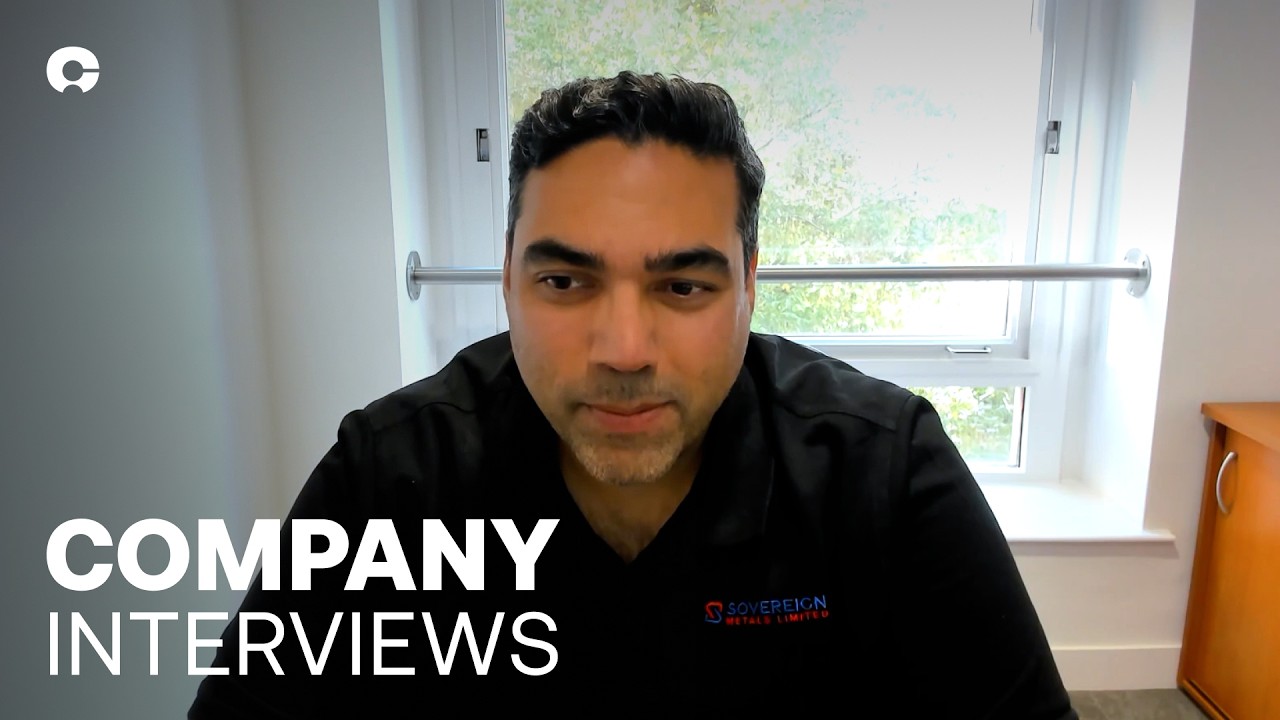
Chief Commercial Officer of Sovereign Metals, Sapan Ghai, linked the yttrium content to US demand and its main aerospace use:
"Our rare earth product will have enough, for example, to supply 35% of the US requirement. Now, that yttrium mainly goes into jet engine coatings. The last thing you want on your plane or fighter jet is when you put the afterburners on for it to melt the entire plane."
Cost & Delivery Into the US
The Scoping Study is a preliminary assessment, accurate to within ±30 %, and is not sufficient to support Ore Reserves or provide assurance of an economic development case for the additional products. Sovereign Metals has costed the concentrate landed at a US Gulf port, at an all-in cost of about US$29 million, steady-state earnings before interest, taxes, depreciation and amortization (EBITDA) of about US$84 million, an operating margin of about 90%, an internal rate of return (IRR) of 151%, and a 1.5-year payback.
The company has also tested the circuit against lower prices. At US Government floor prices, the rare earth circuit still returns a pre-tax net present value (NPV8%) of about US$183 million, an IRR of about 43%, and about 6.3 times its capital. Sovereign Metals is not party to any floor arrangement, so this case is a downside assumption only.
Price references outside China vary by assessor and date. Sovereign Metals' October 2026 presentation cites yttrium oxide at US$ 667.5 per kilogram (Asian Metal Europe, August 12, 2026), up 49 times in 12 months, alongside yttrium-prospectsium at US$3,250 per kilogram and terbium at US$ 7,500 per kilogram (S&P Platts CIF North America, September 30, 2026). Argus's October yttrium assessment of US$ 1,150 per kilogram sits above the August figure.
The Offtake Gap
Kasiya is developing around 3 potential products: rutile, graphite, and rare earth concentrate. Rutile has a non-binding memorandum of understanding (MOU) with Mitsui, graphite has a non-binding MOU with Traxys linked to Project Vault, and the rare earth concentrate is uncommitted. The company's path for the concentrate runs from customer qualification, with samples sent to Western processors, to binding offtake, to integration into the DFS, and to progress toward a final investment decision.
Binding offtake is revenue lenders can count when sizing debt, and the company's presentation notes that scarce ex-China heavy rare earth feed can attract prepayments and project-level or corporate equity, while stating that these funding outcomes are illustrative and not assured. Ghai has given a working assumption of about US$750 million in peak funding, with roughly US$210 million on October 13, 2026, A$25 million in cash, and no debt as of June 30, 2026.
Ghai described the stage of rare earth commercial discussions:
"Look, early days on the rare earths bit, but as you can , as soon as we told the world what we have, those offtake discussions are taking place with Western refiners."
Broader Context & What to Watch Next
The main market risk for Kasiya's concentrate is wider Chinese export licensing, which could reduce the premium for rare earths sourced outside China. The USGS reported that in November 2025 the US said China would issue general licenses that would effectively lift the April 2025 controls, and that China had begun issuing general licenses to selected exporters while the April controls remained in effect as of December 2025. A narrower gap between Chinese and ex-China prices would reduce the price support behind new non-Chinese supply such as Kasiya's, although the Scoping Study's floor-price case still returns an NPV8% of about US$183 million.
The same supply concentration supports demand for the concentrate. Ghai noted that 100% of the heavy rare earths the US currently requires come from China, and Japan, a leading destination for Chinese yttrium exports, is now short.
Over the next year, the decision points are China's handling of the suspension that expires on November 10, 2026, including whether general licenses extend to yttrium shipments to Japan, the results of the rare earth concentrate testwork with Western refiners, and the conversion of the Mitsui and Traxys MOUs and the rare earth concentrate into binding offtake agreements. Sovereign Metals' management is also targeting a financing plan within 6 to 9 months, alongside permitting, further rare earth studies and a final investment decision.
FAQs (AI-Generated)
Analyst's Notes





Subscribe to Our Channel





Stay Informed


