




Made in America Article Series 1/5: Why Investors Are Looking Beyond Gold Prices to Jurisdiction


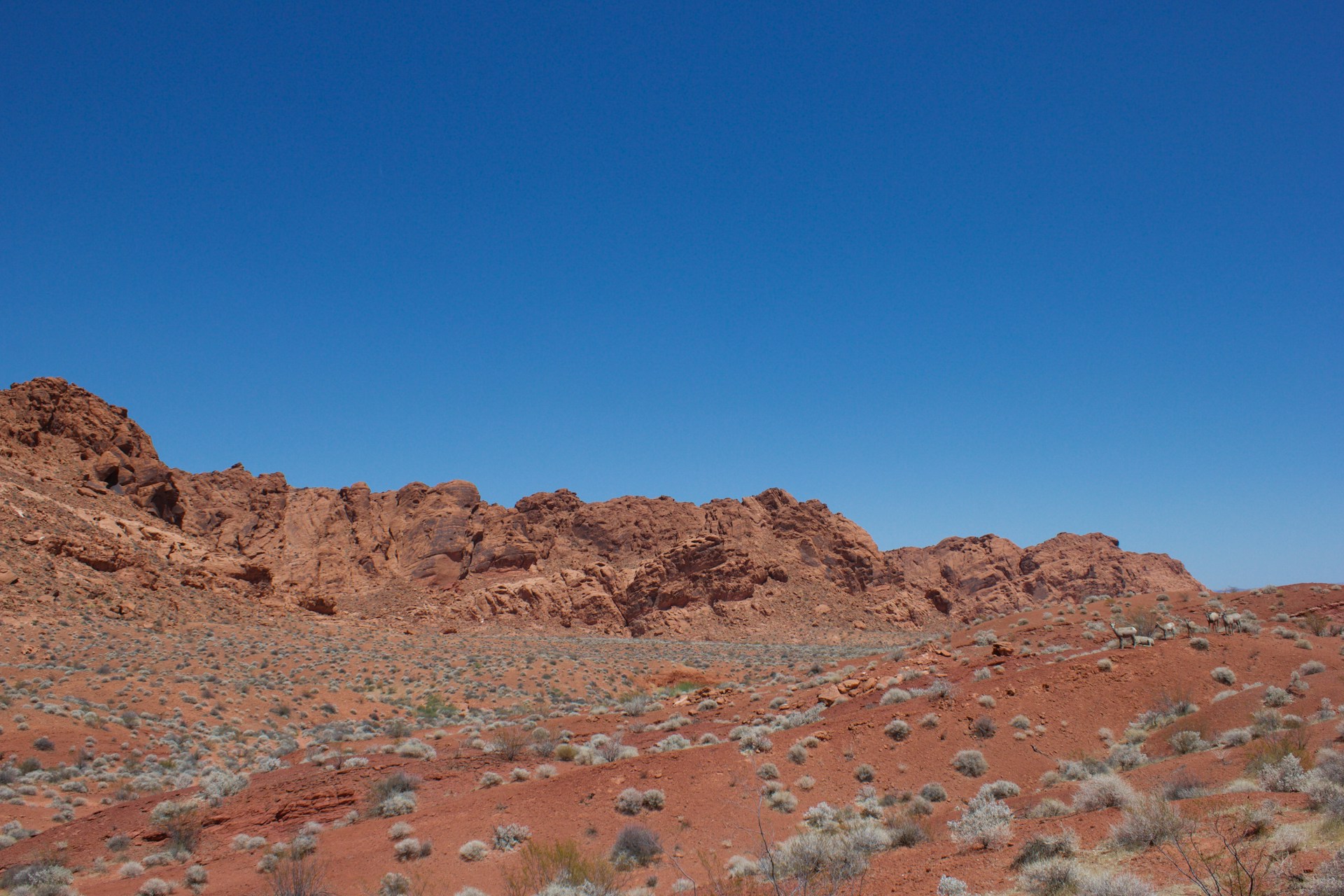
Six Nevada mine site visits reveal why jurisdiction, infrastructure and permitting history shape investment risk as much as grade or gold price.
- Jurisdiction is now a priced, underwritten variable, not a qualitative aside - traditional mining analysis ran on three inputs (ounces, grade, NPV/IRR); permitting timelines and infrastructure availability now feed directly into capital costs and financing terms, with delays compounding through the discount rate to erode NPV and IRR regardless of deposit quality.
- Discovery risk is declining across mature jurisdictions like Nevada - most projects now sit on previously drilled ground rather than greenfield terrain, shifting risk from discovery uncertainty toward permitting and redevelopment risk, which underwriters can price with more confidence.
- Capital is rewarding sequencing: risk retired before spend, not spend used to discover risk, growth funded through cash flow rather than dilutive equity issuance, and existing access rights used to advance work while deferring major permitting commitments, producing a more underwritable capital structure than pre-revenue, equity-financed development.
- Domestic supply chain resilience is a policy-level demand driver, distinct from risk hedging. Governments and investors are prioritizing US-based supply independent of any geopolitical risk premium, adding a policy tailwind to "Made in America" exposure on top of its defensive value.
- Elevated geopolitical risk is repricing domestic jurisdiction as a hedge - the World Gold Council cites the US-Iran conflict as a driver of gold's 2026 performance; capital is likely to keep favoring US-jurisdiction assets at a premium to comparable international projects.
America's Mining Revival Is Bigger Than a Slogan
Driving between project sites in Nevada, the evidence of the state's mining history is visible before a single drill result is discussed. Highways connect towns built around mining payrolls; several executives pointed to specific examples, including Interstate 80 running directly past one project site and active power lines already serving another. Nevada is an industrial base that has been reinvested in continuously since districts like Candelaria, active since 1864, and Manhattan, developed roughly a century ago.
Across the six site visits, one theme surfaced repeatedly, and it was not geology or the gold price. It was a more fundamental question: why do companies keep choosing to build here, in a jurisdiction with higher labor and compliance costs than many international alternatives?
The World Gold Council's Gold Mid-Year Outlook 2026, published July 1, 2026, attributes much of gold's first-half performance to elevated geopolitical risk, including the US-Iran conflict. Against the backdrop of elevated geopolitical risk, 'Made in America' is less a matter of patriotism than a measurable reduction in investment risk.
Investors Are Paying More Attention to Where a Mine Is Built
Historically, mining investment analysis centered on three variables: ounces in the ground, grade, and project economics expressed through Net Present Value and Internal Rate of Return. Jurisdiction was a qualitative overlay, discussed in passing rather than modeled directly.

Permitting timelines, infrastructure availability and workforce depth now feed directly into how investors underwrite capital costs, financing terms and execution risk. A permitting delay of two or three years does not just push back first production; it compounds through the discount rate applied to future cash flows, eroding Net Present Value regardless of the underlying deposit's quality. Internal Rate of Return follows the same logic: capital tied up in permitting delay earns nothing.
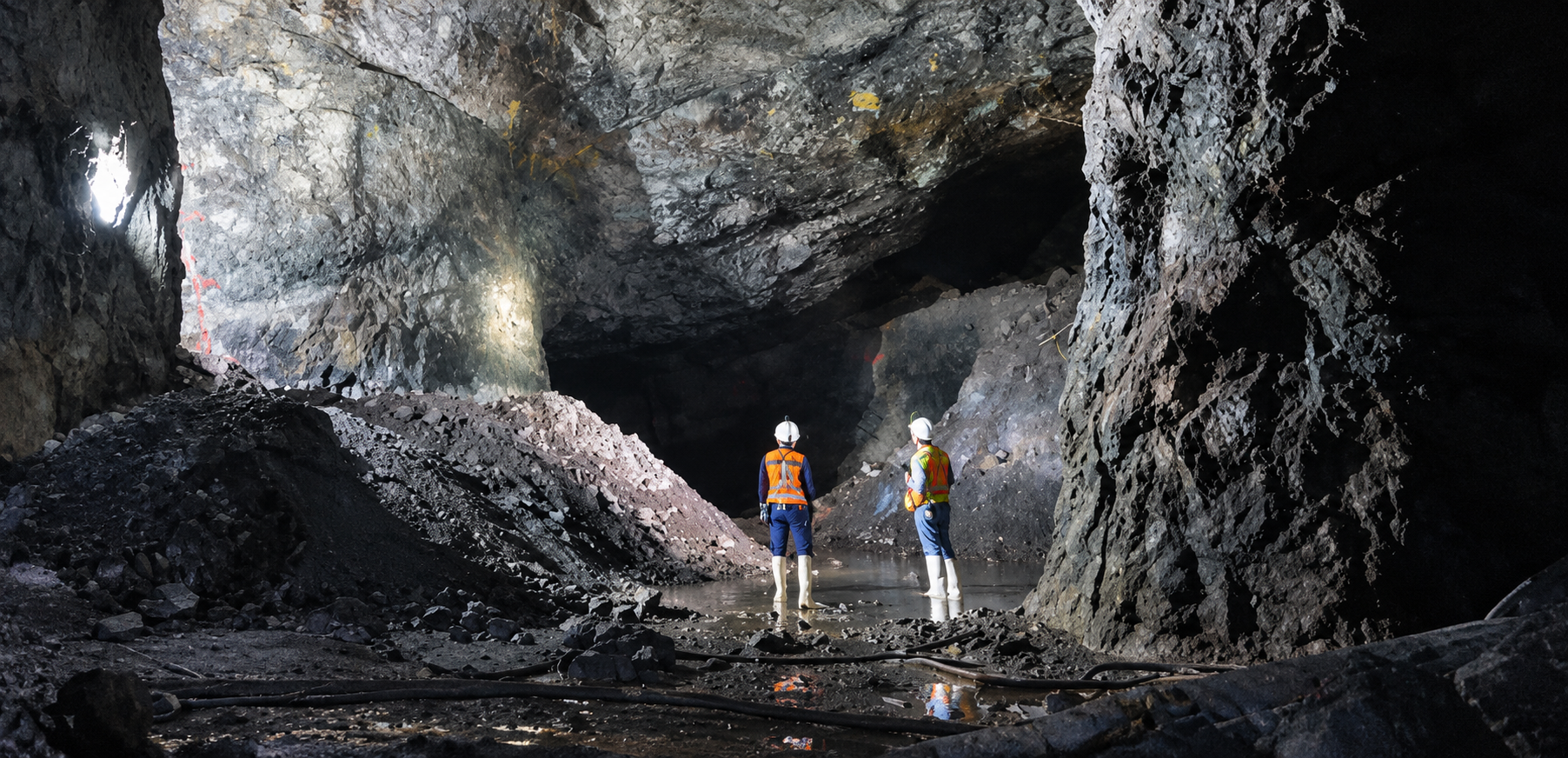
Executives interviewed on site described Nevada in similar terms, calling it "elephant country" with a "community that knows mining." Such statements are executive characterizations rather than formally documented metrics, but the sentiment is echoed in how developers described compressing timelines by leveraging pre-existing infrastructure and historical data. Blossom Gold is using historic underground workings to advance drilling without adding new surface disturbance; P2 Gold is using existing roads for drill access that do not require separate permitting; and Silver One Resources is evaluating historic heap leach infrastructure at its project.
P2 Gold's Chief Exploration Officer Ken McNaughton, described directly how existing surface disturbance reduces permitting constraints for the company's Gabbs project:
"Road access has been fantastic for our exploration because not only does it give us access, but it's pre-existing disturbance, we don't have to account for that in our permitting."
Modern Mining Is Increasingly About Building on Existing Foundations
Few projects advancing in Nevada today sit on genuinely untouched ground. Most occupy districts with a documented history of exploration or production. Discovery risk, historically one of the largest uncertainties in mining valuations, is reduced when a deposit has already been drilled by prior operators. What remains is applying modern technology and tighter district consolidation to unlock value that earlier operators could not capture.
New Technology Is Reopening Older Opportunities
Many Nevada districts were historically worked by small operators holding fragmented claims, none large enough individually to justify district-scale infrastructure investment. At Scorpio Gold, the company has aggregated a series of previously separate, small-scale land positions into a single district-scale package, a consolidation step that is a precondition for the infrastructure and processing investment a larger operation requires. Scorpio Gold's management has indicated that recovery rates are improving from a historical 60 to 70 percent range under older gravity and leach circuits toward a target of 92 to 93 percent under updated processing assumptions.
Metallurgical uplift of the scale described, if confirmed, would materially improve project economics without requiring new discovery.
Infrastructure Is Often an Undervalued Competitive Advantage
Infrastructure rarely appears as a distinct line item in headline project summaries, yet it is often the single largest determinant of whether a deposit becomes an economic mine. Roads, grid power, water access and proximity to experienced contractors all translate directly into capital cost assumptions, construction schedules and ongoing operating costs.
Nevada's Infrastructure Has Been Built Over Generations
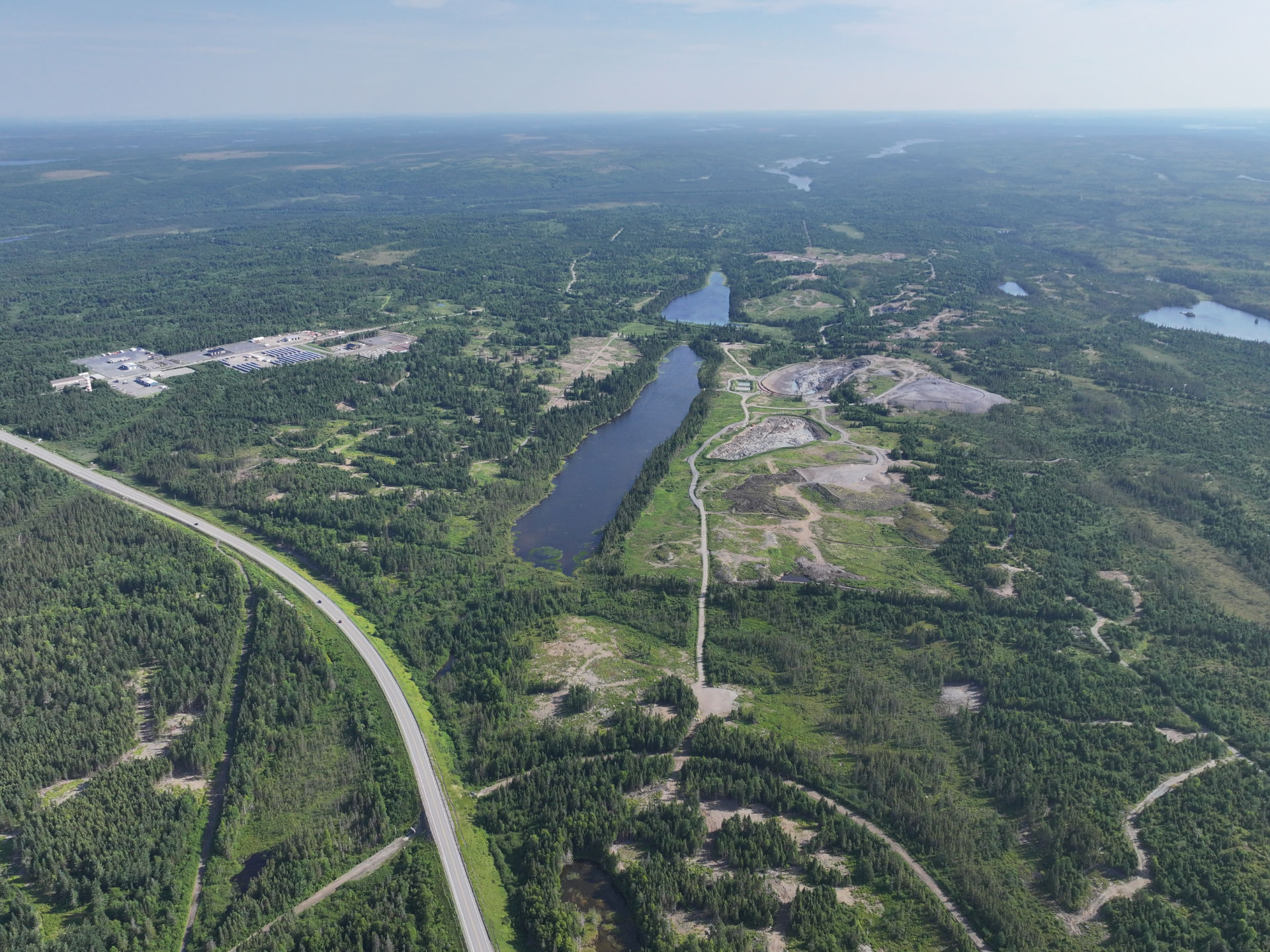
Nevada's infrastructure advantage reflects more than a century of mining activity in specific districts, which means new projects can draw on existing roads, power and water access rather than building it from the ground up.
Silver One Resources has ongoing access to grid power and two water wells serving the site, though the underlying ownership structure of that access, whether outright, leased, or via third-party agreement, has not been independently confirmed.
Blossom Gold’s General Manager, John Shaff and a colleague on site described road and rail infrastructure as available in abundance in Nevada:
"Globally, it's difficult to find a place that has roads, rail infrastructure, power, water, people, vendors. We have it all."
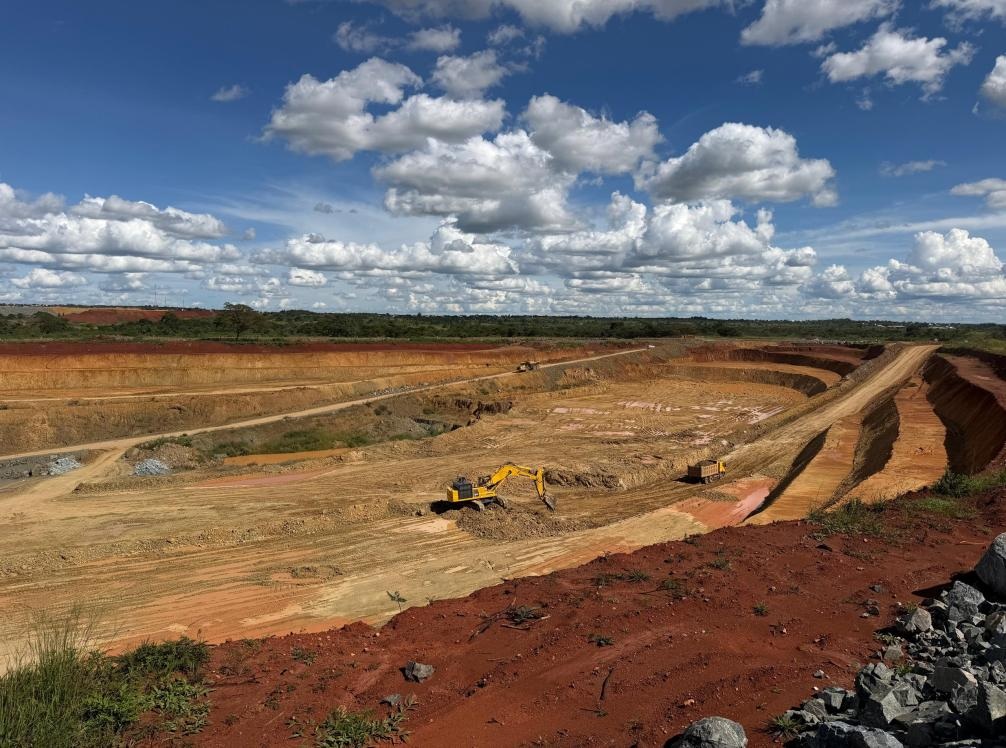
At Hycroft Mining, four decades of prior production left the site with crushing facilities, leach pads, a Merrill-Crowe processing plant, administrative infrastructure, grid power and water wells already in place, along with direct adjacency to a major east-west railway. Unlike greenfield projects that must negotiate and build remote road access and power interconnections from scratch, Hycroft's redevelopment economics start from a historic site where tier-one infrastructure, including a great access road and local power lines, is already in place.
The Common Thread Was Risk Reduction Rather Than Discovery
Across the six site visits, a consistent capital allocation pattern emerges regardless of commodity or development stage. Capital discipline, infrastructure access, permitting efficiency and district consolidation function as risk-reduction mechanisms that precede major capital deployment, rather than accompanying it. The sequencing of risk reduction ahead of capital deployment matters to investors because it changes how each dollar is underwritten: risk-retired before spend, rather than spend-used to discover whether risk exists.
Different Companies, Similar Investment Philosophy
The mechanism differs by stage, but the logic holds throughout. For Integra Resources, it is expressed through cash flow sequencing: acquiring an already-operating asset to fund subsequent growth with reduced reliance on dilutive equity issuance, a materially different capital structure than a pre-revenue developer financing growth entirely through equity markets.
At the development stage, the same discipline shows up in structuring work around, rather than against, regulatory constraints, using existing access rights to advance technical work while deferring larger permitting commitments. At the exploration stage, it appears as district consolidation: aggregating fragmented historic claims into a package large enough to justify future infrastructure investment.
The distinction investors should draw is not between more or less exciting exploration upside, but between companies that have sequenced capital to retire specific risks and those that have not. The former is a more underwritable case, independent of commodity price.
The Investment Thesis for American Mining
- Domestic supply and potential have become strategically important as governments and investors prioritize supply chain resilience alongside jurisdiction cost.
- Nevada's infrastructure reflects district-specific histories spanning more than a century, including Candelaria and Manhattan, lowering development risk relative to many emerging jurisdictions.
- Producers, developers and explorers across the state are pursuing projects that benefit from existing roads, power, water and historic geological data, though the specific ownership and scope of that access varies by project and warrants direct diligence.
- Metallurgical improvements, including targeted High Pressure Grinding Roll recoveries and updated met testing, remain company-reported figures pending independent or third-party confirmation.
- Investors should evaluate jurisdiction alongside grade, All-In Sustaining Cost, Net Present Value and Internal Rate of Return, while distinguishing verified public disclosures from company characterizations offered in site interviews.
Why Nevada Keeps Appearing in the Same Conversation
Across six site visits, spanning a cash-flowing producer, permitted developers and district-consolidating explorers, one fact stood out: every company chose the same state. The companies differ in commodity, development stage and corporate strategy, yet each independently arrived at Nevada, citing infrastructure, permitting familiarity and decades of district-level geological data.
Understanding why Nevada continues to attract a concentration of capital, and what specifically differentiates it from other American mining jurisdictions, is the subject of Part 2 of this series: Nevada, America's premier mining jurisdiction.
TL;DR
Crux Investor's site visits across six Nevada mining projects show jurisdiction becoming a distinct, quantifiable input into investment decisions rather than a background factor. Companies including Blossom Gold, P2 Gold, Silver One Resources, Scorpio Gold, Integra Resources and Hycroft Mining are each leveraging pre-existing infrastructure, historic drilling data and permitting familiarity to reduce risk before capital deployment rather than after. Metallurgical upgrades and district consolidation are unlocking value from previously fragmented or under-processed ground, though several key figures - recovery rates, infrastructure ownership, rail access - remain company-reported and pending independent verification. The consistent theme: investors are increasingly underwriting jurisdiction and risk-sequencing alongside traditional metrics like grade, AISC, NPV and IRR.
FAQs (AI-generated)
Analyst's Notes





Subscribe to Our Channel









Stay Informed






















