




Lifezone Metals 2025 Annual Results: US$60.1 Million in Liquidity Positions Kabanga for the Final Investment Decision Year



Lifezone Metals posts 2025 results with US$60.1 million in liquidity ahead of Kabanga's late-2026 Final Investment Decision.
- Lifezone Metals reported a total net loss of US$14.1 million for the year ended December 2025, down from US$47.1 million in 2024, with the loss attributable to shareholders narrowing to US$13.6 million and producing a basic and diluted loss per share of US$0.17, compared to US$0.59 in the prior year on 79.9 million weighted average ordinary shares.
- The company exited 2025 with US$20.1 million in cash and US$40 million in undrawn capacity under the Taurus Mining Finance senior secured bridge loan facility, for a combined liquidity of US$60.1 million available for pre-Final Investment Decision (FID) activities at the Kabanga Nickel Project.
- Cash usage from investing activities totaled US$21.3 million in 2025, compared to US$52.7 million in 2024, with US$21.8 million invested directly into the Kabanga Nickel Project, bringing Lifezone's cumulative investment in the project to over US$140 million.
- Lifezone acquired BHP's 17% equity interest in Kabanga Nickel Limited in July 2025 without any immediate cash outlay, increasing its effective ownership to 84% and consolidating 100% control of offtake ahead of project finance negotiations, with deferred consideration tied to FID and production milestones.
- A subsequent US$5 million drawdown on the Taurus facility in March 2026, serving as an advance for a larger second utilization of US$21.7 million, marked the first capital deployment of 2026; the strategic equity partnership process and multi-track project financing discussions are advancing toward a targeted FID in late 2026.
What the 2025 Figures Reveal
Lifezone Metals recently filed its Annual Report with the US Securities and Exchange Commission, alongside the release of its full-year 2025 financial results. The total net loss for the year was US$14.1 million, of which US$13.6 million was attributable to Lifezone shareholders. By comparison, the 2024 full-year figure was US$47.1 million, translating to US$0.59 per share. The 2025 result, producing a loss per share of US$0.17, reflects 2 structural changes: the completion of a group-wide rightsizing program in the second quarter of 2025, which aligned the company's cost base with the current capital market environment for the nickel sector, and a deliberate reduction in investing activity as Lifezone pivoted from broad exploration and study-phase spending to focused, milestone-driven pre-Final Investment Decision (FID) work.
Cash usage from operating activities was US$15.6 million in 2025, broadly in line with the prior year's US$15.9 million. Net outflows from investing activities fell to US$21.3 million from US$52.7 million in 2024. Kabanga-specific investment for the year totaled US$21.8 million, directed at geotechnical drilling, permitting, and social resettlement activities that advance the project toward construction readiness. Financing activities generated a net inflow of US$27.6 million during 2025, reflecting the proceeds from the Taurus bridge facility and the November 2025 equity offering, net of transaction costs.
The net cash movement for the year was a decline of US$9.2 million, from US$29.3 million at December 2024, to US$20.1 million at December 2025. Viewed in isolation, that figure appears to be a shrinking position. In context, it does not. The US$40 million of undrawn Taurus capacity sitting off the cash line materially changes the effective liquidity picture, as does the facility's phased drawdown structure.
Liquidity Position & the Taurus Runway Through FID
The Taurus Mining Finance senior secured bridge loan facility provides US$60 million in aggregate capacity, structured specifically to carry the Kabanga Nickel Project through the period between feasibility study filing and FID. As of December 2025, US$20 million had been drawn, with US$40 million undrawn and accessible. Combined with the US$20.1 million cash balance, total liquidity at year-end stood at US$60.1 million. Structured at a 9.25% interest rate with a maturity of July 2027 and a 6-month extension option, the bridge provides a runway that extends beyond the targeted late-2026 FID.
Chief Financial Officer of Lifezone Metals, Ingo Hofmaier, is precise about what it is designed to cover:
"The Taurus facility is $60 million, and it's a bridge for the period between the feasibility study and the final investment decision, probably a little bit beyond that. It funds the project financing process itself, but most importantly, any kind of execution readiness, early works, final engineering and design work streams, particularly on the tendering side."
In March 2026, Kabanga Nickel Limited drew an additional US$5 million from the Taurus facility as an advance for a second utilization of US$21.7 million, which was awaiting closing at the time of the results filing. The drawdown structure is set at approximately 3 months of projected forward spending per tranche, a design that limits interest accrual while maintaining access to the full US$60 million envelope. The facility is ringfenced for the Kabanga Nickel Project, with Kabanga Nickel Limited as the borrower, ensuring the capital is allocated directly to project readiness.
Capital Deployment & the BHP Transaction
The US$21.8 million invested in the Kabanga Nickel Project during 2025 was directed at activities advancing the project toward construction readiness. Geotechnical drilling contracts were mobilized and site preparation completed, providing the technical inputs required for final engineering and design. The Kabanga Environmental and Social Impact Assessments (ESIAs) were completed to international standards, the Resettlement Action Plan (RAP) was finalized with 97% of cash compensation paid to project-affected households, and no health, safety, environmental, or security incidents were recorded across more than 2.5 million hours worked at the Kabanga site. These are the social and permitting deliverables that development finance institutions require before committing to project financing.
The most structurally significant capital allocation decision of 2025 required no immediate cash outlay. In July 2025, Lifezone completed the acquisition of BHP's 17% equity interest in Kabanga Nickel Limited, increasing its effective ownership of the project to 84%, with the Government of Tanzania retaining a 16% free-carried interest. The consideration structure is deferred: US$10 million becomes payable 12 months after FID or upon US$250 million in aggregate project funding, and a final payment of US$28 million, indexed to Lifezone's reference share price, falls due 12 months after first commercial production.
Hofmaier frames the BHP acquisition and its effect on the capital position directly:
"We acquired BHP's minority interest in Kabanga without any immediate cash outlay and meaningfully advanced our project finance efforts, as part of our commitment to ensuring execution readiness for a Final Investment Decision in late 2026."
Lifezone's cumulative investment in the exploration and evaluation of the Kabanga Nickel Project reached over US$140 million by the end of 2025. When combined with the investment made by predecessor organizations and historical parties, total expenditure on the Kabanga site across more than 620 kilometers of drilling exceeds US$435 million. That body of prior work is a material input to the project financing process, providing lenders with a technical and operational history that spans multiple decades and organizational iterations.
The Financing Architecture for a US$942 Million Build
The Kabanga Nickel Project requires pre-production capital expenditure (capex) of US$942 million, rising to approximately US$1.2 billion when capitalized operating and financing costs during the construction period are included. Against that requirement, Lifezone's total debt at December 2025, stood at US$93 million across 4 instruments: convertible debentures at a carrying value of US$39.7 million, the Taurus bridge loan at a carrying value of US$16.7 million (reflecting the gross US$20 million draw net of deferred financing costs allocated to the first tranche), deferred consideration owed to BHP at a probability-weighted fair value of US$25.7 million, and a warrant liability associated with the November 2025 equity offering of US$10.95 million. Net debt, defined as total debt less cash, was US$72.9 million at year-end.
None of those instruments constitutes the project's permanent financing structure. The Taurus bridge, the equity offering proceeds, and the company's cash position are designed to carry Kabanga through to project financing close, at which point a new debt-equity structure takes effect for the construction phase.
Hofmaier is direct about what that structure is expected to look like:
"Because of the high grade and therefore the high profitability, the debt capacity of the project is quite high. After several rounds of discussions with lenders, we expect it will be around 60/40."
The debt side of that structure is being assembled through a Project Finance Pathfinder process led by Société Générale, with expressions of interest received from development finance institutions and export credit agencies across Africa, Europe, and North America. All key lenders' due diligence advisors have been appointed, and draft reports received. Sullivan & Cromwell LLP has been appointed as the borrower's counsel, and the long-term concentrate off-take term sheets are considered well advanced. The equity side is being managed through a formal strategic investment process led by Standard Chartered Bank, with multiple offers received, term sheet negotiations complete, and due diligence advanced across a range of counter-parties, including major mining companies, sovereign investors, and private equity. All strategic options are being considered, including a potential asset-level change of control.
Operational Progress & What 2025 Delivered on the Ground
Beyond the capex recorded in the annual accounts, 2025 delivered a set of project-level regulatory and social completions that represent discrete milestones in the construction-readiness sequence. The Kabanga ESIA and Resettlement Sites ESIA, completed in June 2025 and aligned with the International Finance Corporation (IFC) Performance Standards, the Equator Principles, and Tanzanian national regulations, provide the environmental and social permitting record required before construction commencement. The RAP finalization and the associated compensation process advanced to near completion during the year, and the multi-year social workstream, which had run in parallel with the technical study and engineering preparation, was closed out.
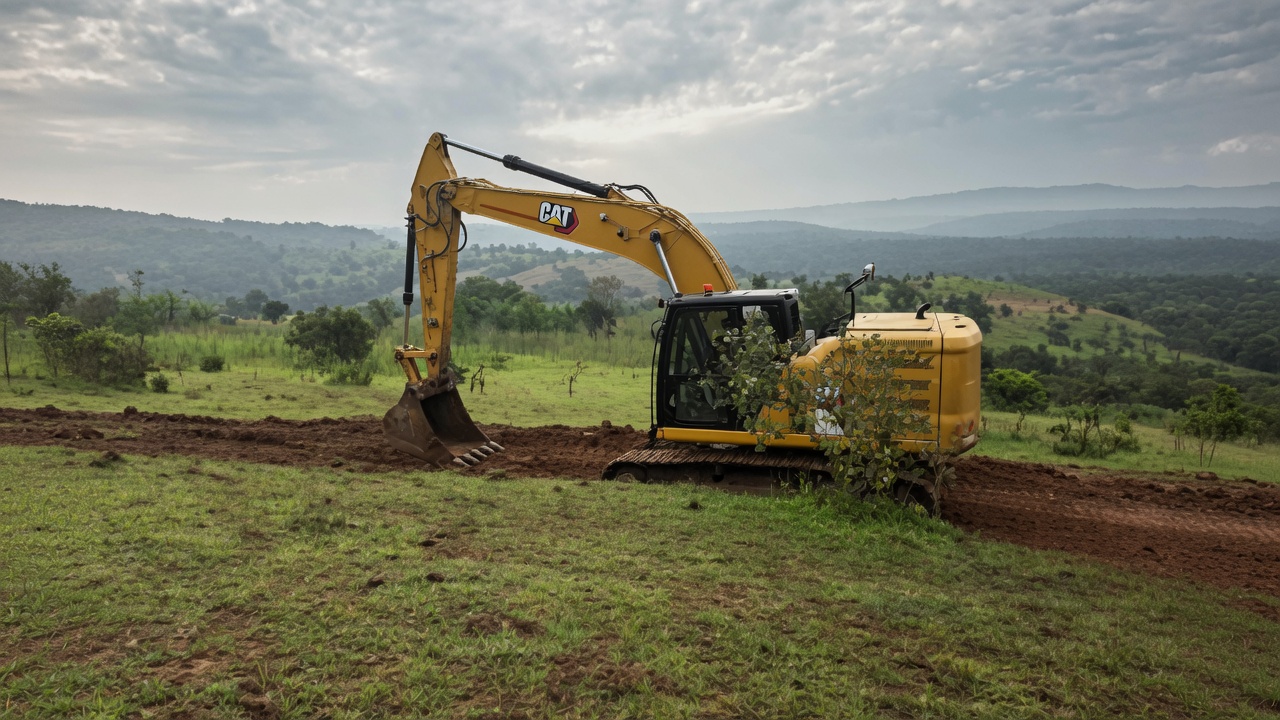
Geotechnical drilling commenced across underground and surface programs during 2025, providing the technical data inputs required for final engineering designs on underground mine infrastructure and surface layouts.
In March 2026, Lifezone signed a 14-month exclusivity agreement with the Government of Burundi over the Musongati nickel laterite project, located approximately 200 kilometers southwest of Kabanga within the East African Nickel Belt. The agreement provides Lifezone the right to assess the project using prior geological data, with full optionality and limited capital commitment. The Musongati deposit sits within the same geological alignment as Kabanga and carries a historical, non-compliant mineral resource estimate exceeding 150 million tonnes. The agreement does not alter the immediate FID priorities for Kabanga but extends the potential scope of Lifezone's East African nickel platform beyond the current flagship asset.
The Investment Thesis for Lifezone Metals
- The improvement in total net loss from US$47.1 million in 2024 to US$14.1 million in 2025, driven by disciplined rightsizing and a shift to milestone-focused capital deployment, demonstrates that Lifezone can manage its cost base effectively while technical, social, and permitting milestones continue to advance on the critical path.
- Combined liquidity of US$60.1 million at December 2025, supplemented by a subsequent March 2026 advance toward a second Taurus Mining Finance tranche of US$21.7 million, provides a funded runway through the pre-Final Investment Decision work program and into financing close without near-term dilutive equity issuance.
- Acquiring BHP's 17% interest in Kabanga Nickel Limited for deferred consideration tied to Final Investment Decision and production milestones preserved the cash position while consolidating 100% offtake control, a structural advantage in negotiations with development finance institutions and export credit agencies seeking western-aligned concentrate supply.
- An expected 60/40 debt-to-equity financing structure, grounded in Kabanga's high-grade economics and a pre-production capital requirement of US$942 million, indicates that the project's profitability supports substantial debt capacity relative to its development cost, as confirmed through multiple rounds of lender discussions.
- The Project Finance Pathfinder process led by Société Générale has reached the stage of appointed lender due diligence advisors with draft reports received, while the Standard Chartered-led equity partnership process has completed term sheet negotiations across major mining companies, sovereign investors, and private equity, reducing execution risk on both financing tracks ahead of the targeted late-2026 Final Investment Decision.
- Operational deliverables completed in 2025, including the environmental and social impact assessments aligned to International Finance Corporation Performance Standards, the Resettlement Action Plan finalization with 97% of cash compensation paid, and geotechnical drilling commencement, satisfy the conditions that development finance institution lenders require before project financing commitments are made.
The 2025 financial results mark the point at which Lifezone's expenditure profile shifted from exploration- and study-phase investment to execution-readiness spending. The loss reduction reflects that shift as much as it reflects cost discipline. As the company enters 2026 with a funded pre-Final Investment Decision work program, an advancing project financing process, and a strategic equity partner process in late-stage negotiation, the primary investor question is no longer whether the asset warrants development, but whether the financing close can be completed on a timeline consistent with the targeted late-2026 Final Investment Decision. The answer to that question will emerge through a sequence of discrete, observable milestones across the first and second halves of 2026.
TL;DR
Lifezone Metals narrowed its total net loss to US$14.1 million in 2025 from US$47.1 million in 2024, exiting the year with US$60.1 million in combined liquidity after deploying US$21.8 million at Kabanga for geotechnical drilling, completion of environmental and social impact assessments, and finalization of resettlement. The acquisition of BHP's 17% interest without immediate cash outlay consolidated 100% offtake control while preserving that liquidity. With a 60/40 debt-to-equity financing structure expected against a US$942 million pre-production capital requirement, lender due diligence advanced under the Société Générale-led process, and the Standard Chartered-led equity process, with term sheet negotiations complete, the primary investor question entering 2026 is whether financing close can be completed on a timeline consistent with the targeted late-2026 Final Investment Decision.
FAQs (AI-Generated)
Lifezone reported a total net loss of US$14.1 million for the year ended December 2025, compared to US$47.1 million in 2024, with basic and diluted loss per share falling from US$0.59 to US$0.17. The improvement was driven by a group-wide rightsizing program completed in the second quarter of 2025 and a reduction in net investing outflows from US$52.7 million to US$21.3 million.
At December 2025, the company held US$20.1 million in cash and US$40 million in undrawn capacity under the Taurus Mining Finance bridge loan facility, for a combined available liquidity of US$60.1 million. An additional US$5 million was drawn from the Taurus facility on March 2026, as an advance for a second utilization of US$21.7 million awaiting closing.
Lifezone acquired BHP's 17% equity interest in Kabanga Nickel Limited in July 2025 without any immediate cash outlay, increasing its effective ownership to 84% and securing 100% of offtake rights. The deferred consideration includes a US$10 million payment due 12 months after Final Investment Decision and a US$28 million payment due 12 months after first commercial production, indexed to Lifezone's reference share price.
Management expects a 60/40 debt-to-equity financing structure, based on discussions with lenders and supported by the project's high-grade reserve base and first-quartile cost position. Société Générale leads the project finance process, while Standard Chartered Bank manages the strategic equity partnership process, with term sheets negotiated and due diligence conducted across major mining companies, sovereign investors, and private equity.
The company completed the Kabanga environmental and social impact assessments to international standards, finalized the Resettlement Action Plan with 97% of cash compensation paid to project-affected households, and commenced underground and surface geotechnical drilling. Zero health, safety, environmental, or security incidents were recorded across more than 2.5 million hours worked at the Kabanga site.
Analyst's Notes





Subscribe to Our Channel

.png)


Stay Informed


