




Lifezone Metals Moves Kabanga Into Funded Execution Readiness Ahead of Late-2026 FID



Lifezone Metals files a feasibility study, raises $75 million, and begins early works at Kabanga as it targets a Final Investment Decision in late 2026.
- Lifezone Metals filed a feasibility study for its Kabanga Nickel Project in July 2025, declaring first-ever Proven and Probable Mineral Reserves of 52.2 million tonnes (100% project basis; 43.9 million tonnes attributable to Lifezone at 84%) at grades of 1.98% nickel, 0.27% copper, and 0.15% cobalt.
- The company raised $75 million in the second half of 2025, structured as a $60 million Taurus Mining Finance bridge facility and a $15 million equity raise from US investors, to fund the pre-Final Investment Decision (FID) work program.
- Lifezone acquired BHP's 17% equity interest in Kabanga Nickel Limited without an immediate cash outlay, increasing its ownership to 84% and securing 100% offtake control ahead of project finance negotiations.
- The feasibility study reports an after-tax net present value at an 8% discount rate (NPV8%) of $1.58 billion, an after-tax internal rate of return (IRR) of 23.3%, and all-in sustaining costs (AISC) of $3.36 per pound of payable nickel, placing Kabanga in the first quartile of the global nickel cost curve.
- Board approval has been secured for the execution readiness phase, with surface and underground geotechnical drilling underway and a late-2026 FID as the stated target.
Feasibility Study: Reserve Declaration & Project Economics
Before July 2025, Kabanga's investment case rested on exploration data and pre-feasibility economics. Filing the feasibility study changed the basis on which lenders and strategic partners engage with the project. Lifezone Metals declared Proven and Probable Mineral Reserves of 52.2 million tonnes at 1.98% nickel, 0.27% copper, and 0.15% cobalt, the project's first reserve declaration. The mine plan now defines an 18-year operation processing 3.4 million tonnes per annum, replacing resource-level estimates with a defined, bankable technical framework.
The project's economics are now stated in reserve-backed terms: an after-tax net present value at an 8% discount rate (NPV8%) of $1.58 billion, an after-tax internal rate of return (IRR) of 23.3%, and a pre-production capital requirement of $942 million. All-in sustaining costs (AISC) of $3.36 per pound of payable nickel, net of by-product credits, place Kabanga in the first quartile of the global nickel cost curve. That cost position reflects the operating leverage a high-grade sulfide deposit provides over a long mine life. Life-of-mine after-tax free cash flow is estimated at $4.6 billion on $14.1 billion in revenue, with payback in 4.5 years from first production using the feasibility study's long-term consensus pricing of $8.49 per pound of nickel, $4.30 per pound of copper, and $18.31 per pound of cobalt. These are the parameters against which lenders and prospective project finance partners now assess the project.
Bridge Capital Funds the Pre-FID Work Program
The $75 million raised in the second half of 2025 was structured to fund a defined set of pre-Final Investment Decision (FID) activities rather than general corporate purposes. Kabanga Nickel entered into a $60 million senior secured bridge loan facility with Taurus Mining Finance in August 2025; an equity raise with US investors contributed the remaining $15 million. At year-end 2025, Lifezone held $20.1 million in cash with $40 million of the Taurus facility undrawn. Total Kabanga-related investment spend in 2025 was $21.8 million.
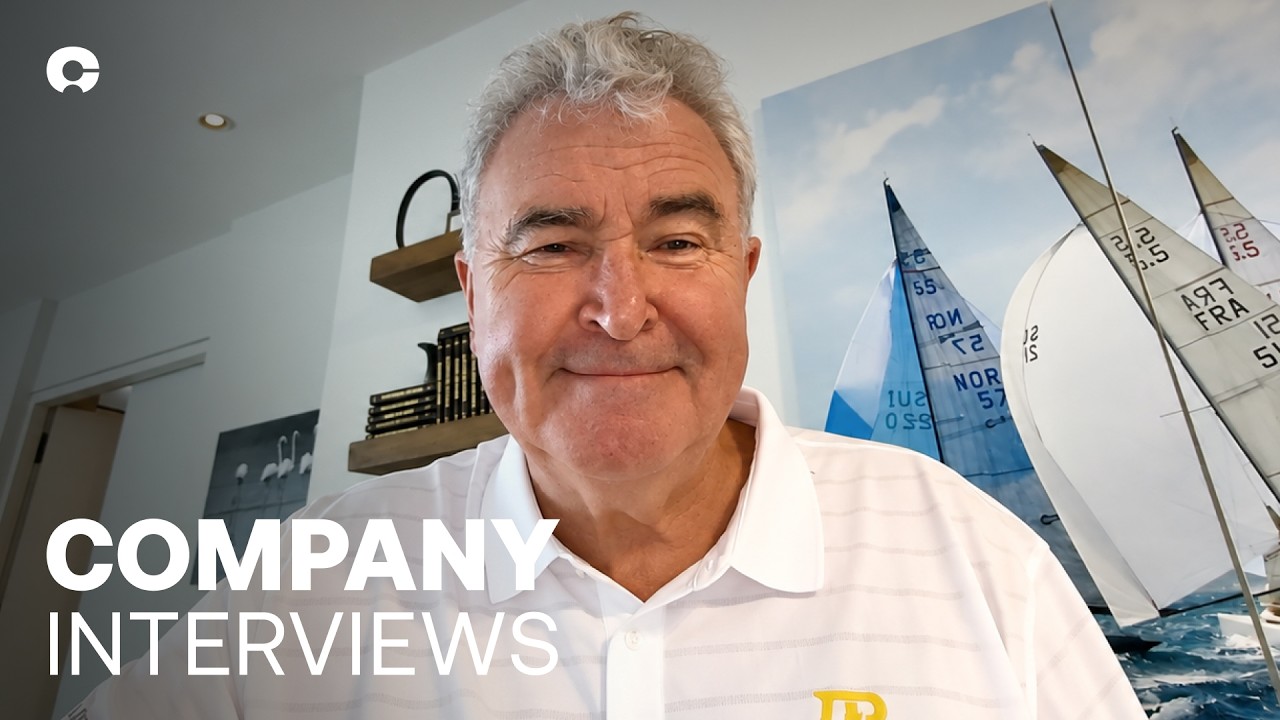
Chief Financial Officer of Lifezone Metals, Ingo Hofmaier, described what the Taurus facility is designed to cover:
"The Taurus facility is $60 million, and it's a bridge for the period between the feasibility study and the FID, probably a little bit beyond that. It funds the project financing process itself, but most importantly, any kind of execution readiness, early works, final engineering, and design work streams."
The capital position heading into 2026 is calibrated to carry the pre-FID work program through to a financing decision. That work program encompasses the geotechnical drilling now underway, commercial tender preparation, final engineering and design, and the project finance process itself. The funding structure removes near-term capital uncertainty from the critical path.
Risk Profile: From Geology to Execution
Kabanga's geological and technical parameters have been validated through a history of exploration and the reserve declaration embedded in the feasibility study. Management's current assessment is that the central uncertainties have shifted from the resource itself to the organizational requirements of building a mine.
Hofmaier described where the challenge now sits:
"The execution is now a different thing. This is really execution readiness: do you have the right engineers, do you have the right people that can make it?"
This shift in risk profile has direct implications for how progress is measured from here. Prior milestones were geological and technical: resource confidence, metallurgical test work, mine plan definition. The milestones ahead are organizational: engineering team composition, technical partner selection, final design completion, and financing structure. The Board's approval of the execution readiness phase marks the formal transition to this stage.
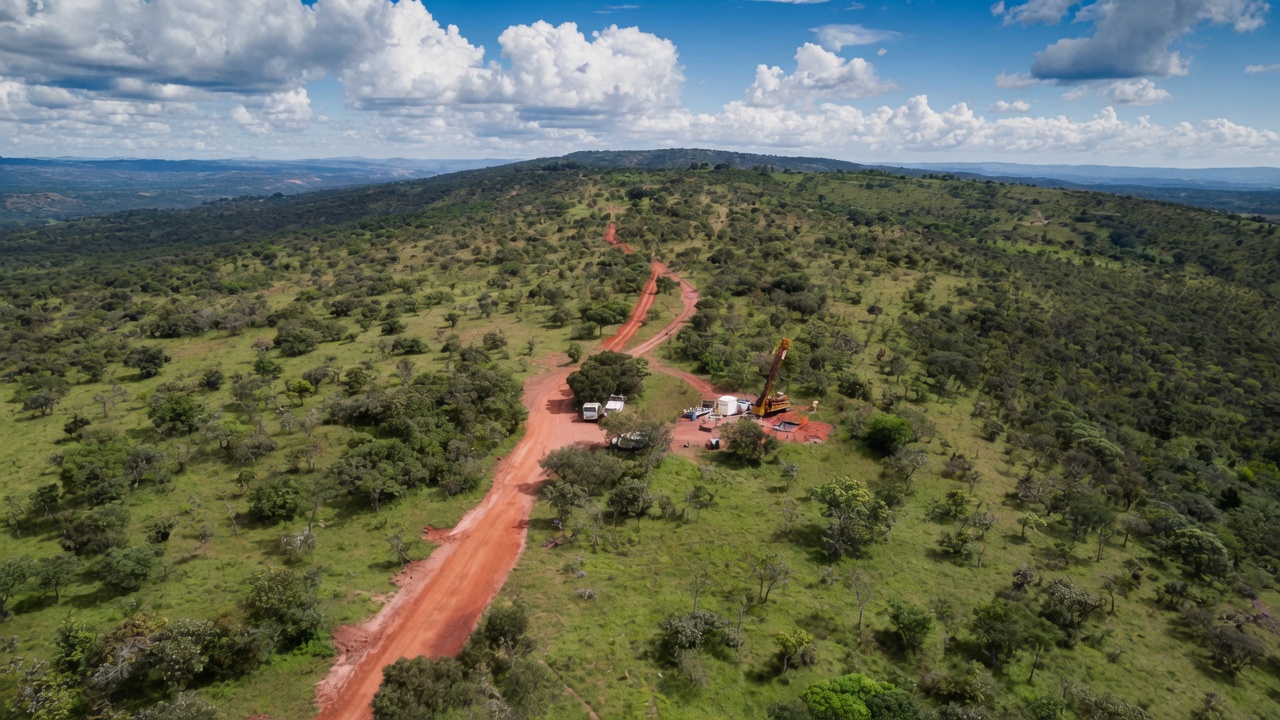
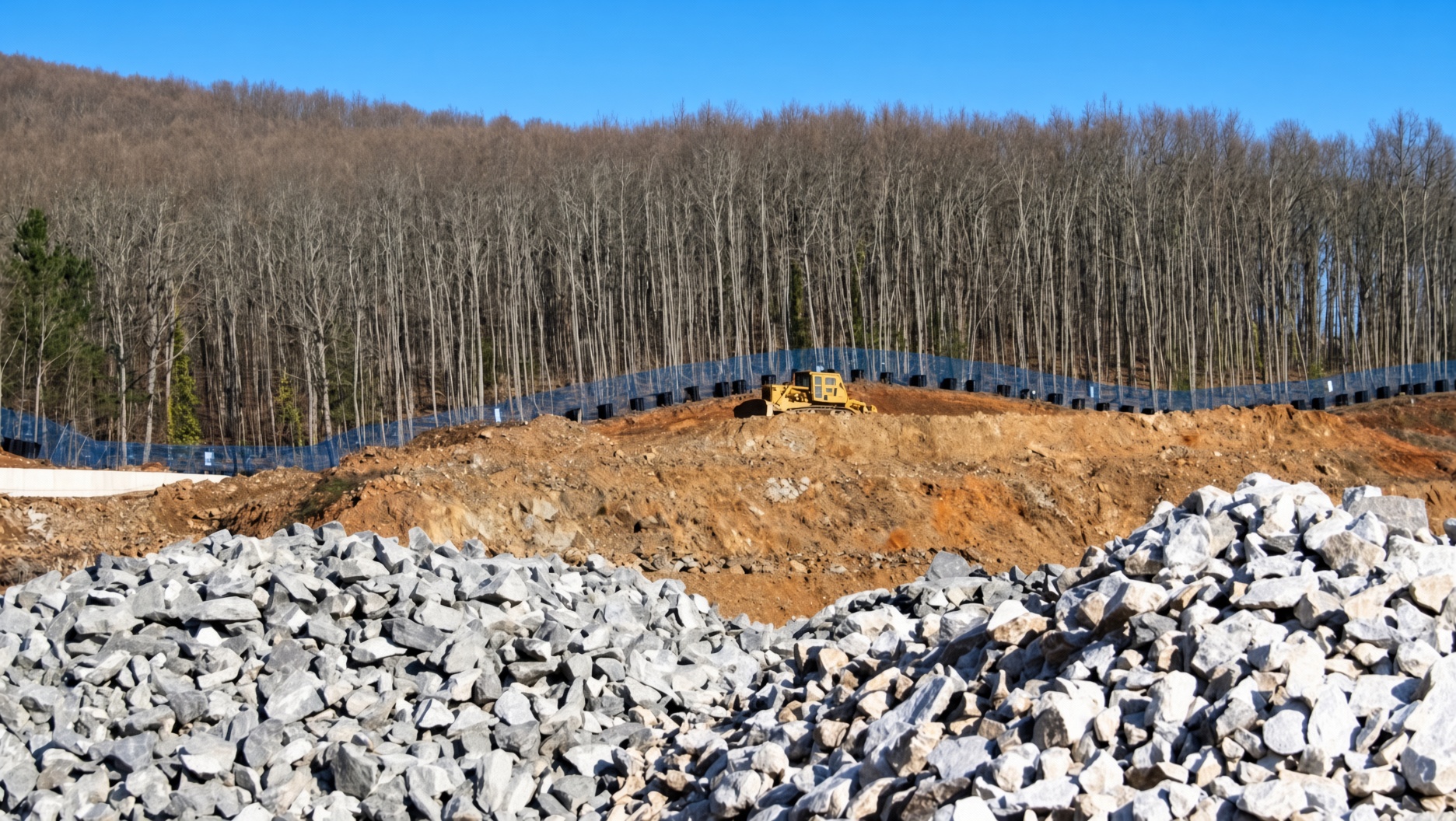
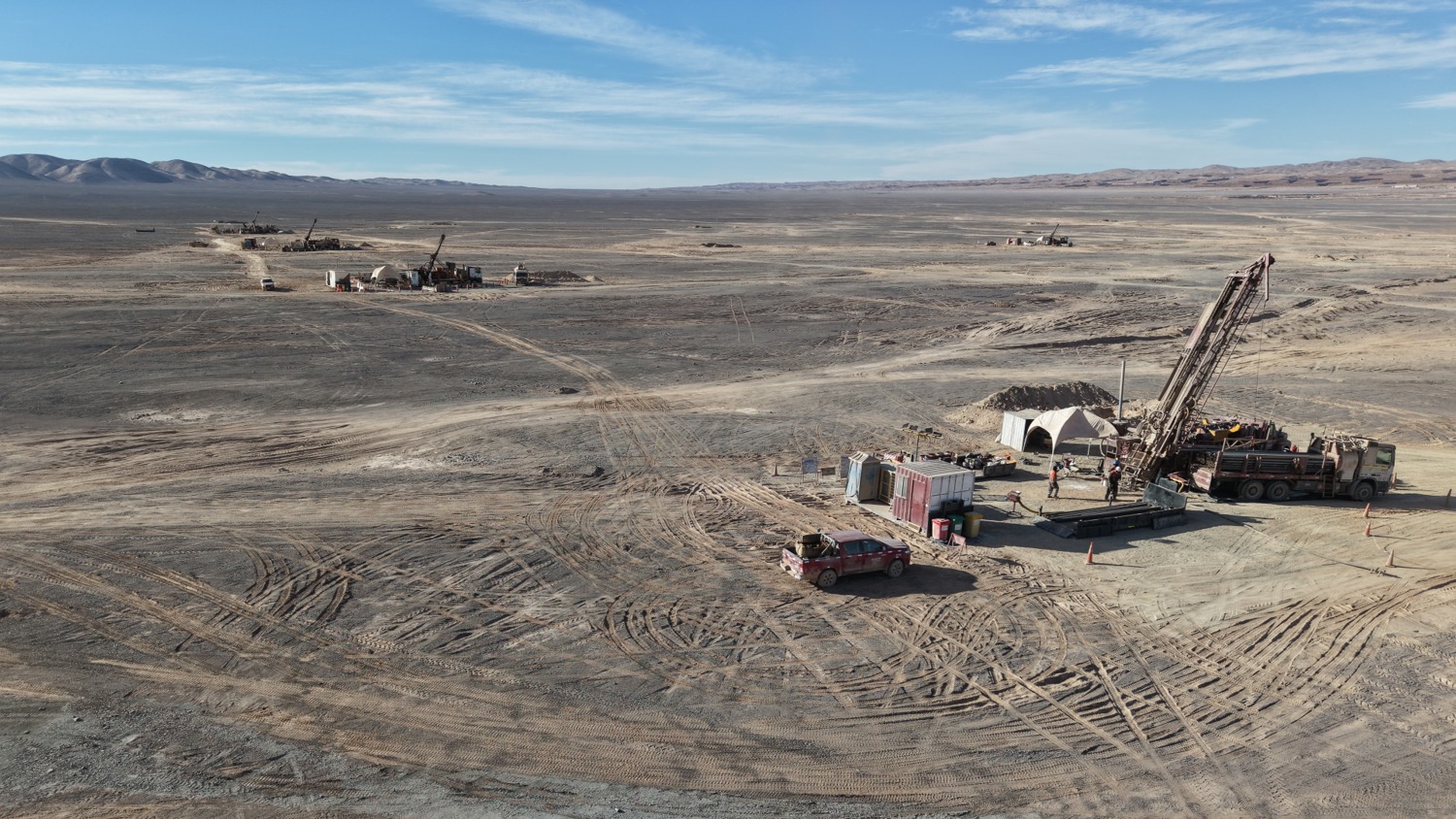
On the ground, early works are underway. Surface and underground geotechnical drilling contracts are in progress, and mobilization and site preparation have been completed. The Environmental and Social Impact Assessment (ESIA) and Resettlement Action Plan (RAP) are complete to both national and international standards, with 97% of cash compensation paid to project-affected households. The project has logged more than 2.5 million hours without a lost-time injury. Kabanga's site is connected to Tanzania's national grid with high power availability, which removes one common infrastructure risk in greenfield African development.
Ownership Consolidation & Offtake Control
Lifezone's acquisition of BHP's 17% equity interest in Kabanga Nickel Limited simplified the project's ownership structure without requiring an immediate cash outlay. Lifezone now holds 84% of the project. The Government of Tanzania retains a 16% free-carried interest. The transaction also consolidated 100% offtake control with Lifezone, a structurally important position as project finance discussions advance.
Export credit agencies (ECAs) and development finance institutions (DFIs) engaged in critical minerals financing typically require confirmed offtake arrangements before committing to debt packages. Unified offtake control removes a potential complication from those negotiations and provides clarity on where the project's production will be directed and who ultimately backs the associated revenue streams. That clarity is material to lenders assessing repayment capacity across an 18-year mine life. The project finance process is led by Société Générale, with active engagement from the US Development Finance Corporation (DFC) and Japan Oil, Gas and Metals National Corporation (JOGMEC). The expected capital structure targets approximately 60% debt and 40% equity.
The Path to Late-2026 FID
The work remaining before FID is defined: finalizing the joint financial model with Tanzania, securing the main project finance package, completing commercial tenders, and finishing final engineering and design. These are the conditions that will determine whether the late-2026 target holds.
Chief Executive Officer of Lifezone Metals, Chris Showalter, described the company's current position:
"With the successful completion of $75 million in capital raises in H2 2025, Lifezone has commenced execution readiness activities to advance and de-risk the project and prepare for project execution as we head towards the final investment decision."
As the project finance package is assembled, the financing structure will be tested against lender appetite and the terms of the financial model being finalized with Tanzania.
The Investment Thesis for Lifezone Metals
- Kabanga Nickel has entered the funded execution readiness phase, supported by first-ever Proven and Probable Mineral Reserves of 52.2 million tonnes (100% project basis; 43.9 million tonnes attributable to Lifezone at 84%), a filed feasibility study, and a Board-approved pre-Final Investment Decision work program with early works now underway.
- The project's after-tax net present value of $1.58 billion at an 8% discount rate and after-tax internal rate of return of 23.3%, underpinned by a first-quartile all-in sustaining cost position on the global nickel cost curve and an 18-year mine life, provide reserve-backed economics for lender and strategic partner engagement.
- The $75 million raised in the second half of 2025, structured as a Taurus Mining Finance bridge facility and a US investor equity raise, funds the pre-Final Investment Decision period through to the main project finance package, covering early works, final engineering, and the financing process itself.
- The acquisition of BHP's 17% equity interest without immediate cash outlay consolidated Lifezone's ownership to 84% and secured 100% offtake control, strengthening its position with the export credit agencies and development finance institutions engaged in the financing process.
- The project finance process is led by Société Générale, with engagement from the US Development Finance Corporation and Japan Oil, Gas and Metals National Corporation, toward a target capital structure of approximately 60% debt and 40% equity.
- The central risk has shifted from geology and technical feasibility to organizational execution, where engineering capability, technical partner selection, and final design completion now define progress toward the late-2026 Final Investment Decision.
Kabanga's reserve base and feasibility study economics have established the project's technical credibility. The current phase is narrower and more practical: converting that credibility into a financeable, executable build. Execution discipline into the late-2026 FID, not further study-stage validation, is now the measure of development progress.
TL;DR
Kabanga has moved from feasibility-stage validation into funded execution readiness. The July 2025 feasibility study declared first-ever Mineral Reserves of 52.2 million tonnes (100% project basis; 43.9 million tonnes attributable to Lifezone at 84%), with an after-tax NPV8% of $1.58 billion, a 23.3% after-tax IRR, and AISC of $3.36 per pound of payable nickel placing Kabanga in the first quartile of the global nickel cost curve. The $75 million raised in the second half of 2025, through the Taurus Mining Finance bridge facility and an equity raise, funds early works, final engineering, and the project finance process led by Société Générale. BHP's 17% stake was acquired without immediate cash outlay, lifting Lifezone's ownership to 84% and securing 100% offtake control. The remaining path to a late-2026 Final Investment Decision runs through the joint financial model with Tanzania, the main project finance package, and commercial tenders.
FAQs (AI-Generated)
Kabanga is a nickel sulfide development project located in Tanzania. The July 2025 feasibility study declared Proven and Probable Mineral Reserves of 52.2 million tonnes at grades of 1.98% nickel, 0.27% copper, and 0.15% cobalt, supporting an 18-year mine life processing 3.4 million tonnes per annum.
The FID is the formal commitment by a company's board and its financiers to proceed with full project construction. Lifezone is targeting a late-2026 FID at Kabanga, contingent on completing the joint financial model with Tanzania and securing the main project finance package.
Lifezone acquired BHP's 17% equity interest in Kabanga Nickel Limited without an immediate cash outlay, increasing its ownership to 84%. The Government of Tanzania retains a 16% free-carried interest, and the transaction transferred 100% offtake control to Lifezone, which is relevant to negotiations with export credit agencies and development finance institutions.
Lifezone raised $75 million in the second half of 2025 through a $60 million bridge facility from Taurus Mining Finance and a $15 million equity raise from US investors. This capital is specifically structured to fund pre-FID activities including early works, geotechnical drilling, final engineering and design, and the project finance process. The long-term capital structure is expected to be approximately 60% debt and 40% equity.
The feasibility study estimates all-in sustaining costs at $3.36 per pound of payable nickel, net of by-product credits, placing Kabanga in the first quartile of the global nickel cost curve. This cost position, driven by the deposit's high grades, supports margin resilience across nickel price cycles and underpins the debt capacity available within the project's financing structure.
Analyst's Notes





Subscribe to Our Channel




.jpg)


Stay Informed


