




Lifezone Metals' Kabanga Moves Toward Financing Reality: Why Execution Risk Now Matters More Than Geologic Risk



Kabanga shifts from geology to financing risk as Lifezone targets a 2026 FID, securing equity partners and MSP-backed funding for a high-grade nickel project.
- Kabanga's geological and metallurgical risk profile is now substantially resolved following completion of a bankable feasibility study (BFS), first-ever reserves declaration covering approximately 50 million tonnes grading 1.9 to 2.0% nickel, and 600,000 metres of drilling.
- Project financing, not geology or permitting, is the primary remaining valuation gate, with Societe Generale appointed on the debt side and Lifezone targeting a capital structure of approximately 60% debt to 40% equity on a total project cost of $950 million to $1.2 billion.
- BHP's July 2024 exit from its 17% Kabanga stake introduced equity sourcing as a critical-path dependency; the deferred consideration structure, $10 million due 12 months post-FID, plus $28 million indexed to share price, avoids near-term cash pressure but leaves the 40% equity component to be sourced.
- Tanzania's infrastructure investment, particularly the Standard Gauge Railway upgrade and stabilised hydropower grid running at 95 to 98% monthly availability, has materially reduced logistics and energy execution risks that previously elevated lender caution about the jurisdiction.
- A Final Investment Decision in the second half of 2026 is the primary valuation inflection point; the critical preceding milestones are equity partnership confirmation, debt mandate formalisation, EPCM contractor appointment, and Environmental and Social Management Plan (ESMP) approval.
Kabanga's De-Risking Progress: What Has Been Delivered
The completion of Kabanga's bankable feasibility study in July 2024 was more than a technical milestone. It was, as Lifezone Metals’ Chief Financial Officer described it, an entry into a new era, one defined by publicly available financial numbers, a formal reserves declaration, and a capital structure that lenders can model against independently verified project economics. Understanding what has genuinely been resolved is essential before assessing what remains.
Geological & Metallurgical Risk
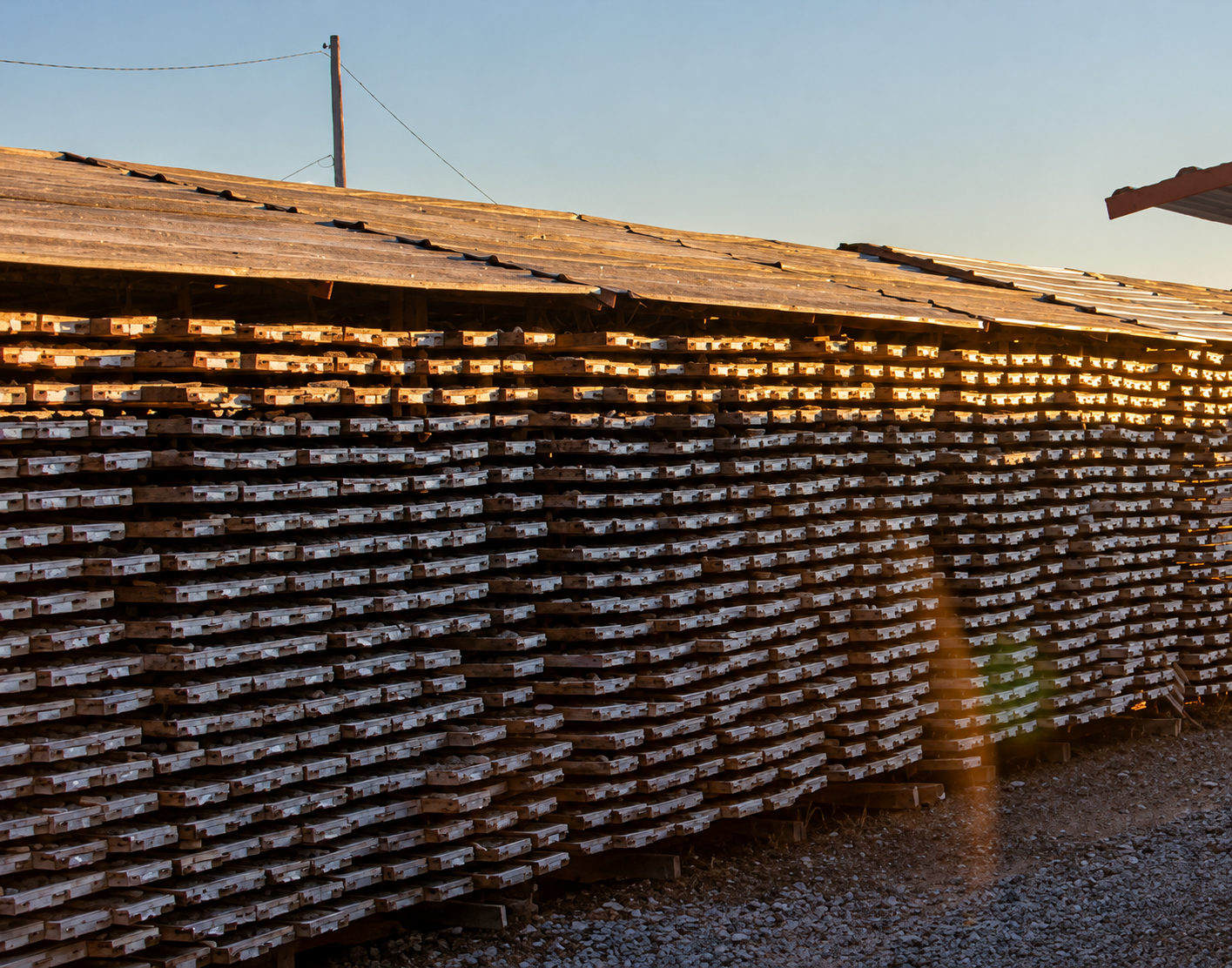
Kabanga’s resource base is supported by roughly 600,000 metres of drilling, providing unusually high geological confidence for a pre-construction asset. The feasibility study outlined first formal reserves of about 50 million tonnes grading 1.9 - 2.0% nickel, with economically meaningful copper and cobalt byproduct credits. This grade profile places the project in the first quartile of the global nickel cost curve.
All-in sustaining costs are estimated at $3.36 per pound net of byproduct credits. Even under price pressure from Indonesian supply growth, Kabanga maintains positive operating margins. Copper and cobalt revenues effectively lower the nickel cost floor, improving resilience compared with higher-cost laterite operations.
Lifezone’s hydrometallurgical processing further differentiates the project. As a sulfide deposit, Kabanga produces clean concentrate via conventional flotation, then processes it through a closed pressure-oxidation system that avoids atmospheric emissions and reduces sulfuric acid reliance. The result is a lower-emissions, traceable production pathway aligned with Western supply chain requirements.
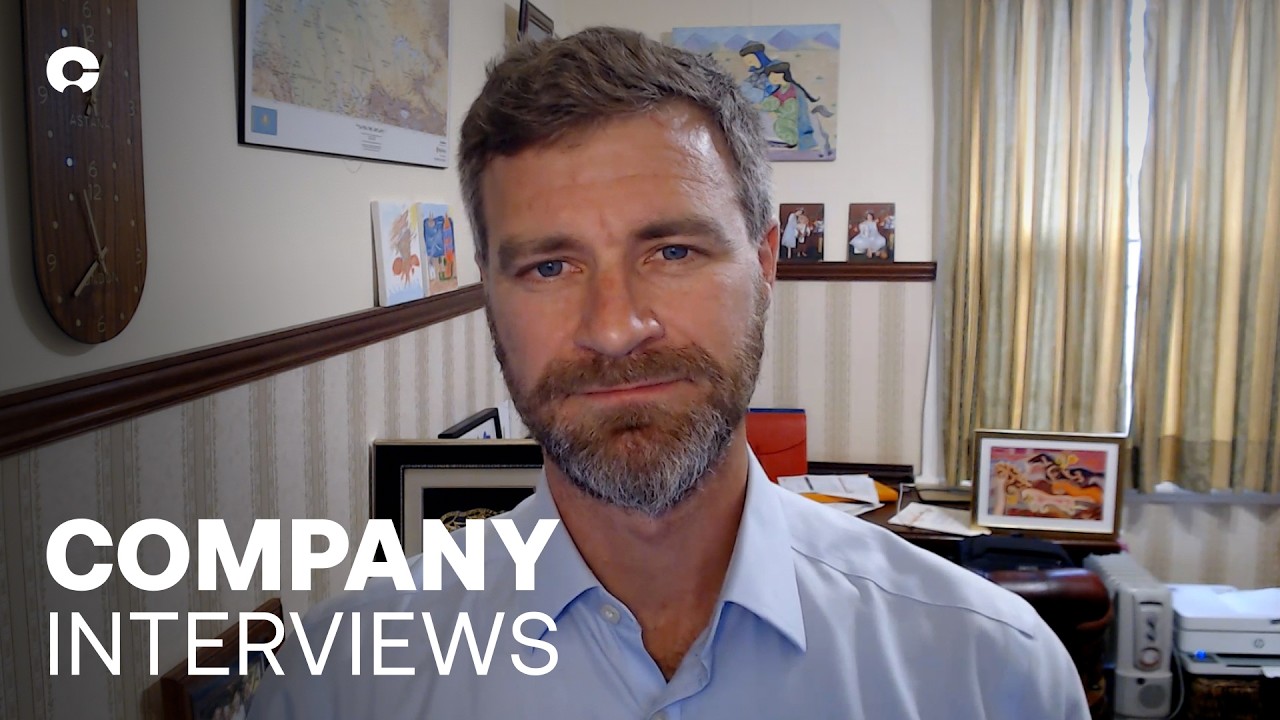
Ingo Hofmaier, Chief Financial Officer of Lifezone Metals, highlights the significance of the project’s financial transparency and milestone progress:
"For the first time, we now have financial numbers in the public space. You have a fully bankable study, you have reserves outlined, and it is now very clear how this high-grade deposit translates into financial returns. We entered a new era on July 18, when we released the feasibility study."
Infrastructure & Tanzania's Changing Risk Profile
Institutional concerns around African mining projects often focus on logistics and energy reliability. At Kabanga, these risks have been materially reduced through Tanzanian government infrastructure investment rather than company capital, an important distinction for lenders assessing sovereign and execution risk.
Upgrades to the national standard-gauge rail network improve bulk concentrate transport reliability and costs, while major hydropower additions have strengthened grid stability. Electricity availability of roughly 95-98% in recent months directly addresses concerns around downtime and costly backup power requirements.
Hofmaier emphasizes the infrastructure improvements that have materially reduced project risk:
"The game changer here, in terms of de-risking the project, was not the drilling. The upgrade of the railway network to a standard gauge is already underway, with the first stages complete. The country has had no electricity shortages in the past couple of years. We have achieved 95% to 98% availability every single month so far."
The Primary Execution Gate: Financing Coordination
The transition from feasibility study to Final Investment Decision introduces a different execution risk. Unlike geological risk, financing risk requires coordinating multiple institutions with separate due diligence, timelines, and ESG standards, the phase Kabanga has now entered.
Project Finance Structure & Capital Requirements
Total project capital is estimated at about $950 million in construction costs, or roughly $1.2 billion including capitalised operating and financing expenses during build-out. While credit markets remain selective for greenfield sub-Saharan African mining projects, Lifezone is targeting a 60% debt / 40% equity structure following lender engagement led by Societe Generale.
Debt capacity is supported by Kabanga’s high-grade economics and projected cash flows, but the ~$480-500 million equity component represents the key near-term execution challenge after BHP’s exit. Although BHP’s departure was portfolio-driven and structured to limit near-term cash pressure, it removed a cornerstone equity partner, making equity sourcing a critical path ahead of FID.
Ingo Hofmaier, Chief Financial Officer of Lifezone Metals, outlines the project’s financing structure and the importance of securing an equity partner ahead of FID:
"Because of the high grade and strong profitability, the project’s debt capacity is quite high. After several rounds of discussions with lenders, we currently expect it to be around 60-40. We will likely need to find some form of partnership again for the equity portion."
Export Credit Agencies, Development Finance Institutions & Strategic Capital
Lifezone is engaging with the US International Development Finance Corporation and Japan’s JOGMEC, signalling potential Minerals Security Partnership-aligned financing. While development finance institutions move slower than commercial lenders, they offer concessional terms, structural flexibility, and policy backing that can improve returns and attract co-lenders.
Strategically, Kabanga supports Western supply chain diversification as Indonesia’s nickel dominance approaches 75-80%, driving increased government interest across energy, defense, and industrial sectors.
Hofmaier highlights the project’s strategic relevance within global critical minerals policy discussions:
"We are in regular contact with European capitals, Washington, and Tokyo through the Minerals Security Partnership (MSP). There is a strong recognition in these places that this is a strategic asset."
The Bridge Facility & Execution Readiness
Lifezone secured a $60 million Taurus bridge facility in August 2024 to fund execution readiness between feasibility study completion and FID, including engineering, tendering, and early works. About $20 million has been drawn so far, with further access tied to finalising the Tanzanian government framework agreement.
The agreement renegotiation, focused on aligning the joint financial model, is now a key near-term milestone and a condition for the next facility drawdown, making it a critical financing dependency ahead of FID.
Permitting, Community Compliance & ESG Execution
Permitting completeness is a precondition for project financing. DFI and ECA lenders universally require full regulatory clearance before committing capital, and community resettlement compliance under IFC Performance Standards is a formal eligibility criterion for most institutional lenders in the development finance sector.
Resettlement Completion & IFC Performance Standards
Resettlement delays often derail African mining projects, but Kabanga’s compensation process is about 97% complete and aligned with IFC Performance Standards, a key requirement for development finance lenders, not just a reputational measure.
The Tanzanian government’s 16% stake has supported execution by aligning permitting and project timelines. Its long-standing investment agreement also provides the fiscal and regulatory certainty lenders need before committing long-term project debt.
Hofmaier underscores the Tanzanian government’s role in supporting project execution:
"The government has been an enabler of the project. From both a permitting and resettlement perspective, it has been excellent to have their support."
Outstanding Permits & ESMP Approval
Lifezone holds a life-of-mine licence, and management no longer views permitting as a material risk. The main remaining step is ESMP approval, which formalises operational compliance under the ESIA. While standard at this stage, approval is required before construction financing drawdowns, placing it on the near-term critical path.
Where Execution Risk Remains: A Balanced Assessment
Institutional analysis must focus on the execution risks that remain at this stage. The most significant is securing an equity partner on acceptable terms within the late-2026 FID timeline. Mining JV negotiations commonly take 12-24 months to reach binding agreements, creating potential schedule pressure.
EPCM contractor mobilisation is another key dependency. Underground mine development requires specialised contractors operating within defined mobilisation windows, and delays in equity closure can cascade into EPCM appointment timing. This, in turn, compresses procurement schedules for long-lead equipment and infrastructure. Multi-lender coordination across ECAs, DFIs, and commercial banks further adds complexity through separate ESG reviews and credit approvals.
Nickel price sensitivity remains primarily a financing risk. Lenders model conservative commodity price assumptions, and while Kabanga’s low AISC provides margin at current prices, downside testing reflects ongoing pressure from Indonesian supply growth and slower battery demand linked to LFP chemistry adoption.
The Investment Thesis for Lifezone Metals
- Kabanga's first-quartile all-in sustaining cost positioning of $3.36 per pound net of byproduct credits provides cost resilience across a range of nickel price scenarios, including the current compressed-price environment driven by Indonesian supply growth.
- Strategic alignment with MSP capital sources, including the US DFC and JOGMEC, provides access to concessional financing structures that reduce the cost of capital and improve project returns relative to purely commercial alternatives.
- Permitting completeness, with a life-of-mine mining licence held and resettlement approximately 97% complete under IFC Performance Standards, removes the most common source of African project delay from the near-term risk register.
- Tanzania's infrastructure improvements, standard gauge rail connectivity and 95 to 98% monthly power grid availability, reduce the logistics and energy execution risks that historically elevated development cost uncertainty for the jurisdiction.
- Western battery supply chain regulation and material traceability requirements create a structured demand premium for qualifying sulfide nickel sources that Indonesian mixed hydroxide precipitate cannot readily address under current regulatory frameworks, supporting long-term offtake marketability.
- Project financing closure ahead of FID represents the primary valuation inflection point: debt mandate confirmation and equity partnership announcement would materially reduce the probability-weighted discount that markets currently apply to a pre-FID asset.
The Kabanga Nickel Project has completed the transition from geological prospect to bankable development asset. The feasibility study, reserves declaration, permitting completeness, and infrastructure de-risking represent independently verifiable execution achievements that distinguish it from earlier-stage project narratives in the nickel sector.
What remains is a different form of execution: closing a multi-party project financing in a selective credit market, identifying an equity partner to replace BHP's stake, and maintaining contractor availability and schedule integrity through the period of financial negotiation. These are solvable problems with a defined sequence of milestones, but they involve coordination complexity and timeline uncertainty that geological de-risking work does not.
The late 2026 FID target is not improbable, but it is conditional on execution steps that remain outstanding. The investment case for Kabanga rests on whether that execution is delivered, and on the scale of Western government commitment, through MSP-aligned financing structures, to developing non-Indonesian sulfide nickel supply.
TL;DR
Kabanga has effectively transitioned from a geological story into a finance-execution story. Following completion of a bankable feasibility study, a first-ever reserves declaration supported by 600,000 metres of drilling, and major infrastructure improvements in Tanzania, geological, permitting, and logistics risks are largely resolved. The project’s high grade and first-quartile cost profile support strong debt capacity, with Lifezone Metals targeting a roughly 60% debt / 40% equity structure on a $950 million to $1.2 billion build cost. The primary remaining hurdle is securing an equity partner after BHP’s exit while coordinating complex multi-lender financing involving commercial banks, ECAs, and DFIs aligned with Western critical minerals policy. With resettlement nearly complete, permitting largely secured, and government support in place, the late-2026 Final Investment Decision now depends mainly on financing closure, ESMP approval, contractor mobilisation, and execution timing rather than technical feasibility.
FAQs (AI generated)
Most traditional development risks are largely addressed. Extensive drilling and a completed bankable feasibility study support high geological confidence, while a life-of-mine licence and resettlement nearing 97% completion reduce permitting risk. Government rail upgrades and stable power availability have also lowered logistics and energy concerns.
The remaining challenge is funding coordination rather than technical uncertainty. Lifezone targets a roughly 60% debt / 40% equity structure on a $950 million to $1.2 billion build cost, but securing an equity partner after BHP’s exit and aligning multiple lenders with separate ESG and credit processes creates timeline complexity.
Government investment in the Standard Gauge Railway and expanded hydropower has reduced historical concerns about transport and electricity reliability. Grid availability of about 95-98% and improved logistics lower operating risk and strengthen lender confidence.
Key steps include securing an equity partner, finalising debt mandates, obtaining ESMP approval, appointing EPCM contractors, and completing the Tanzanian government framework agreement needed for further bridge facility funding.
Kabanga offers a high-grade sulfide nickel source outside Indonesia’s dominant supply base. Alignment with Western critical minerals policy and engagement with DFIs such as the US DFC and JOGMEC could provide concessional financing while supporting traceable battery material supply chains.
Analyst's Notes





Subscribe to Our Channel

.png)

.png)



Stay Informed


