




Oil Price Fell on Deal Optimism While Asia's Storage Fails and Europe Is Four Weeks Out


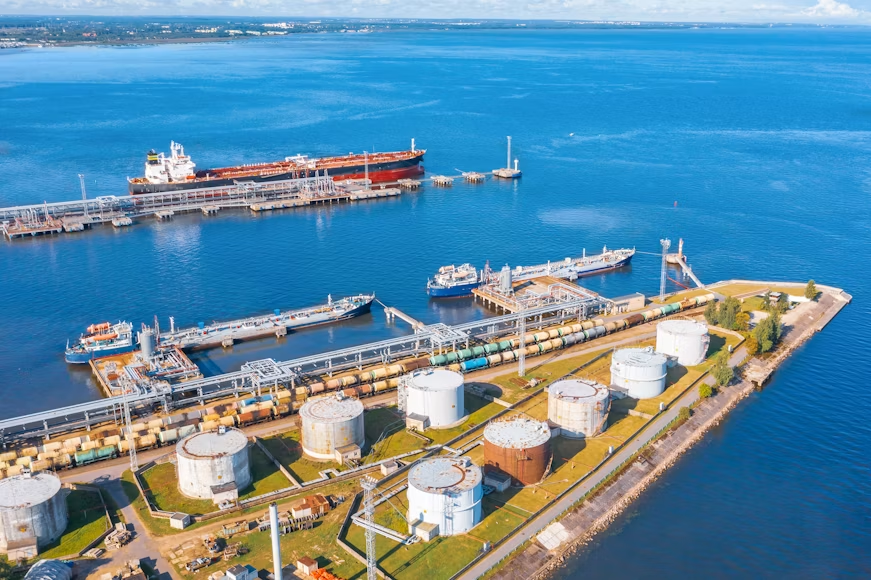
Brent fell 5% on Iran deal hopes, but no agreement signed. Asia at tank bottoms, Europe one month out. IEA's late-May reopening assumption has failed.
- Brent crude fell 5% to $97.61 per barrel on May 25, 2026, on US-Iran peace deal optimism, but Iran's foreign ministry stated it was not close to signing any agreement - Trump confirmed that the US blockade on Iranian ships would remain in full force and effect until an agreement is reached, certified, and signed, per Reuters.
- The IEA's base case, which shows inventory draws easing to 2.7 million barrels per day by September and beginning to rebuild, rests on a stated assumption that Hormuz reopens by late May. That deadline has now passed without a signed agreement.
- June inventory draws at 11.2 million barrels per day, 24% steeper than the IEA's peak estimate of 9 million barrels per day, implying a cumulative loss of approximately 1.2 billion barrels of global inventories if the closure persists.
- Jeff Currie, confirmed Asia is already at minimum operating levels, tank bottoms, and projects Europe faces the same condition within approximately one month, with US shortages materializing by July, per CNBC.
- Currie stated that Iran's negotiating leverage compounds every day as inventories fall, and that Tehran's position has never been stronger in the last 47 years, the same physical depletion that makes a deal urgent simultaneously strengthens Iran's incentive to delay signing.
Markets Sold Oil on a Tweet: The Physical Clock Has Not Paused
Brent crude dropped 5% to $91.65 and $98.30 and WTI fell 5.3% to $88.15 on May 25, 2026, after Trump stated on Saturday that a memorandum of understanding with Iran had been largely negotiated, with Pakistan reporting mediating progress. By Sunday, Trump posted on Truth Social that the US blockade on Iranian ships would remain in full force and effect until an agreement is reached, certified, and signed. Iran's foreign ministry confirmed conclusions on many topics but stated explicitly that this did not mean Tehran was close to signing. The 5% Brent move occurred on thin liquidity, US, Hong Kong, British and most European markets were closed for public holidays, amplifying a price signal that reflects optimism, not a deal.
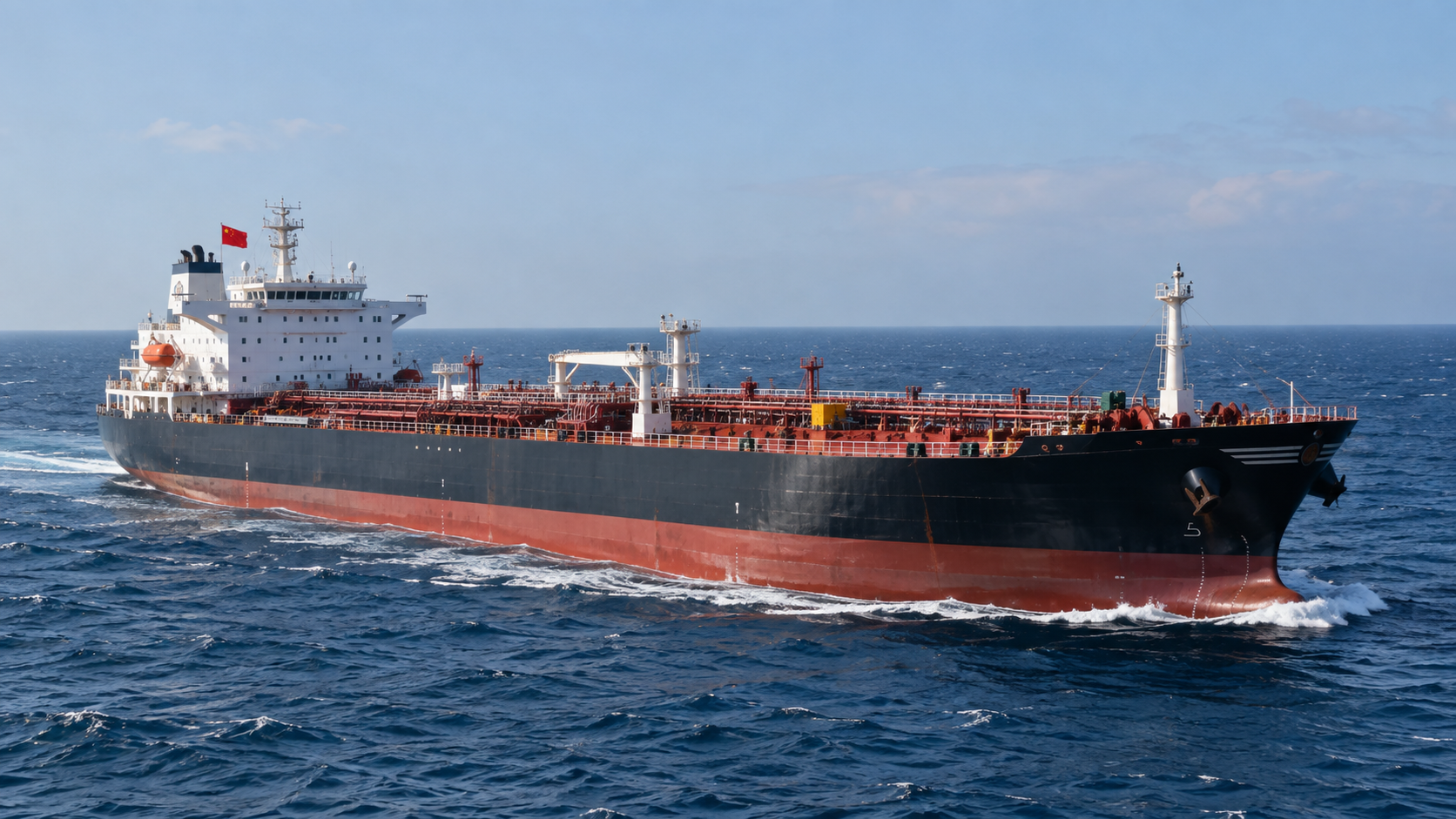
Brent had risen approximately 50% since the Iran war began to around $110 per barrel, built on a real physical shortage involving the loss of roughly 13 million barrels per day of supply through Hormuz, previously the conduit for one-fifth of global oil and gas supplies.
The IEA Stabilization Forecast Has a Named Assumption That Has Already Failed
The IEA's base case projects inventory draws peaking at approximately 9 million barrels per day in May before slowing to 2.7 million barrels per day by September, at which point inventories begin rebuilding. That trajectory rests on a single stated assumption: Hormuz reopens by late May and traffic resumes in June. Late May has arrived without a signed agreement. The IEA's September stabilization scenario is now contingent on a reopening that has not happened.
Independent analyst Paul Horsnell's parallel estimates are materially steeper: 11.2 million barrels per day drawn in June, a cumulative loss of approximately 1.2 billion barrels, according to Reuters Open Interest. At Horsnell's June rate, some commercial inventories could reach minimum operating levels as early as August. Weekly EIA data showed global draws accelerated from 5.27 million barrels per day in March to 8.62 million barrels per day in April.
Asia Is at Tank Bottoms; Europe Has One Month Before the Same Constraint
Jeff Currie confirmed at the UBS Wealth Conference in Singapore that Asia is at minimum operating levels, the thresholds below which storage systems can no longer function efficiently. Currie stated that Asia is already there, that Europe will face the same constraint in about one month, and that July will be a problem in the US.
Currie identified the mechanism keeping Europe insulated so far: US SPR drawdowns are being exported into Europe, masking a shortage that remains acute. That export flow cannot continue indefinitely, he noted.
Two outcomes define the next six weeks.
First: Hormuz remains closed without a certified signed agreement, Horsnell's 11.2-million-barrel-per-day June draw materializes, Europe reaches minimum operating levels in late June, and US shortages emerge in July.
Second: a signed Hormuz agreement triggers resumption of transit, but even in that scenario, Currie noted reopening would take time to normalize markets, with the 6-10 week physical shipping restart lag meaning supply relief does not arrive in the same week the deal is signed.
$90 Brent Moves Rate Bets: Minimum Operating Levels Move Industrial Output
If Brent drops towards $90, this would give risk assets renewed life as short-term inflation expectations fall and implied rate hike bets for 2027 are pared back. That $90 level is a financial market signal. Minimum operating levels are an industrial production signal, the first moves equity multiples and currency positioning; the second constrains refinery throughput, airline schedules, and manufacturing output directly.
The reversal condition for energy positions is Trump's own stated standard: an agreement that is reached, certified, and signed. Any announcement short of that language, including a partially negotiated MoU, does not reopen Hormuz, does not halt the inventory draw, and does not change Currie's one-month timeline for Europe.
Analyst's Notes





Subscribe to Our Channel



Stay Informed


