Mill Capacity Above 900 Tonnes a Day Reopens Serabi Gold's São Chico Case


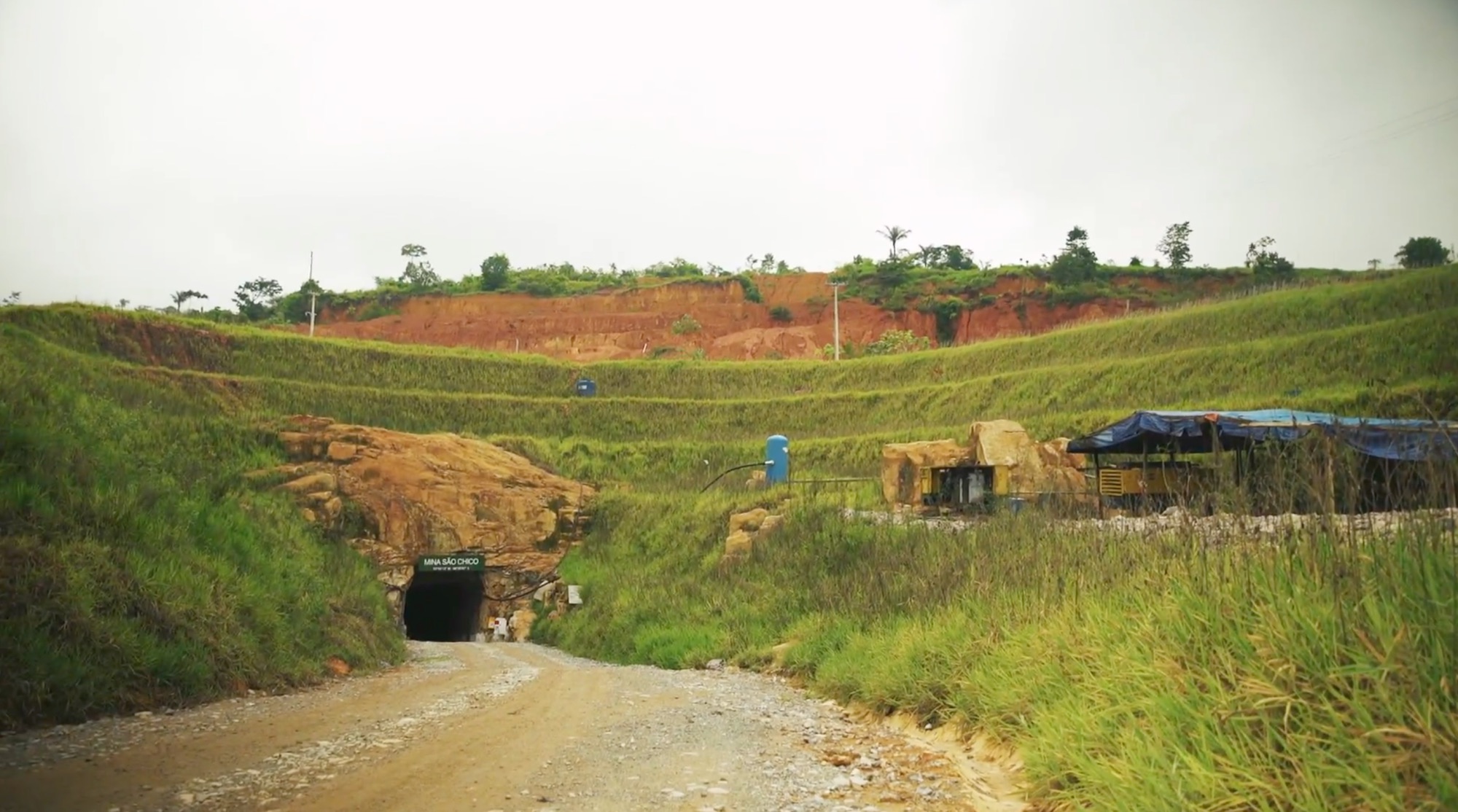
Palito's fourth ball mill lifts capacity above 900 tonnes per day, and Serabi Gold is assessing the potential to restart São Chico, idle since 2023.
- Serabi Gold is assessing the potential to restart São Chico, which has been on care and maintenance since 2023.
- The fourth ball mill at Palito raises plant capacity from 650 tonnes per day (tpd) to over 900 tpd.
- Previous processing constraints and ore unsuitable for ore sorting limited São Chico's economics.
- Any restart decision depends on the assessment and on renewal of São Chico's GUIA license.
- The added capacity is tied to Coringa's approvals, and Coringa's GUIA expires on January 29, 2027.
São Chico & the Restart Assessment
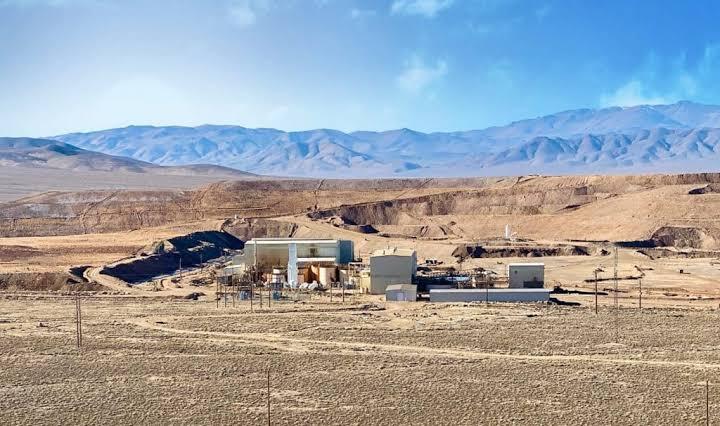
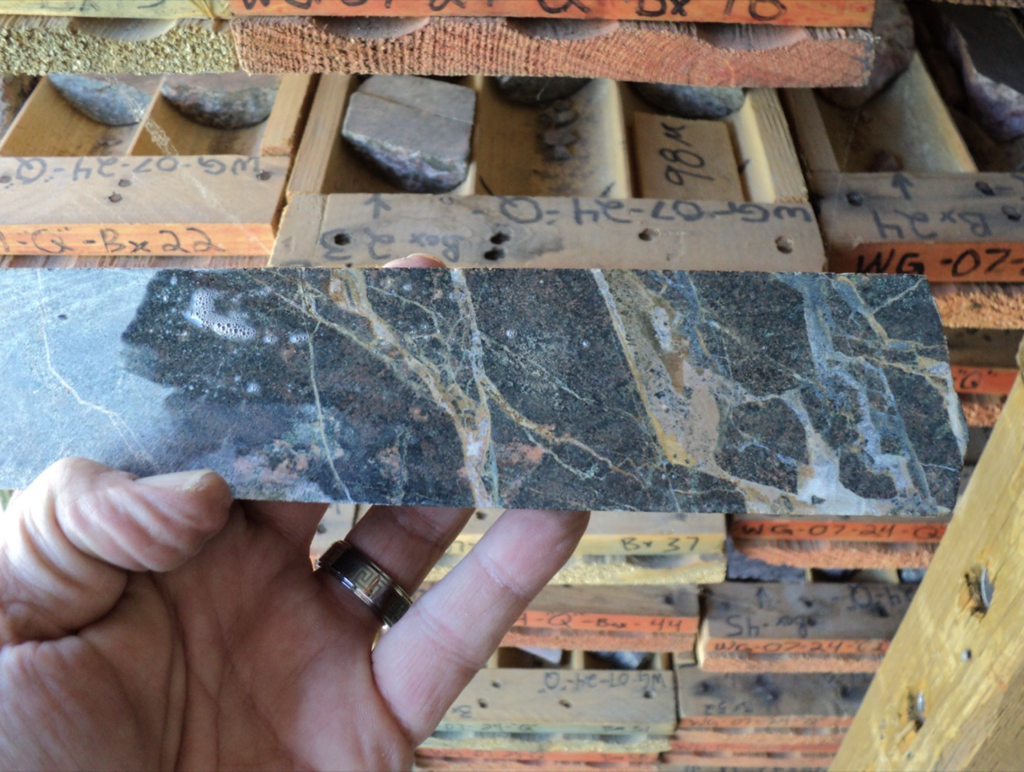
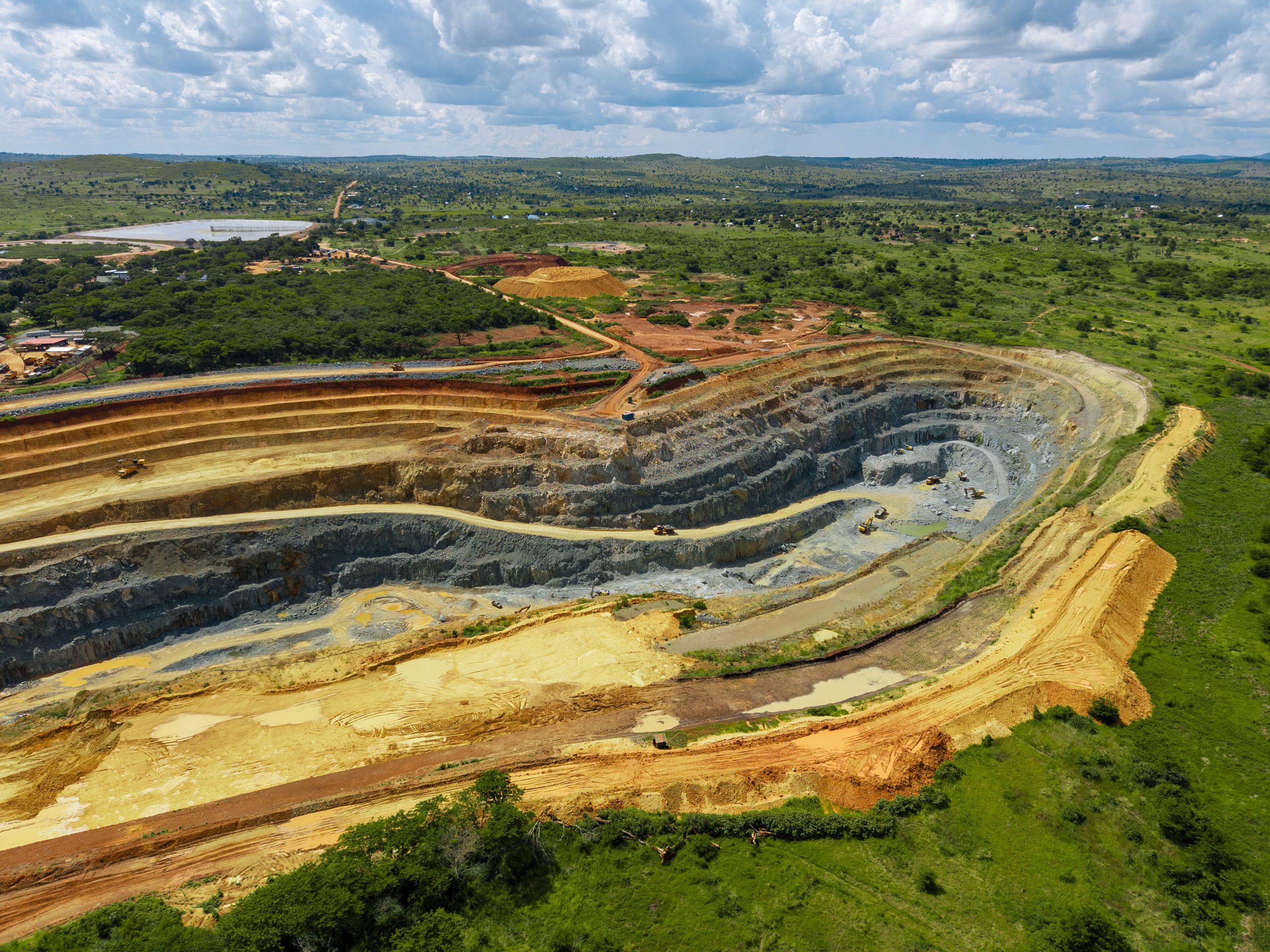
Serabi Gold (AIM: SRB | TSX: SBI | OTCQX: SRBIF) is assessing the potential to restart São Chico, a mine that has been on care and maintenance since 2023. The additional processing capacity from the fourth ball mill at the Palito Complex creates the potential to recommence mining there. The assessment includes resampling the existing surface stockpile and evaluating re-entry into the upper mine levels.
Any decision to recommence operations is subject to 2 conditions: completing the assessment and renewal of the São Chico GUIA, a trial mining license of the kind Serabi also holds at its Coringa mine.
Serabi places the São Chico assessment in the third phase of its growth plan, which covers expanding production capacity in 2027. The same phase carries the Palito plant expansion and an additional ball mill that remains dormant at Coringa.
Processing Constraints Behind the Shutdown
São Chico's earlier economics were set by how its ore could be treated. Previous processing constraints, together with the fact that São Chico ore is not suitable for ore sorting, limited the economic rationale for continuing operations at the mine. Ore sorting is a step that separates ore from waste rock before the material is hauled or milled.
Coringa's ore body, by contrast, is highly amenable to ore sorting, and the ore is crushed and sorted at the mine, then trucked about 200 kilometers by road to the Palito Complex. Paving of the federal highway connecting the 2 sites, an influx of available truck drivers, and that ore sorting together made the trucking economical. Coringa needs no tailings dam, and Serabi plans no stand-alone processing plant there.
Palito's own ore body is less amenable to ore sorting than Coringa's, because its veins show less contrast between ore and waste. Only low-grade development ore goes through the sorter at Palito, and it must be re-fed 3 to 4 times to achieve results.
Palito Plant Capacity After the Fourth Ball Mill
The fourth ball mill adds processing capacity at Palito, the plant that treats ore from both of Serabi's operating mines. Installation was completed on time and on budget, and the mill was in final commissioning as of October 21, 2026, increasing plant capacity from 650 tonnes per day (tpd) to over 900 tpd. Annual processing throughput rises to 330,000 tonnes (t) in 2027. In the third quarter of 2026, the plant treated 57,115 t of ore, against 57,122 t in the second quarter.
Without the expansion, the 650 tpd plant could support at most about 60,000 ounces (oz) per year. The added ball mill carried an estimated cost of US$5 million, and Serabi ranks the Palito plant expansion as the most economically viable option to expand production capacity.
Chief Executive Officer of Serabi Gold, Mike Hodgson, described what the work at both mines is meant to deliver:
"We've been focusing on resource growth across the 2 mines actually to maximize production, expand our plant."
Coringa Feed & the GUIA Tonnage Limit
The new capacity is tied to Coringa's licensing. The fourth ball mill provides the additional processing capacity to support increased production once the necessary Coringa approvals are secured.
Coringa operates under a 3-year GUIA that permits the transport of up to 100,000 t of ore a year to Palito, and it expires on January 29, 2027. By September 30, 2026, 85,602 t had been transported against the current annual allowance. Until that limit is increased or an operating license is granted, additional stockpiled material and newly mined ore at Coringa cannot be moved to Palito. Serabi is in discussions with Brazil's national mining agency about continuing operations under the GUIA, supported by a legal petition, while the operating license can be applied for only once 2 federal agencies give their outstanding approvals.
Hodgson placed the 2 mines' licensing positions side by side in July:
"We've got Palito fully permitted, and we're in the final stage of getting Coringa fully permitted, which has taken a long time, but we've got there."
The Coringa approvals were still outstanding as of October 21, 2026. Coringa produced 23,089 oz of the group's 34,057 oz in the first 9 months of 2026. Without the approvals, Serabi cannot deliver the increase in fourth-quarter 2026 production it had planned. Its 2026 gold production is now expected to be at similar levels to the 44,169 oz produced in 2025, compared with previous guidance of over 53,000 oz.
Decision Points for a São Chico Restart
Serabi frames the São Chico assessment in the current gold price environment. The company realized an average of US$4,687 per ounce of gold in the first half of 2026, compared with US$3,093 per ounce a year earlier. The second-quarter average was US$4,490 per ounce for gold, down from US$4,926 per ounce in the first quarter.
Serabi held US$63.2 million in cash as of September 30, 2026, and had no debt. It expects lower capital expenditures in 2027 after its 2026 development at Serra South and Galena. Cash at the end of September followed payment of a maiden dividend of US$5.1 million in July 2026, and a further US$3.4 million from September bullion sales arrived on October 1, 2026.
The guidance update expected with the third-quarter financial results in late November 2026 is the next scheduled opportunity for Serabi to update its 2026 production outlook.
The Investment Thesis for Serabi Gold
- Serabi Gold is assessing the potential to restart São Chico, which has been on care and maintenance since 2023.
- The fourth ball mill at the Palito Complex raises plant capacity from 650 tonnes per day to over 900 tonnes per day.
- São Chico ore is not suitable for ore sorting, and processing constraints limited the mine's economics before the expansion.
- Any restart decision depends on completing the assessment and renewing the São Chico GUIA license.
- The added capacity is tied to Coringa's approvals, and Coringa's GUIA expires on January 29, 2027.
- Serabi held US$63.2 million in cash as of September 30, 2026, and had no debt.
The fourth ball mill creates the potential to recommence mining at São Chico, a mine whose ore is not suitable for sorting and whose economics were constrained by processing limitations. Completing the assessment of the surface stockpile and the upper mine levels, and renewing the São Chico GUIA, are the 2 conditions set on any restart decision.
TL;DR
Serabi Gold is assessing the potential to restart São Chico, which has been on care and maintenance since 2023, now that the fourth ball mill has increased Palito's capacity from 650 tpd to over 900 tpd. Previous processing constraints, together with São Chico ore not being suitable for ore sorting, limited its economics. The added capacity is tied to Coringa's approvals, and Coringa's GUIA expires on January 29, 2027. Pending the assessment, which covers resampling the existing surface stockpile and evaluating re-entry into the upper mine levels, and renewal of the mine’s own GUIA, the added Palito capacity creates the potential to recommence mining at São Chico.
FAQs (AI-Generated)
Analyst's Notes





Subscribe to Our Channel





Stay Informed