




Trump-Xi Truce Talks Cannot Close the US Rare Earth Gap


Scarce dysprosium and terbium outside China reward permitted heavy rare earth producers, while light rare earth supply stays in surplus ahead of 10 January.
- Trump and Xi are expected to meet in Shenzhen on 19 November with a trade truce, including critical mineral export-control waivers, due to lapse in January.
- US rare earth magnet capacity was about 4,500 tonnes in 2025 against roughly 210,000 tonnes in China, per the IEA, and Chinese licensing on seven medium and heavy rare earths sits outside the pause.
- Ex-China dysprosium oxide reached 16.3 times the China price at end-September, while ex-China NdPr fell below the $110/kg US floor price, per Benchmark.
- US price floors cover named contracts only, and many US mine, refinery and magnet projects are targeting output from 2028 into the 2030s.
- The end-June dysprosium multiple of 6.8 times is the level Benchmark's next quarterly review measures the ex-China premium against.
Truce Waivers Keep Chinese Magnets Flowing but Leave US Output Far Behind
US President Donald Trump meets Chinese President Xi Jinping at the Asia-Pacific Economic Cooperation summit in Shenzhen on 19 November, with both sides weighing an extension of a trade truce due to expire in January, Reuters reported on 15 November. The truce carries export-control waivers for some critical minerals, and China's Ministry of Commerce on 9 November extended its suspension of the October 2025 rare earth measures to 10 January 2027, The National reported.
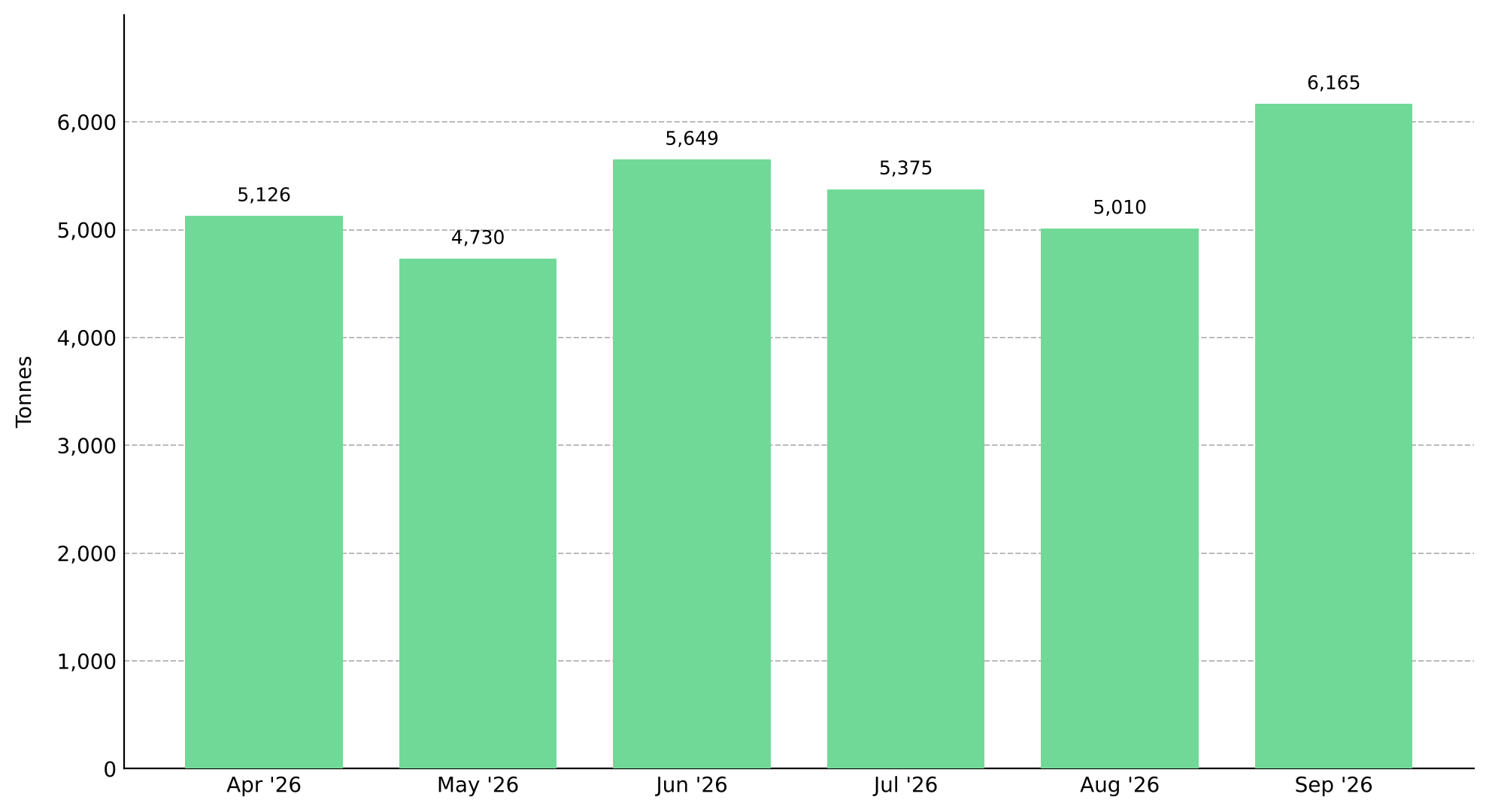
The waivers move material, not production. US capacity for neodymium-iron-boron (NdFeB) magnets, used in electric vehicle motors and weapons, was about 4,500 tonnes in 2025 against roughly 210,000 tonnes in China, per International Energy Agency figures cited by Reuters. China exported 6,165 tonnes of magnets in September alone, per customs data compiled by Shanghai Metals Market (SMM), more than a full year of US manufacturing capacity.
Heavy Rare Earth Licensing Outlasts the Truce and Keeps Supply Tight Outside China
The bottleneck sits downstream of the mine. China spent decades building the separation, refining and magnet plants needed to turn ore into components, while new US mines and refineries need a decade or more to come online, Reuters reported. A $7.4 billion Korea Zinc-backed refinery in Tennessee is targeting a 2030 start, and Vulcan Elements' North Carolina magnets still await customer approval.
The truce pauses the October 2025 regime, including a license requirement on products made abroad with Chinese-origin rare earths, according to USA Rare Earth's third-quarter 2026 SEC filing. Licensing on seven medium and heavy rare earths, in place since April 2025, continues, according to the Foundation for Defense of Democracies’ map of China’s export controls. Beijing applies the license selectively: customs data reviewed by Reuters showed no terbium or dysprosium oxide exports to Japan from November 2025 to May 2026. Victor Gao, Vice President of the Center for China and Globalization, said Beijing would tighten rare earth controls if Washington widened chip curbs, the South China Morning Post reported on 13 November.
Permit Delays Hold the Ex-China Dysprosium Premium Past the January Deadline
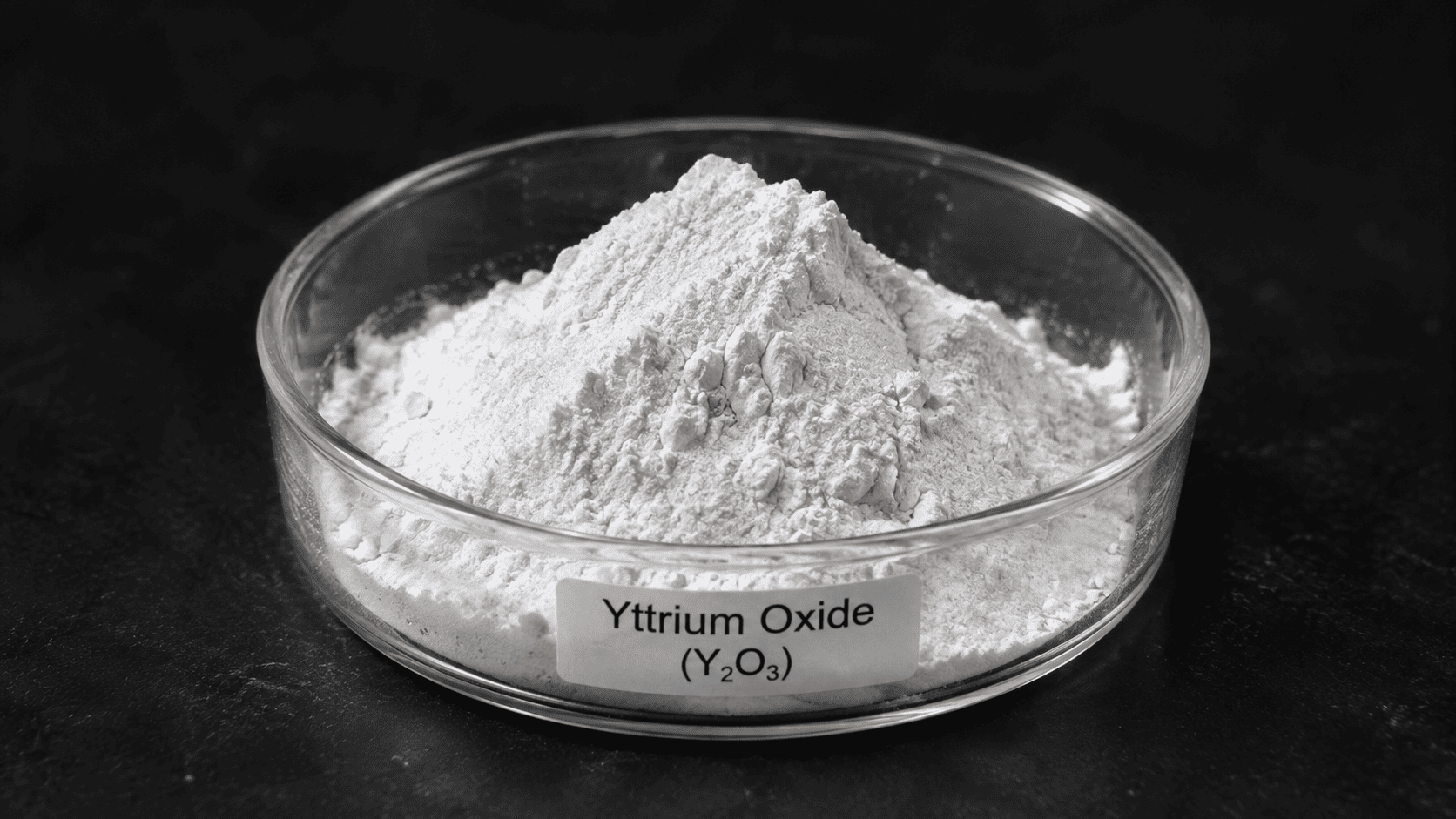
Benchmark Mineral Intelligence's Q3 2026 review put dysprosium oxide delivered into Europe at 16.3 times the China price, up from 6.8 times at end-June. Samir Kapadia, Head of Trade at advisory firm Vogel Group, told Reuters why new supply lags:
"Right now there are more PowerPoint decks than permits, so the question is how many of these projects exist only in PDF form and how many are shovel-ready."
If Shenzhen extends the truce past 10 January, magnet flows continue while heavy rare earth licensing holds the ex-China dysprosium and terbium premium. If Washington widens chip curbs and Beijing lets the suspension lapse, licensing reaches magnets made abroad with Chinese feed, and the premium spreads into US magnet supply, where domestic capacity covers less than one month of Chinese exports.
China's customs breakdown of magnet exports, published around the 20th of each month, shows which path is running. The horizon is 10 January 2027. The reversal trigger is the ex-China dysprosium multiple falling back to 6.8 times in Benchmark's next quarterly review, signaling Chinese heavy rare earths reaching Western buyers and the premium leaving ex-China producers.
Oversupplied Light Rare Earths and Scarce Heavy Rare Earths Split Producer Returns
Makers of motors, defense systems and robotics carry cost and delivery risk on heavy rare earths under Chinese licenses. Ex-China light rare earth producers face oversupply: Benchmark reported in August that ex-China neodymium-praseodymium (NdPr) oxide fell below the $110/kg US Department of Defense floor, which protects only the MP Materials and Lynas Rare Earths NdPr contracts. Benchmark’s September review showed ex-China NdPr recovering to US$106,500/t, still below the floor, with the surplus stabilizing until Western magnet makers lift demand.
The test separating holders who capture the premium from holders who only watch it is whether an asset produces separated dysprosium and terbium, holds permits and has a funded start date.
Positioning around 19 November or 10 January bets on a political decision, not supply. A retail portfolio of pre-permit rare earth developers carries the full downside if the premium narrows or funding stalls, and thin liquidity makes exits costly. Exposure spread across producers with dated output limits loss from either outcome.
Permitted Capacity Holds the Value a Trade Deal Cannot Deliver
Cheap ex-China NdPr carries its own upside. Prices below the US floor deter weaker light rare earth projects, leaving a thinner pipeline once Western magnet makers buy feed in volume.
A summit can extend license waivers; it cannot build separation plants. The Shenzhen talks set how much Chinese material reaches Western buyers over the next two months, not whether the US can make its own magnets, and the ex-China heavy rare earth premium already prices the gap.
Value has moved to permitted, funded heavy rare earth separation and magnet capacity outside China, and away from light rare earth volume and study-stage projects. Policy support and the heavy rare earth premium should belong in valuations as revenue drivers.
Analyst's Notes





Subscribe to Our Channel






Stay Informed


