i-80 Gold Lone Tree Restart to Cut Costs, 2027 Key Studies Support Nevada Growth


i-80 Gold CEO Richard Young on Lone Tree’s $1,500/oz cost cut, Granite Creek reserves, Archimedes heap leaching & a 200,000 oz exit rate.
- i-80 Gold is targeting commissioning of its Lone Tree autoclave plant in late 2027, which management says will cut processing costs by about $1,500 per ounce.
- Granite Creek Underground declared an initial reserve of 556,500 ounces at 7.87 g/t gold, and management anticipates its mine life reaching 15 to 25 years.
- Heap leaching Archimedes oxide ore on existing Ruby Hill pads costs about $10 to $15 per ton, compared with about $150 per ton for refractory processing.
- The roughly $1 billion Mineral Point build is factored into recapitalization, with a planned revolving credit facility as backup liquidity without further dilution.
Gold’s move higher has drawn more investors to the sector as the market better understands gold’s role and its supply & demand fundamentals. For i-80 Gold Corp. (TSX:IAU), the question is execution in northern Nevada, where the company is building a processing hub and 2 underground mines at the same time. Speaking in Zurich, Richard Young said both builds are on schedule and largely on budget, and that the company is fully funded for its growth plan.
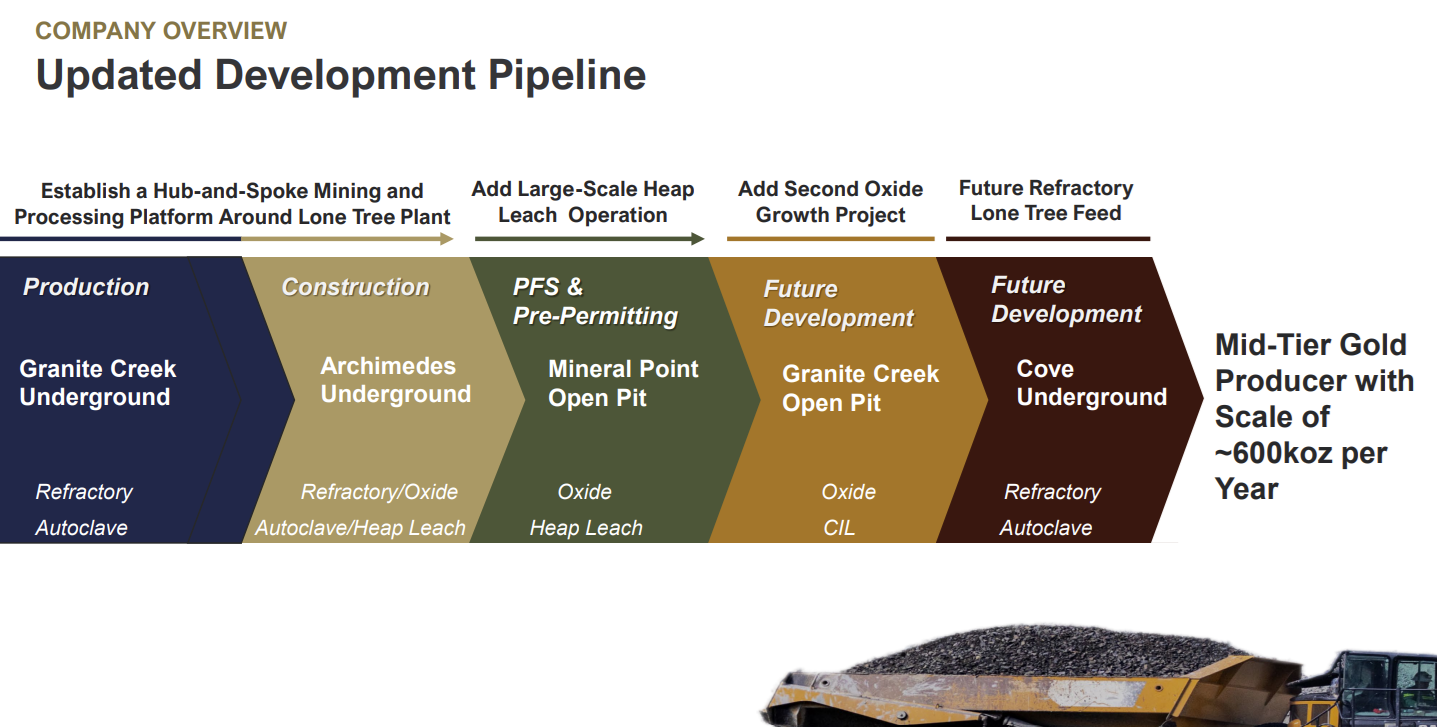
i-80 currently produces between 40,000 and 50,000 ounces (oz) of gold a year at high cost because its refractory ore goes to a third-party toll mill. The company is targeting 150,000 to 200,000 oz a year in 2028, 400,000-500,000 oz in the early 2030s, and more than 600,000 oz by the mid-2030s. Young said i-80 is targeting an annual rate of roughly 175,000 to 200,000 oz as it exits 2027, with the Lone Tree plant restarted and the second underground mine ramped up.
Lone Tree & the End of Toll Milling
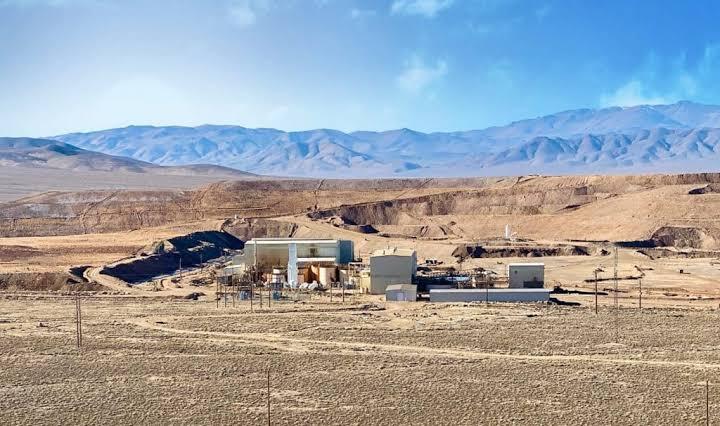
The Lone Tree plant refurbishment is i-80’s largest project, with a budget of $430 million including capital spares. Work began in the third quarter of 2025. Young said the company is about 80% of the way through procurement and trending around 1% below budget on that portion. Commissioning is targeted for late 2027.
Lone Tree has both an autoclave and a carbon-in-leach circuit. President & Chief Executive Officer of i-80 Gold, Richard Young, explained why owning that capacity changes the company’s cost position:
“We’re one of two companies in Nevada with permitted autoclave technology or facilities. We’re refurbishing that facility and what that does for us is it drops our processing costs by about $1,500 an ounce. That's in large part how we move from a higher cost to a an average cost producer”
Young described the toll milling agreement as helpful but not a long-term source of value for shareholders. He estimated long-term all-in sustaining cost (AISC) at about $2,000/oz for the underground mines and about $1,500/oz for the open pits, for a conservative blended figure of roughly $1,750/oz.
Granite Creek: Water Fixed, Reserves Declared
Granite Creek Underground is the producing mine. When the current management team joined 2 years ago, water inflows were hampering the operation. After a hydrogeologic study, i-80 is commissioning 2 additional dewatering wells and a water treatment plant in the fourth quarter of 2026. Lowering the water table below the workings is designed to support a higher mining rate.
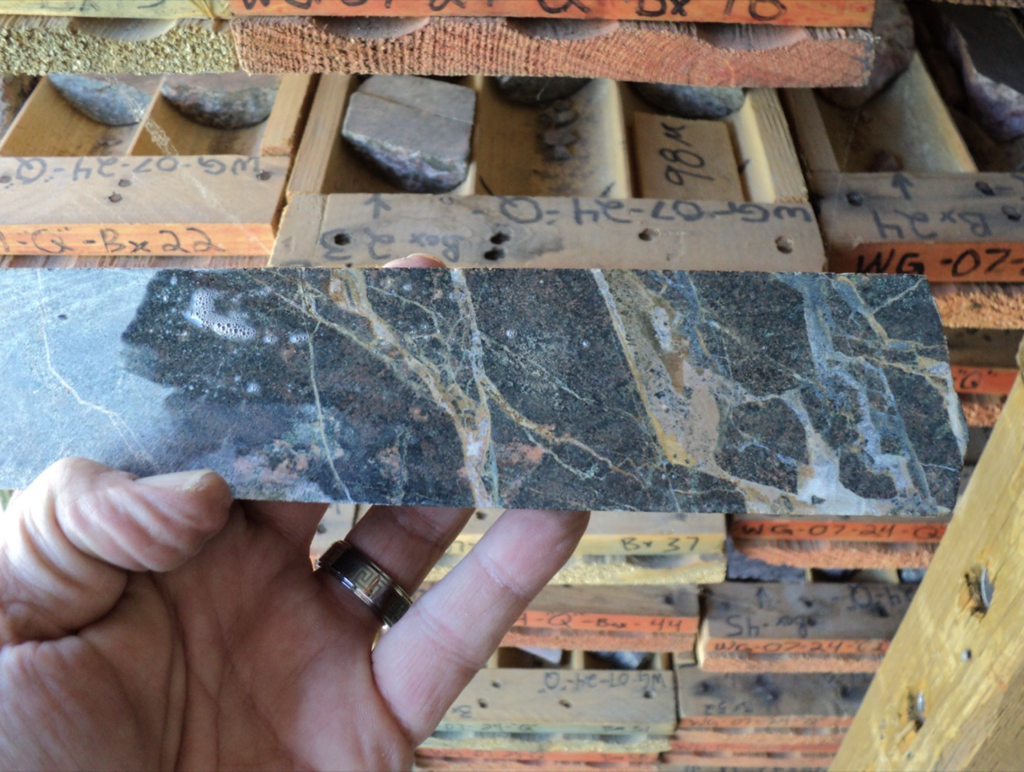
The September 2026 feasibility study (FS) declared an initial reserve of 556,500 oz at 7.87 grams per tonne (g/t) gold and an 8.5-year mine life. It supports a ramp from 30,000 to 40,000 oz a year today to about 75,000 oz over the next 12 months. AISC for 2028 to 2032 is estimated at $1,915/oz, excluding Lone Tree refurbishment capital, at a $2,750/oz gold price. Young said he anticipates a figure closer to $2,000/oz at current gold prices.
The preliminary economic assessment (PEA) a year earlier used most of a roughly 575,000 oz resource. After what Young called a modest drill programme, he said i-80 converted those resources into reserves and roughly doubled the resource. The study shows measured & indicated (M&I) resources of 859,500 oz, up 229% from the PEA. On that basis, Young said he anticipates Granite Creek’s mine life reaching 15 to 25 years, well beyond the 8.5 years in the study.
Archimedes & the Heap Leach Option
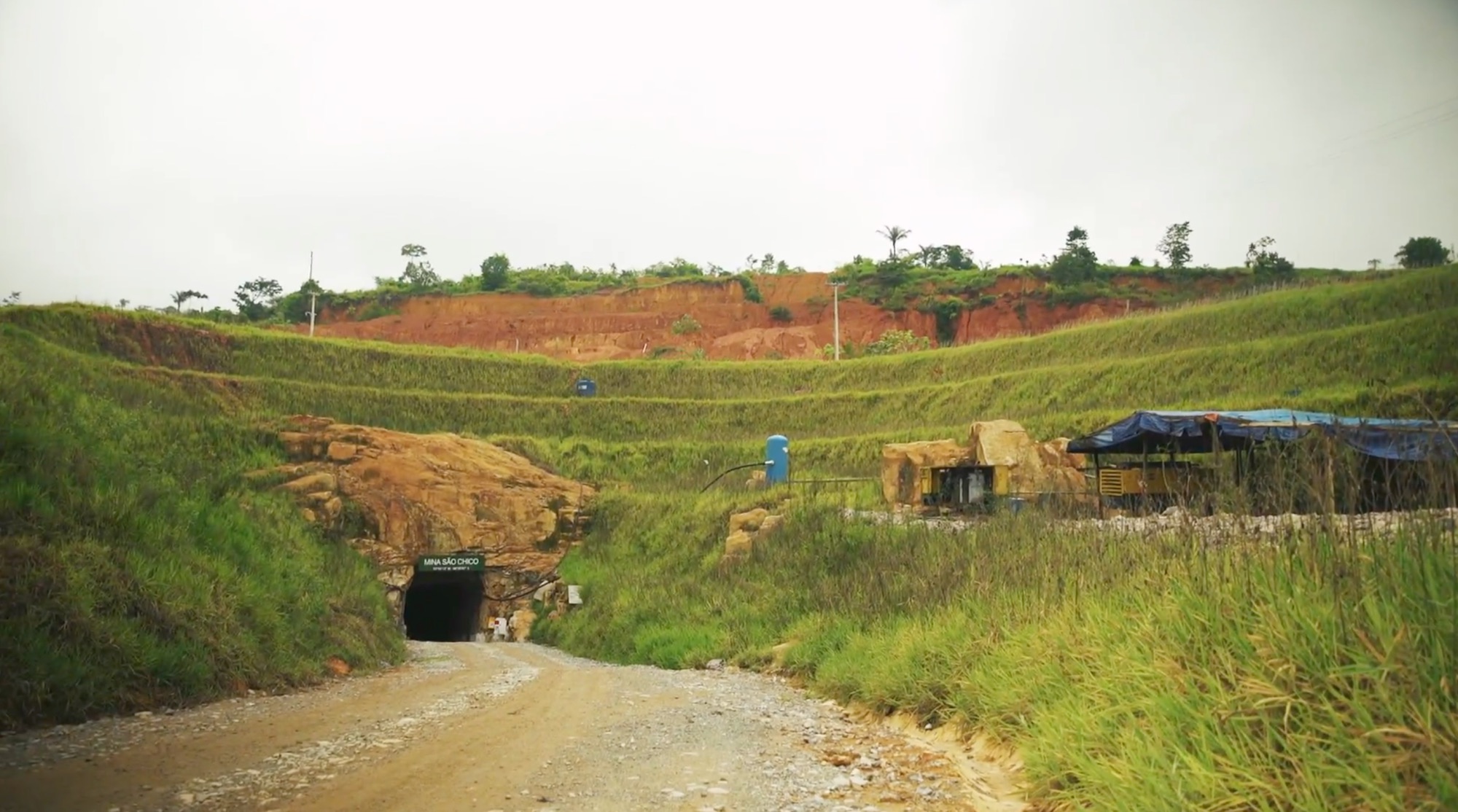
i-80’s second underground mine, Archimedes, is on the Ruby Hill property. Construction began in September 2025, and the project is on schedule and budget. Ore mining is due to begin in the fourth quarter of 2026, with a ramp-up through 2027. i-80 has completed drilling on the upper zone, the source of production for the first 5 years. Most of that material is oxide, and metallurgical testing shows it is amenable to heap leaching despite its high grade.
Ruby Hill is a historic mine with permitted leach pads, and i-80 plans to start placing material on them in the fourth quarter. The processing cost difference is wide. Young put the cost of trucking and processing refractory material through the Lone Tree autoclave at about $150 per ton (t). Using the Lone Tree oxide circuit costs about $75/t. Heap leaching at Ruby Hill costs about $10 to $15/t.
The trade-off is a lower recovery rate. i-80 has dropped the cut-off grade from 5 g/t to 4 g/t because heap leaching makes lower-grade material economic. Young said a large share of Archimedes production is targeted to come through heap leaching over the next 3 years.
Filling the Mill
The original plan required all 3 underground mines to feed Lone Tree. Drilling has since shown that Granite Creek and Archimedes can fill the mill for at least the next decade, and possibly 15 years. Cove has been pushed back as a result.
A Cove FS is due and should largely confirm the PEA, apart from higher water disposal costs. Young described the portfolio as a hub-and-spoke model, with a central processing facility fed from 3 underground sources over the next 20 to 30 years.
Interview with Richard Young, President & CEO, i-80 Gold
Mineral Point & Funding the Third Phase
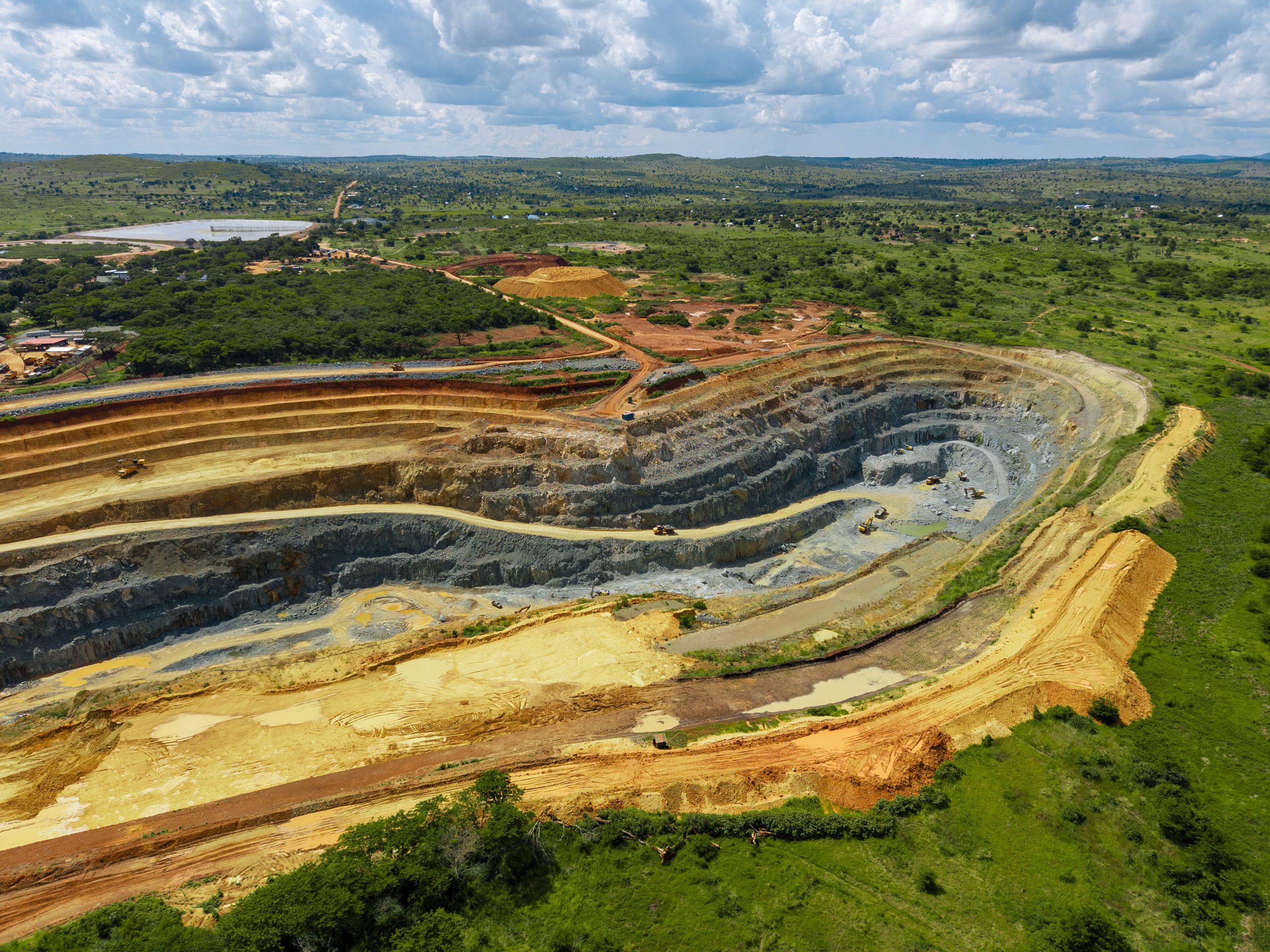
Mineral Point is a heap leach open pit project at Ruby Hill, with a build cost of about $1 billion. Roughly a third of that is a year of pre-stripping. i-80 factored the build into its recapitalisation and is working with its banks on a revolving credit facility. The facility provides liquidity without further dilution with permitting is targeted to begin late in 2026.
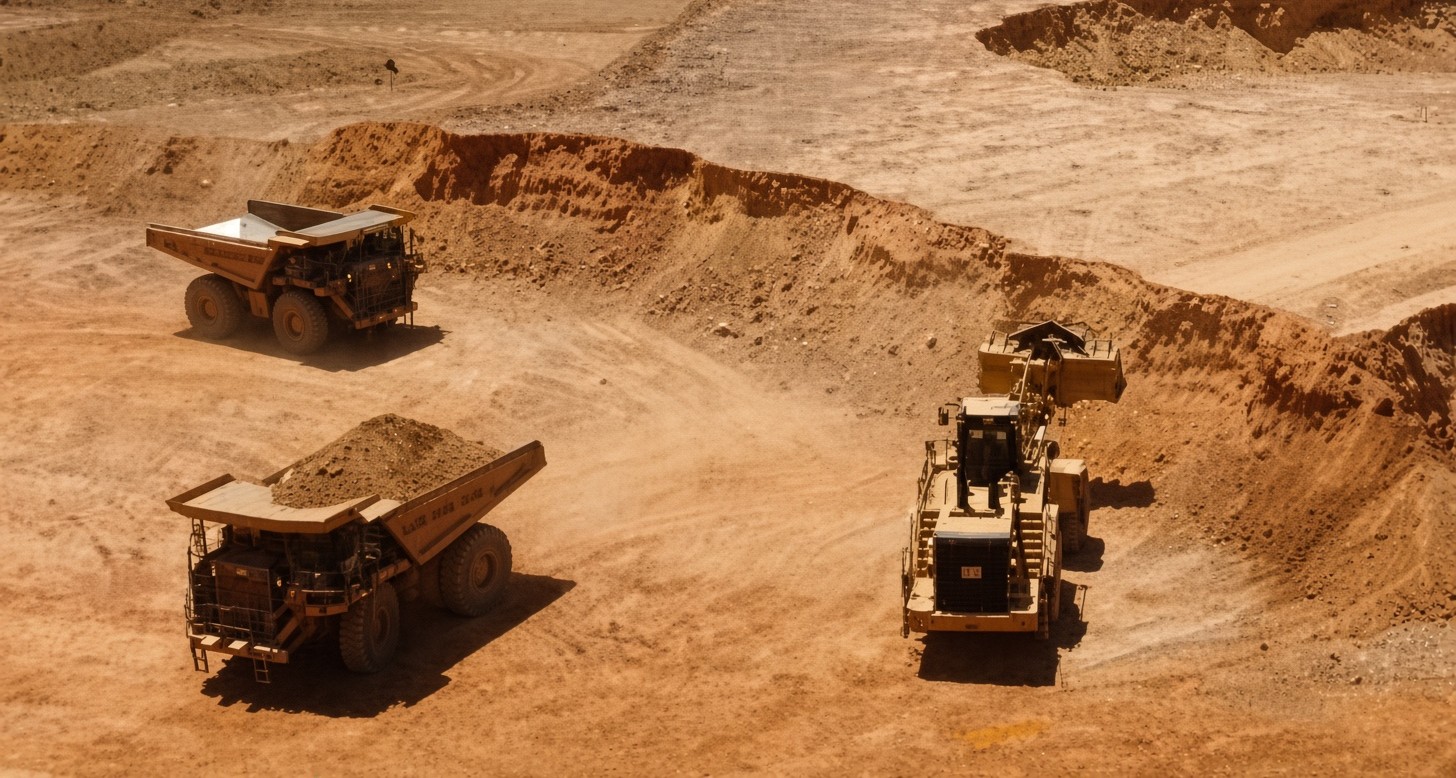
Young described the design as simple for Nevada. The plan calls for 24 trucks and 4 shovels to move 100 million tons, a fleet the same size as one his team ran in West Africa on lower tonnage. Processing uses two-stage crushing and Merrill-Crowe recovery for the silver. Gold recoveries are strong, while silver recoveries are lower and under study. Young estimated output at roughly 300,000 oz of gold equivalent a year for 20 to 25 years.
The deposit is low grade, at about 0.5 g/t, but Young described the orebody as tabular, consistent, and disseminated. On i-80’s released results on the first 35 holes, all 19 step-out holes intersected mineralization, and Young said half cut more than 150 meters (m). One step-out hole returned 1.33 g/t gold and 39.2 g/t silver over 225.6 m. Mineral Point holds about 7.5 million oz of gold equivalent in M&I resources, which Young said he anticipates will grow. He compared it to Fourmile, now operated by Nevada Gold Mines, and AngloGold Ashanti’s Arthur project in Beatty, Nevada, as a slightly smaller project in the same league.
Labour Costs & Drilling Delays
Young acknowledged that competition for people has affected i-80. i-80 has 3 drill programmes that will not finish by year-end and will run into 2027. Rigs arrived late, and contractors struggled to staff them with experienced drillers. Young estimated drilling costs are 5% or more higher, and assay turnaround has stretched to 10 weeks.
At Granite Creek, the mining contractor lost about 20% of its workforce in June and July to a mine 10 kilometers away that offered a new bonus structure. i-80 adopted a similar structure and brought those people back. SMD, the mining contractor at both Granite Creek and Archimedes, is now fully staffed.
At Lone Tree, contract labour rates are running 5-10% higher than budget, driven by salaries, per diems, and more light vehicles than planned. About 20% of contingency has been drawn. The project needs only about 600,000 contract hours, against 2 to 4 million for a typical build. Half are under contract, and the general contractor award for the remaining 300,000 hours is due in December, with mobilization in the first quarter of 2027.
2027 Catalysts & Timeline
Young called 2027 a transition year as i-80 moves away from toll milling. Management is weighing how early in the year to stop sending ore to the toll mill and stockpile it for Lone Tree. He named 3 measures for the year: Granite Creek performing in line with its FS, Archimedes material movement in line with the PEA, and Lone Tree finishing on schedule and budget. Young said Archimedes grades will be a little lower than the PEA because of the higher oxide share.
In the second half of 2027, i-80 is targeting an FS for Archimedes and a pre-feasibility study (PFS) for Mineral Point. Young said he anticipates both will show larger resources and higher project values than the PEAs.
The Investment Thesis for i-80 Gold
- The Lone Tree autoclave restart, targeted for late 2027, would cut processing costs by about $1,500 per ounce by ending third-party toll milling.
- Granite Creek Underground now has an initial reserve of 556,500 ounces at 7.87 grams per tonne gold, and management anticipates drilling will extend its 8.5-year mine life to 15 to 25 years.
- Heap leaching oxide ore from Archimedes on existing Ruby Hill pads cuts processing costs to about $10 to $15 per ton, compared with about $150 per ton for refractory processing.
- The roughly $1 billion Mineral Point build is backed by the completed recapitalization and a planned revolving credit facility, which management says removes the need for further equity.
- The Mineral Point pre-feasibility study and the Archimedes feasibility study in the second half of 2027 are the next valuation tests.
Macro Thematic Analysis
Nevada’s processing infrastructure is concentrated. Refractory gold ore needs an autoclave or roaster, and i-80 says it is one of only 2 companies in the state with permitted autoclave facilities, the other being Nevada Gold Mines. Producers without that capacity pay toll charges and accept lower payability, which i-80 puts at 55% to 60% under its current arrangements. Owning the plant lets a producer keep more of each ounce and schedule its own feed.
The second theme is valuation. Nevada assets generally trade at a premium, yet i-80 trades at a fraction of its net asset value (NAV). The company’s recapitalization diluted shareholders more than management had anticipated, but it removed the funding question for the current build. Young linked the valuation gap to execution:
“Analysts put us at 0.3 times NAV, iInternally we would say we’re trading at 0.2. And as you well know, Nevada assets generally trade at a premium. And so we do believe over time, as we continue to execute, we’ll move to fair value.”
The labour market is the counterweight. Higher gold prices have pulled more rigs, contractors, and workers into the Great Basin, and Young said people are the company’s number one issue. He credits a refreshed vision, mission, and values, alongside compensation, for i-80’s ability to hire salaried and hourly staff from the other major mining companies in Nevada.
TL;DR
i-80 Gold is refurbishing its $430 million Lone Tree autoclave plant in Nevada, targeting commissioning in late 2027 and a processing-cost cut of about $1,500 per ounce as it ends third-party toll milling. Granite Creek Underground holds an initial reserve of 556,500 ounces at 7.87 g/t. gold. Archimedes begins ore mining in the fourth quarter of 2026, with oxide ore heap leached at about $10 to $15 per ton. Management targets 175,000 to 200,000 ounces a year as it exits 2027 and more than 600,000 ounces by the mid-2030s, led by the roughly $1 billion Mineral Point heap leach project. Labour costs and drilling delays are the main execution risks.
FAQs (AI-Generated)
Analyst's Notes





Subscribe to Our Channel





Stay Informed