




2026 Outlook: Minister says "Lightning Speed" for Canada Nickel: Named in Ontarios 'One Project, One Process'


.webp)
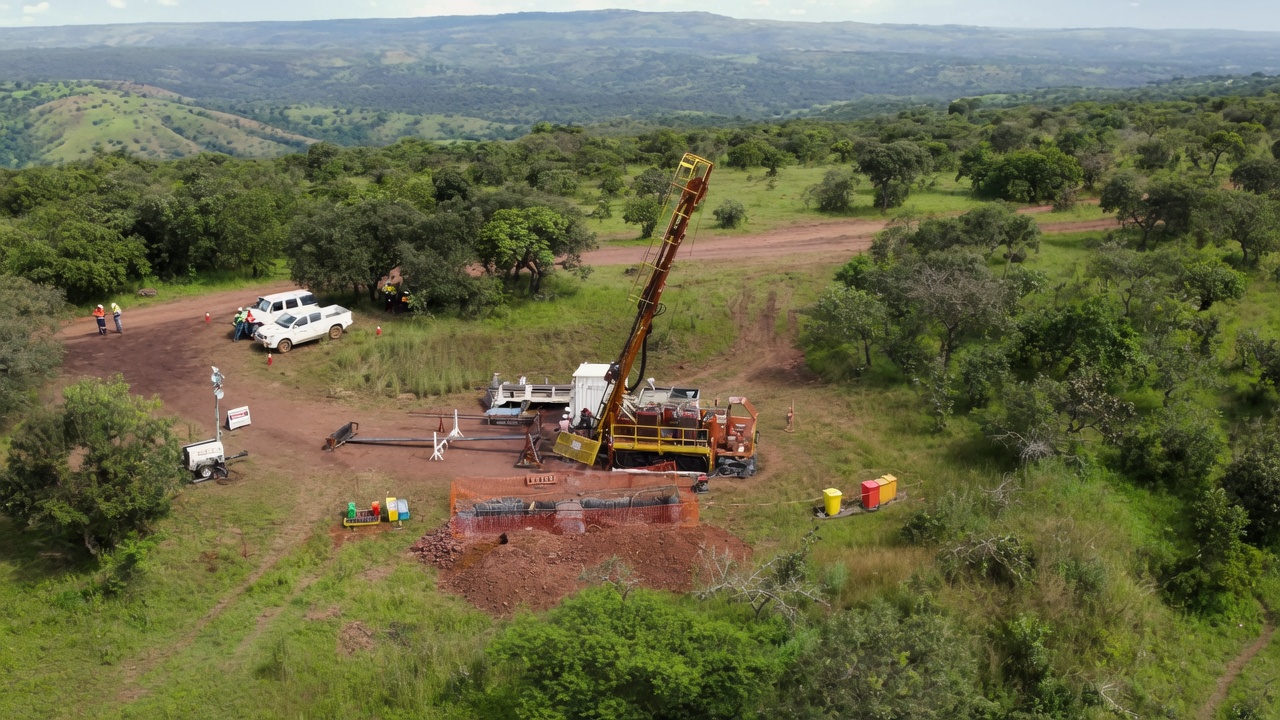
Canada Nickel targets 2026 construction decision for Crawford nickel project with government fast-track support, 20M+ ton district resources, strategic investors backing.
- Canada Nickel received federal Major Projects Office designation and Ontario's "one project, one process" fast-track permitting status few days ago, positioning Crawford for construction by end of 2026
- The company expanded from 2 to 8 separate nickel resources in 2025, establishing the Timmins district as the world's largest nickel sulfide district with 20+ million tons contained nickel
- Strategic investors include Anglo American, Agnico Eagle, Samsung SDI, and a First Nations community, providing a robust cornerstone shareholder base
- Crawford project expected to receive main federal permit mid-2026, with government funding announcements in Q1 2026 and financing package locked down by Q3 2026
- The company plans downstream nickel processing to capture 70-90 cents per pound North American premium, targeting stainless steel and battery markets with production flexibility
Federal & Provincial Support Creates Fast-Track Framework
Canada Nickel has secured significant government backing for its Crawford nickel sulfide project, marking a pivotal shift from exploration company to near-term producer. In November 2025, the company received referral to Canada's Major Projects Office, followed by designation under Ontario's "one project, one process" environmental permitting framework on 13 January 2026. These milestones represent more than bureaucratic checkpoints - they signal coordinated federal and provincial commitment to establish domestic critical mineral supply chains outside Chinese influence.
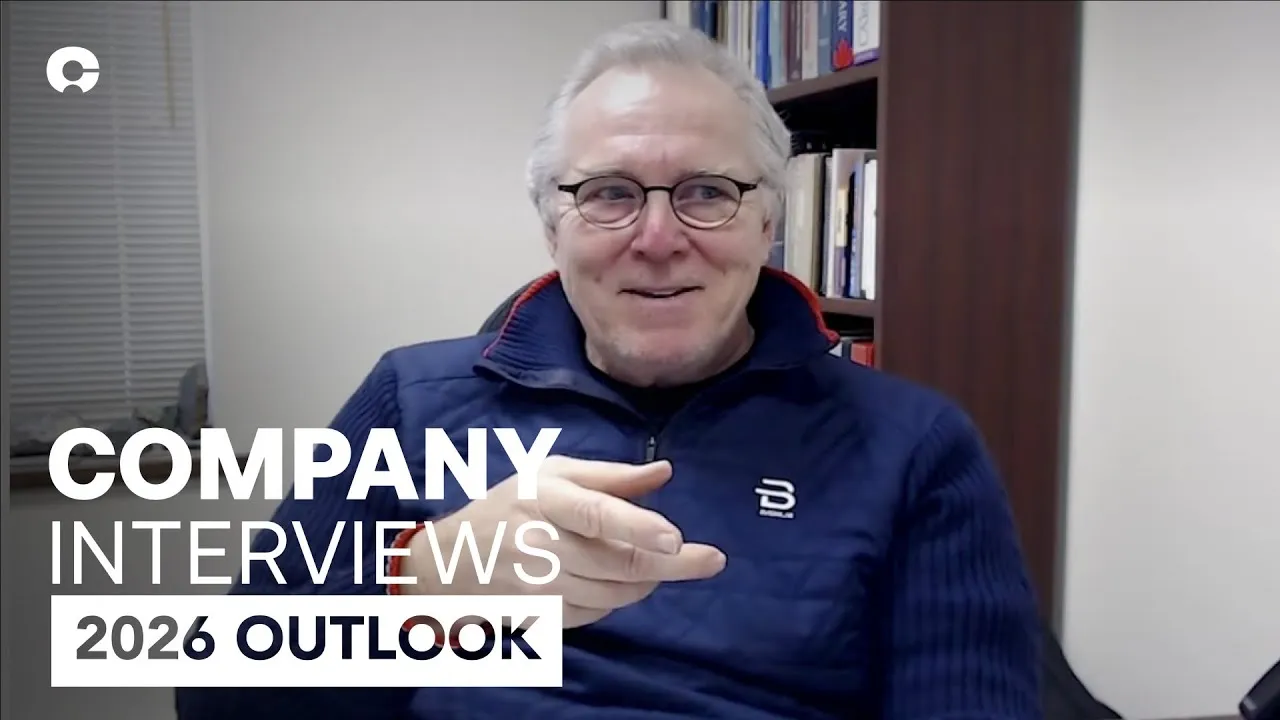
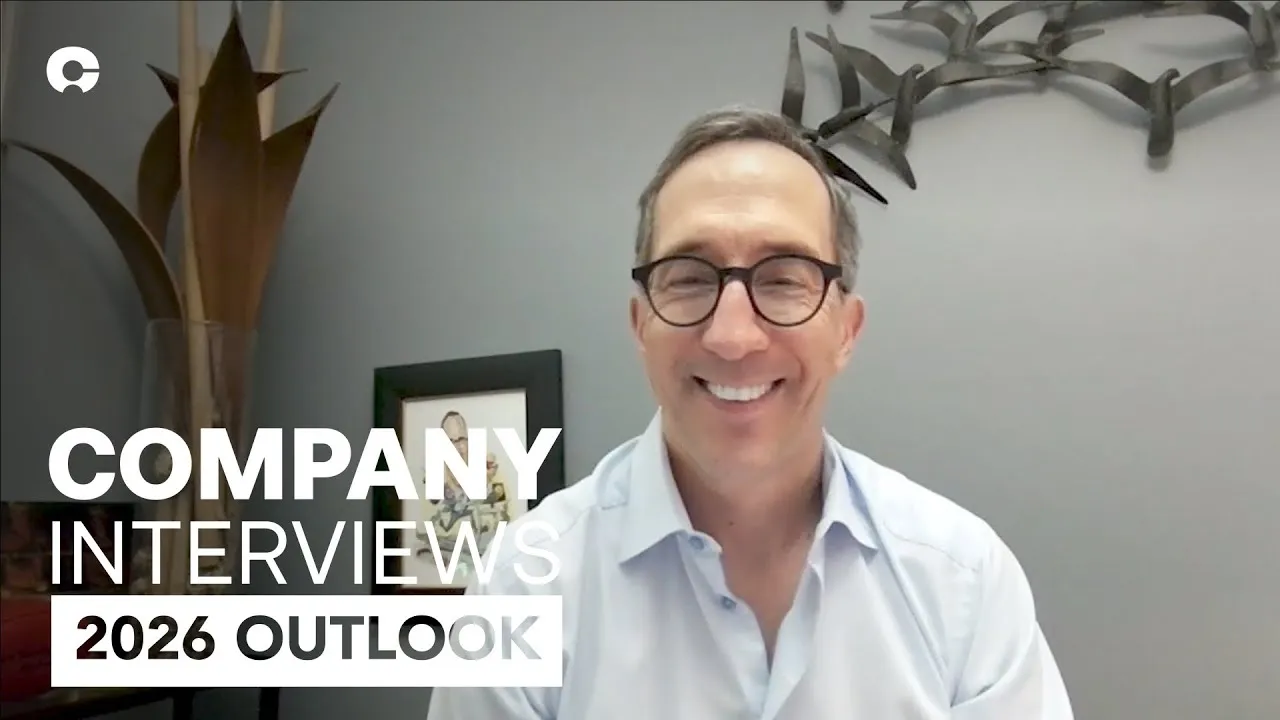
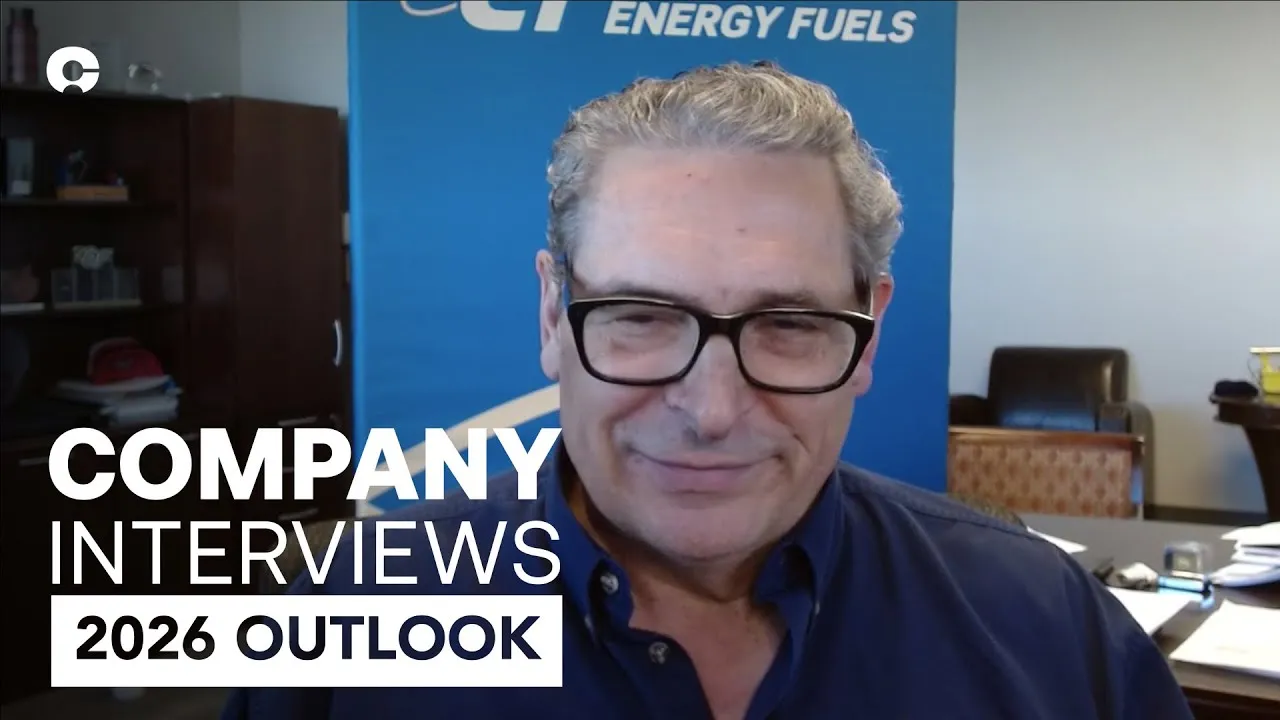
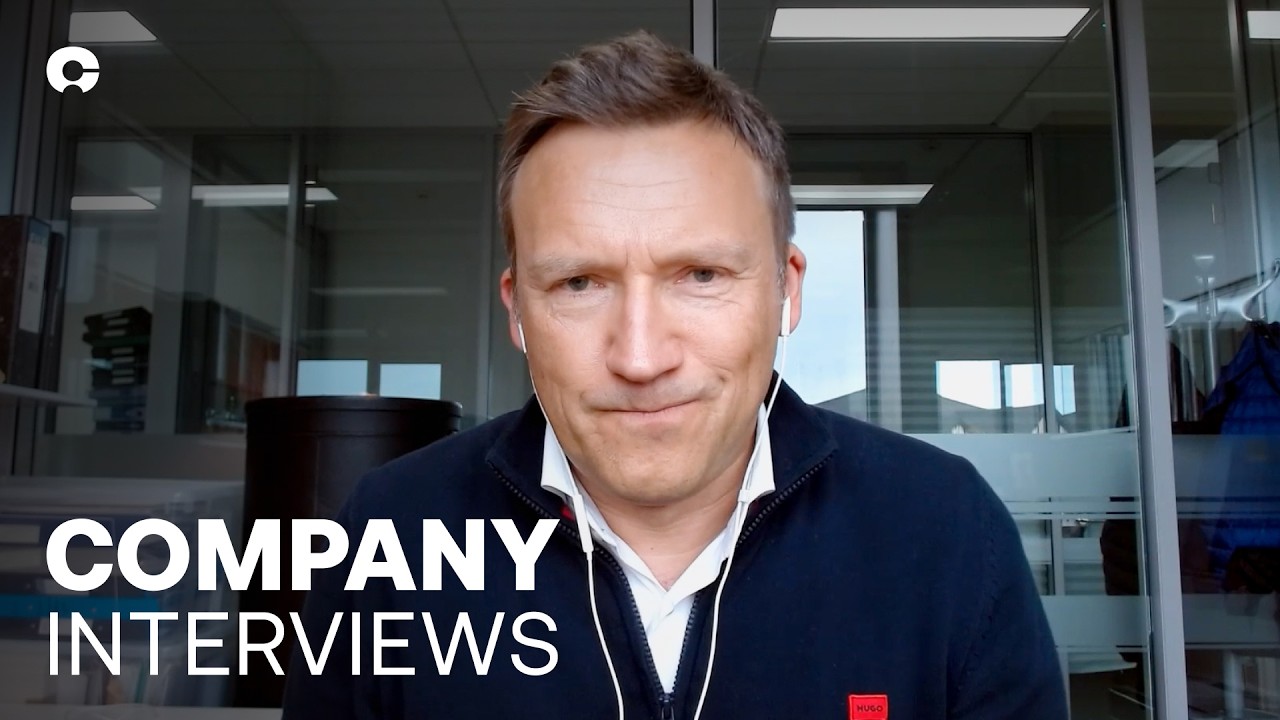
Mark Selby, CEO of Canada Nickel, emphasised the strategic importance of this government alignment during a recent interview. The company participated in press conferences with Ontario's Minister of Mines and Energy Stephen Lecce and Minister of Northern Development George Pirie, where officials publicly committed resources to advancing the project. Minister Lecce stated that in 2026, the government would
"...go full tilt to unlock one of the world's largest nickel deposits that'll supercharge our economy and help end China's critical mineral dominance."
This political capital investment reduces permitting uncertainty and positions Crawford at the front of the line for provincial funding, including access to Ontario's new $500 million critical mineral processing fund.
The Major Projects Office designation provides more than permitting coordination. It establishes a framework for accessing multiple government funding envelopes that could significantly reduce equity dilution from the current development stage through production decision. Additionally, the office works outbound to sovereign wealth funds and global investors, marketing Canada's endorsed projects to international capital seeking infrastructure and mining investments.
Rapid Resource Expansion Establishes Timmins as Global-Scale District
Canada Nickel's 2025 exploration success transformed the Timmins region from a single-project story into a district-scale opportunity. The company expanded from two resources at year-end 2024 to eight separate resources by early 2026, with total contained nickel exceeding 20 million tons. This positions Timmins as the world's largest nickel sulfide district, surpassing established regions and creating a long-term production pipeline that extends decades beyond Crawford's initial development.
The recently announced Reid deposit exemplifies the quality of these additional resources. With half the strip ratio and approximately one-third less overburden than Crawford, Reid offers superior economics before considering its 15% chromium content - a valuable byproduct that enhances project returns. Selby indicated that based on geometry and mineralisation characteristics, the company has identified three to four deposits beyond Crawford that appear higher value than the flagship project.
This district-scale potential underpins government enthusiasm for supporting infrastructure and development in the region. Selby explained that governments recognise they're -
"...not helping catalyse a single project [but rather] unlock something that, over the next 10 or 15 years, you're going to see what we build at Crawford and effectively cut & paste that engineering at four or five other projects in the region."
The company projects potential expansion from Crawford's initial 50,000 tons annually to district-wide production of 250,000-350,000 tons of nickel production.
Strategic Investor Base Validates Commercial Viability
Canada Nickel has assembled a diversified strategic shareholder base that validates both the technical and commercial aspects of the Crawford project. Current cornerstone investors include Anglo American, Agnico Eagle, Samsung SDI, and Taykwa Tagamou Nation that invested $20 million of its own capital. This mix of major mining companies, battery supply chain participants, and Indigenous partners demonstrates broad confidence across the value chain.
Beyond capital, Canada Nickel has prioritised operational readiness by integrating construction expertise throughout the development process. The company has worked with approximately six project delivery professionals since the feasibility study phase, ensuring that engineering designs reflect buildable, operable facilities rather than theoretical concepts. This approach addresses a common pitfall where feasibility studies produce plans that prove impractical during actual construction.
The company selected Hatch as its engineering partner, leveraging their track record delivering large-scale, low-grade processing facilities on time and on budget. Canada Nickel has already completed front-end engineering design - moving beyond standard feasibility study-level engineering - and is advancing through detailed engineering. This additional work reduces execution risk and provides greater cost certainty as the project approaches the final investment decision.
Interview with Mark Selby, CEO of Canada Nickel
Downstream Processing Strategy Captures Regional Premium
Canada Nickel's development plan extends beyond mining to include downstream processing - a strategic decision that aligns with government priorities while capturing significant economic value. The company plans to build a nickel processing plant that converts concentrate into material suitable for the stainless steel, alloy steel, and battery markets. This approach addresses what Ontario mining officials call "rip and ship" - the traditional model of exporting concentrates for processing elsewhere, leaving jobs and value creation in other jurisdictions.
The economic rationale for downstream processing is compelling. Finished nickel products in North America command premiums of 70-90 cents per pound versus European and Asian pricing. These sustained premiums over the past five years signal structural supply-demand imbalances in the North American market. Similarly, stainless steel prices trade at premiums in North America relative to other regions. By capturing these premiums through local processing, Canada Nickel can extract additional value while reducing dependence on imported refined products.
The processing technology draws on proven methods. Selby referenced his experience at Inco, where similar products were successfully sold into North American and European stainless and alloy steel markets two decades ago. The same material specifications also work for battery supply chains, providing market flexibility depending on demand conditions and pricing. Government funding for downstream processing exceeds support available for mining alone, reflecting policy priorities around value-added manufacturing and supply chain resilience.
2026 Timeline and Funding Milestones
Canada Nickel has established clear milestones for tracking progress toward a construction decision by year-end 2026. The company expects to receive its main federal permit by mid-2026, with half a dozen provincial permits flowing through the second half of the year. Initial government funding announcements should begin in Q1 2026, with visibility on most financing package components by end of Q2 and final commitments locked down by Q3.
As funding materialises, the company will advance detailed engineering and place long-lead equipment orders - concrete steps that demonstrate momentum beyond permitting and financial structuring. The government funding framework enables equity investors to potentially ride from current development stage into production with limited dilution, as non-dilutive capital sources shoulder significant portions of construction costs.
Selby emphasised that both federal and provincial governments understand the financing and permitting support required to meet the year-end construction target. The public commitments from ministers represent more than political rhetoric - they reflect acknowledgment that Crawford serves as a flagship for Canada's critical minerals strategy and requires coordinated support across multiple government agencies.
Cost Curve Positioning & Cycle Resilience
The Crawford project's economic durability stems from its position on the global nickel cost curve. Large-scale nickel sulfide operations with significant byproduct credits typically occupy the first quartile of production costs. Crawford benefits from iron and chromium byproducts alongside cobalt and platinum group metals, firmly anchoring the operation in the lower cost quartiles even after accounting for substantial upfront capital expenditure.
Indonesia's massive capacity expansion over recent years has created a large block of mid-cost-curve production that faces rising costs and declining grades over time. Projects like Crawford, positioned well below this Indonesian cost block, can generate consistent free cash flow across price cycles. Even district resources without Crawford's specific iron and chromium advantages should achieve low second-quartile positioning based on scale and operational efficiencies.
This cost structure becomes increasingly important during inevitable nickel price downturns. High-cost operations become marginal or unprofitable during weak markets, while low-cost producers maintain positive cash flow and can potentially gain market share. For Canada Nickel's long-term vision of developing multiple Timmins district deposits, establishing this cost-advantaged position at Crawford creates a foundation for sustained value creation over decades.
Infrastructure & Community Advantages Reduce Development Risk
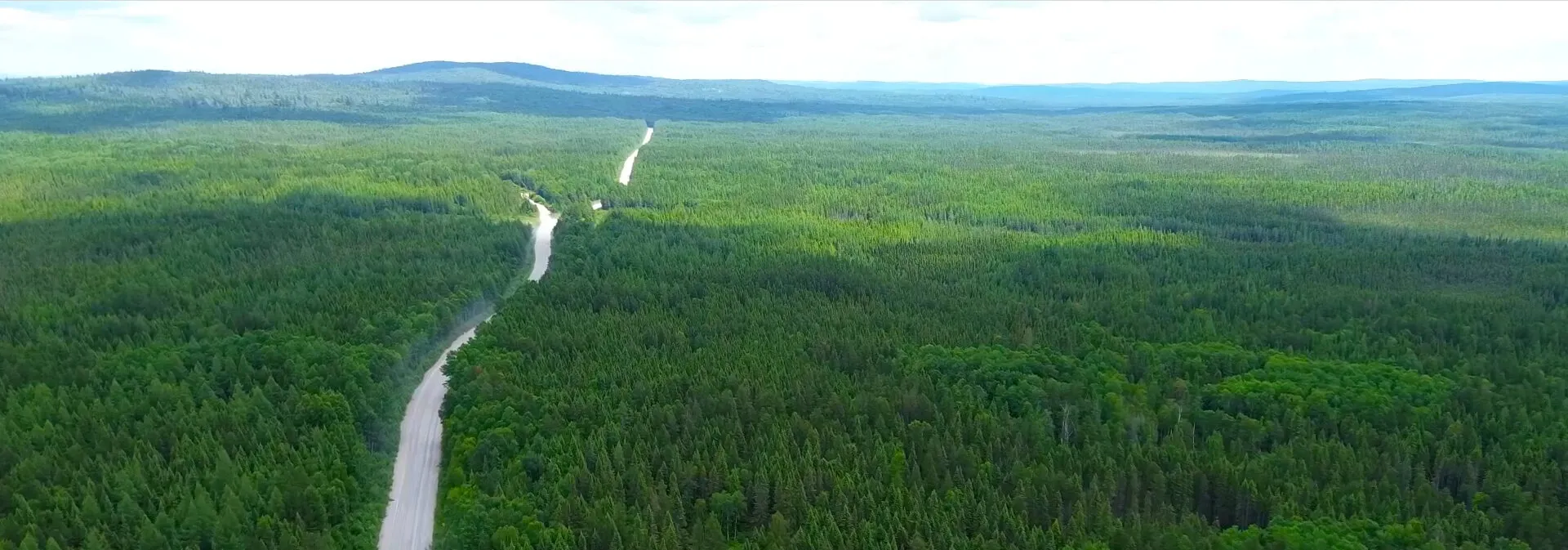
The Timmins region offers infrastructure and community characteristics that distinguish it from many mining development scenarios. Multiple rail lines, highways, and the main natural gas pipeline service the area, while substantial hydroelectric generating capacity provides low-carbon power. This existing infrastructure eliminates the need for multi-year, billion-dollar infrastructure buildout before mining operations can commence - a requirement that often derails projects in remote locations.
The region's established mining heritage provides a deep labor pool across half a dozen communities. Workers can live at home rather than in fly-in/fly-out or drive-in/drive-out camps, reducing operating costs while improving quality of life and workforce stability. This represents a significant competitive advantage versus remote operations that struggle with labor recruitment, retention, and associated costs.
Community and First Nations support further reduces development risk. Unlike jurisdictions where community opposition can block road access or halt operations, Timmins-area communities and First Nations understand the economic benefits of mining operations and have demonstrated willingness to support projects that honor commitments around environmental protection and benefit sharing. Canada Nickel's partnerships with Indigenous communities, including one that invested $20 million directly in the company, reflect this constructive relationship.
The Investment Thesis for Canada Nickel
- Government-backed de-risking: Major Projects Office designation and fast-track provincial permitting reduce timeline uncertainty and provide access to non-dilutive government funding across multiple programs, potentially minimising equity dilution from current stage through production
- District-scale resource base: Expansion to 20+ million tons contained nickel across eight resources in world's largest nickel sulfide district creates decades-long production runway with multiple projects potentially superior to Crawford
- Strategic validation: Cornerstone investment from Anglo American, Agnico Eagle, Samsung SDI, and First Nations partners validates technical and commercial viability across mining, battery, and Indigenous stakeholder dimensions
- Downstream value capture: Planned processing plant targets 70-90 cent per pound North American premium while accessing enhanced government funding for value-added manufacturing and maintaining flexibility between stainless steel and battery markets
- First quartile cost position: Iron and chromium byproducts alongside scale advantages position operations in lower cost quartiles, providing resilience during price downturns and sustainable free cash flow generation
- Infrastructure advantages: Existing rail, highway, gas pipeline, and hydroelectric infrastructure eliminates multi-year, billion-dollar pre-development capital while established mining workforce reduces operational costs versus remote fly-in/fly-out operations
- Accelerated development timeline: Target of production approximately eight years after fifth drill hole - versus typical 15-year industry standard - reflects experienced team, advanced engineering (beyond feasibility to front-end engineering design complete), and construction-ready approach
- Political alignment: Public commitments from federal and provincial officials including Prime Minister and Ontario ministers represent invested political capital in project success, reducing bureaucratic roadblocks and prioritising funding allocation
Canada's critical minerals strategy has shifted from aspiration to implementation, with nickel sulfide projects leading the charge. The geopolitical imperative to establish supply chains outside Chinese control has created unprecedented government willingness to deploy capital, accelerate permitting, and coordinate across agencies. For investors, this represents a structural change where government funding can significantly reduce equity requirements while political backing minimises regulatory uncertainty.
The Timmins district exemplifies this opportunity - a world-class resource base in stable jurisdiction with existing infrastructure, experienced workforce, and community support. As Indonesia's cost curve rises and Western governments prioritise supply security, first-quartile Canadian producers with downstream processing capabilities occupy an increasingly valuable strategic position. The goal, as Ontario's Minister of Mines stated, is to "help end China's critical mineral dominance" - and projects like Crawford represent the tactical execution of that strategic objective.
TL;DR
Canada Nickel has secured Major Projects Office and fast-track provincial permitting status for its Crawford nickel project, targeting construction by end of 2026 with substantial government funding reducing equity dilution. The company established Timmins as the world's largest nickel sulfide district (20+ million tons contained nickel across eight resources), providing decades-long production runway beyond Crawford. Strategic investors (Anglo American, Agnico Eagle, Samsung SDI), downstream processing plans capturing 70-90 cent North American premiums, first quartile cost positioning, and existing infrastructure create a compelling risk-adjusted investment profile as Western governments prioritise critical mineral supply chain independence from China.
FAQ's (AI Generated)
The federal government recognised Crawford as strategically important for establishing domestic critical mineral supply chains and reducing Chinese dominance. This designation provides coordinated permitting support and access to multiple government funding envelopes.
With 20+ million tons of contained nickel across eight resources, Timmins is the world's largest nickel sulfide district. The company identified three to four deposits of potentially higher value than Crawford based on strip ratios and mineralisation.
Processing concentrate locally captures 70-90 cent per pound North American premiums for finished nickel products. This addresses sustained five-year price differentials while accessing enhanced government funding for value-added manufacturing and providing market flexibility.
Main federal permit expected mid-2026, government funding announcements Q1 2026, financing package components visible by Q2 end, locked down by Q3, targeting final investment decision and construction start by year-end 2026.
Iron and chromium byproducts alongside cobalt and PGMs provide significant credits. Combined with scale advantages and established infrastructure, this positions Crawford in lower cost quartiles, providing cycle resilience versus mid-curve Indonesian production.
Analyst's Notes





Subscribe to Our Channel


.png)
.png)


.png)
Stay Informed


