




Nickel's 32,000-Tonne Deficit Faces a Reversal Risk in 2027


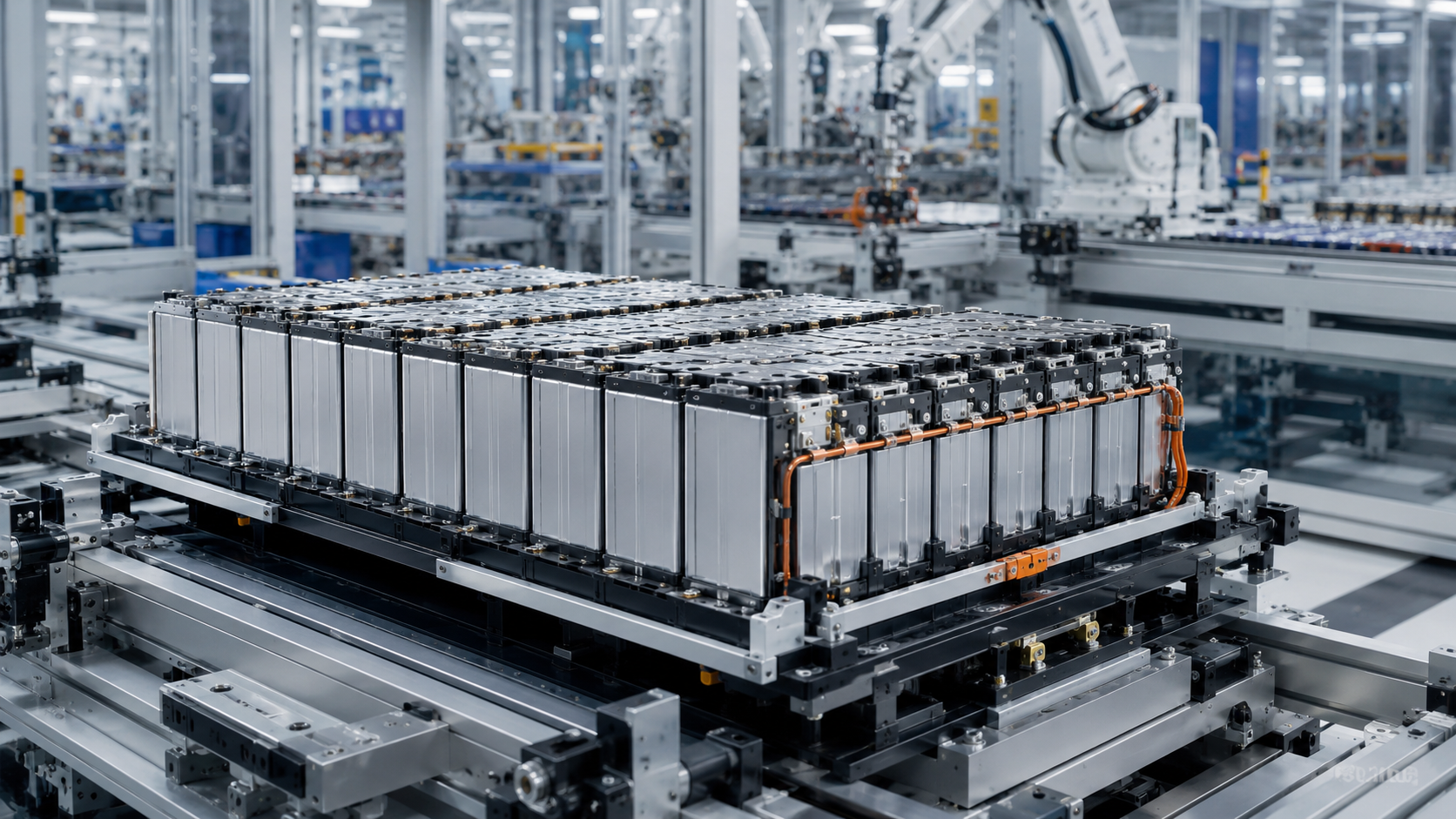
Indonesia’s nickel quota cut and China’s battery rebate exit tighten supply and pull lithium demand forward, raising policy-driven volatility into 2027.
- After Indonesia cut approved ore quotas by roughly 30%, the International Nickel Study Group (INSG) forecast in April 2026 that global primary nickel would shift from a 283,000-tonne surplus in 2025 to a 32,000-tonne deficit in 2026, equal to 0.9% of annual usage and leaving current price support sensitive to any quota increase.
- Lithium carbonate reached CNY 160,500 per tonne on August 24, 2026, up 94.56% year over year versus nickel’s 12.83%, with the gap partly reflecting battery production and lithium purchasing pulled into 2026 ahead of China’s 2027 export rebate removal.
- China’s battery value-added tax (VAT) export rebate is scheduled to fall from 6% to zero on January 1, 2027, while China Automotive Battery Innovation Alliance (CABIA) data show July 2026 battery output rising 62.9% year over year versus 33.5% for domestic installations and 51.7% for exports, consistent with production moving ahead of the deadline and raising the risk of weaker lithium demand in the first quarter of 2027.
- Contracted price floors and completed engineering give developers clearer revenue and cost assumptions for lenders, while unresolved government agreements leave financing and construction schedules dependent on government approval.
- A confirmed increase in Indonesia’s nickel ore quota or renewal of the mining license for China’s suspended Yichun lithium operation could add supply and weaken policy-driven price support in the respective market.
Nickel Prices Already Move on Indonesian Quota Speculation Alone
Indonesia allocates nickel ore extraction through the Rencana Kerja dan Anggaran Biaya (RKAB), an annual work plan and budget approved for each company. The approved 2026 quota is 260 to 270 million tonnes, roughly 30% below the 379 million tonnes approved in 2025. The Indonesia Nickel Miners Association estimates that about 80 operating smelters would require 315 million tonnes annually at full capacity, placing requirements 45 to 55 million tonnes above the approved quota. INSG forecast global primary nickel production of 3.715 million tonnes against usage of 3.747 million tonnes, a 32,000-tonne deficit.
The 32,000-tonne deficit equals roughly 0.9% of forecast 2026 usage, leaving the market balance sensitive to modest changes in Indonesia’s ore quota. Nickel traded at approximately US$17,015 per tonne on August 24, 2026, down 1.48% over the month but up 12.83% year over year. London Metal Exchange (LME) inventories declined by 1,428 tonnes to 264,744 tonnes between July 31 and August 11, a 0.5% reduction that left visible refined stocks broadly stable. Nickel fell to approximately US$16,750 per tonne in early August after reports of possible selective quota top-ups, showing that Indonesian supply expectations can move nickel prices before any quota change is confirmed.
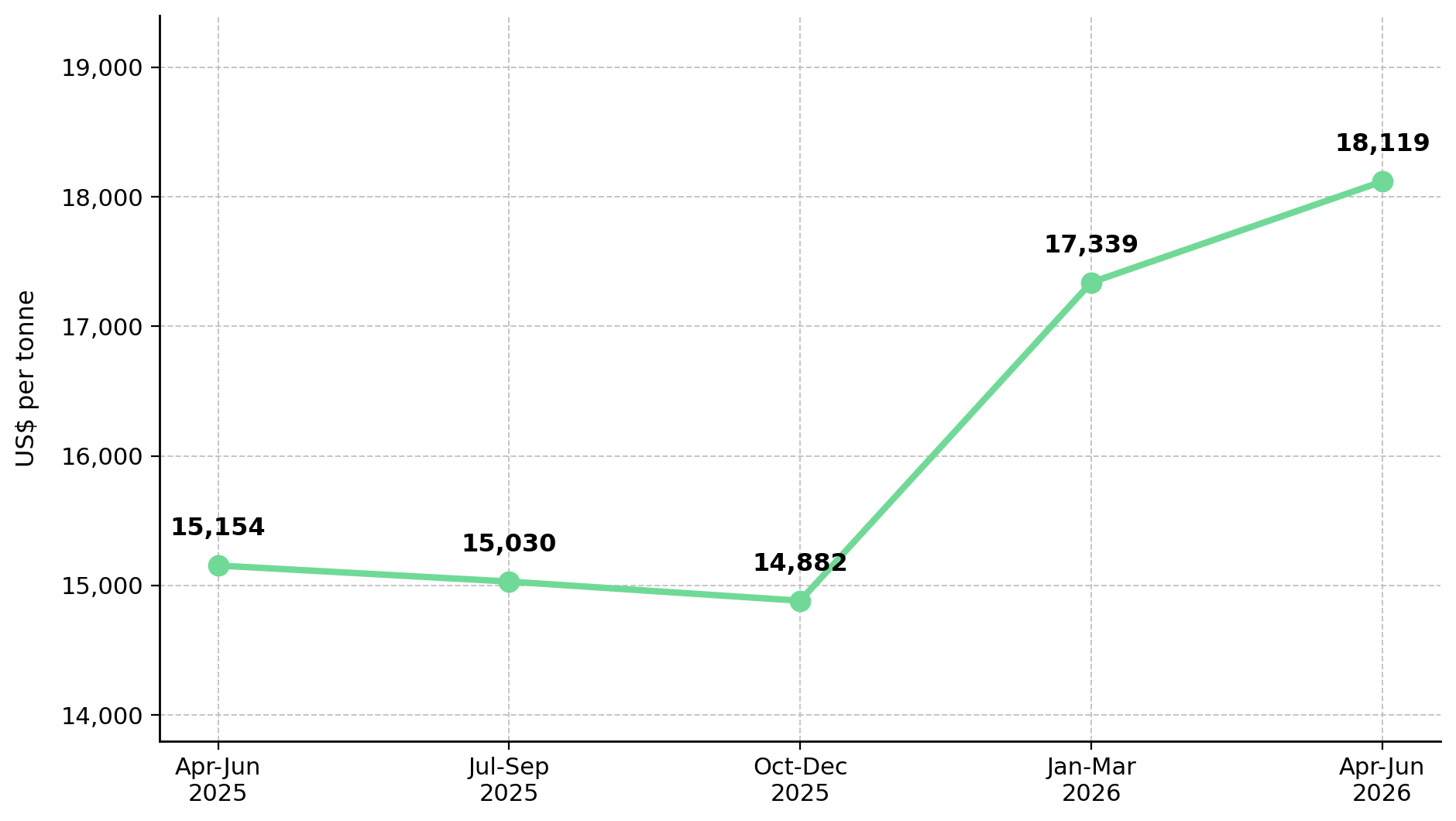
Lifezone Metals is targeting a final investment decision (FID) for the Kabanga Nickel Project in the first quarter of 2027 while advancing procurement, with packages totaling approximately US$854 million released to market for tender. Negotiations for a potential strategic equity investment have produced multiple offers, while selected development finance institutions and export credit agencies have indicated liquidity. Completion of the Framework Agreement amendment would allow lenders to begin final financing structuring, with their assessment of the amended terms remaining a key input to FID timing.
Ingo Hofmaier, Chief Financial Officer of Lifezone Metals, explains why Indonesia will manage nickel’s 2026 deficit:
“We have been in an oversupplied market for years, and there is a strong consensus that 2026 is going to be in deficit. I don’t think that the Indonesians will make this a very large deficit. They will manage this, and they will learn as they go along and see what actually works.”
China’s 2027 Rebate Deadline Pulls Battery Exports Forward
Unlike Indonesia’s adjustable nickel quota, China’s battery export rebate has a fixed removal date that can shift lithium demand from 2027 into 2026. China’s Ministry of Finance and State Taxation Administration reduced the VAT export rebate on battery products from 9% to 6% on April 1, 2026, with the remaining rebate scheduled to end on January 1, 2027. Losing the remaining 6% gives exporters a financial incentive to ship before the deadline, bringing some battery manufacturing and lithium chemical purchases forward into 2026 and potentially reducing demand in the first quarter of 2027.
First-Quarter 2027 Data Will Test Lithium Demand After the Rebate
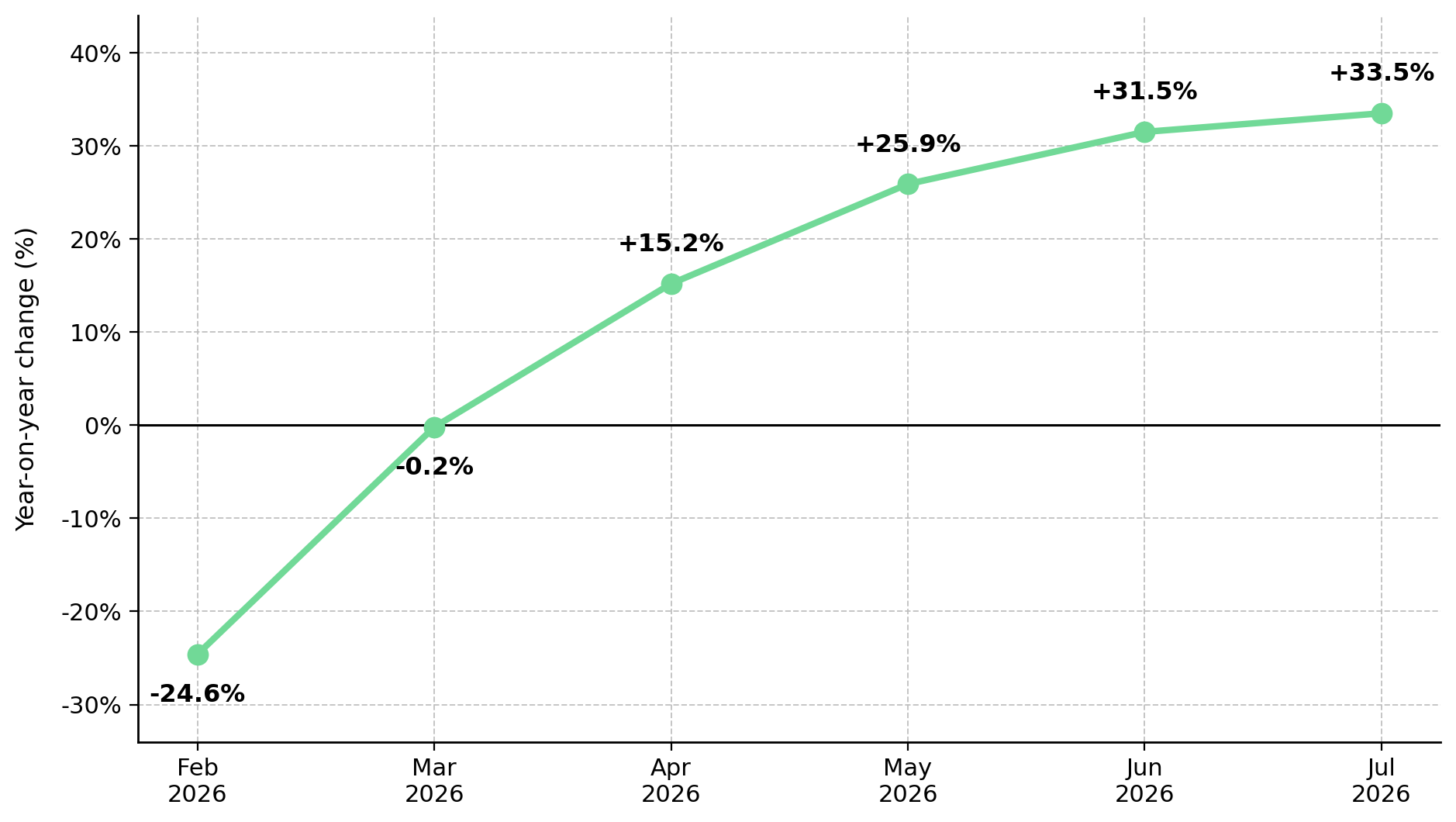
According to CABIA, combined power and energy storage battery output reached 218.0 gigawatt-hours (GWh) in July, up 62.9% year over year, while domestic power battery installations reached 74.6 GWh, up 33.5%, and exports reached 35.2 GWh, up 51.7%. Across the first seven months, combined battery output rose 54.9% to 1,286.9 GWh, while domestic power battery installations grew 15.4%. Because output includes both power and energy storage batteries while installations cover only domestic power batteries, the gap is not a direct measure of unabsorbed inventory, but faster output and export growth is consistent with some 2026 lithium demand being pulled forward.
Lithium carbonate reached CNY 160,500 per tonne on August 24, 2026, up 5.42% on the day and 94.56% year over year after trading at CNY 140,000 in early August. The January 2027 lithium carbonate contract on the Guangzhou Futures Exchange (GFEX) settled at CNY 158,700 on August 21 as open interest increased by 31,875 lots, meaning the number of outstanding contracts rose without showing whether traders expected higher or lower prices. Because the rebate removal encourages earlier shipments, demand could weaken after January 1. Export volumes, battery output, and inventories during the first quarter of 2027 will show whether recent price gains are supported by continued consumption or purchases brought forward from 2027.
A Yichun License Decision Could Restore 3% of Global Lithium Supply
Lithium supply is exposed to a single licensing decision because one suspended operation in Yichun, Jiangxi accounts for approximately 4% of global supply. Lithium prices fell nearly 30% between May and August 14, 2026, as speculation grew that the operation could restart. The operation has been offline for a year after its mining license was not renewed. Because the shutdown resulted from licensing rather than reserve depletion, renewed approval could restore supply faster than developing a new mine and place further pressure on lithium prices.
Lithium Ionic entered into a definitive agreement to sell its Salinas properties for US$37.5 million, comprising US$30 million at closing and US$7.5 million deferred, while retaining a 2% royalty on proceeds from future spodumene sales. Subject to closing, the upfront payment would provide non-dilutive funding for early works, procurement, and construction readiness at Bandeira, reducing near-term reliance on equity financing while preserving exposure to future production from the sold properties.
Blake Hylands, Chief Executive Officer of Lithium Ionic, outlines how the offtake floor supports project financing:
“Looking at $600 all-in sustaining costs, $2,000 a ton is significant to our project. The way we were able to structure our offtakes with a floor of a thousand means any lender can see that we’re making money on every ton and that you can service the debt.”
Permits & Financing Set the Timeline for New Nickel Supply
For advanced greenfield nickel projects outside Indonesia, government approvals and agreements can determine when financing and construction proceed after technical studies are completed. The International Energy Agency (IEA) reported that the average share held by the leading refining country, excluding rare earths, increased from 70% in 2023 to 72% in 2025, while virtually all refined nickel supply growth came from Indonesia. This concentration makes permits, fiscal agreements, and state-backed financing for non-Indonesian projects relevant to future nickel supply and project funding timelines.
Canada Nickel announced that strong investor demand led it to increase its proposed non-brokered private placement from C$15 million to gross proceeds of up to C$21 million. The proceeds are intended to support project permitting and engineering, repay outstanding debt, and provide working capital. If completed, the larger raise would give the company additional flexibility to advance its projects while meeting near-term funding needs.
Mark Selby, Chief Executive Officer of Canada Nickel, links Indonesia’s supply limits with rising nickel demand:
“With Indonesia basically limiting supply going forward, and nickel demand growing at 5% plus a year, which is another almost 200,000 tons of nickel per year, we’re in great shape. People want supply from somewhere other than Chinese-controlled entities.”
Indonesia’s 2027 Exchange Could Shift Nickel Price Discovery
President Prabowo Subianto announced on August 14, 2026 that Indonesia is targeting January 1, 2027 for a Strategic Mineral and Commodity Exchange intended to establish domestic reference prices for major exports, with nickel among the commodities under consideration. GFEX already provides an exchange-traded lithium carbonate benchmark inside China, a major center for lithium refining and battery manufacturing. If nickel is included, price discovery for both metals would move closer to the jurisdictions with the greatest influence over their processing and supply chains, making local policy and exchange rules more relevant to price formation.
November 10, 2026 is the next policy deadline, when US reciprocal-tariff relief, 178 Section 301 exclusions, and China’s suspension of controls covering rare earths and lithium battery materials are scheduled to expire, potentially raising trade costs. Proclamation 11001 imposed no immediate tariffs on processed critical minerals but left tariffs and minimum import prices available, keeping future US import costs and price support for lithium and nickel unresolved.
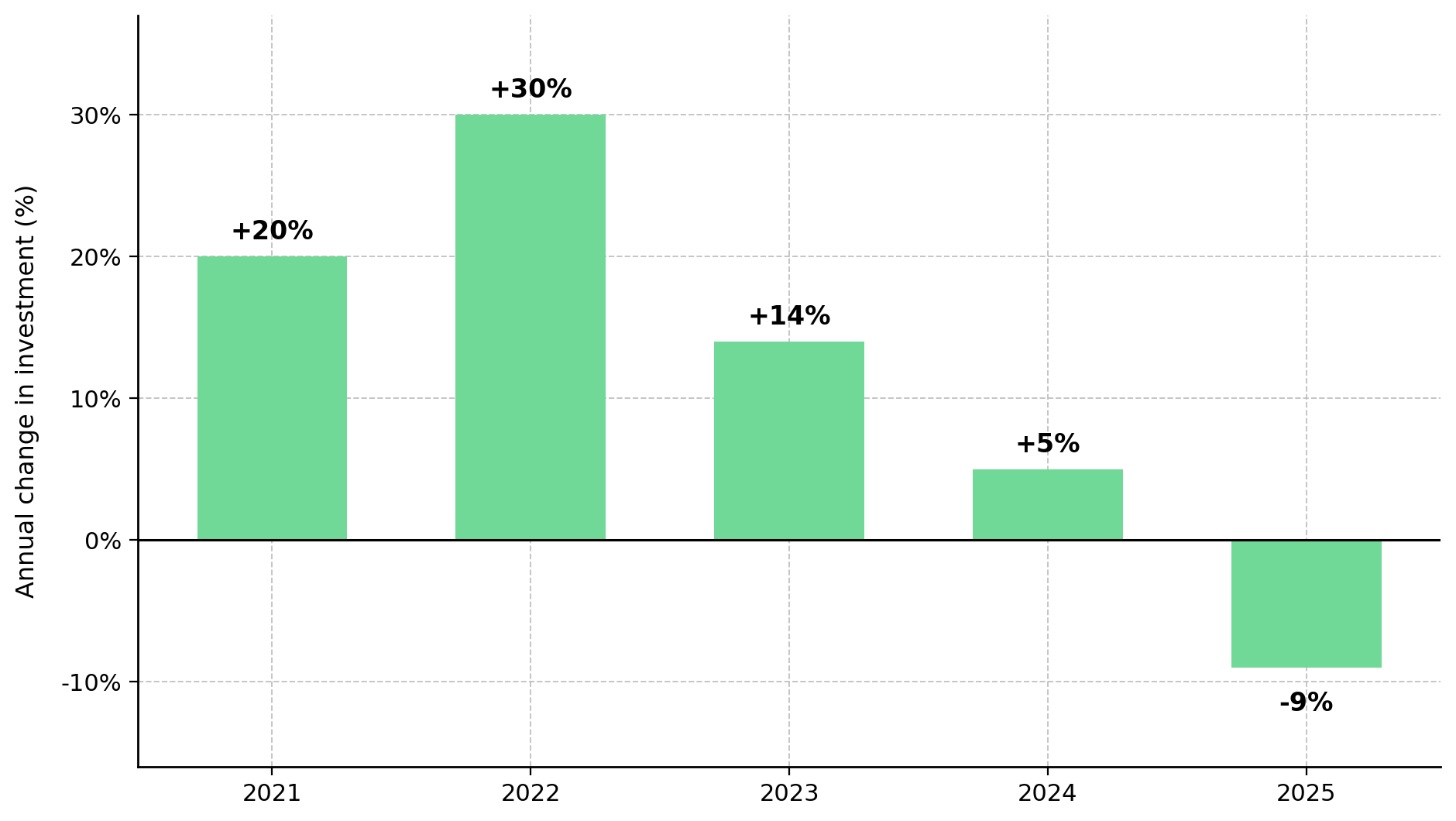
Indonesia and China influence nickel supply, lithium demand timing, and price discovery, while US policy can change trade costs for both metals. The IEA found that investment by 24 major mining companies fell 9% in 2025, while lithium specialists reduced spending by around 40%. With less capital funding new capacity, quota, licensing, or tariff changes can move prices before supply responds, increasing volatility and making financing and permitting status more important in project selection.
The Investment Thesis for Battery Metals
- The forecast 32,000-tonne nickel deficit stems from Indonesia’s quota cut, so its support for nickel prices could weaken if Indonesia approves additional ore supply.
- China’s removal of the battery export tax rebate on January 1, 2027 is encouraging exporters to ship early and pulling lithium demand into 2026, making the first quarter of 2027 the first test of whether purchasing and price support weaken.
- Development-stage nickel projects outside quota jurisdictions avoid direct production limits but remain exposed to quota-driven prices, making permitting status, financing needs, and contracted revenue more important than location alone.
- Binding offtake agreements with contracted price floors reduce exposure to prices below the floor but make revenue more dependent on the buyer honoring the contract.
- Projects with lower initial capital relative to net present value require less funding for each dollar of modeled value, reducing financing risk during periods of policy uncertainty.
- Completed major approvals reduce schedule uncertainty and can widen access to institutional capital by allowing funders to assess construction timing with fewer unresolved government decisions.
Indonesia’s nickel quotas, China’s battery export rebate, and potential US import measures now influence supply, demand timing, and trade costs for both metals. Operating costs remain central to project viability, but jurisdiction, permitting status, financing needs, and contracted pricing determine whether a project can be funded and reach production. Positions should therefore be sized for policy-driven volatility, with price floors and completed approvals assessed by the revenue, financing, or schedule risk they reduce.
TL;DR
Indonesia’s roughly 30% nickel ore quota cut has helped shift the 2026 market forecast to a 32,000-tonne deficit, but additional quotas could quickly restore supply. China’s battery export rebate ends on January 1, 2027, encouraging exporters to ship early and pull lithium demand into 2026. A possible restart at the suspended Yichun operation could also return lithium supply faster than a new mine. These policy risks increase the importance of permits, financing, and contracted pricing. Lifezone Metals is advancing Kabanga financing, Lithium Ionic combines a proposed asset sale with an offtake price floor, and Canada Nickel is seeking up to C$21 million for permitting, engineering, debt repayment, and working capital.
FAQs (AI-Generated)
Analyst's Notes





Subscribe to Our Channel









Stay Informed


