




Nickel's $900 Cost Gap & 40% Lithium Spending Cut Favor Lower-Cost Projects


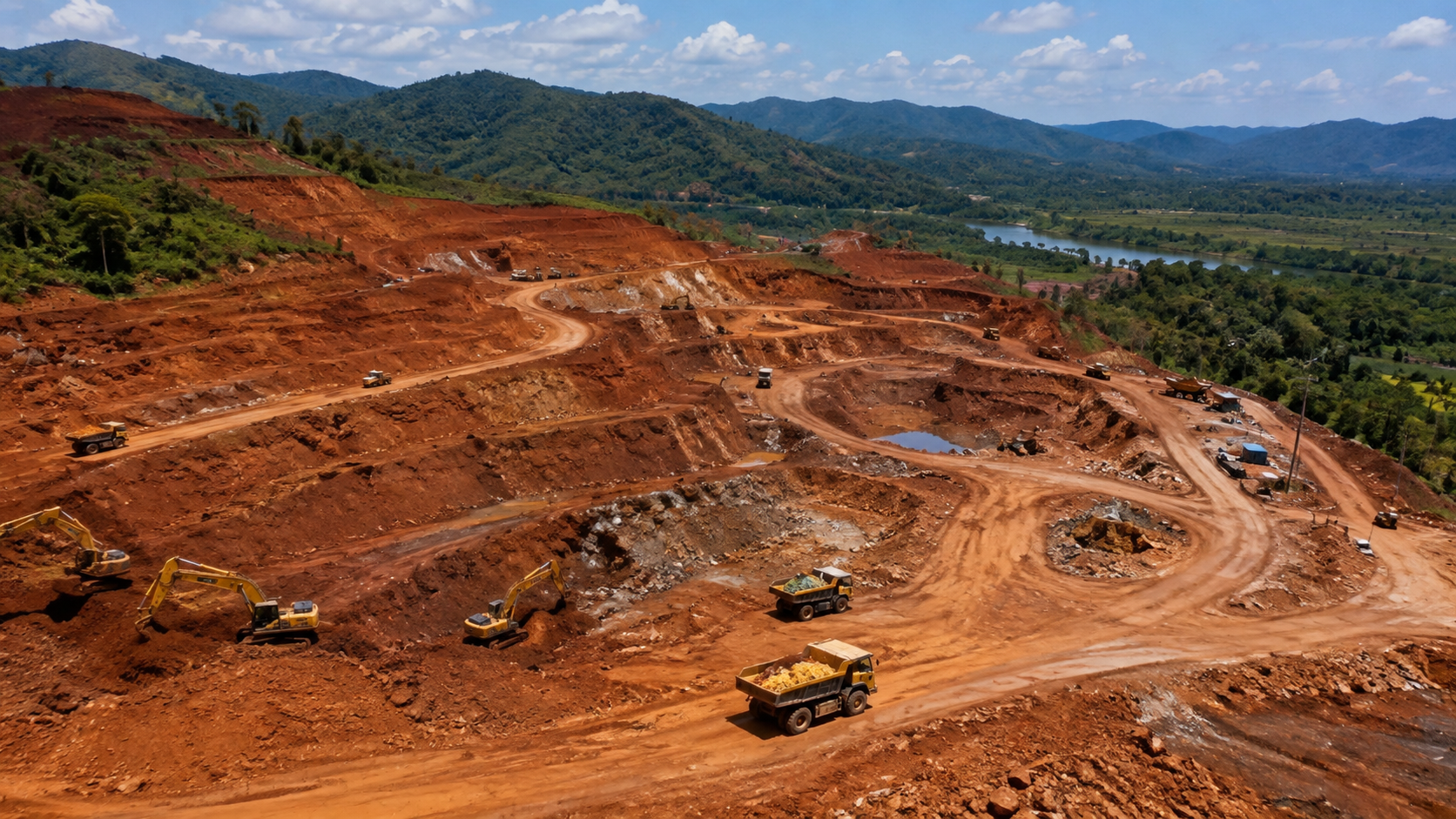
Indonesia's nickel cost floor and declining lithium investment point to tighter battery metal supply, favoring lower-cost, well-funded projects.
- UBS Global Research places Indonesian nickel break-even at $18,400 per tonne for pyrometallurgical projects and $20,800 per tonne for hydrometallurgical projects, against London Metal Exchange (LME) nickel prices ranging from a July 2, 2026 low of $16,220 per tonne to roughly $17,500 later that month.
- Indonesia cut the 2026 ore quota to 260 to 270 million wet metric tonnes from 379 million approved for 2025 and revised its benchmark ore pricing formula, increasing feedstock costs while constraining feedstock supply in the same year.
- The World Bank forecasts nickel prices near US$15,500 per tonne for 2026, while Macquarie Group forecasts LME nickel at US$17,750 per tonne, a $2,250 spread that reflects differing assumptions about Indonesia's quota enforcement rather than nickel demand.
- Refined nickel stocks above 367,000 tonnes mean cost pressure is more likely to reduce producer margins and output before it appears in warehouse inventories, making inventory drawdowns a lagging indicator of market tightening.
- Developers and recyclers operating below the Indonesian cost floor gain a cost advantage as higher-cost production becomes less economic, while lower lithium investment has delayed new supply despite demand continuing to grow.
Policy-Set Cost Floors Exceed Spot Nickel by $1,000, Forcing Higher Prices or Production Cuts
UBS Global Research estimates Indonesian break-even costs at $18,400 per tonne for pyrometallurgical projects and $20,800 per tonne for hydrometallurgical projects under the country's revised Harga Patokan Mineral (HPM) benchmark pricing formula. By comparison, LME nickel fell to a year-to-date low of $16,220 per tonne on July 2, 2026 before recovering to roughly $17,500 later that month, still trading about $900 below the Indonesian pyrometallurgical break-even level. Indonesia accounts for approximately 65% of global mine supply, giving its production costs significant influence over global nickel pricing. Continued production below break-even consumes shareholder capital rather than generating it, leaving only two sustainable outcomes: higher nickel prices or lower production because government-set ore benchmarks do not fall with weaker metal prices.

260-270 Million wmt Quota & HPM Revisions Lift Nickel Costs, Limiting Supply Response
The Ministry of Energy and Mineral Resources (ESDM) set the 2026 Rencana Kerja dan Anggaran Biaya (RKAB) ore quota at 260 to 270 million wet metric tonnes (wmt), down from 379 million wmt approved for 2025, while shortening RKAB validity from three years to one as of mid-2026. Together, those changes reduce permitted ore supply while allowing annual adjustments to production quotas. Refinery permit caps continue to limit new intermediate processing capacity, while tiered royalty rates and revisions to the HPM benchmark pricing formula increase production and feedstock costs.
Under normal conditions, producers facing lower realized prices increase throughput, spreading fixed costs across more units and defending unit economics through higher volumes. A production quota removes that option by limiting how much ore producers can mine. Indonesian ore consumption is estimated at roughly 330 million wmt in 2026 against a quota of 260 to 270 million wmt, leaving the gap to be met through imported ore, stockpile drawdowns, or reduced output. Either option increases costs or limits supply, reinforcing the higher cost floor.
Approximately 120 surveyor reports required to clear exports from operations in Sulawesi, West Kalimantan, and Bangka Belitung remained outstanding following new customs checks for rare-earth content. Indonesian nickel pig iron (NPI) containing 10% nickel remained at $145.60 per tonne Free on Board (FOB) Indonesia on July 29, 2026, unchanged day over day and week over week, suggesting the export delays had not yet affected physical nickel pricing but could have a greater impact if disruptions persist.
Higher Sulfur Costs Cut MHP Output 37%, Favoring Sulfide Projects
The Indonesian cost floor does not affect all producers equally, with processing route rather than geography determining cost exposure. High Pressure Acid Leach (HPAL) treatment of laterite ore consumes roughly ten tonnes of sulfur for every tonne of contained nickel in mixed hydroxide precipitate (MHP), making sulfuric acid the dominant variable input in that processing route. By contrast, rotary kiln electric furnace pyrometallurgical routes do not rely on sulfuric acid, avoiding the same input-cost exposure. Indonesia imports elemental sulfur rather than finished acid for domestic processing, and four of its five largest sulfur suppliers ship through the Strait of Hormuz, exposing HPAL operations to additional geopolitical supply risk. Indonesian MHP output has fallen approximately 37% from its September 2025 peak, consistent with the tighter cost conditions facing HPAL producers.
Lifezone Metals positions its Hydromet Technology as a lower-cost alternative to conventional smelting for the Kabanga nickel sulfide project in Tanzania, increasing its relative competitiveness as higher processing costs pressure conventional nickel production. Cash increased to $37.3 million at June 30, 2026 from $20.1 million at December 31, 2025, with total liquidity of $55.6 million supporting development ahead of a Final Investment Decision targeted for Q1 2027.
Ingo Hofmaier, Chief Financial Officer of Lifezone Metals, explains why Indonesian supply constraints support higher nickel prices:
"September was MHP peak 2025. The last numbers for MHP production in Indonesia show it has come down around 37% from that peak to here. So we expect that the price could actually have an upside risk quite significantly more than what you currently see in forward curves."
367,000-Tonne Inventories Delay Nickel Tightness, Shifting Focus to Producer Margins
Refined nickel remains well supplied despite tightening conditions in ore markets. Combined LME registered and off-warrant stocks rose nearly 58% last year to more than 367,000 tonnes, with additional unregistered material reported in Singapore and Kaohsiung. The inventory overhang is likely to limit near-term nickel price gains even as tighter ore supply raises production costs.
The nickel market operates across two layers that do not move together because ore and intermediate supply are constrained by quota volumes, HPM benchmark pricing, and lower MHP output, while refined metal carries the inventory buffer accumulated during Indonesia's 2020 to 2024 expansion. Cost pressure at the ore level therefore reduces producer margins and output before it appears in refined inventories. Domestic smelters consumed 120.6 million wmt of ore between January and June 2026, equivalent to 46.2% of the annual quota, indicating the quota had not yet become a binding constraint on ore supply.
Quota Uncertainty Widens Nickel Forecasts, Favoring Lower-Cost Supply Outside Indonesia
The International Nickel Study Group (INSG) forecasts a 32,000-tonne primary nickel deficit for 2026, yet major institutions continue to differ on price because they make different assumptions about how strictly Indonesia will enforce its production quota. If quota enforcement keeps higher-cost Indonesian supply from expanding, lower-cost projects outside Indonesia become increasingly important sources of future nickel supply.

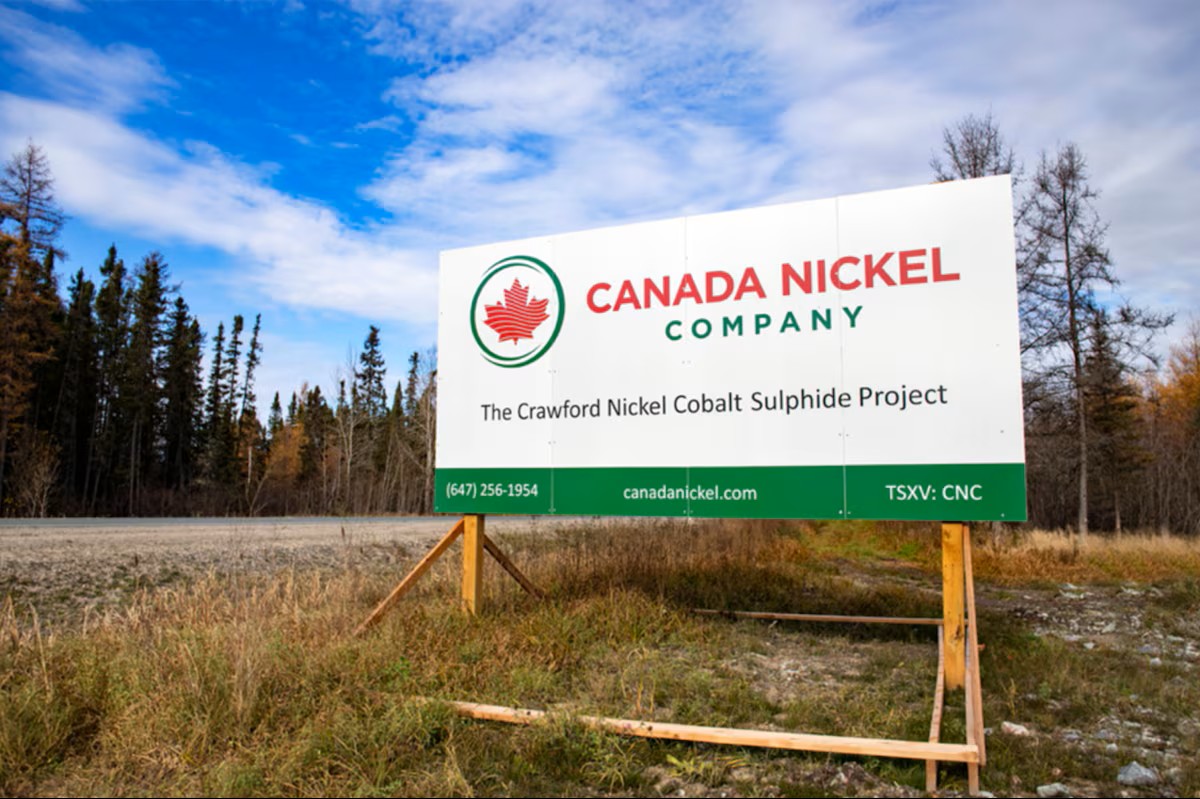
Canada Nickel received a positive Decision Statement for the Crawford Nickel Project on July 31, 2026, reducing a key permitting risk ahead of development. Crawford's sulfide mineralization avoids the sulfuric acid exposure associated with HPAL processing, strengthening its relative cost position as Indonesian processing costs rise. A construction decision remains targeted for 2027, positioning the project to advance toward development as higher Indonesian production costs increase the importance of lower-cost nickel supply outside Indonesia.
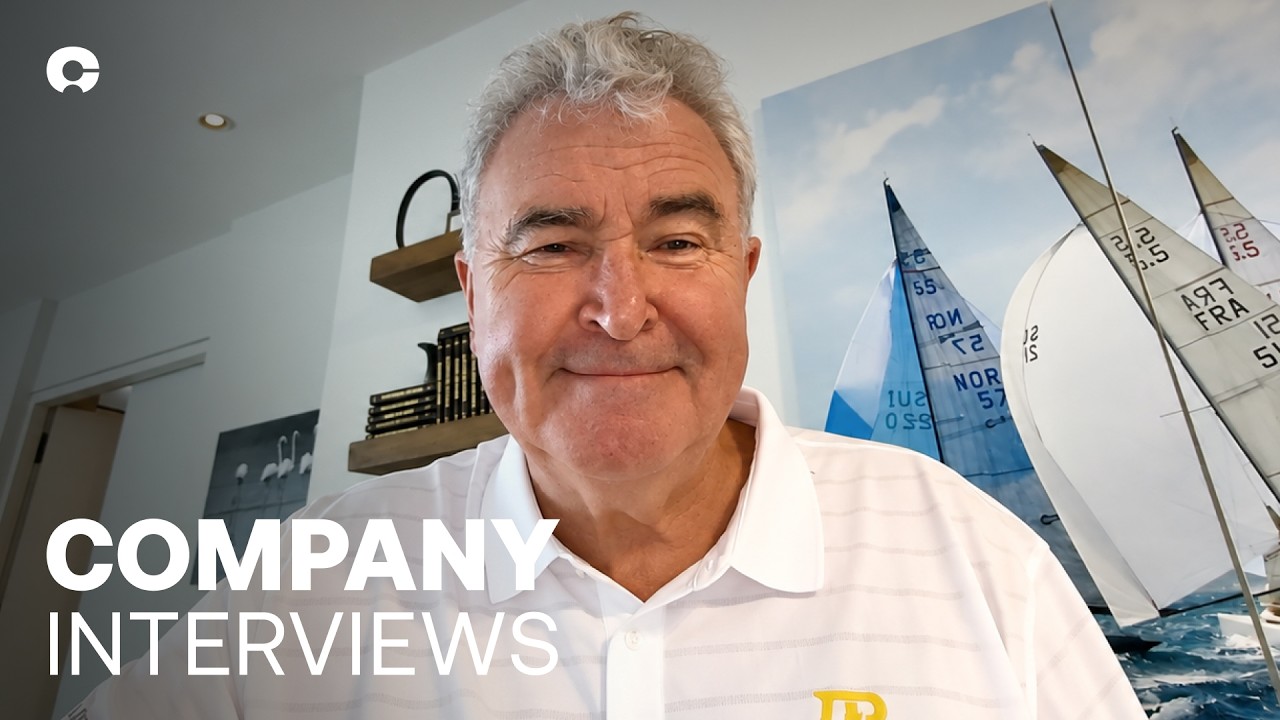
Mark Selby, Chief Executive Officer of Canada Nickel, explains why Indonesia's supply discipline changes nickel pricing:
"With Indonesia basically limiting supply going forward, and nickel demand growing at 5% plus a year, which is another almost 200,000 tonnes of nickel per year, we're in great shape. As well, people want supply from somewhere other than Chinese-controlled entities."
Lithium at 140,000 CNY Delays Replacement Supply, Supporting Higher Long-Term Prices
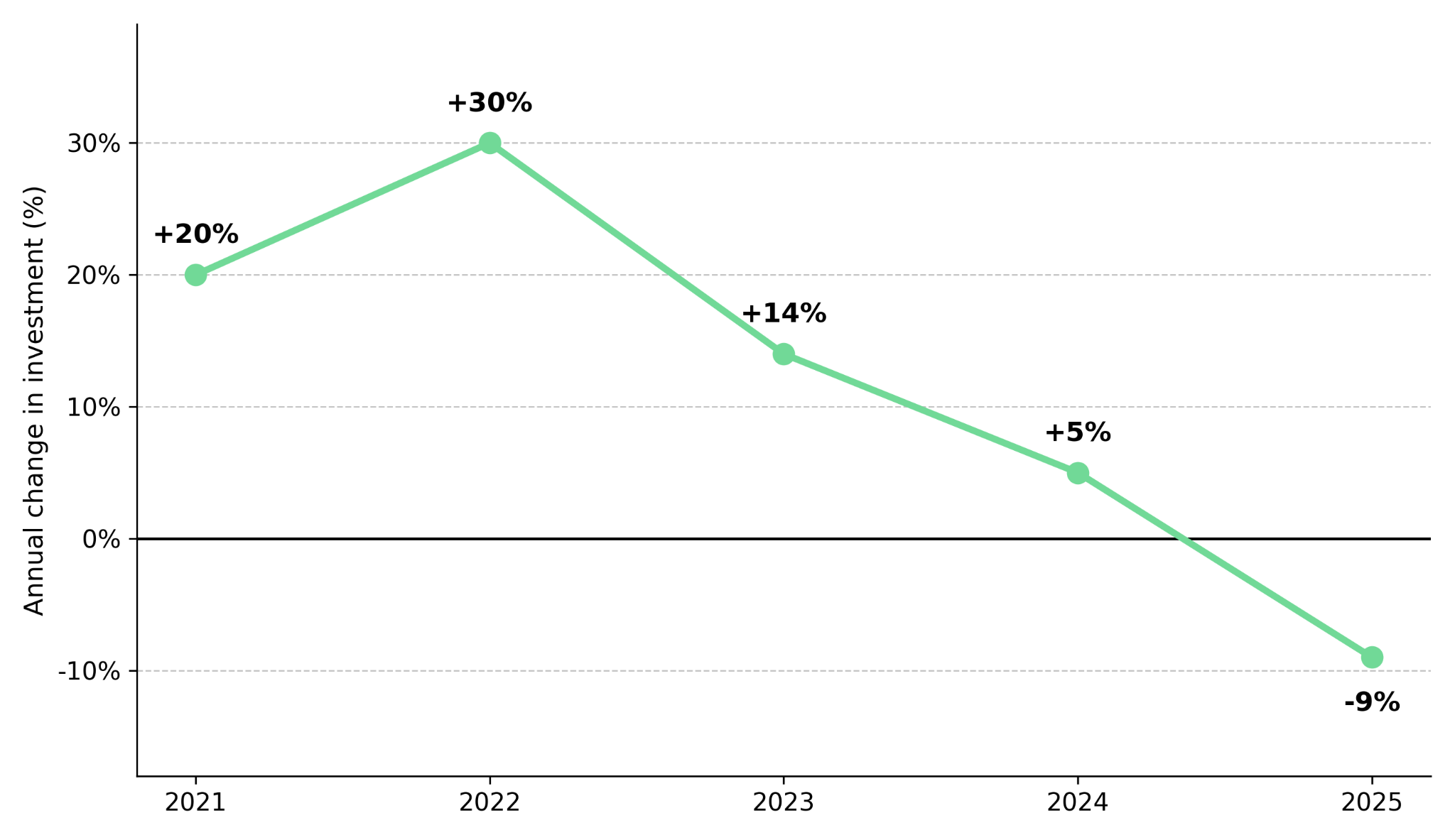
Lithium is following a similar pattern, although the supply constraint is driven by lower investment rather than government policy. Lithium carbonate fell to 140,000 CNY per tonne on August 3, 2026, down 15.28% over the past month but still 96.22% above the year-ago level. The International Energy Agency (IEA) records critical minerals investment down 9% in 2025, the first substantial decline since 2020, with battery materials companies cutting 20% and lithium specialists cutting around 40%. Those investment cuts occurred despite lithium demand growing by roughly 25% annually over the previous two years, increasing the risk of future supply shortages. Near-term lithium prices remain capped by restart supply, including CATL's Jianxiawo operation, while global production is targeted to increase 26% year over year in 2026.
Lithium Ionic advanced pre-construction activities at its 100%-owned Bandeira Lithium Project by issuing requests for quotation for two underground mine portals on July 8, 2026. The company also secured water access, completed key engineering and mine planning work, and advanced procurement for major processing equipment, reducing execution risk as lithium investment across the sector continues to decline.
Blake Hylands, Chief Executive Officer of Lithium Ionic, explains why lithium supply forecasts continue falling short:
"These sort of projected supply models are falling away because they can't afford to actually come online. We're actually seeing contraction in the production space, and so these projections of where supply is going to be are way off, and demand continues to grow."
Policy-Driven Costs Shift Battery Metal Selection From Resource Size to Cost-Curve Position
Indonesia and China now play a central role in determining battery metal production costs, with Indonesia setting the nickel cost floor through RKAB quotas and HPM benchmark pricing, while China influences refining throughput and secondary supply through the Ministry of Industry and Information Technology's roadmap published on July 31, 2026. The IEA reports that the leading refining country accounted for an average of 72% of global refining capacity across critical minerals, excluding rare earths, in 2025, up from 70% in 2023, increasing the strategic importance of projects that diversify battery metal supply outside these policy-driven systems.
ESDM's decision on supplementary RKAB applications following the July 31 submission window will show whether Indonesia maintains its current production limits or allows additional ore supply. LME nickel prices will indicate whether higher production costs are beginning to influence market pricing. Indonesian NPI prices should provide the earliest indication of tightening physical supply because they respond more quickly than exchange inventories.
Higher nickel prices become less likely if ESDM raises the 2026 ore quota above 300 million wmt, removing the projected supply deficit, or if Indonesian producers continue operating below the estimated cost floor without meaningful production cuts, indicating the modeled break-even is too high. They also become less likely if sulfur supply normalizes and HPAL margins recover, reducing cost pressure on laterite processing. The outlook for tighter lithium supply weakens if production grows faster than the targeted 26% in 2026 while demand growth falls below the IEA's recent 25% annual average, allowing supply to outpace consumption.
The Investment Thesis for Battery Metals
- A cost floor above spot prices can only resolve through higher realized prices or lower production, increasing the relative value of nickel assets that already sit below the industry's marginal cost.
- Processing route now matters more than ore grade in determining project economics, giving sulfide developers and non-acid recovery operations a competitive cost advantage even if nickel prices remain unchanged.
- A $2,250 per tonne spread between Tier 1 forecasters reflects uncertainty over Indonesia's quota enforcement, leaving lower-cost projects outside the quota regime better positioned if supply restrictions continue.
- A 40% reduction in lithium capital spending despite average annual demand growth of 25% delays replacement supply, increasing the likelihood of tighter market conditions as existing projects are depleted.
- For pre-construction projects, access to funding determines whether low-cost assets reach production, making treasury position, available financing, and funding deadlines more important than project quality alone.
- Jurisdictions with established permitting pathways and existing infrastructure shorten the time between a completed feasibility study and first production, increasing the present value of future cash flows and reducing development risk.
- Development and exploration-stage battery metal companies remain exposed to permitting delays, capital cost overruns, metallurgical recovery shortfalls, and funding constraints that can delay or prevent mine development. Changes to Indonesia's quota policy could also alter the expected nickel supply response and weaken the investment case presented in this article.
Commodity surpluses and elevated inventories can persist for years, but sustained production below a policy-driven cost floor is less likely because higher-cost supply eventually leaves the market. Government policy now plays a larger role in determining battery metal production costs, increasing the importance of cost-curve position, processing route, and execution risk when evaluating projects. Projects that remain competitive below Indonesia's cost floor are better positioned than those whose economics depend primarily on higher nickel prices.
TL;DR
Indonesia's higher nickel production costs, driven by lower ore quotas and revised benchmark pricing, are keeping spot prices below break-even and increasing the likelihood of either higher prices or lower output over time. Although refined nickel inventories remain high, cost pressure is expected to reduce producer margins and supply before warehouse stocks decline. Lithium faces a similar long-term supply challenge, not from policy but from a 40% reduction in capital spending despite continued demand growth. Together, these trends increase the relative value of lower-cost projects, sulfide deposits, disciplined developers, and companies with the funding and permitting needed to bring new supply to market.
FAQs (AI-Generated)
Analyst's Notes





Subscribe to Our Channel






Stay Informed


