




Crawford's Next Test Isn't Permits or Capital; It's the Construction Calendar


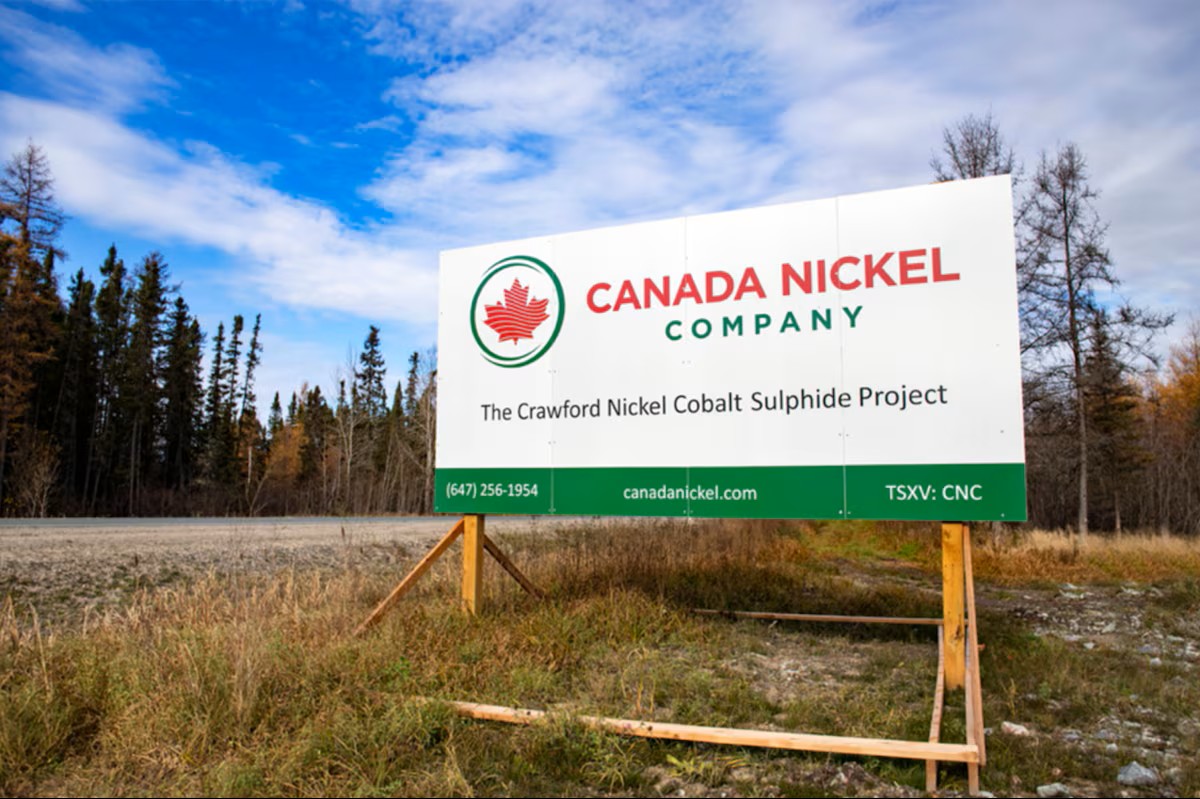
Canada Nickel has federal approval and financing. Crawford's next test is a fixed construction calendar and procurement queue.
- Canada Nickel's Crawford Nickel-Cobalt Sulfide Project became the first mining project to complete Canada's federal Impact Assessment Act process from start to finish since the legislation took effect in 2019.
- A $21 million financing closed with a single family office investor gives Canada Nickel the capital to begin full detailed engineering and long-lead procurement ahead of a targeted mid-2027 Final Investment Decision (FID).
- The company has already selected Komatsu and dealer SMS Equipment to supply more than 300 machines across Crawford's load, haul, and support mining fleet, worth approximately C$1.5 billion over Crawford's 40-year mine life, the first concrete step in that procurement queue.
- Ontario's Abitibi region construction season means Crawford must break ground in the fourth quarter or wait a full year for the next window, turning the 2027 FID into a hard scheduling constraint rather than a soft target.
- Front End engineering and Design work completed in 2025 lifted Crawford's after-tax net present value at an 8% discount rate to US$2.8 billion and its internal rate of return to 17.6%, while cutting pre-stripping by 30%.
What Has Happened
Canada Nickel Company Inc. (TSXV: CNC | OTCQX: CNIKF) has cleared the 2 gating items that typically stall junior mining developers: the main federal permit and near-term financing. The federal government's decision statement under the Impact Assessment Act is Crawford's primary yes/no permit, and Canada Nickel is the first mining project to move through that legislation, in place since 2019, from start to finish. Supplementary provincial and federal permits remain outstanding, but those center on compiling technical data against defined requirements rather than on a discretionary approval decision.
Alongside the permit, Canada Nickel closed a $21 million financing with a single family office investor. That capital does not fund construction. It funds the transition into full detailed engineering and the start of long-lead equipment ordering, the work that has to happen years before a shovel goes into the ground.
A Fixed Calendar Behind a Flexible Milestone
Canada Nickel has guided to a Final Investment Decision (FID) around mid-2027, with construction starting by the end of that year. What makes that date less flexible than it looks is Ontario's Abitibi region construction season: large civil works in the area have to start in the fourth quarter, or the project loses the window until the following fourth quarter. A slip of even a few months past mid-2027 does not shave a proportional amount off the schedule. It can cost a full year.
That calendar constraint is why the current phase, ramping detailed engineering and locking in equipment orders now, carries more weight than it would on a project without a fixed seasonal build window. The July 2026 investor presentation lays out the same sequence: permitting, financing, and construction converging through 2026 and 2027, a roughly 27-month construction period, and first production targeted for 2029.
Long-Lead Procurement Already in Motion
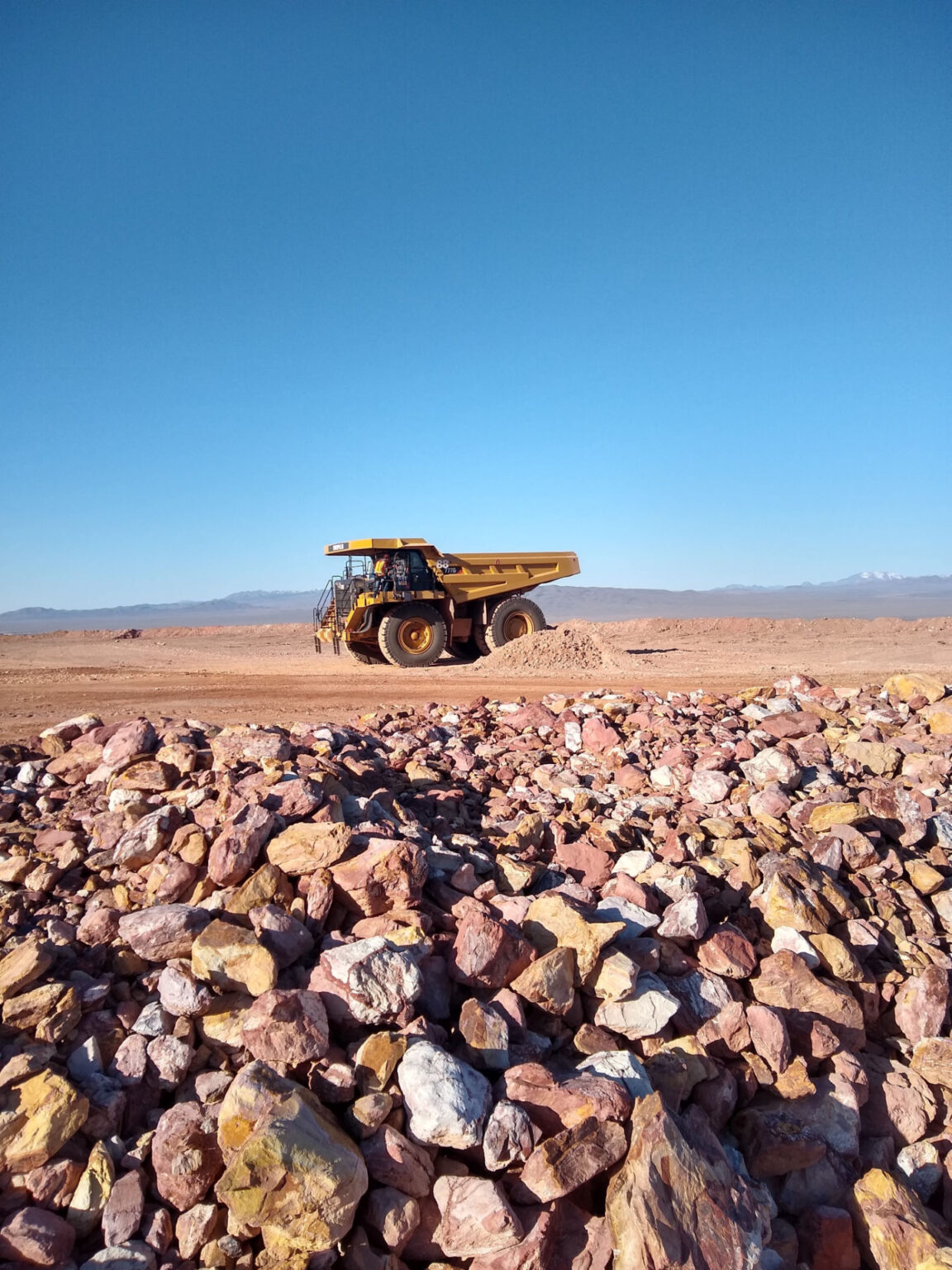
The clearest evidence that Crawford has entered execution mode arrived on September 14, 2026, when Canada Nickel selected Komatsu and its largest Canadian dealer, SMS Equipment, to supply a load, haul, and support mining fleet for Crawford. The order covers more than 300 machines with a current value of approximately C$1.5 billion, to be purchased over the project's 40-year life. Canada Nickel evaluated proposals from 4 equipment vendors before selecting Komatsu for its automation and electrification technology, including DISPATCH fleet management and FrontRunner autonomous haul trucks, along with SMS Equipment's experience implementing trolley-assisted truck haulage at other Canadian operations.
Definitive agreements with SMS Equipment and Komatsu, along with fleet support agreements and previously announced fleet financing arrangements with the Taykwa Tagamou Nation, are targeted for completion by the first quarter of 2027. That timeline lines up directly with the FID target: the fleet contracts are meant to be locked in before, not after, the construction decision itself.
The Engineering Ramp Behind the Milestone
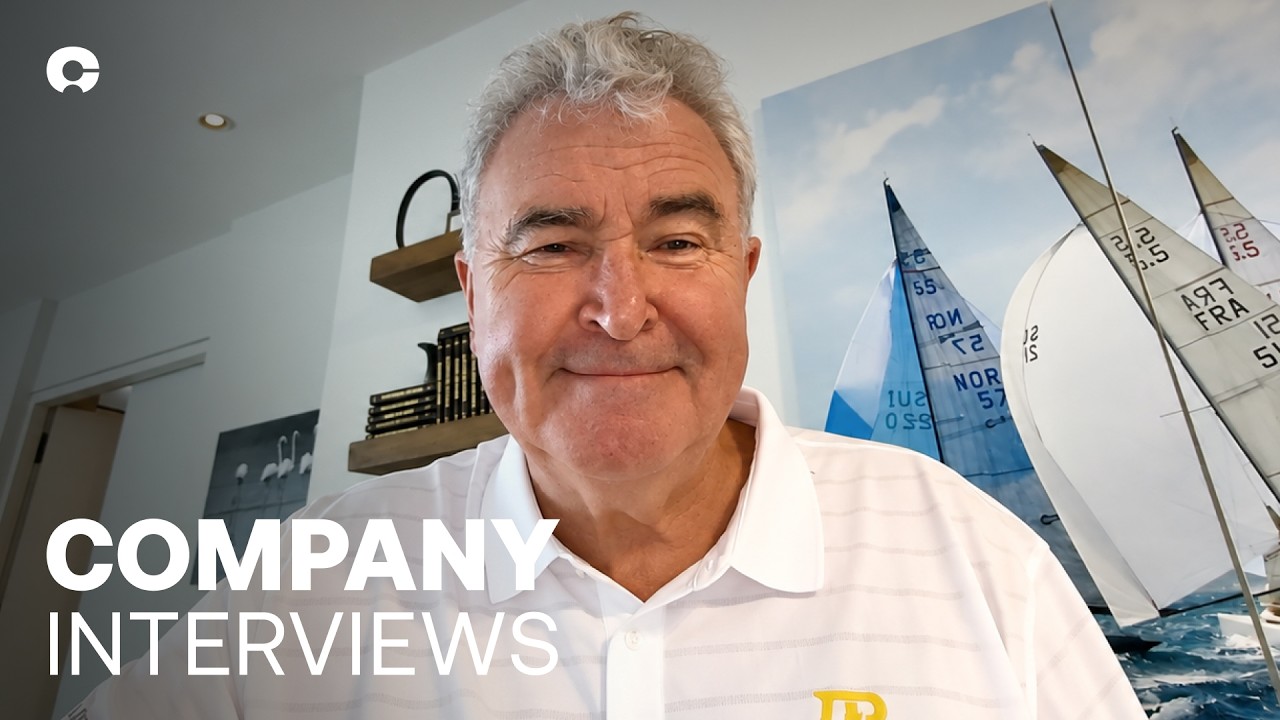
Placing a fleet order is one visible signal. The less visible work is the engineering hours behind it. Chief Executive Officer and Director of Canada Nickel Company Inc., Mark Selby, described the sequencing now underway:
"There are really 2 main pieces to that: one is to start placing long-lead items so you get your orders in the queue and they're ready to go by the time the project needs them in a couple of years. And then detail engineering, you're talking about hundreds of thousands of engineering hours that have to go into a project, so you can't go from zero to 100. You have a very steady ramp-up over that time period."
That steady ramp connects the federal decision statement to the 2027 FID. A permit alone does not produce a construction-ready project. Hundreds of thousands of engineering hours have to be completed on a schedule that works backward from the Abitibi construction window, which is also why the company frames the current financing as funding for engineering and procurement specifically, not as project construction capital.
Broader Context & What to Watch Next
Crawford's position inside 2 government fast-track programs supports the case that this execution phase is being actively monitored rather than left to run on its own timeline. Canada Nickel is 1 of 5 mining projects designated under the federal Major Projects Office, and the earliest-stage project among them; according to Selby, the other 4 already had feasibility work or full permitting in place. At the provincial level, Crawford is 1 of 3 projects in Ontario's One Project, One Process framework, alongside Frontier Lithium's PAK and Kinross's Great Bear gold project.
The underlying project economics also moved in Crawford's favor during 2025. Front End Engineering and Design work raised the after-tax net present value at an 8% discount rate to US$2.8 billion from a 2023 feasibility study figure of US$2.5 billion, lifted the internal rate of return to 17.6% from 17.1%, and cut pre-stripping by 30% even as initial capital costs rose only 5% to approximately US$2.0 billion. According to Selby, Crawford alone represents more than $70 billion in GDP, a figure that has featured in the case for the project's fast-track designations.
For investors, the milestones to track over the next 2 to 3 quarters are narrower than permitting or financing. They are: whether the definitive Komatsu and SMS Equipment agreements close on the targeted first-quarter 2027 timeline, whether the additional financing initiatives management has flagged for October and November 2026 materialize, and whether Export Development Canada converts its existing letter of intent into a term sheet.
FAQs (AI-Generated)
Analyst's Notes





Subscribe to Our Channel




Stay Informed


