Oil Drops Betting Iran Talks Will Succeed, but Enriched Uranium Talks Stall


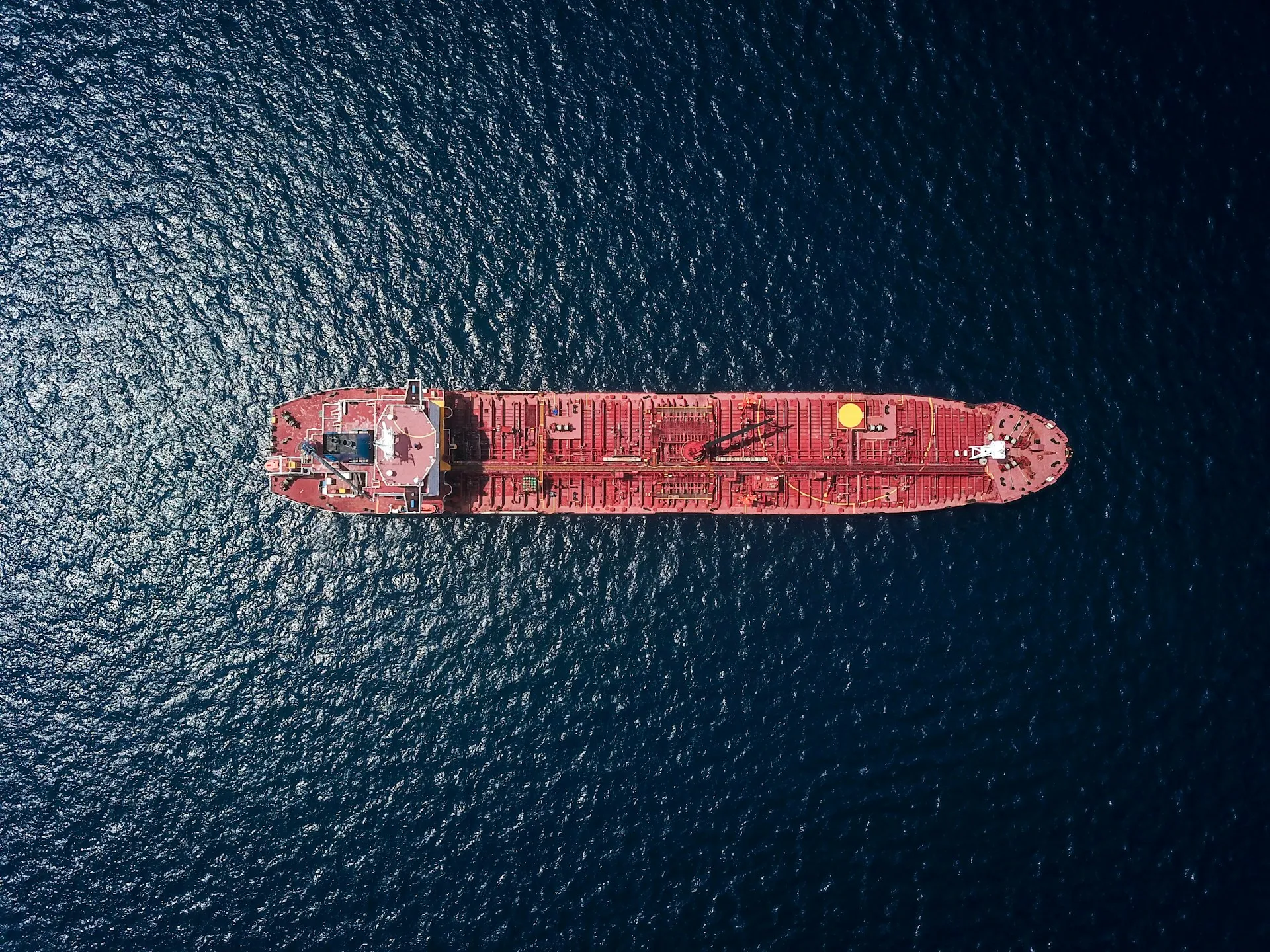
Oil drops on Iran talk announcement despite stalled uranium standoff. Wednesday 8pm deadline determines Strait of Hormuz status controlling 20% global oil.
- Peace talks resume Wednesday in Islamabad with the ceasefire expiring at 8 pm Eastern Time, determining whether the Strait of Hormuz (handling roughly one-fifth of global oil and liquefied natural gas supply) reopens or remains restricted
- Oil dropped approximately $0.50 per barrel on Tuesday, reversing Monday's 6% spike, pricing in diplomatic success before the uranium enrichment standoff has been resolved
- Trump demands Iran surrender its highly enriched uranium stockpile to prevent nuclear weapons development; Iran demands recognition of enrichment rights for peaceful purposes plus sanctions relief. Neither position has shifted since February 28th
- If Iran executes threats to strike Gulf Arab infrastructure, the 6% Monday oil jump would serve as a baseline for a larger commodity spike, as 20% of global oil supply traversing the Strait faces a direct threat
- Near-term traders face massive overnight gap risk from the 8 pm Wednesday deadline, making leveraged equity positions extremely dangerous
Tuesday's Price Drop Assumed Success Before Talks Even Started
Vice President JD Vance confirmed Tuesday that US negotiators will meet Iranian lead diplomat Mohammad Baqer Qalibaf in Islamabad on Wednesday, hours before the temporary ceasefire expires at 8 pm Eastern Time. Oil prices eased approximately $0.50 per barrel on the announcement, reversing Monday's 6% spike that occurred when the US military seized an Iranian cargo ship on Sunday. Asian equities bounced back after Monday's decline.
Iran's uranium enrichment program agreement remains unchanged. Trump insists Iran surrender its stockpile of highly enriched uranium to prevent nuclear weapon development. Iran demands formal recognition of its right to enrich uranium for civilian nuclear power, return of Sunday's seized vessel, and sanctions relief. Neither position has moved since the air war started on February 28.
Wednesday's Talks Offer No Mechanism for Partial Resolution
The US and Israeli air campaign on February 28 targeting Iranian nuclear sites triggered this crisis. The two-week ceasefire, beginning around April 7, didn't resolve the uranium question; it only postponed it. The US maintains its blockade of Iranian ports while Iran restricts tanker traffic through the Strait of Hormuz, handling roughly one-fifth of global oil and liquefied natural gas supply. Both sides retain the capacity to escalate if Wednesday's talks fail.
Trump warned the US would destroy Iranian bridges and power plants if Iran rejects his uranium terms, a strategy White House Press Secretary Karoline Leavitt described as a hardline negotiating style. Iranian top negotiator Mohammad Baqer Qalibaf accused the US of turning the negotiating table into a table of submission. Iranian military commanders threatened immediate retaliation against Gulf Arab neighbors if civil infrastructure is attacked. Pakistan deployed 20,000 security personnel to secure the Islamabad venue, confirming logistical commitment to hosting talks but not resolving the uranium standoff.
If the Deadline Passes, Energy Markets Face Severe Supply-Side Disruption
The Strait of Hormuz processes roughly one-fifth of the global oil & liquefied natural gas supply. Recent hostilities and blockades have caused what analysts describe as a "historic shock" to energy markets, evidenced by a dramatic surge in jet fuel prices since the conflict began.
If Wednesday talks collapse and the ceasefire expires at 8 pm Eastern Time, the market faces severe supply-side disruption. If Iran follows through on threats to strike Gulf Arab infrastructure, 20% of the global oil supply traversing the Strait faces a direct threat. Monday's 6% jump in oil prices would serve as a baseline for a much larger commodity spike, exacerbating recession fears.
Conversely, if Vance and the Iranian delegation successfully navigate talks, the risk premium embedded in current energy prices will quickly compress. Lenders and institutions evaluating transportation, logistics, and energy-intensive manufacturing sectors must stress-test models against sustained crude price elevation if blockade and retaliatory closures persist, restricting corporate margins and shifting capital allocation defensively.
Investors Face Downside Risk if Ceasefire Expires Without Agreement
Investors with exposure to broad market indices, transportation equities, or energy-intensive sectors face severe downside risk if the ceasefire expires without a framework for continued peace. The decision framework requires asking whether portfolios can withstand a sudden inflationary shock, mirroring historical disruptions of major Middle Eastern conflicts.
If talks fail and the US strikes Iranian infrastructure, prompting Iranian retaliation against Gulf neighbors, investors heavily weighted in unhedged consumer discretionary or airline stocks face immediate loss-of-capital risk due to surging operational fuel costs.
Investors may reliably predict outcomes of closed-door negotiations involving rigid conditions: Iran's demand to retain uranium enrichment rights versus the US demand to eliminate them entirely. Time horizon considerations are crucial: near-term traders face massive overnight gap risk due to the 8 pm Wednesday deadline, making leveraged equity positions extremely dangerous. Long-term holders should reassess structural allocations to commodities and defense sectors rather than attempting to trade the binary diplomatic outcome.
What Would Invalidate This Analysis
This analysis assumes both the US and Iran are economically incentivized to avoid a broader regional war that would devastate their respective domestic priorities. This breaks if either delegation officially withdraws from Wednesday's planned meetings in Islamabad.
Alternative failure scenario: premature military action before talks conclude. If the US executes threats against Iranian power plants, or if Iran strikes Gulf Arab neighbors before the deadline, the diplomatic window closes immediately. Investors should monitor US Central Command statements regarding new maritime intercepts in the Arabian Sea or the Strait of Hormuz, as well as the official ceasefire expiration at 8 pm Eastern Time on Wednesday.
Pakistan's deployment of 20,000 security personnel indicates a genuine logistical commitment to hosting talks. If either the US or Iranian delegation withdraws before 8 pm, markets will reprice to reflect the full risk of a Strait closure.
Analyst's Notes





Subscribe to Our Channel
.jpg)

.png)




Stay Informed