




Oil Near $97 Tests Mining Margins, Rewarding Low-Cost Projects


Oil near $97 raises diesel, blasting and financing costs for mines, widening the advantage of lower-cost projects with less funding exposure.
- Brent crude rose over 2% to $96.59 a barrel and West Texas Intermediate (WTI) gained 1.73% to $91.78 on September 2, extending a three-session rally after renewed US strikes on Iranian targets.
- Europe's benchmark gas contract rose 2.3% to 73.85 euros a megawatt-hour, up 25% on the month and the highest since 2022.
- Natural gas is the main feedstock for ammonia used in ammonium nitrate blasting agents, leaving mines exposed to higher blasting costs because no practical substitute is known.
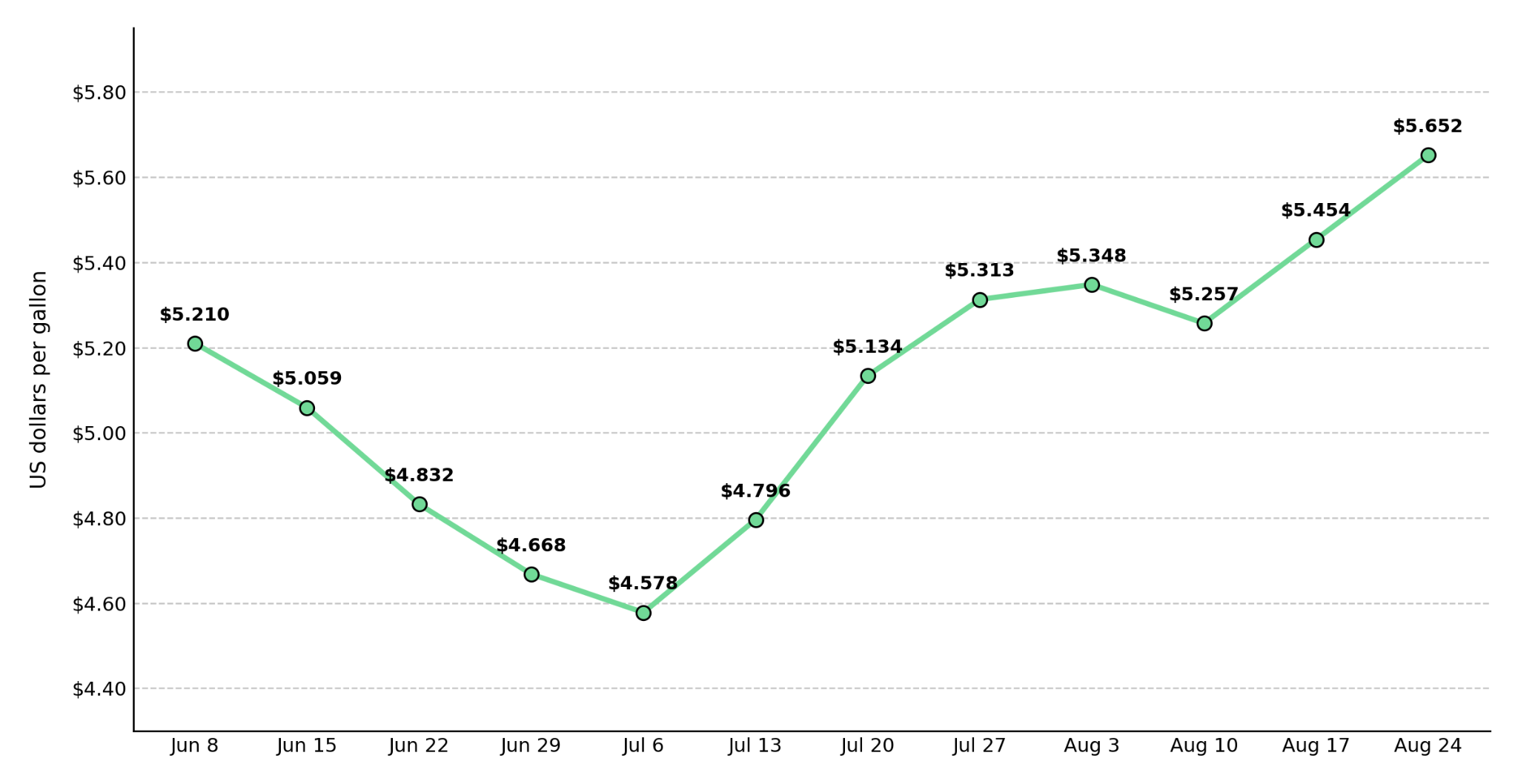
- US refineries ran at 97.4% of capacity while distillate stocks sat 14% below the five-year average on September 2, 2026, limiting a near-term decline from $5.652-a-gallon diesel and keeping mine fuel costs elevated.
- Brent below $83.76 for 10 straight sessions or the 10-year Treasury yield falling from 4.81% to below 4.50% would signal lower fuel or financing pressure, improving 2027 mine economics.
US-Iran Strikes Lift Brent to $96.59, Widening Margins for Low-Fuel Operations
Brent rose over 2% to $96.59 a barrel after gaining nearly 6% in the previous session, while WTI climbed 1.73% to $91.78 as renewed US strikes on Iranian targets and Tehran’s retaliation against US allies extended the oil rally and increased fuel-cost pressure on mines.
Dutch front-month gas futures rose 2.3% to 73.85 euros a megawatt-hour, up 25% on the month and the highest since 2022, raising ammonia costs that feed into ammonium nitrate blasting agents, while higher crude increases diesel costs for hauling and mine operations.
Near-Full Refineries Keep Diesel Tight, Raising Hauling Costs
US crude inventories stood at 428.9 million barrels, about 1% above the five-year average, while distillate stocks fell to 103.4 million barrels, about 14% below average. Refineries running at 97.4% of capacity leave little room to rebuild diesel stocks quickly, keeping retail diesel at $5.652 a gallon, $1.944 above a year earlier, and raising mine hauling costs.
The Strategic Petroleum Reserve fell to 289.7 million barrels from 404.2 million a year earlier, reducing the buffer available against another oil supply shock. Ammonia carries similar Gulf exposure, with Iran producing 4.8 million tonnes and Qatar 3.0 million tonnes of the 160 million tonne global total in 2025, leaving ammonium nitrate blasting costs exposed to regional supply disruptions.
4.81% Treasury Yield Compresses Mine Valuations, Favoring Lower-Funding Projects
The 10-year US Treasury yield rose to a near three-year high of 4.81% while the 2-year reached 4.41%, as markets priced a European rate hike and a 68% chance of a Fed hike. Higher discount rates reduce undeveloped-mine valuations as fuel and blasting costs rise, favoring projects less dependent on near-term financing.
Charu Chanana, Chief Investment Strategist at Saxo, said bondholders are demanding a higher premium for inflation and fiscal risk, making a 5% US 10-year Treasury yield increasingly plausible before buyers return. A move to that level would further raise discount rates and pressure undeveloped-mine valuations.
European Gas Hits Highest Since 2022, Giving North American Supply a Cost Edge
Surface mines face two energy-cost channels: crude raises diesel costs for hauling, while natural gas raises ammonia costs used in ammonium nitrate blasting agents. With no practical substitute for nitrogen-based blasting agents known, higher gas prices are harder to offset through operating changes.
About 57% of US ammonia capacity is concentrated in Louisiana, Oklahoma and Texas near natural gas supply, with Henry Hub projected to average $4.01 per million British thermal units in 2026. Mines sourcing ammonium nitrate from North American producers have less exposure to European gas shocks, where gas accounted for up to 90% of variable ammonia production costs at the 2022 peak.
A strike on Gulf ammonia infrastructure cannot be timed, so the actionable screen is disclosure of fuel-price assumptions, explosives contract terms, and hedged fuel exposure. Producers reporting these inputs offer clearer cost visibility, while those omitting them leave 2027 margin exposure harder to price.
Diesel Inventories Decide When Margins Recover
Distillate stocks at 103.4 million barrels and refinery utilization at 97.4% leave little spare capacity to rebuild diesel inventories quickly. Low strip ratio mines require less fuel for waste movement, while fixed-price explosives contracts limit blasting-cost increases, giving both a cost advantage while energy prices remain elevated.
Brent below $83.76 for 10 consecutive sessions would signal a fading war premium and reduce diesel-cost pressure on mines. A 10-year Treasury yield below 4.50%, from 4.81%, would lower discount rates and support development-stage mine valuations.
Distillate stocks rebuilding toward 114.2 million barrels in the Wednesday EIA report would signal refining is catching up, while Monday diesel below $5.00 a gallon from $5.652 would support lower mine fuel assumptions. Together, those signals would justify lower diesel inputs in mine models and improve projected margins for fuel-intensive operations.
Analyst's Notes





Subscribe to Our Channel
.png)

.png)


.jpg)



Stay Informed


