




Omai Gold's Preliminary Economic Assessment Shows US$4.0 Billion After-Tax Value for Omai Project



Guyana-based Omai gold project PEA outlines an 18-year, 6.3 million ounce combined open pit and underground mine plan.
- The PEA combines the Wenot open pit and the adjacent Gilt underground deposit into a single 18-year mine plan expected to produce 6,326,775 ounces of payable gold.
- At a base case gold price of US$3,600 per ounce, the project shows an after-tax net present value of US$4.0 billion and a 24% internal rate of return, rising to US$5.5 billion and 30% at the recent spot price of US$4,200 per ounce.
- Average annual production is projected at 351,488 ounces, with a peak year of 435,667 ounces, at an all-in sustaining cost of US$1,608 per ounce.
- Initial capital costs are estimated at US$1.427 billion, with the investment expected to be recovered in 4.1 years under the base case gold price.
- A 50,000 metre drill programme is under way with five rigs, alongside permitting and engineering work supporting progress toward a feasibility study.
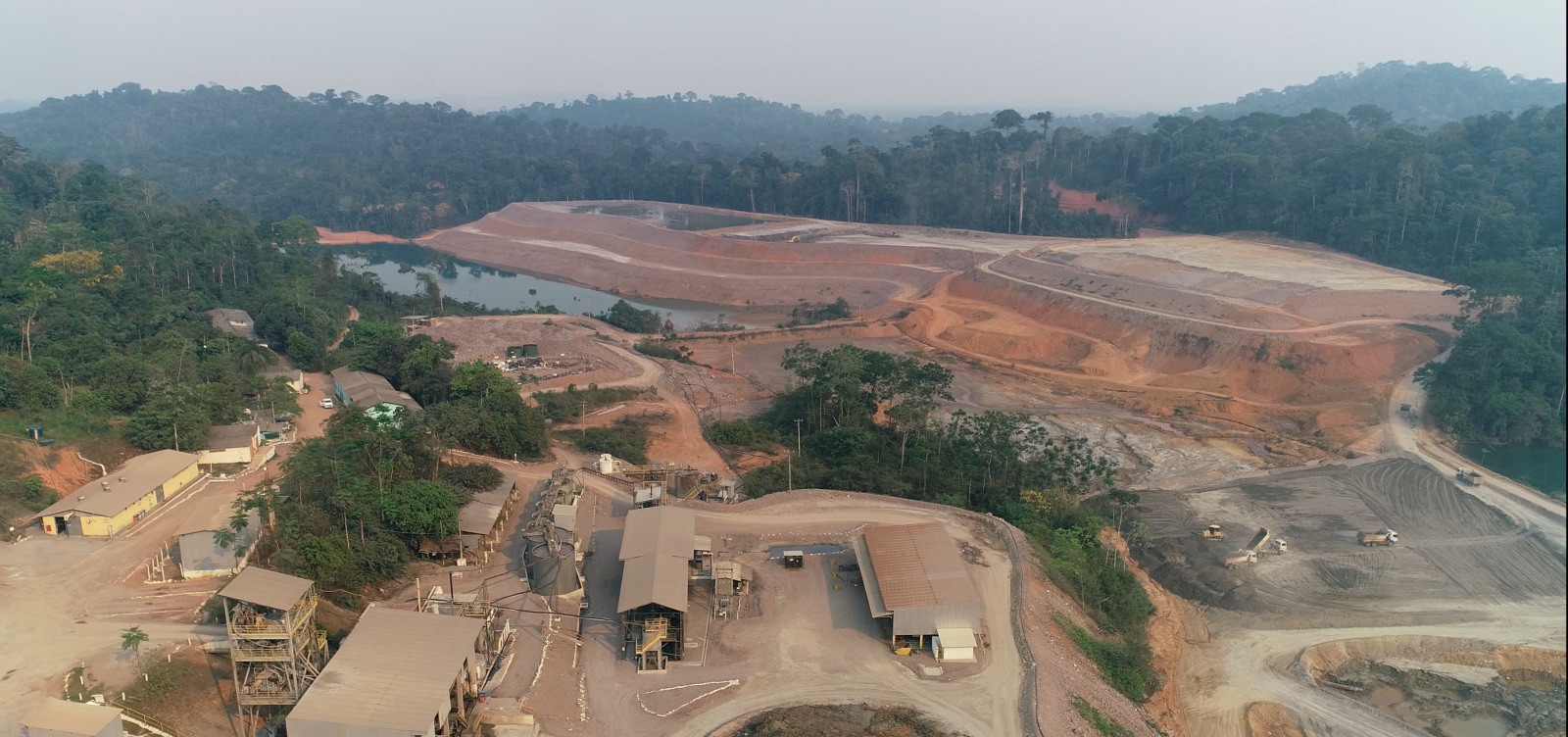
Omai Gold Mines Corp. (TSXV: OMG) (OTCQB: OMGGF) is a Canada-based gold exploration and development company advancing its 100%-owned Omai project in Guyana, South America. The project comprises two adjoining gold deposits, Wenot and Gilt, both of which were expanded following an updated resource estimate published in April 2026. The site operated as a producing mine between 1993 and 2005, yielding more than 3.7 million ounces of gold before closing when prices fell below US$400 per ounce. Five drill rigs are currently active on site as part of a 50,000 metre programme for 2026, targeting further definition and expansion of both deposits.
Omai PEA Delivers US$4.0 Billion After-Tax NPV and 24% IRR on 6.3 Million Ounce, 18-Year Mine Plan
The PEA outlines an 18-year mine plan expected to produce 6,326,775 ounces of payable gold from the combined Wenot and Gilt deposits. At a base case gold price of US$3,600 per ounce, the after-tax net present value is US$4.0 billion at a 5% discount rate, with an internal rate of return of 24% and a payback period of 4.1 years. At the higher recent spot price of US$4,200 per ounce, these figures increase to a US$5.5 billion net present value, a 30% return, and a 3.4 year payback. Net present value reflects the estimated worth of the project's future cash flows discounted to present-day terms, while internal rate of return measures the efficiency of the capital invested.
Total capital requirements include US$1.427 billion in initial construction costs, plus a further US$928 million in sustaining and growth capital spent over the life of the mine. Cumulative after-tax cash flow across the 18 years is projected at US$8.093 billion.
President and CEO Elaine Ellingham said:
"We are very pleased to deliver this PEA, which reinforces the potential for Omai to become a very large-scale mining operation with a clear path to bringing significant economic benefits to the people of Guyana. This project's proposed initial $1.4 billion investment into Guyana, equivalent to over GUY$300 billion would create many quality jobs and spin-off economic development within the interior of the country, while providing solid returns for investors."
Combined Wenot Superpit and Gilt Underground Design Producing Average 351,488 Ounces Per Year at AISC of US$1,608 Per Ounce
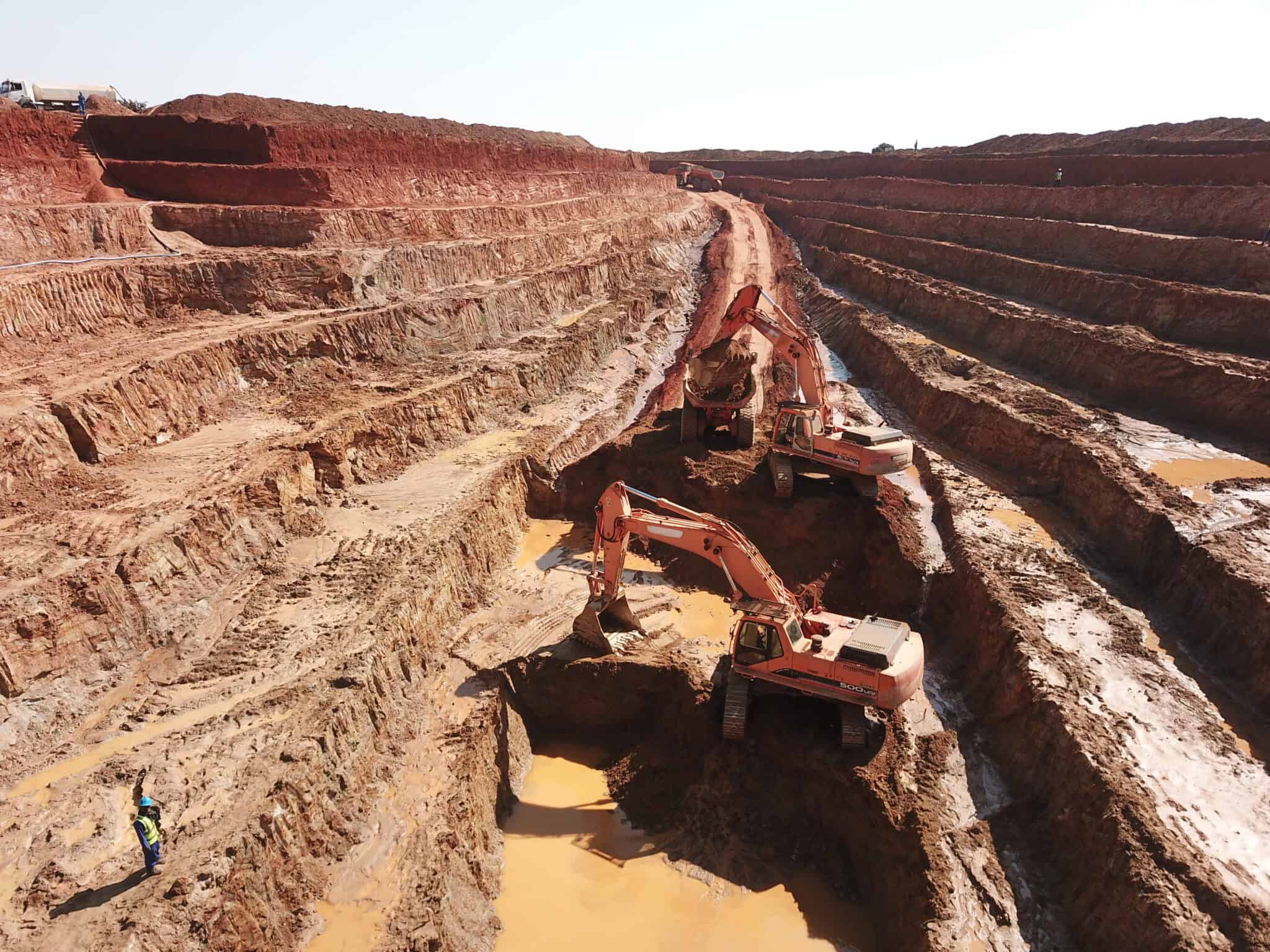
The mine plan pairs open pit mining at the near-surface Wenot deposit with underground mining at the adjacent Gilt deposit. Wenot will be mined using conventional truck-and-shovel methods, forming a pit roughly 2.4 kilometres long and 550 metres deep, and is expected to yield 4.641 million ounces of gold from 134.1 million tonnes of material over the mine life. The Gilt underground mine, developed using drift-and-fill methods with cemented backfill, is set to begin production in year three and contribute a further 2.164 million ounces from ore averaging 2.98 grams per tonne of gold.
Ore from both mines will be processed at a single plant with capacity for 25,000 tonnes per day, using a grinding, gravity separation, and carbon-in-leach circuit. Average gold recovery is estimated at 93%. Combined average annual production across the mine life is projected at 351,488 ounces, with a peak of 435,667 ounces once both operations reach full capacity. All-in sustaining cost, which captures mining, processing, and ongoing capital costs per ounce produced, is estimated at US$1,608.
The peak workforce during operations is expected to reach approximately 900 people, sourced primarily from local communities, rising to between 1,500 and 2,000 during construction.
Ongoing 50,000-Metre Drill Programme and Permitting Advancement Supporting Feasibility Study Progression
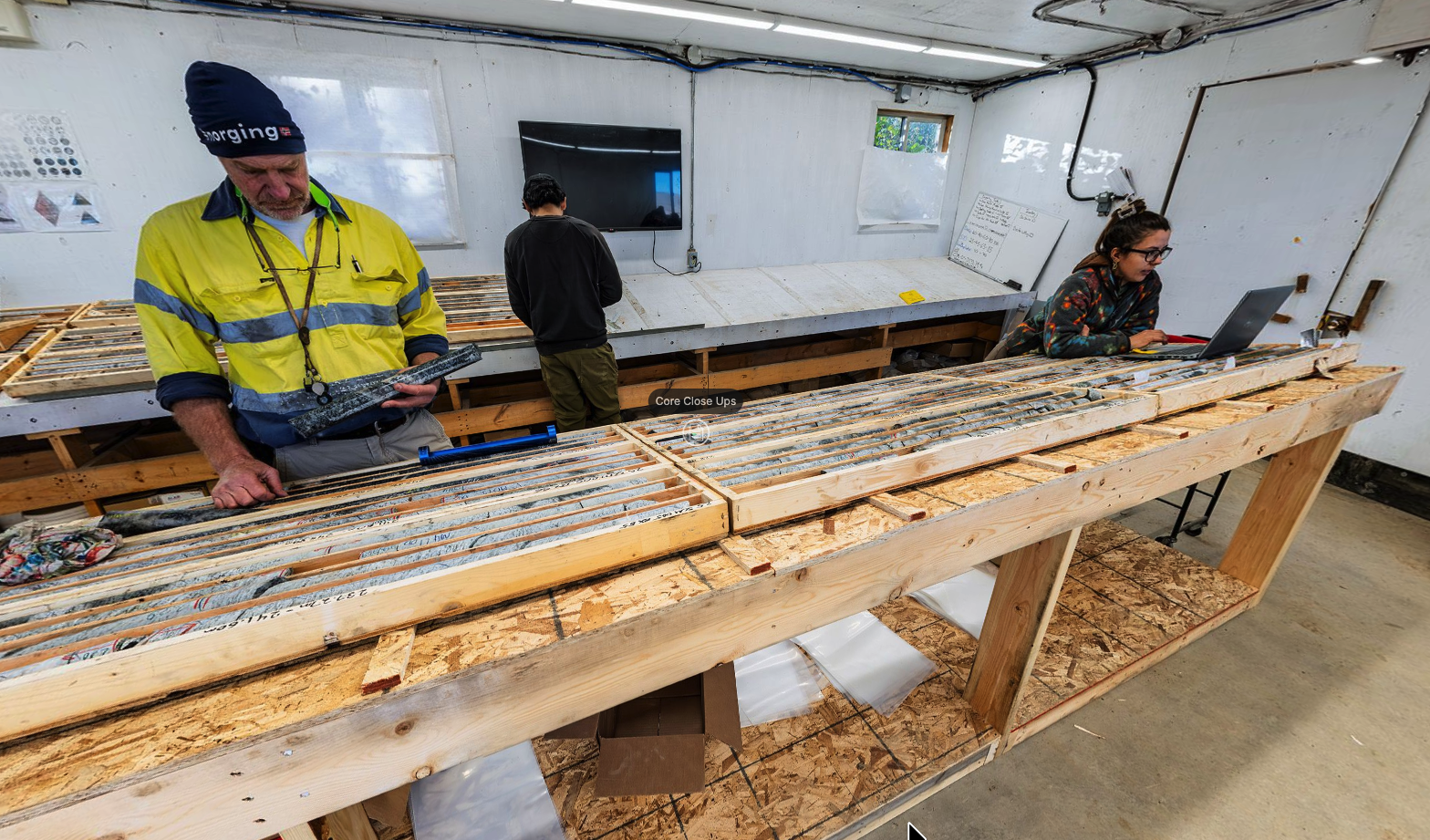
Omai Gold is continuing its 50,000 metre drill programme using five rigs, with work focused on infill drilling at Wenot to upgrade inferred resources to the indicated category, as well as testing extensions to the east and west of the deposit. A further 77 drill holes have been completed since the April 2026 resource estimate and are not yet reflected in the current mine plan; the company plans to update the resource estimate before year end to incorporate these results.
On the engineering and permitting side, dewatering equipment is arriving on site, with related infrastructure work nearing completion. Metallurgical test work continues on core samples from Gilt to refine the processing plant design, alongside plans to finalise the plant site location and carry out further geotechnical and hydrogeological data collection. Environmental permitting steps and engagement with local communities and the Guyanese government are ongoing.
President and CEO Elaine Ellingham said:
"This PEA serves as an important milestone and provides a base from which we intend to advance the project on multiple fronts towards a feasibility study. As a past producer, Omai has many benefits giving it a leg up to re-development, including highway access, a cleared site, an on-site airstrip, a tailings facility, known metallurgy, and the unique confidence that comes from a historical record of economic gold extraction."
Milestones and Next Steps
Omai Gold plans to file the full NI 43-101 technical report supporting the PEA on SEDAR+ within 45 days of this release. Before year end, the company intends to update its mineral resource estimate to incorporate current drilling results along with the 77 already-completed holes not yet included in the existing model. Further work includes condemnation drilling at the proposed plant site, continued geotechnical and hydrogeological data collection, and ongoing environmental permitting steps, ahead of a planned feasibility study.
Analyst's Notes





Subscribe to Our Channel



Stay Informed






















