




One Concentrate, 3 Plants Within 90km of Buen Retiro


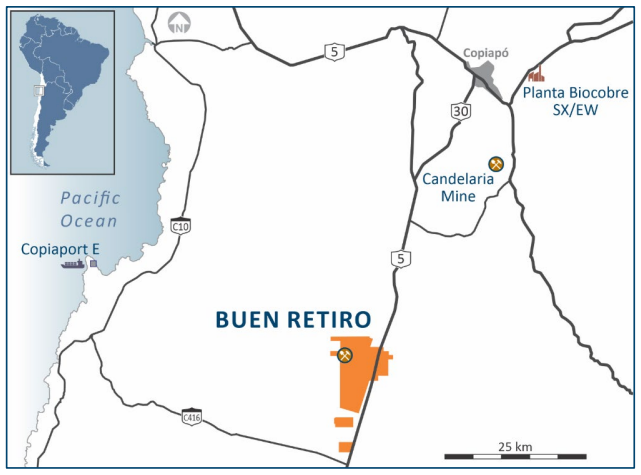
Fitzroy's Buen Retiro can truck a copper sulphate concentrate to any of 3 electrowinning plants within 90km.
- Fitzroy Minerals is evaluating the production of a soluble copper sulphate concentrate on-site at Buen Retiro, to be trucked and processed into copper cathode at any of 3 electrowinning (EW) plants within 90km.
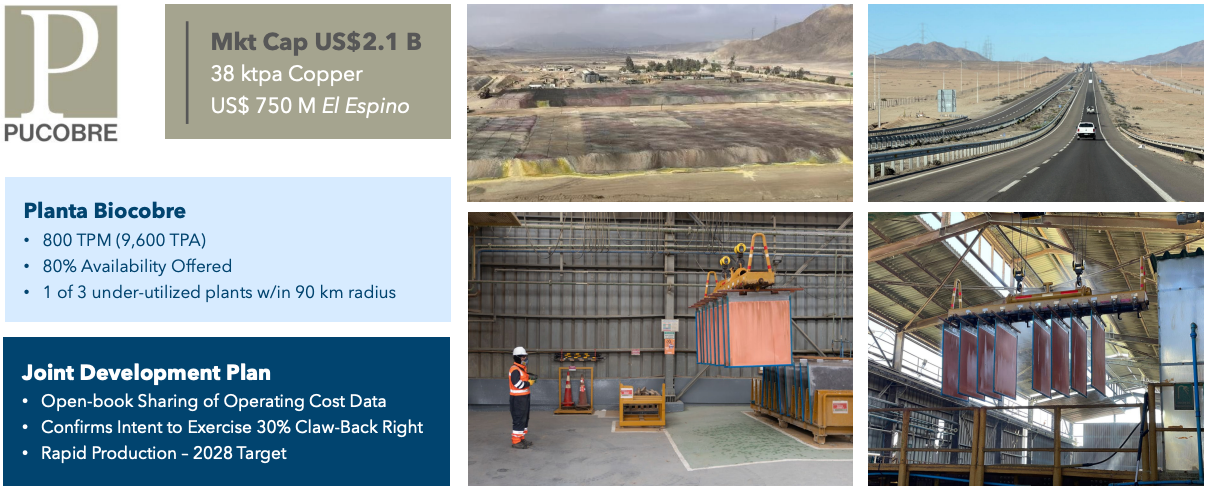
- Among the options is Pucobre's under-utilised Planta Biocobre plant, offered to Fitzroy at 80% availability under a proposed joint venture.
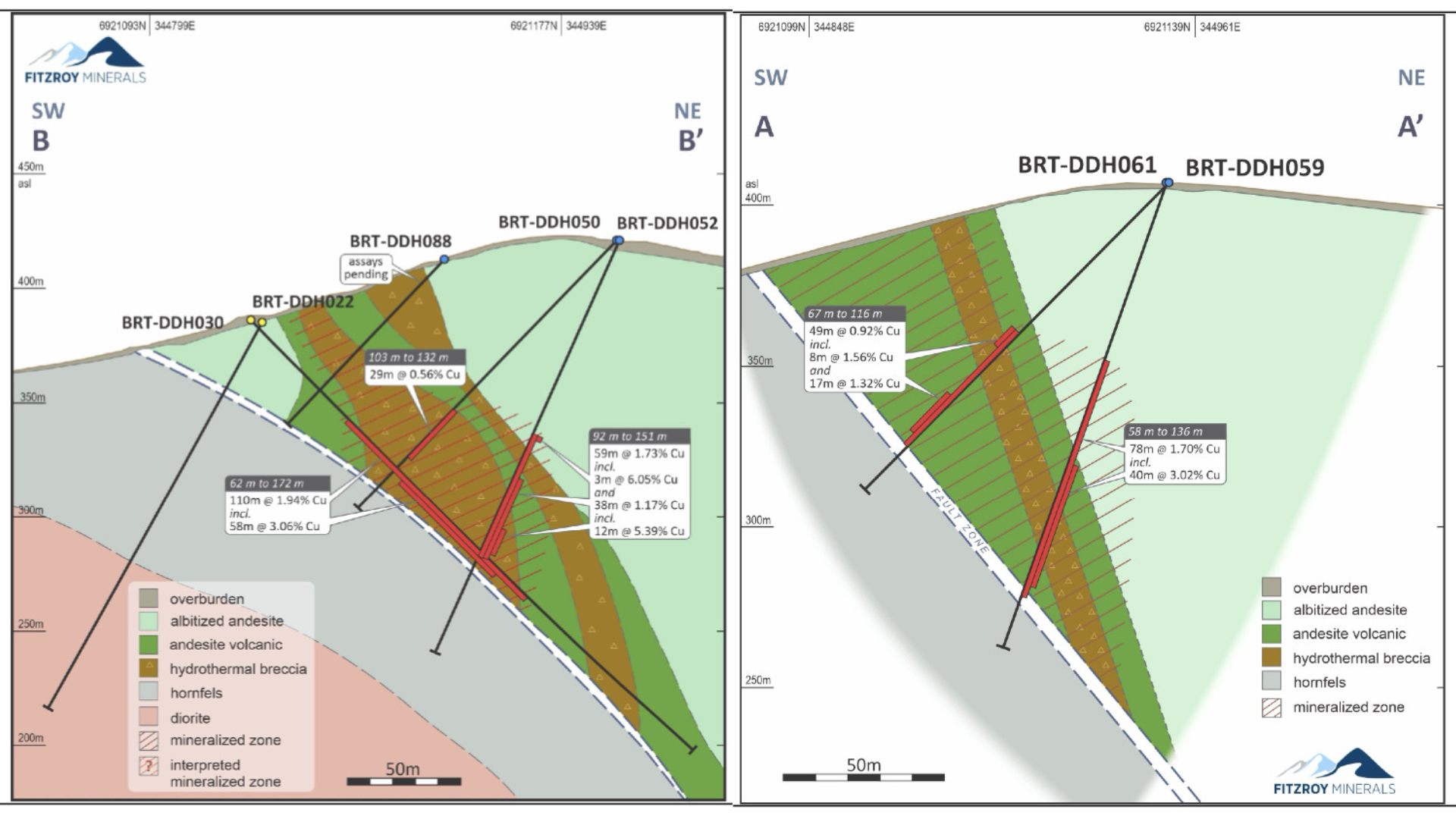
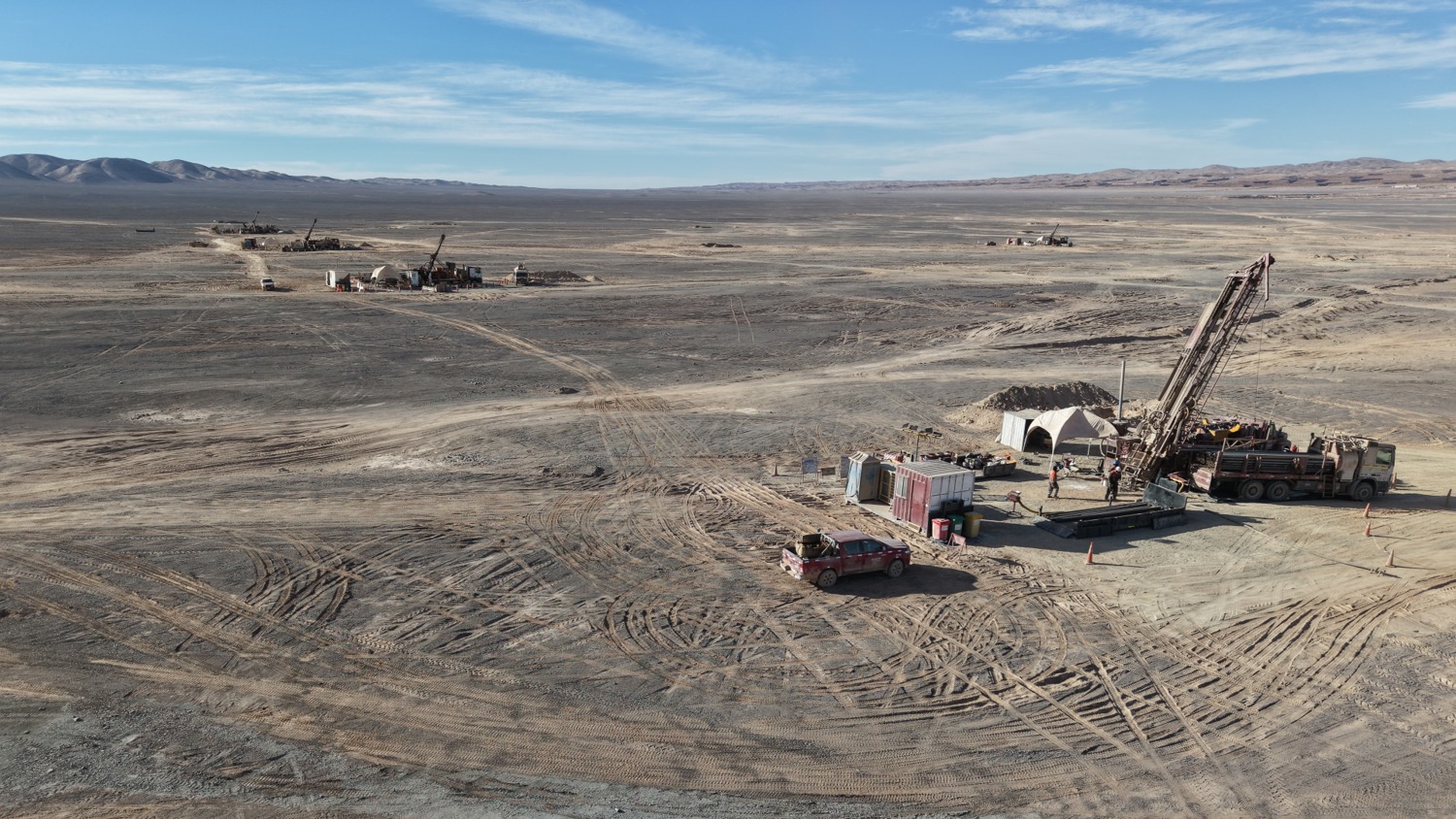
- Drilling reported in June 2026 returned 59.0 metres at 1.73% copper from 92.0 metres depth, including 12.0 metres at 5.39% copper, from near-surface Southwest Area.
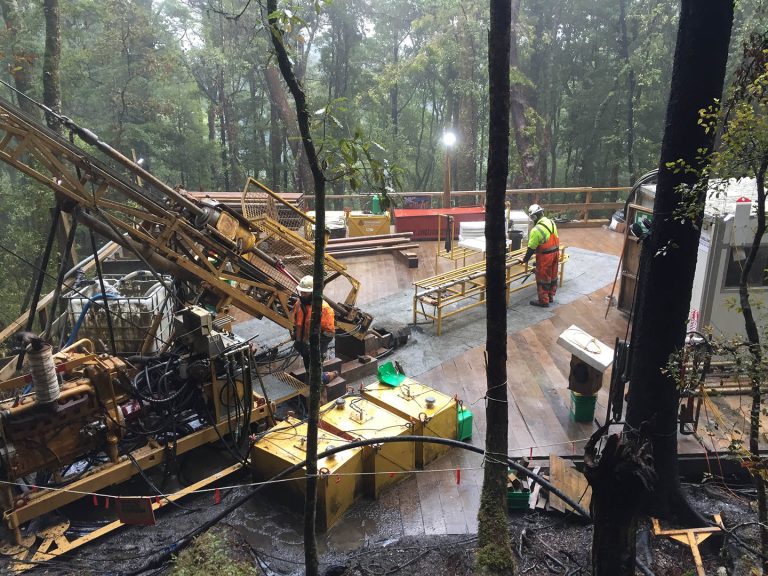
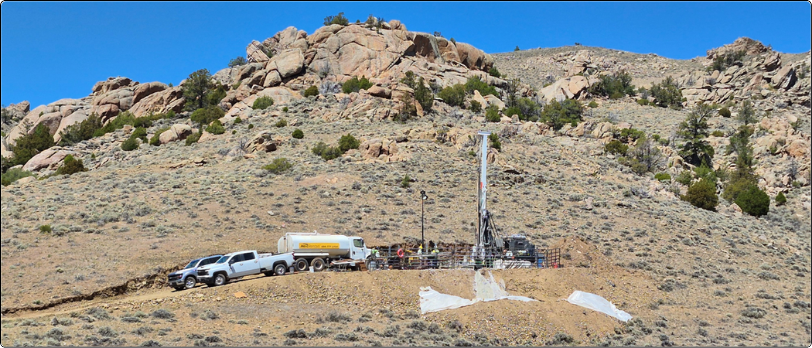
- The 2026 drill programme has expanded to about 22,000 metres as the company continued to intersect shallow mineralisation.
- Fitzroy is targeting an environmental permit application in the third quarter of 2026 and first production in late 2027 or 2028.
What Has Happened
Fitzroy Minerals (TSXV: FTZ | OTCQX: FTZFF) reported a fresh set of drill results from the Southwest Area of its Buen Retiro copper project near Copiapó, Chile, in June 2026, including 59.0 metres at 1.73% copper from 92.0 metres depth, with a higher-grade core of 12.0 metres at 5.39% copper. Because the drilling kept hitting shallow mineralisation, the 2026 exploration and resource-definition programme has expanded to about 22,000 metres. Alongside the results, the company set out how it intends to turn that near-surface material into saleable metal: produce a soluble copper sulphate concentrate on-site, then truck it for processing into copper cathode at any of 3 electrowinning (EW) plants within a 90km radius. That processing choice, rather than the grades alone, is what changes the shape of the development question.
The Copper Sulphate Concentrate Route
The route Fitzroy described in its June 2026 update separates the mine from the plant. Producing a soluble copper sulphate concentrate at Buen Retiro yields a product that can be transported by truck, so the path to cathode does not depend on building a dedicated plant or securing a single processing counterparty. Those plants are close enough to give the concentrate a credible destination without a dedicated build.
Among them is Planta Biocobre, operated by Pucobre, which has been in continuous operation since 1992. Its inclusion turns a processing dependency into a set of alternatives: if a plant is unavailable or uneconomic, the concentrate can be directed elsewhere within the same radius. For a project still ahead of its first resource statement, that flexibility is the practical meaning of the concentrate route.
Planta Biocobre & the Pucobre Processing Option
The Pucobre option gives the concentrate route a concrete near-term home. Planta Biocobre is a solvent extraction and electrowinning plant with a capacity of 800 tonnes per month (9,600 tonnes per annum), but it is operating at a fraction of that capacity. A proposed joint venture offers it 80% of the facility's capacity, removing the need to fund its own processing plant while it establishes the resource.
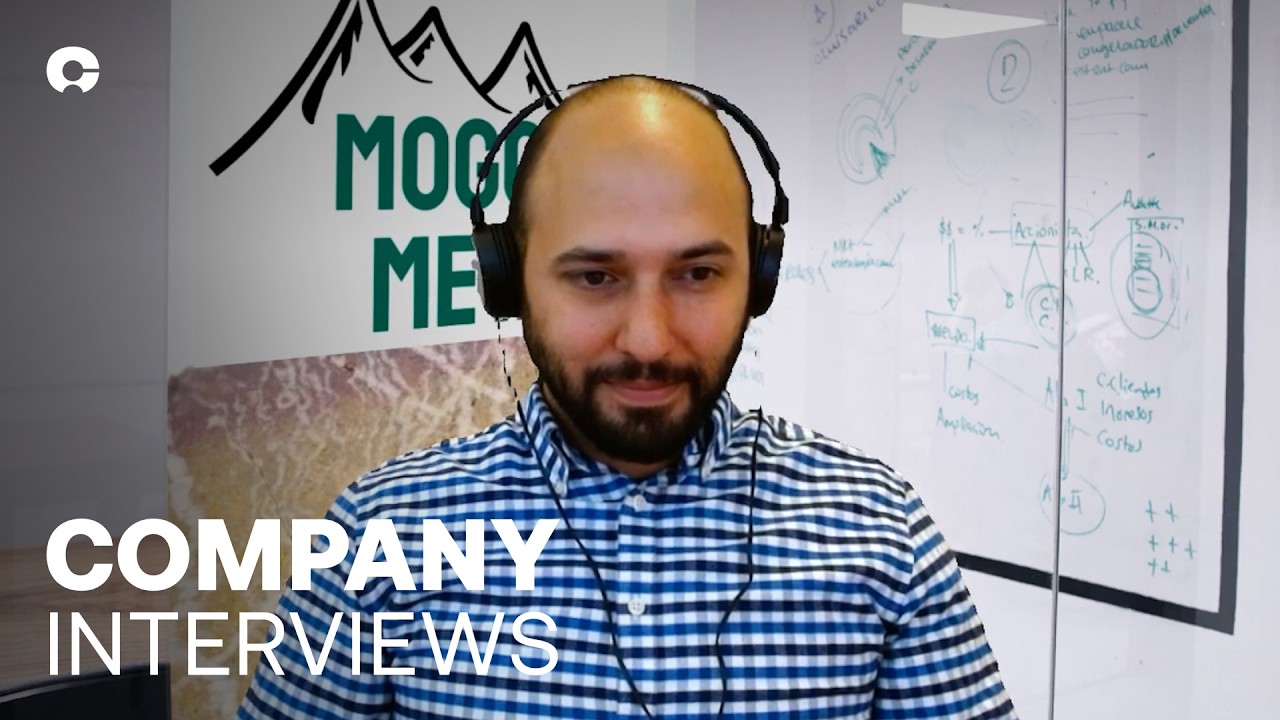
President and Chief Executive Officer of Fitzroy Minerals, Merlin Marr-Johnson, is precise on the plant's spare capacity:
"Planta Biocobre has been in continuous operation since 1992, and it's operating at a fraction of its capacity. It can produce 800 tonnes per month, and we think that we may be able to structure a deal where we get close to 80 or 90% of this using material."
The same partnership provides testing capacity ahead of any build. Pucobre's on-off dynamic pads are available for bulk sampling and metallurgical testwork ranging from 500 to 2,500 tonnes, and its columns handle column testwork 1.5 to 10 metres in height. Under the joint development plan letter of intent, Fitzroy must meet minimum eligible expenses of US$11.3 million by August 2027, and Pucobre can reclaim a 30% interest by paying 90% of those eligible expenses, on delivery of a technical report in August 2028.
Near-Surface Leachable Feed & the Southwest Starter Pit
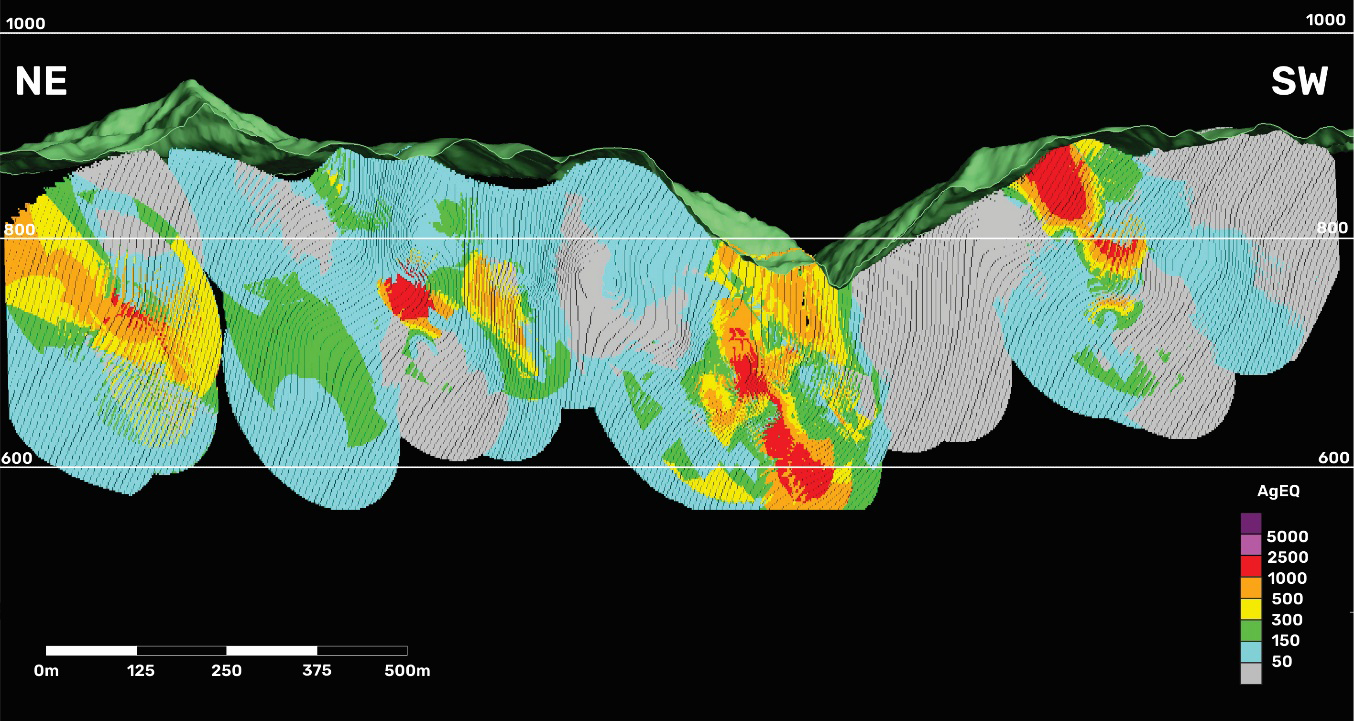
The concentrate route works only if the feed is shallow and leachable, and the Southwest Area drilling speaks to that condition. The standout interval was 59.0 metres at 1.73% copper from 92.0 metres depth, carrying a higher-grade core of 12.0 metres at 5.39% copper, alongside 76.0 metres at 0.74% copper from 69.0 metres depth, which included 13.0 metres at 3.62% copper. Two further holes returned 80.2 metres at 0.65% copper from a depth of 20.8 metres and 49.0 metres at 0.92% copper from a depth of 67.0 metres, with reported widths estimated at 80% to 90% of true thickness.
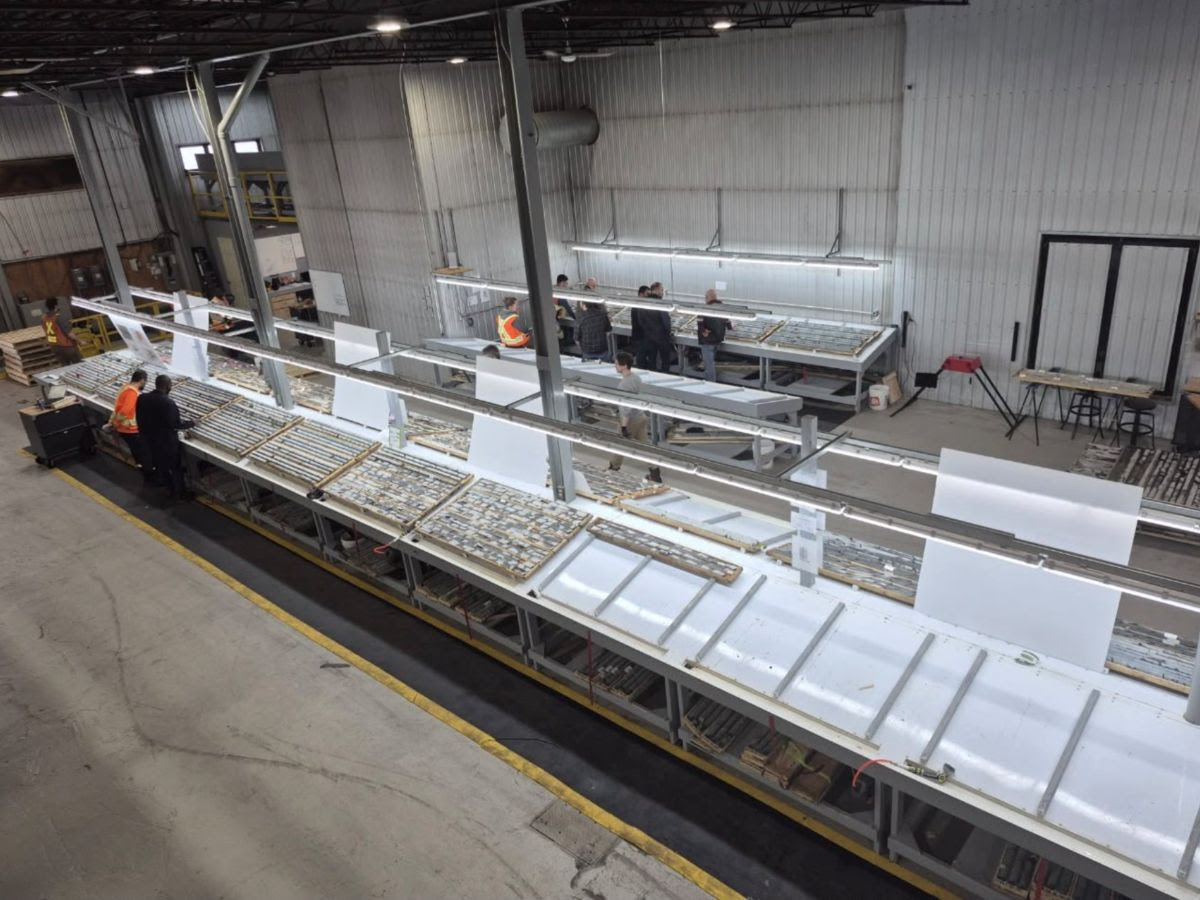
By late June 2026, the company had completed 67 drill holes totalling 10,583 metres, and the maiden Mineral Resource Estimate (MRE) had been repeatedly pushed back as additional mineralisation was found. Early development planning centres on a starter pit in the Southwest, potentially a simple pit for the first 800 metres of a 1,400-metre continuous trend.
Marr-Johnson is direct about where the first pit sits:
"It's going to be on the shallow mineralisation in the southwest area, but this is where the starter pit is going to be."
The shallow, leachable character of that starter-pit material is what makes an on-site leach and a trucked concentrate a workable pairing rather than a theoretical one.
Capital Intensity & the Infrastructure Base
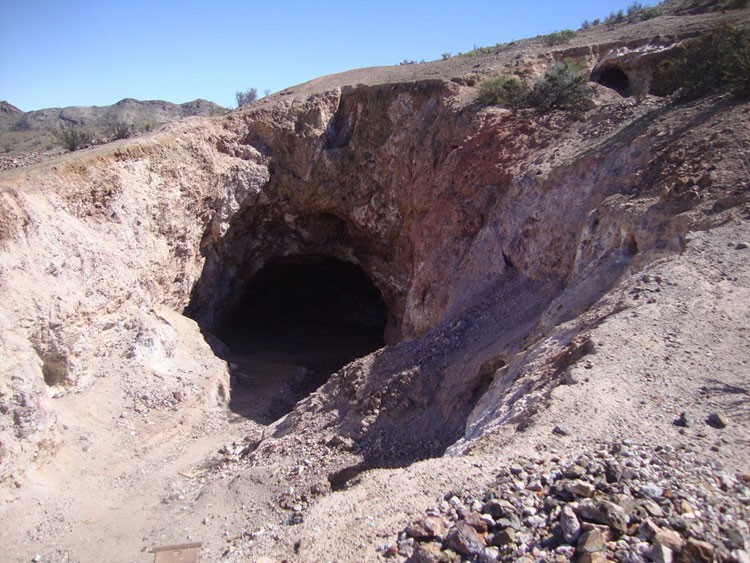
Existing infrastructure is why the choice of processing carries economic weight beyond convenience. Buen Retiro is a brownfield site with a historical open pit previously operated by Pucobre. It sits beside the Pan-American Highway, and it lies 35km from the coast. Copiaport E holds permissions to extract seawater and dispose of brines, which opens the possibility of trucking in water or recycling it between the EW plant and the proposed on-site heap-leach circuit. Together with access to a third-party plant, these attributes point to reduced capital requirements and low capital intensity for the route to first cathode.
The company's own arithmetic sets the scale of the cash flow at stake. Marr-Johnson frames it plainly:
"We're looking at attributable production somewhere in the region of 10 million pounds of copper per annum attributable to Fitzroy, coming through this plant and the mine operated by Pucobre. If we can get a $1 or $2 dollar margin on that, that's significant cash flow, which is attributable to us."
Fitzroy sets out a 2% net smelter return royalty, with the company holding an option to buy back 1% for US$5 million before construction, and records a treasury of C$25 million, the funding position from which it is advancing the programme.
Chile's Jurisdiction & the Permitting Path
Buen Retiro sits in the Punta del Cobre area around Copiapó, a district with a long record of copper production, and the jurisdiction shapes both the cost and the timeline of the route. In a December 2025 interview, Marr-Johnson pointed to a specific fiscal feature: Chilean producers of fewer than 10,000 tonnes of fine copper per annum pay no royalty. He also referenced a business-facilitation licence reform aimed at simplifying permitting, separate from the mining code.
The permitting sequence is where the jurisdiction meets the schedule. Fitzroy is targeting submission of its Declaration of Environmental Impact (DIA) in the third quarter of 2026 and aims to secure the environmental permit within 12 months, around mid-2027. As the precedent for that pace, Marr-Johnson cited Marimaca Copper, which obtained the licence for its oxide deposit within 12 months.
What to Watch Next
The route to the cathode now advances through a sequence of dated milestones. Fitzroy is targeting submission of the DIA in the third or fourth quarter of 2026, the maiden MRE in the fourth quarter of 2026, and the Pre-Feasibility Study (PFS) in the first quarter of 2027, with first production targeted for late 2027 or 2028.
A roughly 6-month build would follow permit approval, keeping first production in the late 2027 or 2028 window. The dependency running beneath the schedule is assay data: turnaround times at ALS Global have stretched to as long as 3 months, and the maiden MRE and the studies behind it draw on results that arrive on that lag. To protect the sequence, Fitzroy is planning holes using visual grade estimation and has contracted SGS Laboratories to handle all Pit Area samples, keeping that dataset in a single laboratory. How quickly the assay backlog clears is the near-term variable that determines whether the milestones above meet their targets.
FAQs (AI-Generated)
Analyst's Notes





Subscribe to Our Channel



Stay Informed


