




Rate-Hike Odds Push Gold to Three-Week Low as Central Banks Keep Buying


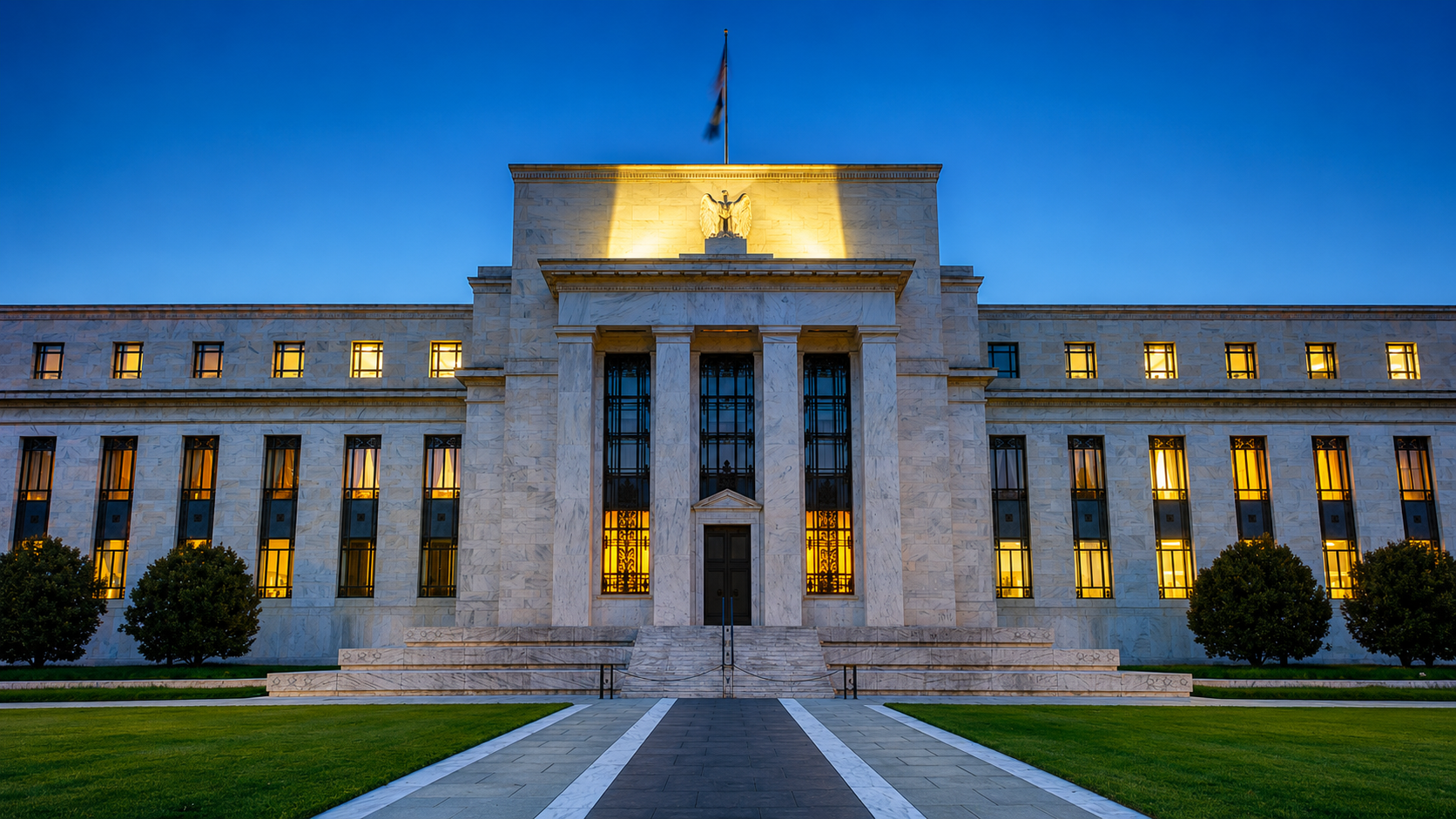
Gold fell to a three-week low as Fed hike odds reached 70%, but strong central bank buying and upside targets continue to support the outlook.
- Spot gold fell 2.4% to $4,342.20/oz on September 1 and reached $4,321.31/oz on September 2, its fourth straight decline and lowest level since August 7.
- New US strikes on Iran and Tehran's retaliation lifted oil for a third session, increasing inflation concerns and helping push the 10-year Treasury yield to its highest level since January 2025.
- CME FedWatch-implied odds of a September Fed rate hike rose from 66% on September 1 to 70% on September 2, increasing the opportunity cost of holding non-yielding gold.
- Goldman Sachs is targeting $4,900/oz for gold by year-end 2026 in its base case and $4,400/oz if the Fed hikes, implying about 13% and 2% upside, respectively, from the September 2 spot price.
- Gold last fell below its 200-day moving average near $4,528/oz on August 28, with a close back above that level providing a technical signal that the current pullback may be reversing.
US-Iran Strikes Lift Oil, Driving Gold to a Three-Week Low
Spot gold fell 0.2% to $4,321.31/oz, its lowest level since August 7, after renewed US-Iran strikes lifted inflation and rate concerns. The decline extended gold's losing streak to four sessions after a 2.4% drop to $4,342.20/oz pushed bullion below its 200-day moving average near $4,528/oz, a widely followed trend level.
Gold had reached a more-than-three-month high before falling over 3% in one session after Fed Chair Kevin Warsh signaled further tightening. The rapid move from a three-month high to a three-week low shows how higher rate expectations pressured gold even as central-bank and retail physical demand remained strong.
Higher Treasury Yields Raise Gold's Opportunity Cost as Hike Odds Reach 70%
Renewed US-Iran strikes lifted crude prices for a third session, raising energy-driven inflation concerns and helping push the 10-year Treasury yield to its highest level since January 2025. Fed Governor Michael Barr said further tightening would be warranted if inflation failed to cool, while Fed Chair Kevin Warsh had also signaled that higher rates may be needed.
Their comments, alongside higher oil prices and Treasury yields, helped lift CME FedWatch-implied September hike odds from 66% to 70%. Higher rates increase gold's opportunity cost because bullion pays no yield.
September Rate Decision Leaves Gold With 2% to 13% Upside
Bas Kooijman, CEO of DHF Capital S.A., said continued oil-driven pressure on Treasury yields could limit gold's rebound, while softer employment data could reduce rate-hike expectations and support prices. If the Fed holds rates in September, Goldman Sachs Global Research is targeting $4,900/oz by year-end 2026, implying about 13% upside from the September 2 spot price under assumptions that rate cuts resume in 2027 and ETF inflows stabilize.
Even if the Fed hikes, Goldman Sachs' downside scenario targets $4,400/oz, about 1.8% above the September 2 spot price. The September 4 US payrolls report could shift FedWatch-implied hike odds by changing the market's outlook for inflation and Fed policy.
Record Central Bank Buying Supports Gold Demand Through Rate-Driven Selloff
Gold ETFs and mining equities can react quickly to changing Fed expectations, while physical demand has remained strong despite record prices. Retail buyers purchased about 1,200 tonnes of bars and coins in 2025, roughly 25% of global gold demand and the highest level in 12 years. World Gold Council research identified dealer trust as the largest barrier to new physical-gold buyers, prompting a new assurance standard designed to improve confidence in the market.
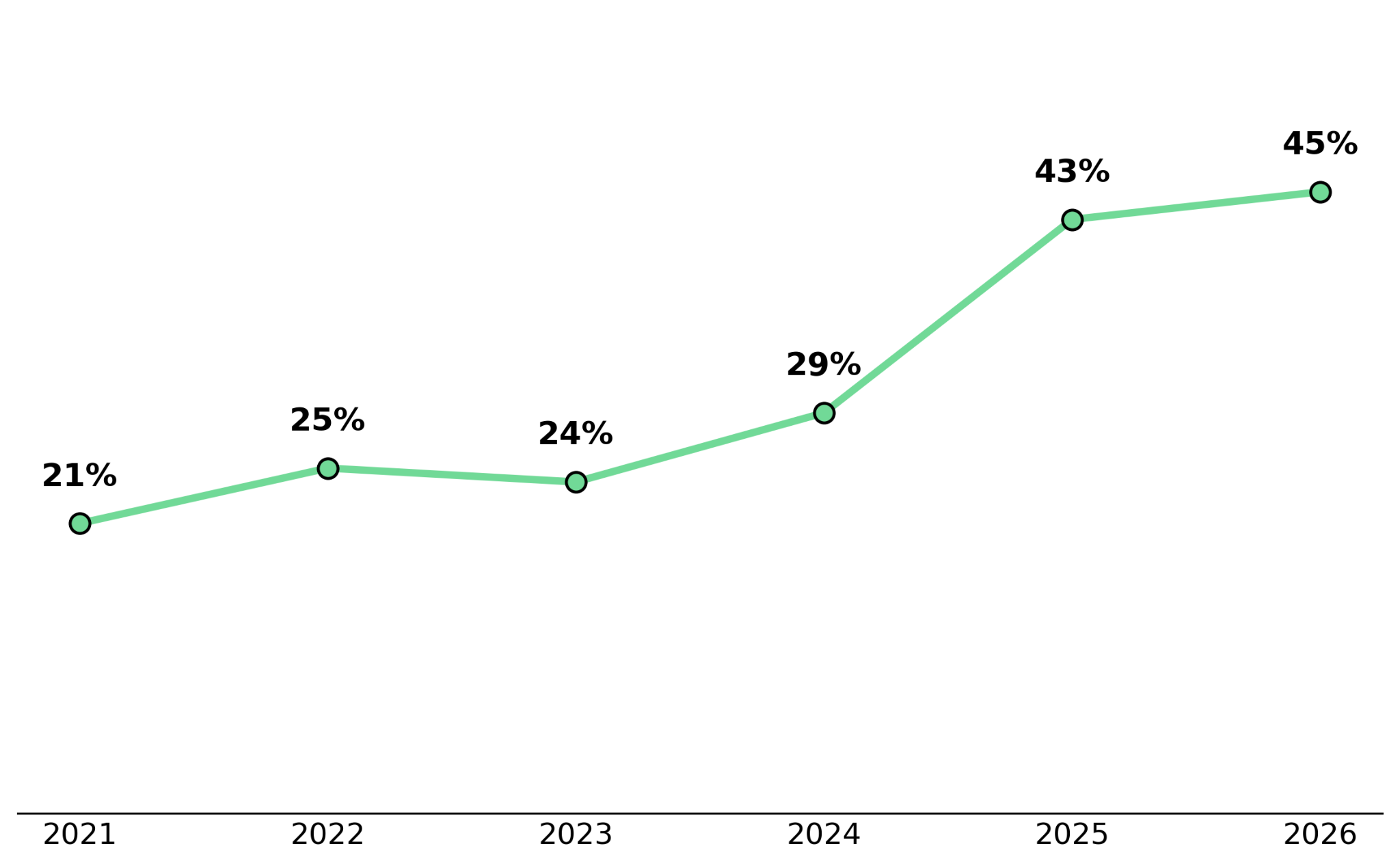
More importantly, central banks bought an average of 1,000 tonnes annually over the past four years, double the prior decade's average, while a record 45% of surveyed central banks plan to increase reserves over the next 12 months. Strong physical demand does not remove near-term downside from higher rates, but it provides a demand base that has so far remained intact through the selloff.
What Could Signal Gold Reversal as Hike Odds Sit at 70%
A 70% CME FedWatch-implied probability of a September rate hike and a firm US dollar are pressuring gold below its 200-day moving average. Higher rates increase gold's opportunity cost, while a stronger dollar raises its cost for non-US buyers. Softer payrolls or a Fed hold could reduce hike expectations and support a move toward the 200-day moving average near $4,528/oz, about 4.8% above the September 2 spot price.
The key signals are FedWatch-implied hike odds, the September 4 payrolls report, and a close above $4,528/oz, which would provide technical evidence that the current pullback is reversing.
Analyst's Notes





Subscribe to Our Channel
.jpg)



.jpg)
Stay Informed






















