




12-Year-High Physical Demand Underpins Gold Into the Payrolls Test


Gold drops 3% as hike odds reach 60%, but a 10% August gain and 12-year-high physical demand support the contrarian case.
- Spot gold fell 0.4% to $4,436.04/oz on Aug. 31, 2026, its lowest since Aug. 19, after Fed Chair Kevin Warsh’s remarks triggered a one-day decline of more than 3%.
- September hike odds rose from about 36% to 60% on the CME FedWatch Tool on Aug. 31, 2026, after Warsh signaled further tightening if inflation does not move toward 2%.
- Gold remained up more than 10% in August as of Aug. 31, 2026, its best month since January, after US Treasury bond buybacks supported debasement demand and lifted bullion to a three-month high of $4,696.18/oz.
- Bar and coin demand reached a 12-year high in 2025 and accounted for about 25% of global gold demand, according to data published on Aug. 19, 2026, showing that physical accumulation remained strong despite Fed-driven volatility.
- As of Aug. 31, 2026, weak payroll growth and lower Gulf tensions could lift gold above $4,600/oz, while strong employment data could support a September hike and push bullion below $4,436.04/oz.
Weak Payrolls Could Cut Hike Odds and Lift Gold Above $4,600
The 60% probability of a September hike can change as new data alter the Fed’s inflation and labor outlook. Elwin de Groot, head of macro strategy at Rabobank, said Warsh was not relying solely on tighter financial conditions, making the upcoming US payrolls and inflation reports key tests for rate expectations and gold.
The decline reflects higher rate expectations rather than weaker gold demand, leaving room for bullion to recover if either report reduces the probability of a September hike. This distinction supports the contrarian case because the price has fallen while the article’s physical-demand indicators remain intact.
Gold Holds 10% August Gain as Hike Odds Rise
Spot gold fell 0.4% to $4,436.04 per ounce, its lowest since Aug. 19, after Fed Chair Kevin Warsh’s Jackson Hole remarks raised rate-hike expectations and triggered a one-day decline of more than 3%. December US gold futures fell 1% to $4,486.40.
However, bullion remained up more than 10% in August, its best month since January, showing that the Fed-driven pullback interrupted rather than reversed the monthly advance. This contrast supports the contrarian case for assessing the decline as a potential entry point rather than evidence of weaker gold demand.
Treasury Buybacks Weaken Dollar as Oil Shock Raises Gold’s Rate Risk
The US Treasury’s plan to double liquidity-support buybacks of longer-dated bonds revived currency-debasement demand and lifted spot gold to a three-month high of $4,696.18 per ounce. The plan also pressured the dollar index toward a second consecutive monthly decline, with the index falling 0.11% to 99.53 from a two-week high of 99.73.
That support weakened after Fed Chair Kevin Warsh said the Fed would have more work to do without confidence that inflation was moving toward 2%. Elwin de Groot, head of macro strategy at Rabobank, said the remarks raised hike expectations by showing that the Fed remained willing to tighten if inflation stalled. US strikes on Iran’s Larak Island then lifted Brent crude 2.5% to $90.21 per barrel, adding inflation risk and further strengthening the case for higher rates, which pressures non-yielding gold.
Rate Volatility Fails to Break Gold’s 12-Year-High Physical Demand
Rate repricing affected the broader precious-metals complex, not gold alone. Silver rose 1% to $66.99 per ounce and remained up more than 16% for the month, while platinum fell 1.1% to $1,799.89 and palladium declined 1.3% to $1,403.92. Platinum and palladium nevertheless remained on track for their best month since December, showing that daily losses had not reversed their monthly advances.
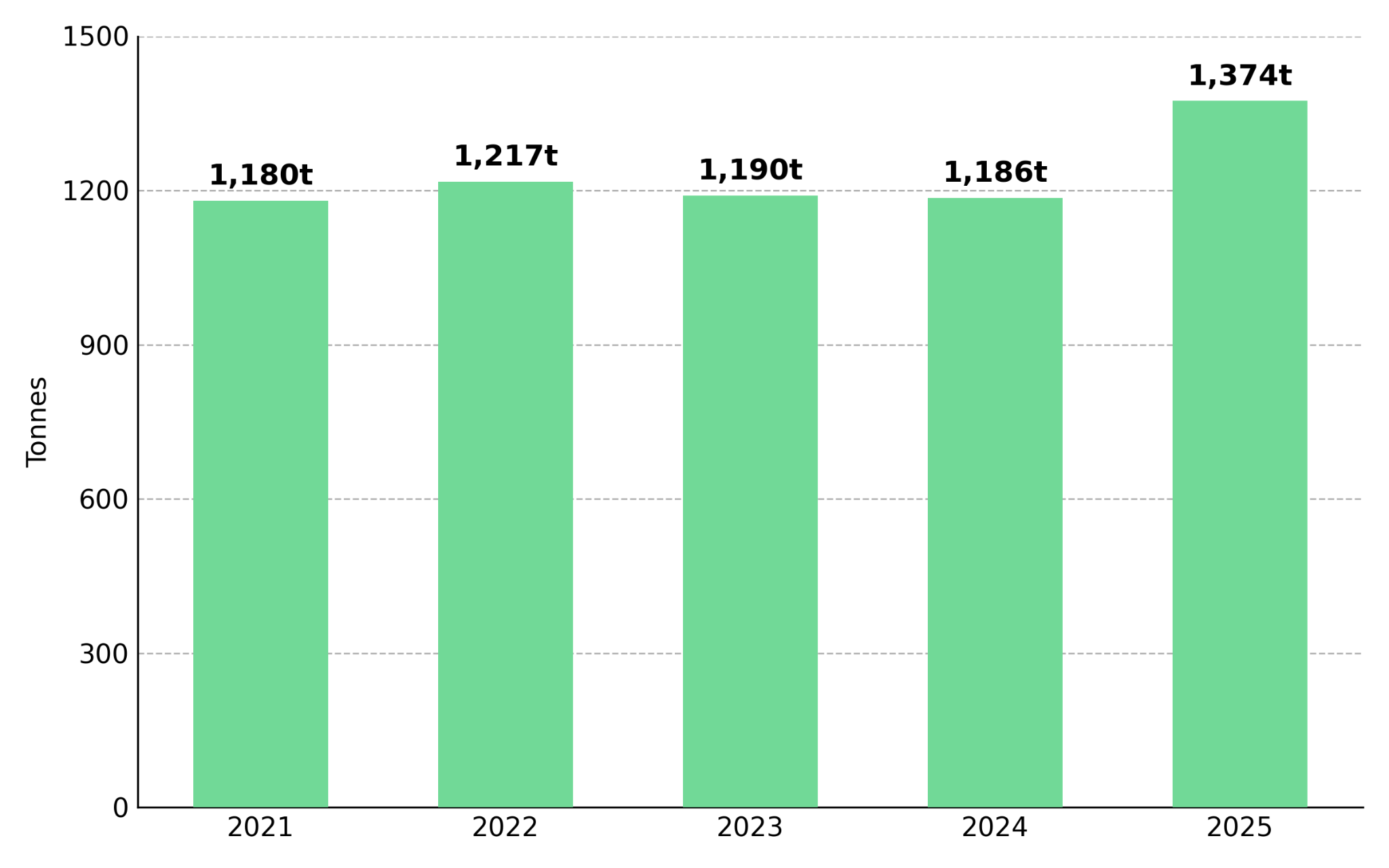
Physical demand provides a clearer test of the contrarian gold case. Bar and coin purchases reached about 1,200 tonnes in 2025, or 25% of global gold demand, marking a 12-year high despite record prices.
A payrolls surprise could quickly change the 60% probability of a September hike and move gold in either direction. The World Gold Council’s Gold Dealer Assurance Standard gives physical buyers a framework for assessing participating dealers across eight areas, including fairness, regulatory compliance, and responsible sourcing. The British Standards Institution is targeting the fourth quarter of 2026 to launch the related assessment program, which could reduce dealer risk when buyers add gold during volatile periods.
3 Signals That Could Turn Gold’s $4,436 Low Into a Buying Window
A 60% probability of a September hike and Brent crude at $90.21 per barrel increase rate risk, while a dollar index of 99.53 supports gold as it heads toward a second consecutive monthly decline.
A close above $4,600 per ounce following weaker payrolls, softer inflation, or lower Gulf tensions would strengthen the recovery case. A break below $4,436.04 would indicate that higher-rate expectations continue to outweigh support from the weaker dollar.
The US payrolls report, consumer inflation data, and changes in the CME FedWatch Tool will confirm the direction. A decline from the current 60% hike probability would support gold, while an increase would raise the risk of further losses before the September Fed meeting.
Analyst's Notes





Subscribe to Our Channel









Stay Informed






















