




Rio2 Condestable Expansion Initiates as Fenix Recovers for Fourth Quarter Commercial Production


Rio2 CEO Andrew Cox on how two rare snowstorms hit Fenix Gold's 2026 ramp-up, the path to 20,000 tpd, and Condestable copper expansion plans.
- Rio2 Limited has become a dual-asset producer, with Fenix Gold in Chile ramping up and the Condestable copper-gold mine in Peru operating at steady state.
- Two exceptional snowstorms in July and August reduced Fenix's 2026 projection to around 40,000 ounces, against the 60,000 ounces the company regarded as its success case.
- Leach pad freezing has been resolved, stacking hit a record 30,000 tpd, and higher-than-modelled ore moisture could allow up to 30% more tonnes on the same water budget.
- Condestable's EIA modification to 10,000 tpd has been approved, with around $50 million planned to reach 12,000 tpd plant capacity and a maiden surface resource targeted for late 2027.
- Near-term catalysts include commercial production at Fenix in the fourth quarter, the selection of a water provider, the Fenix expansion BFS and 2027 tungsten drilling in the Yukon.
Rio2 Limited (TSX: RIO) entered 2026 as a single-asset developer and is ending it as a dual-asset producer. The company began production at its Fenix Gold Mine in Chile's Atacama region this year and acquired the Condestable copper-gold underground mine in Peru in February 2026. President and CEO Andrew Cox described a first operating year shaped as much by weather as by engineering. Two severe winter storms cut into Fenix's output during its ramp-up. Condestable has continued to run at steady state and now holds an approved permit to lift throughput.
Fenix Gold Ramp-Up
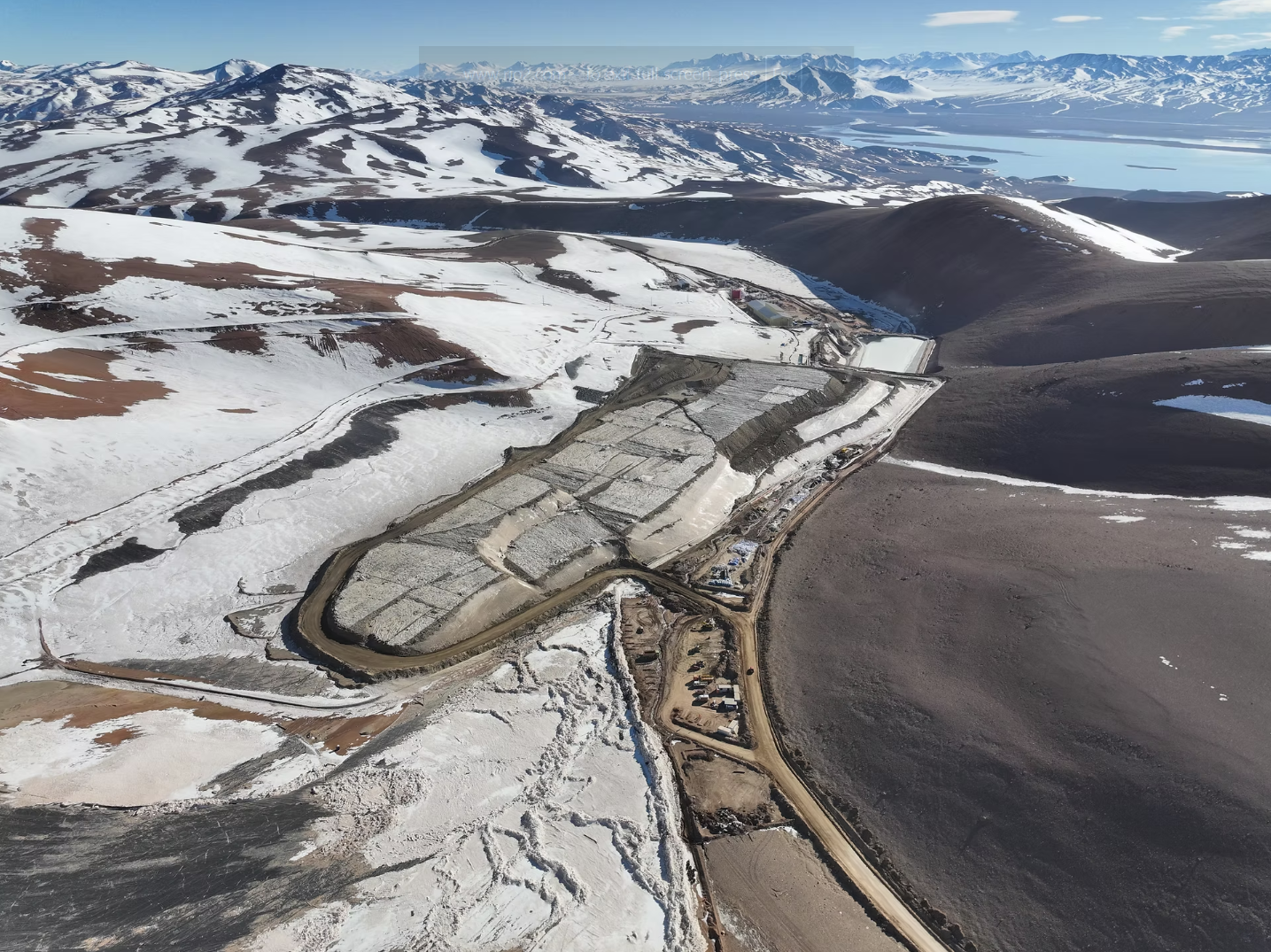
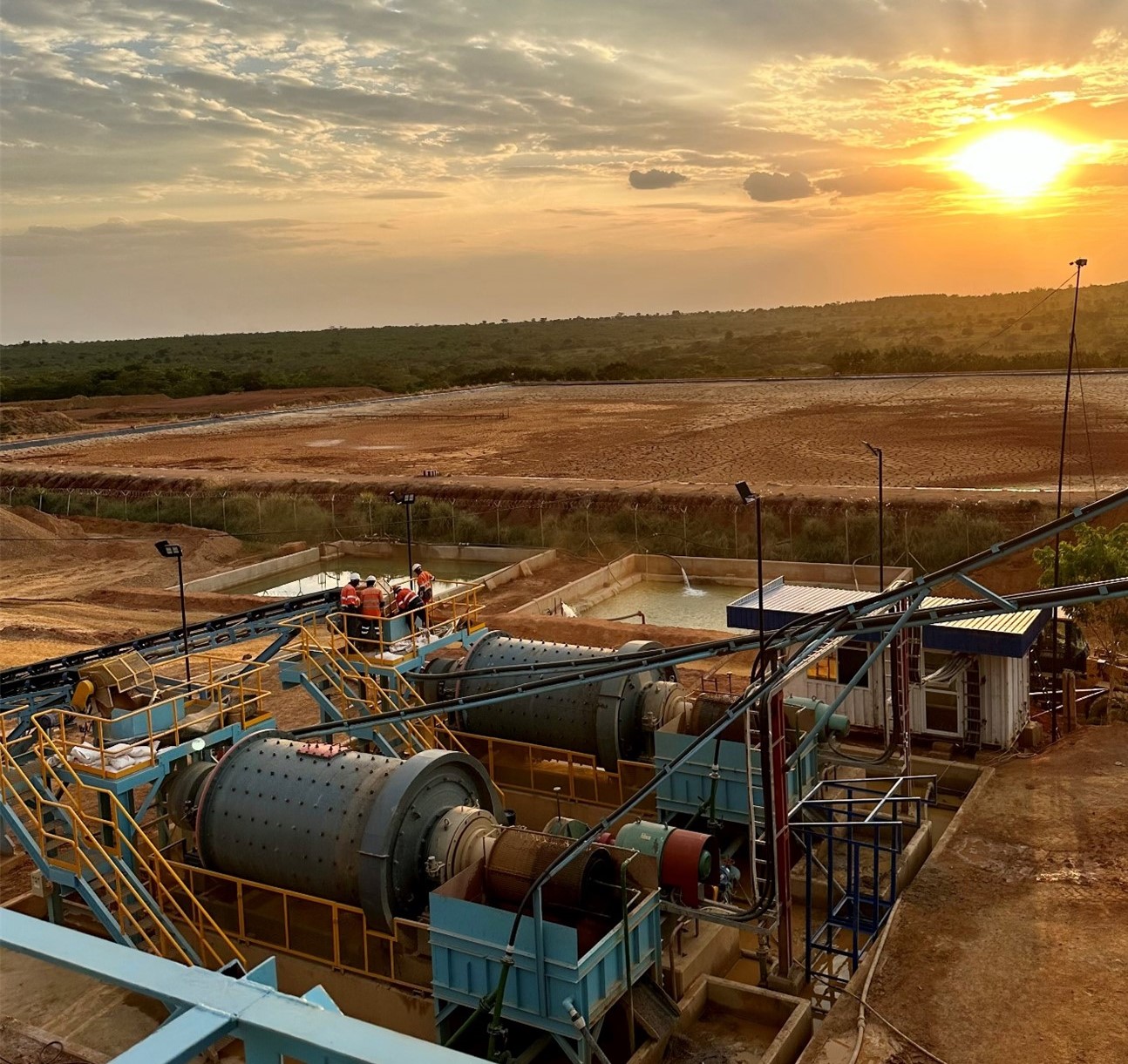
Fenix is a high-altitude, open-pit heap leach operation. It is designed to stack 20,000 tonnes per day (tpd) of ore on its leach pad and to produce around 100,000 ounces of gold a year at that rate. Production climbed from about 4,500 ounces in Q1 to about 9,000 ounces in the second quarter, when Fenix advanced toward commercial production. In the first ten days of July, the mine averaged its 20,000 tpd target.
Then the weather turned. Fenix typically receives about 15 centimetres of snow a year, which usually clears within a day or two. In mid-July, a storm delivered roughly one metre of snow over five days. All but a skeleton crew were moved off site, and that crew kept the processing plant running. Cox estimates the event cost around two and a half weeks of ore placement on the leach pad.
A second storm on 10 August dropped around two metres of snow and buried the leach pad. Clearing access took seven days of work with heavy machinery. Rio2 holds 14 years of weather data for the site, and Cox was blunt about how far outside that record the season fell.
"What we basically saw is something like two 20-year events in 3 weeks that hit us. Lessons learned along the way and I mean fortunately it was a ramp up year, not a production year, it wasn't construction." Cox said.
Lessons Learned at 14,000 Feet
Cold compounded the challenge. Temperatures fell to minus 23°C in May, a level the site normally sees in August, and several leach pad cells froze. Cox linked the conditions to this year's super El Niño cycle. Rio2 replaced its single-layer pad covers, which held a seven-degree temperature difference, with a double black plastic layer that holds 12 degrees. Cox says the freezing problem has been resolved for the life of the project.
The storms also produced practical site knowledge. The team now knows where wind-blown snow accumulates and where machinery and critical equipment should not be left. Safety systems carry extra weight at this elevation, with fatigue-detection cameras in trucks and monitoring bracelets for equipment operators. Cox noted that the worst of the Chilean winter has now passed.
Interview with Andrew Cox, President & CEO of Rio2 Ltd.
Revised Expectations and a Water Dividend
Rio2 had already deferred its prior 2026 guidance of 60,000 to 65,000 ounces and continues to withhold formal guidance. Its Q3 operations update cautions that unseasonal snowfall may continue through December. Cox said the company now expects about 40,000 ounces for 2026 and was candid that the shortfall cannot be recovered this year.
Mining rates are rebounding. Cox said Fenix recently stacked 30,000 tpd over two consecutive days, a record for the mine. He expects the operation to sustain 20,000 tpd in October. Mining has expanded from Fenix South into Fenix Central, and Cox described reaching 25,000 tpd by year-end as an attractive target. The company's release states that the ramp-up remains on track for commercial production in the fourth quarter.
The storms brought one unexpected benefit. Snowmelt on the leach pad means Rio2 has not trucked water to site for six weeks. A more lasting finding concerns ore moisture. Rio2 expected Fenix South ore to carry about 1% moisture, but it is arriving at about 4%. That cuts added water from roughly 90 litres per tonne to 60 litres. On the planned water budget, Rio2 could process up to 30% more tonnes, and it is reviewing this for the 2027 mine plan.
Condestable: Steady Copper-Gold Foundation
Condestable is a mature iron oxide copper-gold (IOCG) underground mine in Peru with around 60 years of mining history. It produces about 25,000 tonnes of copper equivalent a year, with roughly 80% of output from copper and 20% from gold and silver credits. The mill currently processes about 8,400 tpd, and Rio2 updated the mine's life, resources and reserves in June. Cox described the purchase from a private seller as opportunistic:
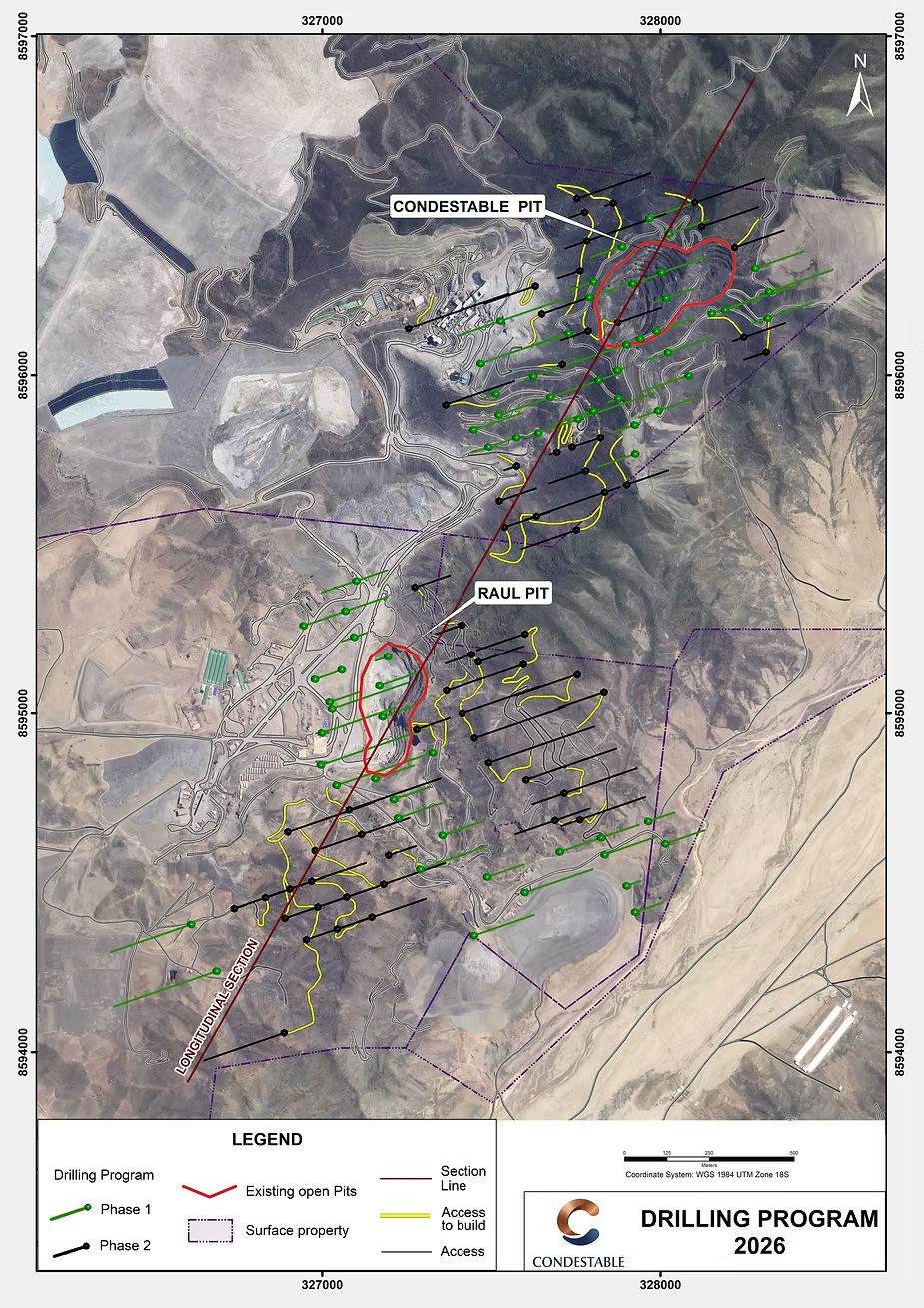
"We've just kicked off a 16,000 m drilling campaign at surface around two historic open pits that used to operate there 30 years ago. Next year we'll go additional 17,000 meters and the idea is to publish a surface resource right for copper and gold."
Rio2 will support the existing site team rather than take over day-to-day operations. Its contribution is geology and expansion strategy. Condestable had carried out no exploration for 11 years beyond reserve replacement within the mining areas.
Growth Pipeline Across Both Assets
A modification to Condestable's environmental impact assessment (EIA) to lift throughput from 8,400 tpd to 10,000 tpd was approved last month. Rio2 is finalising detailed engineering and capital costs for plant capacity of 12,000 tpd and aims to approve them next month. Cox put the investment at around $50 million across the plant and underground infrastructure. Construction is planned between the second half of 2027 and the first half of 2028, with underground output ramping toward 10,000 tpd in the second half of 2028. Consultant SLR's studies support that rate.
Exploration is the second lever. A 16,000-metre surface drilling programme has begun around two historic open pits, with a further 17,000 metres planned for 2027 and a maiden surface resource targeted for late 2027. Cox said drilling is returning about 0.5% copper with gold and silver credits. A large enough resource could justify a second plant, which Cox framed as longer-term blue-sky thinking.
At Fenix, the bankable feasibility study (BFS) for an expansion case, originally expected in Q1 2026, is waiting on water supply costs. Cox said Rio2 holds term sheets from potential water providers and expects to select one within about a month.
Tungsten Optionality in the Yukon
Rio2 also holds the Kalzas Tungsten Project in Canada's Yukon, inherited through the shell company used to form the company. It sits not far from Fireweed Metals' ground in the territory. Historical drilling between 2003 and 2008 returned intercepts Cox described as typically around 0.4% tungsten over 50 metres. With tungsten back in focus as a critical mineral, Rio2 has consulted the Selkirk First Nation and the Yukon government and holds a permit for 2,000 metres of drilling in 2027 to validate the historical data. Cox indicated Rio2 is unlikely to develop the project itself, with a spin-off among the options.
The Investment Thesis for Rio2
- Rio2 is now a dual-asset producer, with Condestable's copper-gold output providing cash flow while Fenix completes its ramp-up.
- Fenix's 2026 shortfall stems from two exceptional snow events during a ramp-up year, and the leach pad freezing issue has been resolved with upgraded covers.
- Record stacking of 30,000 tpd over two days suggests the operation can move beyond its 20,000 tpd design rate once conditions normalise.
- Higher ore moisture could allow up to 30% more tonnes on the same water budget in 2027.
- Condestable's approved EIA modification and a planned investment of around $50 million provide a defined path to higher throughput by the second half of 2028.
- Investors should monitor the declaration of commercial production at Fenix in the fourth quarter, the selection of a water provider, and the release of the Fenix expansion BFS.
- Key risks include further snowfall through December and execution on the Condestable expansion.
Macro Thematic Analysis
Rio2's year illustrates a recurring theme in mining. The period between first gold and steady-state production is where operational risk is most concentrated. High-altitude heap leach operations in the Andes face weather and workforce constraints that lower-elevation mines do not. Fenix's storms struck during a ramp-up year rather than during construction or at full production, which limits the lasting damage largely to one year's output.
Water is the other structural theme. It is a defining constraint for mining in the Atacama. Rio2's lower-than-modelled water needs, together with the pending choice of a water provider for the Fenix expansion, put that constraint at the centre of the company's next phase.
The dual-asset structure also matters. Condestable's output provides a buffer while Fenix works through its first winter. Copper links Rio2 to long-term electrification demand, gold provides precious metals leverage, and tungsten adds exposure to a metal Western governments increasingly treat as strategic. Cox framed the company's arrival at this point in the context of its history.
"We were able to pull through that and survive and now [have moved] to producing assets in a pretty exciting metals price environment," he said.
Cox said earlier permitting setbacks, including the rejection of Fenix's original EIA, cost almost three years and nearly ended the company. Multi-asset production now gives it far more room to absorb setbacks.
TL;DR
Rio2 Limited (TSX:RIO) became a dual-asset producer in 2026, but two rare snowstorms in July and August disrupted the ramp-up at its Fenix Gold Mine in Chile. CEO Andrew Cox now projects around 40,000 ounces for the year against an original 60,000-ounce success case. Freezing issues on the leach pad are resolved, record stacking of 30,000 tpd has been achieved, and higher ore moisture could allow up to 30% more tonnes on the same water budget. Commercial production remains on track for the fourth quarter. In Peru, Condestable holds an approved permit to expand from 8,400 tpd, with around $50 million of investment planned and a maiden surface resource targeted for late 2027.
FAQs (AI-Generated)
Analyst's Notes





Subscribe to Our Channel



Stay Informed






















