




Selkirk Copper Discovers New Mineralised Zone& Launches Major Drill Programme at Minto


Selkirk Copper finds a new copper-gold-silver zone at Minto and launches a major 2026 drill programme aimed at a potential mine restart by mid-2027.
- Selkirk Copper has identified a previously unknown copper-gold-silver mineralised zone - called the 117 Lens - sitting beneath a former open pit at its Minto Mine in Yukon, Canada, with early drill results returning broad intervals of meaningful grade.
- Drilling at the Minto East area continues to intersect multiple layers of high-grade copper-gold-silver mineralisation, with some of the strongest results recorded across the entire Phase 1 programme.
- Approximately 78% of results from the first phase of drilling have now been released, with the remaining results expected within about one month.
- As of 1 May 2026, the company has begun a second, significantly larger drill programme targeting up to 50,000 additional metres of drilling through to November 2026.
- The enlarged drill programme is designed to build the technical data needed for a feasibility study, with the company targeting a potential mine restart decision in mid-2027.
Selkirk Copper Finds New Zone Beneath Former Pit & Scales Up Drilling Towards Restart Decision
Selkirk Copper (TSX-V: SCMI | OTCQB:SKRKF | FRA:IO20) has announced the discovery of a new mineralised zone at its Minto Mine in Yukon, Canada, alongside the start of a major second phase of drilling. The news was released on 11 May 2026 and builds on results from the company's first phase of drilling, which was completed in April 2026.
What Is the Minto Mine?
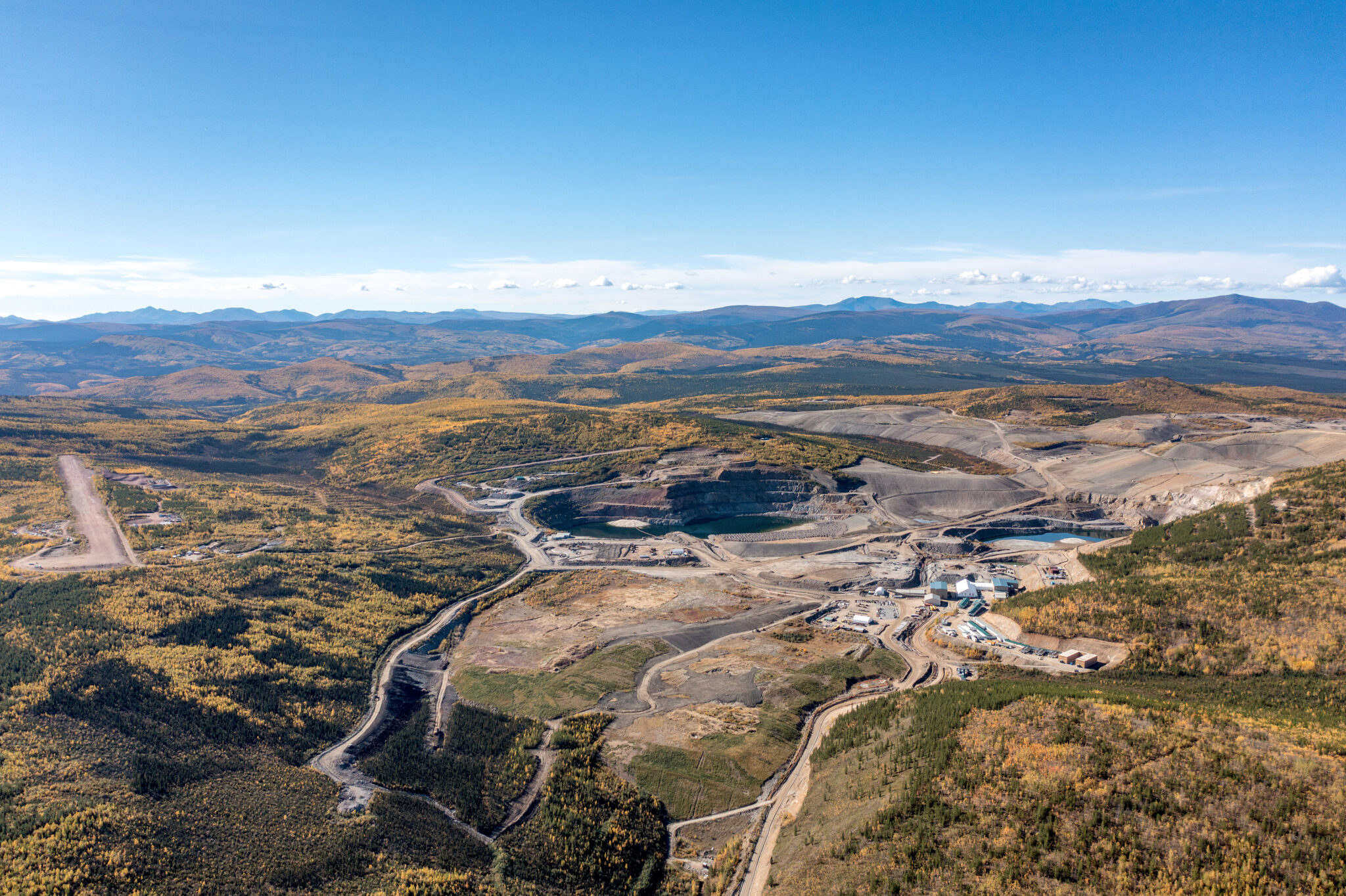
Minto is a former copper-gold-silver mine in the Yukon that previously operated as both an open pit and an underground mine. Selkirk Copper, which is majority-owned by the local Selkirk First Nation, is working to assess whether the mine can be restarted on a commercially viable and environmentally responsible basis.
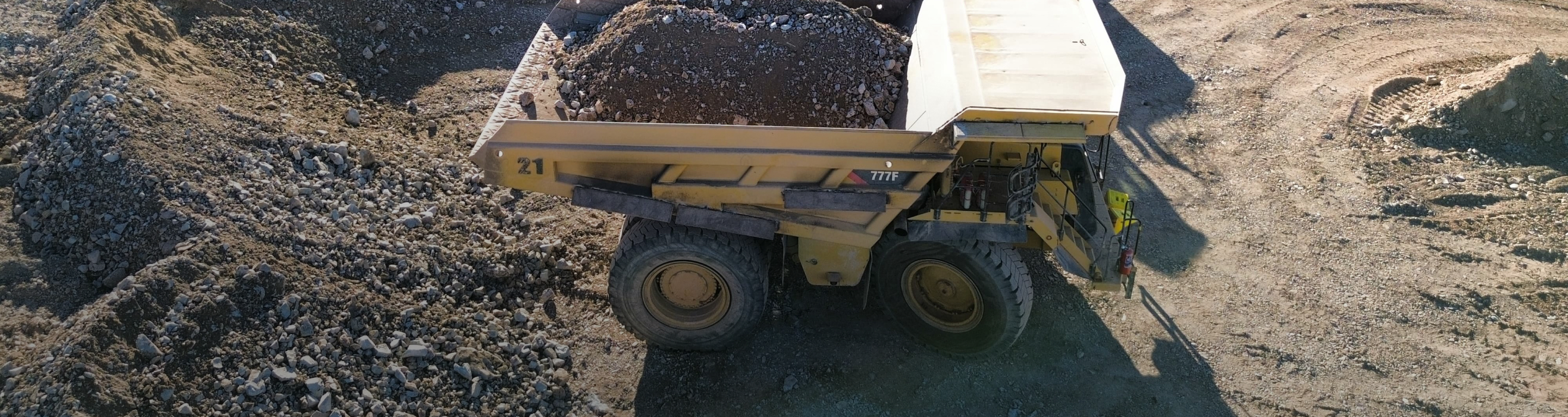
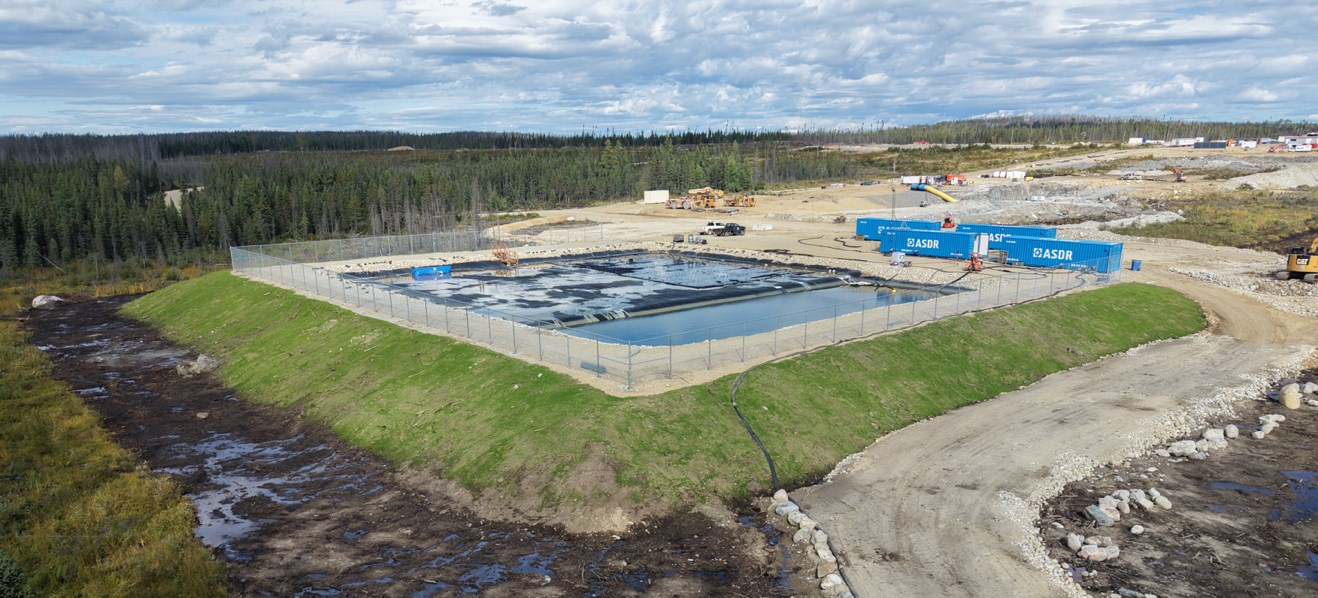
The company controls a large package of mineral claims in the area and has inherited significant existing infrastructure from the previous operation - including a processing plant, camp facilities, and mine access roads. These assets reduce the capital investment required to return the mine to production, which is a meaningful advantage at this stage of the project's development.
A New Discovery: The 117 Lens
The most notable result from this announcement is the identification of a new copper-gold-silver zone that was not previously known to exist. Named the 117 Lens, it sits directly below a former open pit area called Area 2. Its discovery beneath already-mined ground illustrates that the Minto property still holds undiscovered mineral potential at depth.
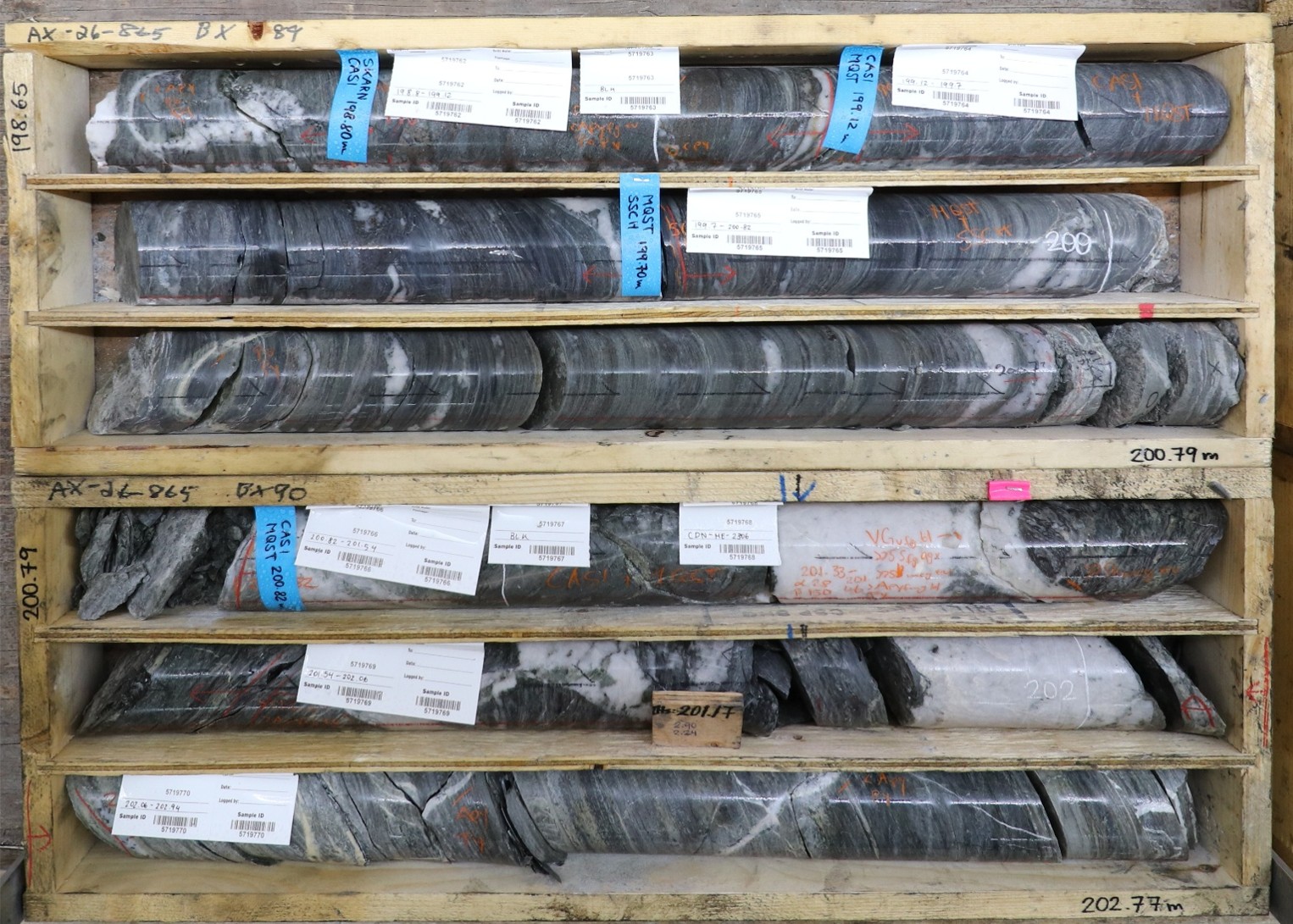
Early results show broad sections of moderate-grade mineralisation, with pockets of higher-grade material within those broader intervals. The zone currently measures roughly 250 by 200 metres across - approximately the size of two to three city blocks - and remains open to the west, meaning it has not yet been fully tested in that direction.
Importantly, the zone sits within 200 metres of existing underground mine infrastructure, which the company notes would keep the cost of accessing it relatively low compared to a more remote discovery. Additional drill results targeting the 117 Lens are still pending.
Continued Strong Results at Minto East
Drilling at Minto East, one of the programme's primary target areas, continued to intersect high-grade copper-gold-silver mineralisation across multiple stacked layers. One drill hole stepped out well beyond the limits of previous drilling and found mineralisation across four separate layers, with two of the intervals ranking among the strongest results from the entire first phase of the programme.
A deeper, fifth layer was also intersected below the previously known extents, suggesting the zone continues further at depth. A second follow-up hole confirmed that the mineralised layers are geologically continuous in that direction, though at lower grades.
Two holes drilled in the gap between Minto East and a nearby area called Copper Keel did not return meaningful results. The team is reviewing geological data from that corridor to determine whether a connection between the two areas can be established through future drilling.
Other Areas: Minto North, Ridgetop, & Area 118
At Minto North, four additional drill holes intersected mineralisation but at generally lower grades than earlier results from the same area. The company notes these holes are helping to define the outer edges of the high-grade zone, which is useful for building an accurate geological model of the deposit.
At Ridgetop and Area 118, five of seven reported holes returned grades above the threshold used in the company's most recent resource estimate - the formal calculation of how much mineral material sits within the ground. These zones are being assessed as potential shallow open-pit targets, which typically carry lower mining costs than underground operations.
Additional results from both Ridgetop and Area 118 are still pending and will be incorporated into the updated resource estimate the company is targeting for mid-2026.
What the CEO Said
M. Colin Joudrie, President and Chief Executive Officer of Selkirk Copper, said the Phase 2 programme builds directly on the momentum established during Phase 1 and is aligned with the company's timeline toward a restart decision. Joudrie noted that the updated Mineral Resource Estimate and Preliminary Economic Assessment remain on track for mid-2026, with the restart decision targeted for mid-2027.
Joudrie said:
"We are very pleased to announce the resumption of drilling and a significant Phase 2 drill program planned for 2026 that will build upon our successful Phase 1 drill program that was completed earlier this year. With the updated Mineral Resource Estimate and Preliminary Economic Assessment on track for completion in mid-2026, we are looking ahead towards additional requirements that will support a potential restart decision in mid-2027."
Phase 2 Drilling: A Larger, More Targeted Programme
On 1 May 2026, Selkirk Copper commenced its Phase 2 drill programme, which is roughly four times the scale of Phase 1 in terms of total metres targeted. Two drill rigs were active at the start of the programme, with two more expected to join within days. The same drilling contractor that completed Phase 1 has been retained.
Beyond simply drilling more holes, Phase 2 has a broader purpose. In addition to continuing to expand the defined resource, the programme includes technical work required for a feasibility study - specifically, drilling to understand the physical stability of the rock and how the mineralisation is likely to behave in a processing plant. This kind of data is a prerequisite for a formal assessment of whether the mine is economically viable to restart.
Resource expansion drilling will focus on the areas that produced the strongest Phase 1 results, including Minto North, Area 118, Ridgetop, and the 117 Lens. The company will also test several new targets identified from historical survey data, and is planning summer field work across parts of its mineral claims where no modern geological mapping has been completed.
Next Steps
The remaining Phase 1 drill results - covering roughly one in five holes from the first programme - are expected to be released within approximately one month. The company is also progressing toward an updated resource estimate and a Preliminary Economic Assessment, both targeted for mid-2026, which will provide a clearer picture of the deposit's scale and the economics of a potential restart.
Looking further ahead, the company is targeting a potential mine restart decision in mid-2027. The Phase 2 drill programme, running through to November 2026, is the primary vehicle for building the technical case needed to reach that decision point.
Summer 2026 field work will additionally focus on locating and assessing historical mineral occurrences identified in the 1970s that received no meaningful follow-up. These targets, which are similar in character to the Minto deposit itself, will be prioritised for potential future drilling based on the results of that field work.
FAQs (AI-Generated)
Analyst's Notes





Subscribe to Our Channel




Stay Informed


