




Selkirk Copper May 2026 Corporate Update: 7 Things You Need to Know


Selkirk Copper Mines bought a fully built Yukon mine at a steep discount. New discoveries, rising metal prices, and a key economic study due mid-2026.
Project Overview
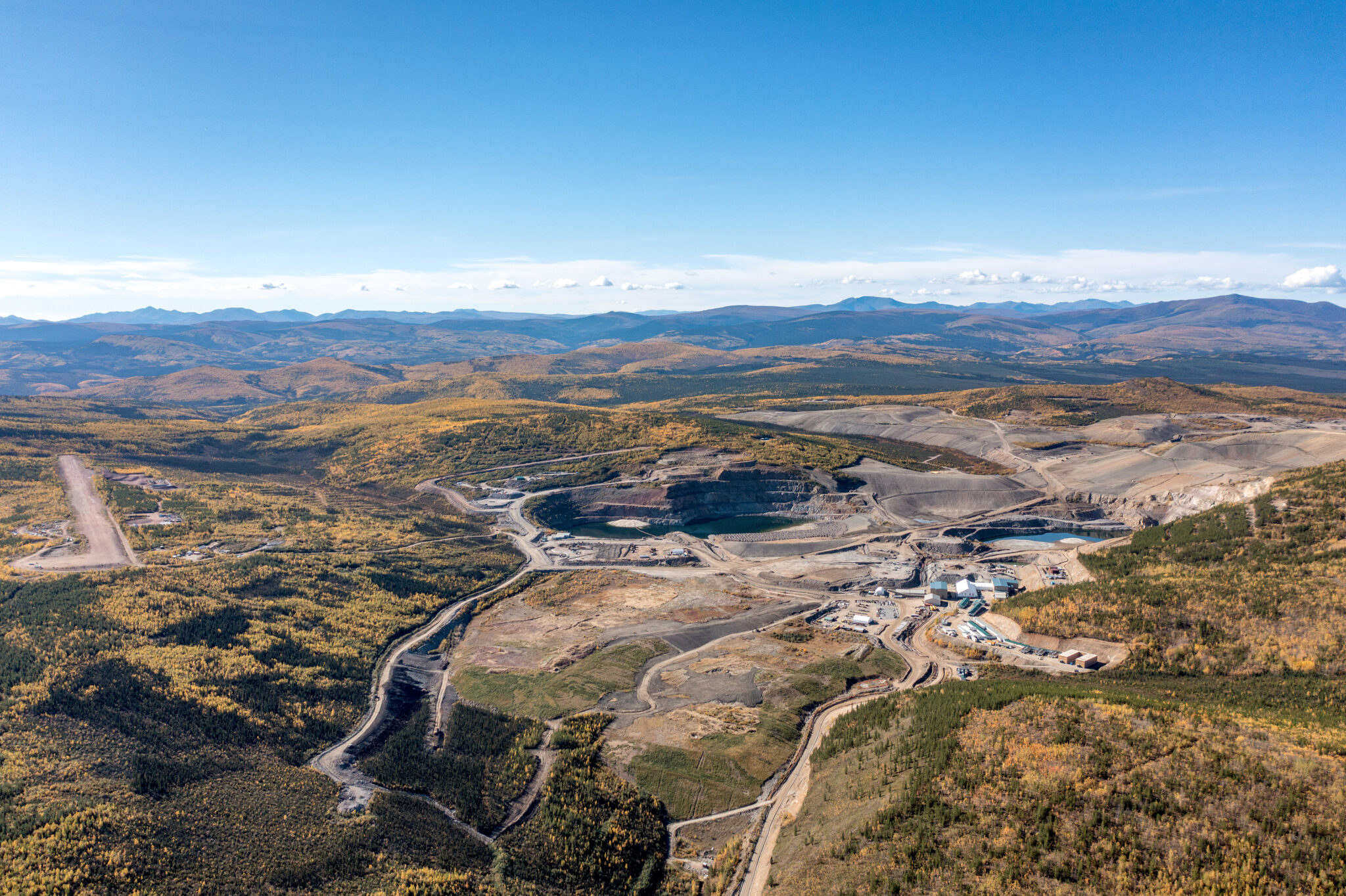
The Minto mine sits in Canada's Yukon territory, approximately 250 kilometres north of Whitehorse along the Klondike Highway. It is a copper-gold-silver mine that was built and operated by three separate companies between 2007 and 2023, producing concentrate sold to smelters who process it into pure metal. The mine shut down in 2023 when its most recent operator, Minto Metals, ran out of money and entered bankruptcy.
Selkirk Copper (TSX-V: SCMI | OTCQB: SKRKF | FRA: IO20) was formed in late 2025 specifically to acquire and restart the Minto mine. Its largest shareholder is Selkirk First Nation (SFN), holding an 18% equity stake with two board-nominated directors embedded in the restart planning process. The property includes a fully built processing plant, open pit and underground workings, a 400-person camp, a water treatment facility, grid power, and year-round road and barge access. Selkirk is not building a new mine - it is restarting an existing one, targeting first production by mid-2028.
Opening
On May 11, 2026, Selkirk Copper Mines released drill results confirming a new copper-gold-silver zone beneath the Area 2 historical open pit at the Minto mine and announced the formal start of a second major drilling campaign targeting up to 50,000 metres. These developments come at a time when copper is up 72%, gold is up 156%, and silver is up 255% since January 2023, per the May 2026 corporate presentation - meaning each tonne of ore the mine processes generates significantly more revenue than it did when the mine last operated.
A formal economic study - called a Preliminary Economic Assessment (PEA) - is due by mid-2026 and will translate all of this drilling data and current metal prices into a concrete picture of what the restart could be worth. It will be the first time investors can see a formal cost estimate and profit projection for the mine under Selkirk's ownership.
1. Selkirk Bought a Fully Built Mine for a Fraction of What It Cost to Build & Cancelled the Agreement That Was Draining Its Profits
Selkirk acquired the entire Minto operation for roughly C$30 million, against more than C$300 million spent building it by previous operators - and in the same process permanently cancelled a revenue-sharing deal that had paid an outside company more than US$250 million from the mine's gold and silver production, per the May 2026 corporate presentation.
That cancelled agreement was a streaming deal with Wheaton Precious Metals, meaning 100% of gold and silver revenue from any restart now flows directly to Selkirk shareholders. The only fee payable from production is a small royalty to Selkirk First Nation. Building a new copper mine from scratch typically takes a decade and costs billions of dollars. Selkirk is targeting first production by mid-2028 - roughly two and a half years from when it took ownership in late 2025 - using infrastructure that already exists and revenue streams that are now fully intact.
2. Drilling Has Found a Brand New Deposit & Confirmed That Another Zone Runs Deeper Than Anyone Previously Knew
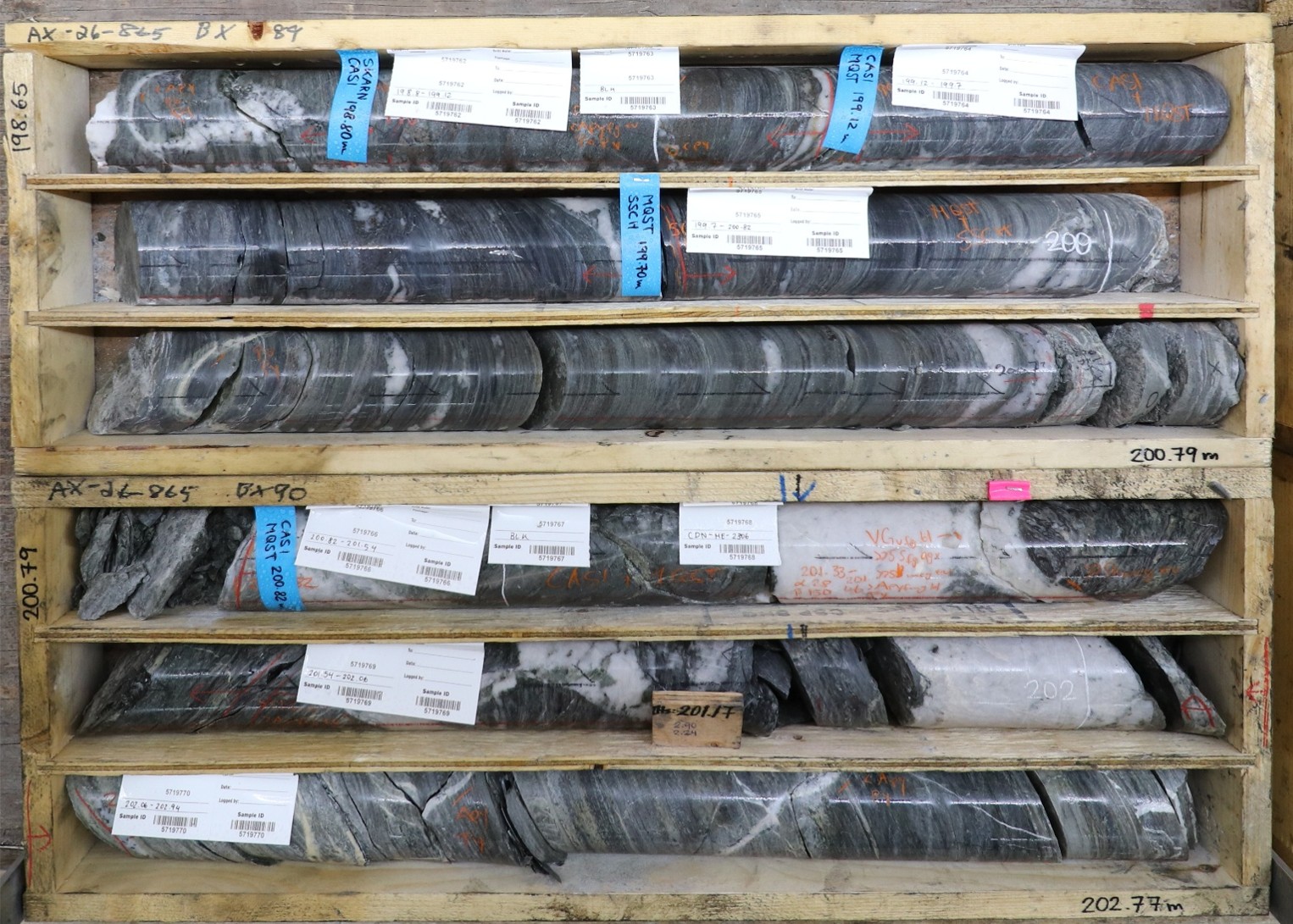
The May 11, 2026 news release confirmed two results not anticipated when Phase 1 drilling began: a new copper-gold-silver zone discovered beneath an old open pit named the 117 Lens, and a separate zone at Minto East confirmed to extend to depths falling entirely outside the current official metal inventory.
The 117 Lens was found beneath the Area 2 historical open pit - not a named target when the program started - with initial drilling outlining a zone extending over 250 by 200 metres that remains open to the west.
Colin Joudrie, President & Chief Executive Officer of Selkirk Copper Mines, stated:
"These results highlight that there is still significant discovery potential in the near-mine environment, and support our view that our commitment to exploration drilling will continue to deliver meaningful positive results."
Both discoveries will be incorporated into the updated metal inventory estimate targeted for mid-2026.
3. The New Discovery Is Within Easy Reach of Existing Underground Infrastructure
The 117 Lens sits within 200 metres of underground tunnels already built by previous operators - meaning accessing it requires far less new construction than a deposit with no existing mine infrastructure nearby, directly reducing the capital cost of bringing it into production.
Mineralization in the 117 Lens also follows the same geological pattern as other known deposits at Minto, meaning it is likely to respond to the same processing methods already used at the plant. That consistency reduces technical and cost risk relative to a deposit with unknown processing characteristics, and Phase 2 drilling will continue to test the western extension of the zone where mineralization remains open.
4. The Mine Has a Large Metal Inventory in the Ground & a Second Drilling Campaign Is Underway to Grow It Further
The August 2025 resource estimate, completed by Moose Mountain Technical Services and filed on SEDAR+ on August 6, 2025, confirmed hundreds of millions of pounds of copper plus substantial gold and silver - and that figure predates all of the Phase 1 discoveries, meaning the current inventory is a floor, not a ceiling.
Selkirk commenced Phase 2 drilling on May 1, 2026, targeting up to 50,000 metres for completion by November 2026, using the same contractor that delivered Phase 1 on schedule.
Joudrie stated:
"The Phase 2 drill program will continue to focus on resource expansion while also prioritizing important geoscience and technical data collection that will support the restart decision."
Beyond finding more metal, Phase 2 collects the rock strength and ore processing data that engineers at Hatch Ltd. and SRK Consulting (Canada) Inc. need to complete the Feasibility Study targeted for mid-2027.
5. The Mine Ran Successfully for 16 Years and Selkirk Is Targeting a Restart Using the Same Equipment
The Minto mine was not a failed project. It operated from 2007 to 2023, reached its highest ever annual metal production in 2016, and shut down because its owner ran out of money - not because the ore ran out, per financial reports and filings of Sherwood Copper Corporation, Capstone Mining Corp., Pembridge Resources plc, and Minto Metals Corp.
Selkirk is targeting a restart using the same plant, the same tunnels, and the same permits - amended where necessary rather than replaced - avoiding the years of construction and environmental approvals a new mine requires. The primary pre-restart technical task is dewatering the underground workings, where water accumulated during the Yukon Government's post-bankruptcy site stewardship - a known and defined challenge Selkirk's engineering consultants are actively planning for.
6. Selkirk Trades at a Significant Discount to Comparable Companies Despite Having Similar or Better Assets
At its current market value, Selkirk trades well below four North American copper development peers - despite a higher-grade copper deposit than at least one of them and an earlier production timeline than two others, per S&P Capital IQ Pro data at May 11, 2026 pricing.
Western Copper & Gold's Casino project in Yukon, Trilogy Metals' Arctic project in Alaska, Firefly Metals' Green Bay project in Newfoundland, and the now-acquired Foran Mining's McIlvenna Bay project in Saskatchewan all traded at market values ranging from three to eleven times Selkirk's current figure. The three risk factors justifying that discount are the absence of a published restart cost estimate, uncertainty around permit amendments, and the lack of a formal economic study - all of which the mid-2026 PEA directly addresses by publishing a formal cost and profit estimate for the first time.
7. The Company Has a Clear, Public Milestone Schedule Through to First Production in Mid-2028
Selkirk has published a specific sequence of milestones between now and mid-2028, each a required step before the next can begin - giving investors a clear framework for tracking whether the company is on schedule.
Remaining Phase 1 drill results are expected within approximately one month of May 11, 2026, followed by the updated metal inventory estimate and PEA both targeted for mid-2026. A full Feasibility Study is targeted for mid-2027, followed by a Final Investment Decision, mill commissioning in the first quarter of 2028, and first production by mid-2028. Funds raised through two share offerings in 2025 and 2026 are targeted to cover costs through to Feasibility Study completion - but the restart itself will require additional financing, the scale of which will be disclosed for the first time in the mid-2026 PEA.
Key Takeaway for Investors
- Selkirk bought a fully built, previously producing mine at a fraction of its replacement cost and cancelled the agreements that were diverting its future profits - giving it a financial foundation most junior miners never have.
- Phase 1 drilling found a brand new deposit and confirmed a second zone extends deeper than anyone previously knew, meaning the official metal inventory understates what is actually in the ground.
- The new 117 Lens discovery sits within 200 metres of existing underground tunnels, reducing the cost of bringing it into production compared to a deposit with no nearby infrastructure.
- Selkirk trades at a significant discount to comparable copper development companies despite a proven 16-year production track record and a production timeline equal to or earlier than most peers.
- The mid-2026 PEA is the single event that closes the most important information gap - publishing for the first time what the restart is likely to cost and what it could return.
- Watch for the remaining drilling results, the updated metal inventory figure, the PEA cost and profit estimates, and any announcement about a future sales agreement for the mine's copper concentrate production.
Bottom Line
Selkirk Copper Mines is not starting from zero. It owns a mine that worked for 16 years, bought it at a fraction of its replacement cost, and has a founding shareholder in Selkirk First Nation whose equity stake aligns the community's financial interests directly with those of investors. The risks are specific and known: the mine needs dewatering, permits need amending, and restart costs have not yet been formally calculated.
A mine that cost more than C$300 million to build, produced metal for 16 consecutive years, and carries a growing copper-gold-silver inventory is currently valued by the stock market at less than the replacement cost of the physical equipment on the ground. The mid-2026 economic study will either justify that discount or begin to close it.
Analyst's Notes





Subscribe to Our Channel

Stay Informed


