




Selkirk Copper Targets Mid-2028 Mine Restart After Strong Drill Results


.jpg)
Selkirk Copper (TSXV: SCMI) targets a mid-2028 restart, backed by strong drilling, new lens discoveries, and a 12-15 yr open-pit/underground mine plan.
- Selkirk Copper Mines is a restart-stage copper-gold-silver developer targeting production of a high-quality copper concentrate by mid-2028, building on existing camp infrastructure, a mill, and historical operating data.
- Phase 1 drilling (175 holes) validated the company's exploration targeting, hitting economic-grade mineralisation in 87% of holes and identifying two previously unknown mineral lenses (117 and 301) adjacent to existing mine infrastructure.
- An updated Preliminary Economic Assessment (PEA) and Mineral Resource Estimate (MRE) are due in July 2026, underpinning a targeted 12-to-15-year mine life via an integrated open-pit and underground plan split roughly 50/50.
- A ~50,000-metre Phase 2 drill program, focused on resource upgrades and geotechnical work, is running ahead of schedule and will feed a feasibility study beginning in late August/early September 2026, targeted for completion by mid-2027.
- Management is pursuing several non-dilutive financing avenues - off-take agreements, project finance, a potential silver-only stream, and convertible debt - while explicitly avoiding the over-leverage and permitting assumptions that affected the previous operator.
Selkirk Copper Mines Inc. (TSXV:SCMI) is working to bring a previously producing copper-gold-silver mine back into operation, a process the company's President and CEO, Colin Joudrie, describes as a "restart story." Restart projects occupy a distinct niche in mine development: they can offer investors reduced technical and infrastructure risk relative to greenfield projects, since much of the physical plant, geological understanding, and operating history already exists. In a recent interview, Joudrie outlined the results of the company's first drill campaign since it acquired the asset, detailed the path toward an updated economic study, and explained the financing and permitting strategy intended to differentiate the company from the asset's prior owner.
A Restart Built on Existing Infrastructure
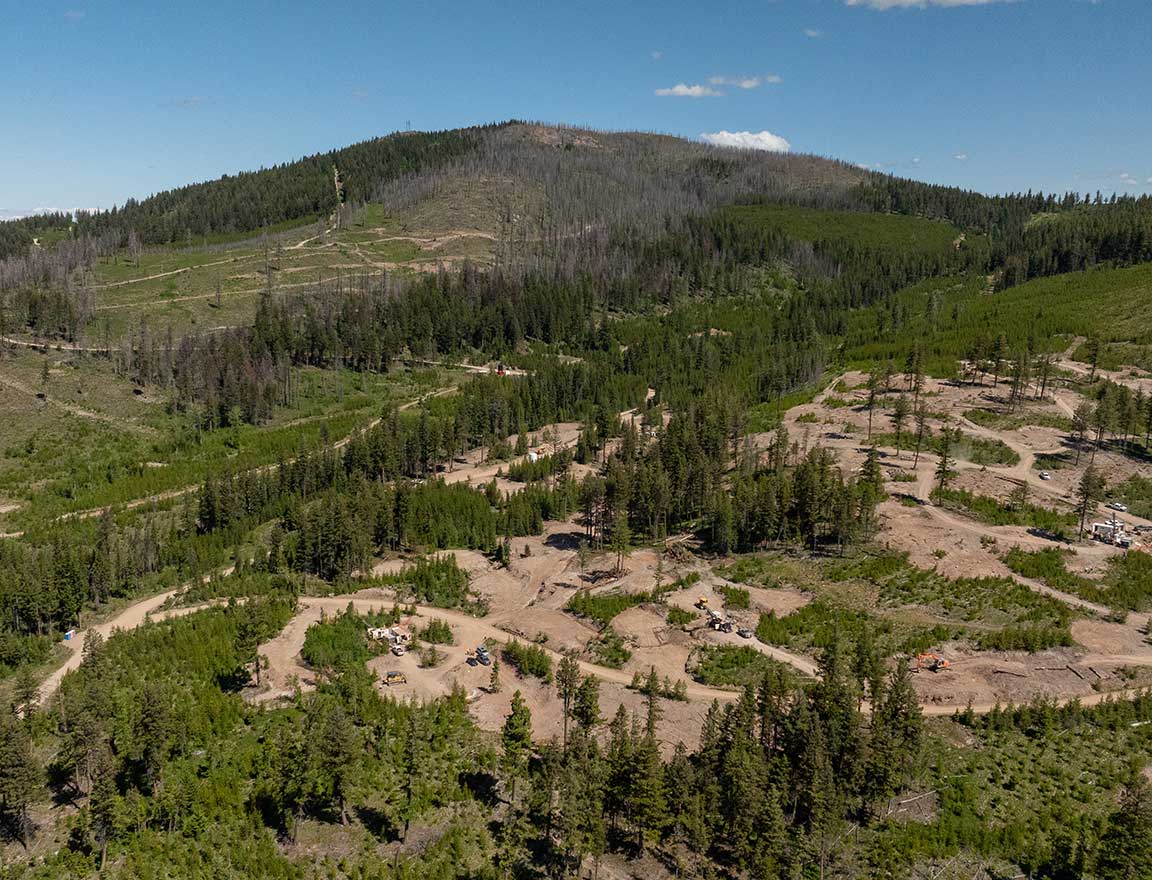
Selkirk's asset comes with above-ground resources already in place, including a processing mill, camp facilities, and established site infrastructure. This matters because much of the capital and engineering risk typically associated with new mine construction - designing a flotation circuit, building roads and power infrastructure, or securing long-lead-time equipment such as transformers - has already been addressed by the previous operator.
Joudrie noted that current engineering work is concentrated on incremental additions, such as a new three-stage crusher, rather than building core processing infrastructure from scratch. The company also benefits from a substantial historical geotechnical and metallurgical database, which management says reduces the scope of work typically required to advance a project from a Preliminary Economic Assessment (PEA) toward feasibility.
Drilling Results: Validating the Resource
The company's Phase 1 drill program, completed through the winter season, consisted of 175 holes and was designed to test the presence, scale, and extent of mineralisation across roughly 66 mineral lenses within the broader system. Management described the results as a strong validation of its geological targeting approach.
"We hit economic grade mineralisation in 87% of the 175 drill holes that we completed," Joudrie said, adding that the remaining 13% still provided useful geological information. The program also demonstrated operational efficiency, with drill crews averaging 94 metres per day per drill through winter conditions - a result Joudrie said supports the company's ability to operate safely and cost-effectively on a year-round basis.
New Discoveries and Mine Sequencing
Beyond confirming existing resources, the program identified two new mineral lenses - referred to as 117 and 301 - that were previously unknown. The 301 lens is shallow and located close to an existing mine adit, accessible at approximately 100 metres depth, while the 117 lens sits deeper and adjacent to the north end of the existing Copper Keel underground workings. Both are considered early-stage discoveries and are not guaranteed to be included in the initial mine plan.
The company's broader sequencing strategy calls for an integrated open-pit and underground operation, with roughly 50% of mill feed sourced from the open pit (referred to internally as the Ridgetop pit) and the balance from underground sources - the existing underground plus a planned new underground development at the Minto North zone. Management expects this roughly even split to hold for the first seven to eight years of operation, transitioning toward greater underground contribution later in the mine's 12-to-15-year targeted life.
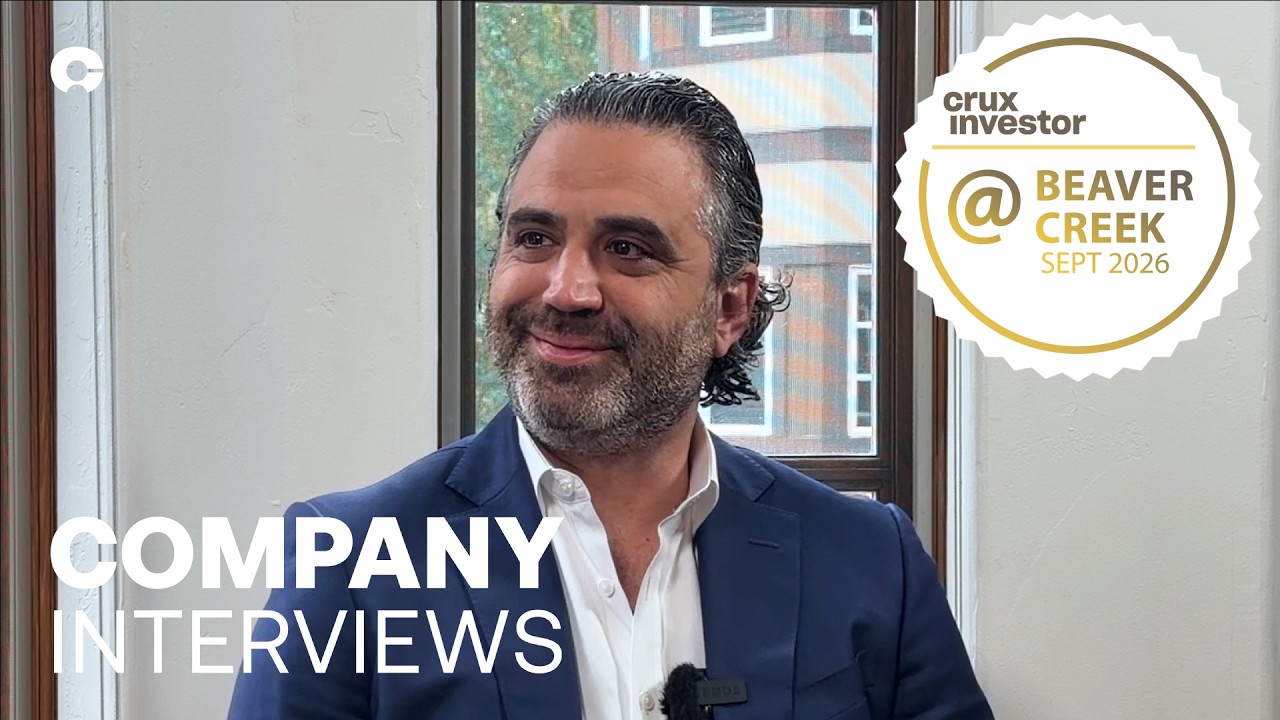
Interview with Colin Joudrie, President and CEO, Selkirk Copper
Toward a Feasibility Study
With Phase 1 drilling complete and its results being incorporated into an updated Mineral Resource Estimate, Selkirk is now conducting a second, roughly 50,000-metre drill program that began in May 2026. This phase is oriented toward infill drilling - converting inferred and indicated resources into the measured and indicated categories needed for mine planning - as well as geotechnical work covering underground structural and water conditions, open-pit wall angles, portal design for the new Minto North access, and waste and tailings placement.
The program is running ahead of the original schedule, with management attributing the pace to warmer working conditions and driller familiarity with the rock. Completion is now expected by early September 2026, roughly a month and a half earlier than planned, with assay results anticipated by October or November. This data is intended to feed directly into a feasibility study that management expects to begin in late August or early September 2026 and complete by mid-2027, forming the basis of an eventual restart investment decision. In the near term, the company expects to release its updated PEA and MRE in July 2026.
Alongside the resource and permitting work, Selkirk has engaged engineering firms Hatch and SRK Consulting on the technical study. Management said this work already includes vendor quotes for certain equipment, fully built owner's-team rosters covering staffing rotations, and established visibility on power and energy costs - a level of detail Joudrie characterised as unusual for a PEA-stage study. On production, the company's current planning basis targets processing throughput of 4,100 tonnes of ore per day, or roughly 1.5 million tonnes annually, yielding approximately 30,000 tonnes of copper-equivalent metal in concentrate each year. That figure is expected to break down into roughly 18,000 to 22,000 tonnes of copper, 25,000 ounces of gold, and 250,000 ounces of silver on an average annual basis, with management targeting operating costs in the middle of the industry cost curve, equivalent to roughly $3 per pound of copper net of by-product credits. These figures are based on planning prices of $4.60 per pound copper, $3,300 per ounce gold, and $40 per ounce silver, and are expected to be refined as the feasibility study progresses.
Financing the Restart
Joudrie outlined several potential, largely non-dilutive financing paths. The first is an offtake agreement, supported by what management describes as a high-quality concentrate - historically averaging 39% copper grade with low levels of deleterious elements - that has found buyers across multiple markets, historically including Japan. The second is traditional and bespoke project finance, which management believes could be advanced three to four months ahead of the restart date, contingent on demonstrating certainty around permitting.
A silver-only stream is also under consideration, given that silver represents a comparatively small share (approximately 2%) of projected revenue; management indicated it is less inclined toward precious-metals streaming more broadly given the asset's meaningful gold and silver credits. Convertible debt and other debt-like instruments were mentioned as a further option depending on market conditions.
Lessons From the Past
The asset was previously operated by a different company that, according to Joudrie, over-leveraged the project and made mine-planning and permitting assumptions that ultimately proved problematic. Selkirk's stated approach differs in two respects: first, building an integrated mine plan intended to support the full 12-to-15-year mine life from the outset, rather than sequencing toward high-grade material early and extending mine life later; and second, undertaking a comprehensive review and amendment of existing permits ahead of any restart decision, rather than assuming permitting flexibility once in production.
"It's a good asset," Joudrie said. "It's just the last operator made some mistakes, right?" Joudrie also pointed to a shift in market conditions since the asset was last permitted, noting that metal prices and industry sentiment toward critical minerals have both changed materially, though he was careful to frame these as favourable external conditions rather than a substitute for disciplined execution.
The Investment Thesis for Selkirk Copper
- Reduced technical risk relative to greenfield projects: existing mill, camp, and infrastructure, combined with a substantive historical geotechnical and metallurgical database, reduce the scope of engineering work required to reach feasibility.
- Strong exploration conversion rate: 87% of Phase 1 drill holes intersected economic-grade mineralisation, supporting confidence in the targeting methodology across the broader lens system.
- Extended mine life target: an updated resource base is being built toward a 12-to-15-year mine life, versus a historically shorter operating window, which management believes improves resilience through metal price cycles.
- Near-term catalysts: PEA and MRE update due July 2026, feasibility study commencing late August/early September 2026, and amended permit submissions expected in October 2026.
- High-quality, marketable concentrate: historically averaging 39% copper grade with low deleterious elements and gold/silver credits, supporting offtake optionality across multiple geographic markets.
- Multiple non-dilutive financing paths under consideration: offtake agreements, project finance, a potential silver-only stream, and convertible debt, rather than reliance on a single financing structure.
- Explicit risk-mitigation on permitting: comprehensive review and amendment of permits against the full targeted mine life prior to a restart decision, addressing a key issue from the asset's prior operating history.
- Favorable macro backdrop: copper, gold, and silver prices materially higher than during the asset's last operating period, alongside increased industry and market focus on critical minerals.
Macro Thematic Analysis
Selkirk's restart is unfolding against a materially different macro backdrop than the asset's last operating period. Management noted that metal prices are roughly double where they stood in May 2023, and that "critical minerals" has become a far more prominent theme for both industry participants and capital providers. This shift matters for a restart project specifically: higher prices improve project economics and financing terms, while heightened policy and investor attention toward domestically or regionally sourced copper, gold, and silver supply can support offtake and project-finance discussions. Management was careful to frame these conditions as supportive tailwinds rather than a substitute for disciplined mine planning and permitting.
"Metal prices are almost twice of what they were in May of 2023... we have a very different frame of thinking more broadly in the market around critical minerals, very supportive."
TL;DR
Selkirk Copper Mines is advancing a restart of an existing copper-gold-silver mine, targeting production by mid-2028. Phase 1 drilling confirmed strong resource continuity and uncovered two new mineral lenses, supporting a targeted 12-to-15-year integrated open-pit/underground mine plan. An updated PEA and MRE are due in July 2026, ahead of a feasibility study running from late 2026 into mid-2027. Financing is expected to draw on offtake agreements, project finance, and selective streaming or debt instruments, with management emphasising more conservative mine sequencing and permitting than the asset's prior operator.
FAQs (AI-Generated)
Analyst's Notes





Subscribe to Our Channel



.jpg)

Stay Informed


