




Serabi Gold's Three-Phased Growth Strategy: 7 Things You Need to Know


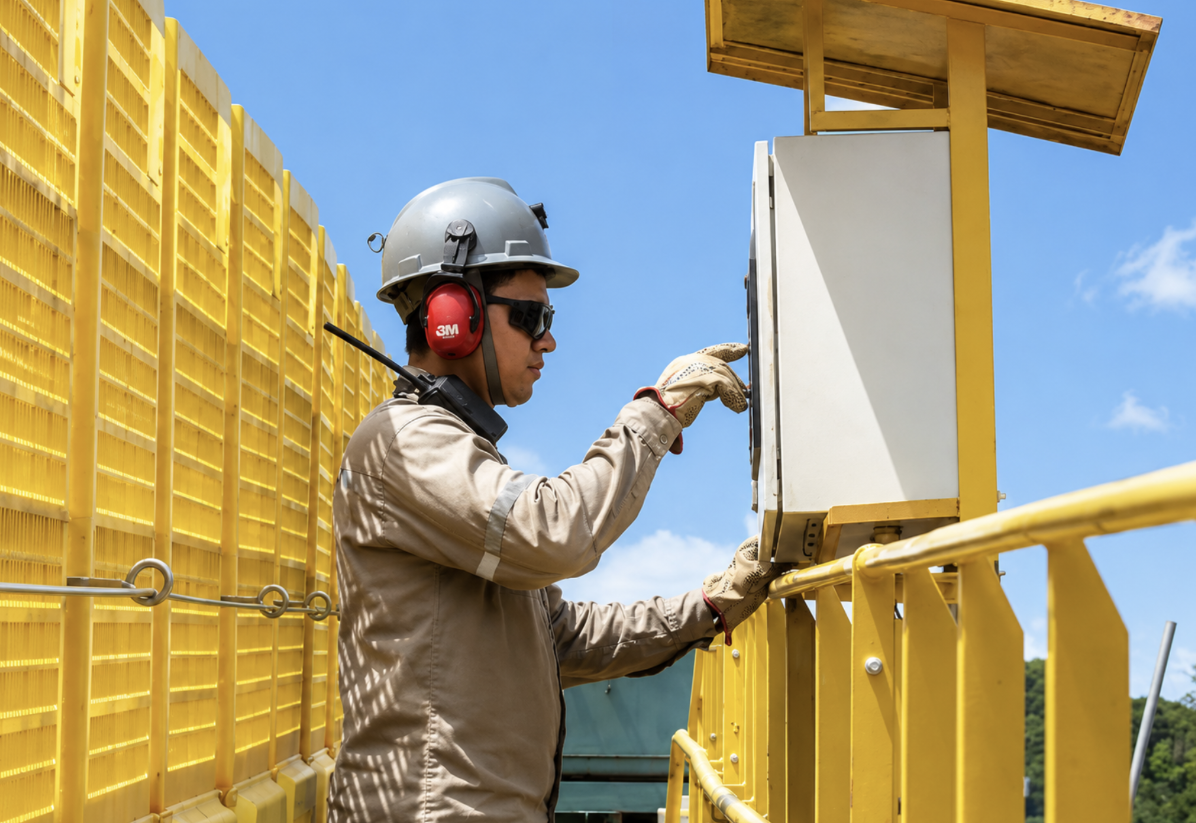
Serabi Gold's June 2026 strategy outlines a three-phased plan to organically grow to 100,000 ounces of annual production, supported by exploration and cash flows.
Project Overview
Serabi Gold plc (AIM: SRB | TSX: SBI) has spent the past 18 months increasing production, expanding resources and strengthening its balance sheet through higher gold prices and improved operational performance. The company introduces a structured three-phased growth strategy designed to increase production beyond current guidance levels using internally generated cash flow rather than external financing. The strategy provides a framework linking current production, exploration spending and infrastructure investments to a longer-term objective of becoming a larger gold producer.
1. The Growth Strategy Targets Production Beyond Current Guidance
Serabi's phased growth strategy links exploration success directly to future production capacity. The company’s three-phased strategy designed to increase production from the current 53,000 to 57,000 ounces guidance range toward a longer-term objective of approximately 100,000 ounces annually. The first phase focuses on maximising production from existing infrastructure, the second phase targets resource growth through exploration, and the third phase involves expanding processing capacity once additional resources have been defined and converted into reserves.
This sequencing reduces capital allocation risk because management prioritises resource definition before committing to larger processing expansion projects. Under this approach, future plant capacity is intended to reflect the size of the resource inventory rather than a predetermined production target. Increasing resources toward 1.5 million to 2.0 million ounces would provide the scale required before committing capital to larger processing infrastructure.
2. Existing Infrastructure Is Being Optimised Before New Construction
Management is prioritising the optimisation of existing processing infrastructure before committing capital to larger expansion projects. Ore sorting remains a key component of that strategy because it upgrades feed material before processing, allowing more efficient utilisation of available plant capacity and supporting higher production without requiring immediate investment in new processing facilities.
The Palito processing plant is operating near its practical limit. That operating constraint means future production growth beyond current guidance is likely to require additional processing capacity rather than incremental operational improvements. By maximising existing infrastructure first, Serabi can continue generating cash flow while directing capital toward exploration and resource growth.
3. Resource Growth Will Determine the Scale of Future Expansion
Exploration results will determine the size of future processing expansions and long-term production levels. Serabi is targeting approximately US$15 million of exploration spending and around 30,000 metres of drilling annually using six drill rigs across the Palito and Coringa districts. The programme is designed to build on resource growth achieved during 2025, when total resources increased from approximately 1.0 million ounces to 1.4 million ounces.
The company has indicated a longer-term objective of increasing resources toward 1.5 million to 2.0 million ounces before determining the ultimate scale of future processing expansions and production growth. Resource growth therefore acts as the primary gating factor for larger capital investments and future production increases.
4. A US$5.0 Million Mill Relocation Is Targeting Higher Throughput
A low-capital processing expansion is targeting higher throughput using infrastructure already owned by the company. When Serabi acquired Coringa, the project included processing infrastructure that had already been purchased for the original development plan. Management is targeting the relocation of one of those ball mills to the Palito Complex, increasing processing capacity from approximately 650 tonnes per day to approximately 900 tonnes per day.
The project is estimated to cost approximately US$5.0 million, substantially less than constructing a new processing facility. The lower capital requirement allows the company to increase throughput capacity while preserving cash for exploration, permitting and mine development activities. The expansion also represents the first physical step toward production levels beyond current guidance. The expanded facility is targeting readiness during 2027 as part of the broader production growth strategy.
5. Coringa Provides Additional Scale Beyond Current Resources
Coringa currently hosts approximately 800,000 ounces of resources despite drilling along only a small portion of the broader mineralised trend. Resource drilling has covered approximately 1.5 kilometres of strike length within a system extending approximately 8 kilometres, while the broader geological anomaly extends around 20 kilometres.
The significance of these figures is that future drilling success at Coringa could materially contribute to management's objective of increasing total resources toward 1.5 million to 2.0 million ounces. Additional resources would support the economic rationale for future processing plant expansions and higher long-term production levels. While exploration outcomes remain uncertain, Coringa represents one of the principal organic growth opportunities underpinning the company's three-phased strategy.
6. The Company Reports Lower Carbon Intensity Than Selected Peers
The carbon intensity remains below the peer average. Serabi reported greenhouse gas (GHG) emission intensity of 0.57 tonnes of carbon dioxide equivalent per ounce of gold produced. The company compared that figure with a cited peer average of 0.91 tonnes of carbon dioxide equivalent per ounce of gold produced among selected senior gold producers. Serabi's reported emissions intensity is approximately 37% lower than the cited peer average. Maintaining this emissions profile while increasing production remains one of the operational metrics highlighted within the company's broader growth strategy.
7. Valuation Metrics Remain Below Cited Peer Averages
Serabi reported a free cash flow (FCF) yield of 26% and an enterprise value to earnings before interest, taxes, depreciation and amortisation (EV/EBITDA) multiple of 1.9x. The valuation metrics are presented alongside a debt-free balance sheet, US$64.4 million of cash at the end of the first quarter of 2026 and ongoing investment in exploration and processing capacity expansion. Operational execution, resource growth, and production expansion are now likely to be the principal drivers of future value creation rather than balance-sheet repair or debt reduction.
The company's three-phased strategy links production growth, resource expansion and processing capacity increases into a single development sequence. Over the next 18 months, investors will likely monitor delivery of 2026 production guidance of 53,000 to 57,000 ounces, progress toward the targeted 1.5 million to 2.0 million ounces resource inventory, advancement of final permitting at Coringa and execution of the mill relocation project targeting processing capacity of 900 tonnes per day.
Key Takeaways for Investors
Serabi's three-phased growth strategy is designed to increase production using internally generated cash flow rather than external financing. The company ended the first quarter of 2026 with US$64.4 million of cash and no debt, is allocating approximately US$15 million annually to exploration and is targeting a low-capital US$5.0 million mill relocation to increase processing capacity from 650 tonnes per day to 900 tonnes per day. The key variable remains resource growth, as management has stated that future processing expansions will depend on increasing resources from the current 1.4 million ounces toward a target range of 1.5 million to 2.0 million ounces. Delivery of 2026 production guidance, continued drilling success at Coringa, and execution of the planned processing expansion will likely determine the pace of future production growth.
Analyst's Notes





Subscribe to Our Channel


.png)

.png)




Stay Informed






















