




Three Central Bank Hikes Fail to Stop Gold’s Recovery to $4,380



Falling oil and Treasury yields could push gold toward $4,580, while central-bank buying supports demand despite ETF outflows and higher rates.
- The Fed raised its target range by 25 basis points to 3.75% to 4.00% on September 16, its first hike since July 2023, between ECB and Bank of Japan hikes on September 10 and 18. Gold fell to a near six-week low before recovering to about $4,380.
- The Iran war pushed oil above $107 a barrel on September 16, raising inflation pressure and supporting higher rates. Higher cash yields increase gold’s holding cost because bullion pays no interest.
- On September 21, Tim Waterer, Chief Market Analyst at KCM Trade, placed gold’s near-term range at $4,200 to $4,580, with lower oil or bond yields required to reach the upper level.
- Markets priced a nearly 60% probability of another Fed hike on October 28. Because futures pricing is not a Fed commitment, smaller positions can limit losses while preserving exposure to a gold rebound.
- An LBMA Gold Price above $4,580 after an October hike would show that gold demand can overcome the pressure from higher interest rates.
Gold Recovers After Fed Rate Hike as Falling Oil Lowers Yields
The Fed unanimously raised its target range by 25 basis points to 3.75% to 4%, its first hike since July 2023. Gold fell to a near six-week low before rising 2% and reaching a one-week high near $4,380 an ounce, showing that demand can recover despite higher rates.
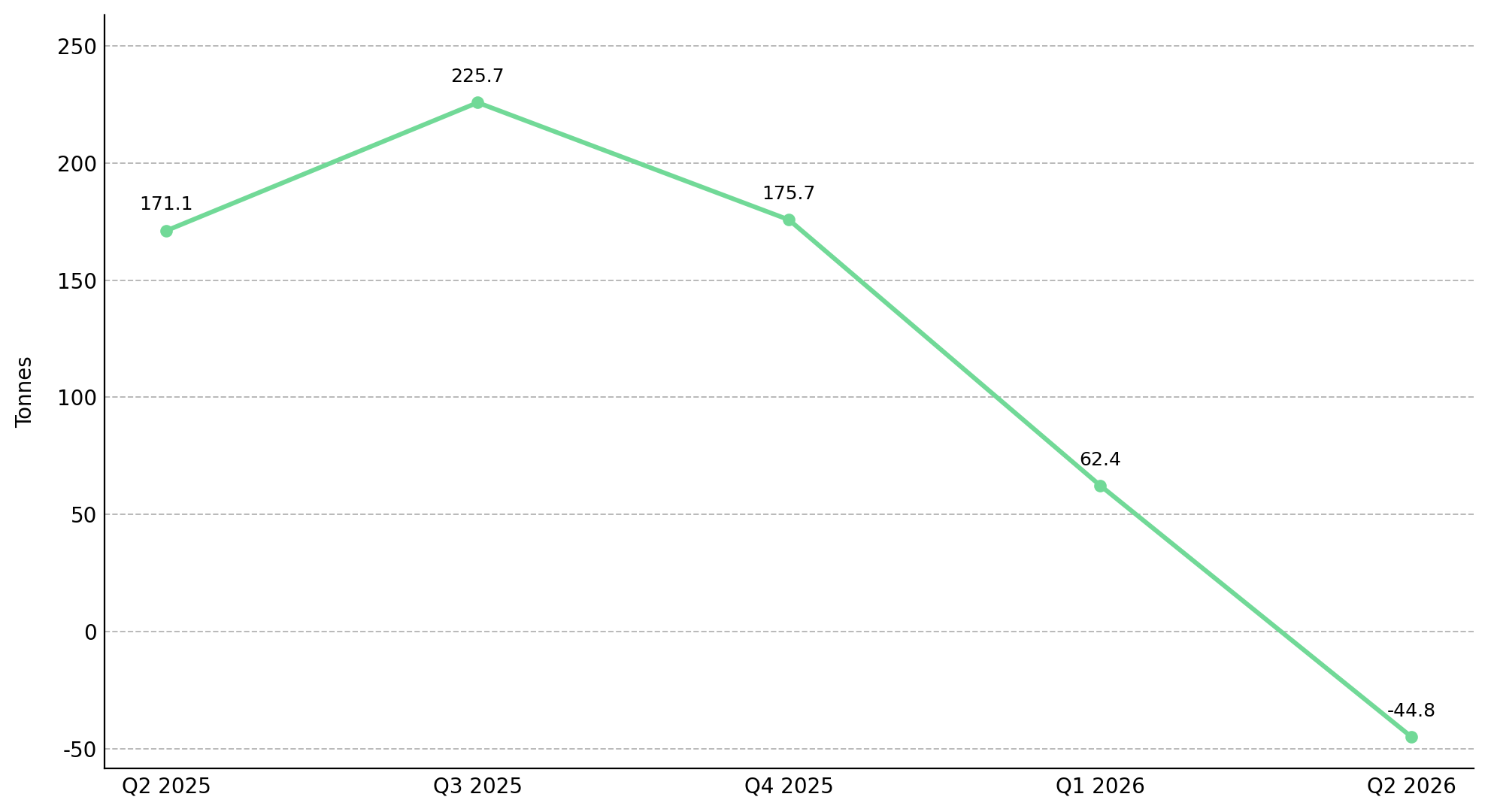
Gold remains about 22% below its $5,589.38 January record, offering contrarian buyers a lower entry point. Gold exchange-traded funds recorded net outflows of 44.8 metric tons in Q2 2026 after inflows of 225.7 metric tons in Q3 2025, leaving renewed ETF buying as a potential source of additional demand.
Iran War Inflation Drives Rate Hikes That Raise Gold's Holding Cost
Brent crude fell from above $107 a barrel to $98.46 after Saudi Arabia restored flows through its East-West pipeline. Lower oil reduces energy and transportation costs, although the Fed’s September projections raised 2026 Personal Consumption Expenditures inflation from 3.6% to 3.7%. The 10-year US Treasury yield also fell from above 5% to about 4.93%, reducing the income forgone by holding non-yielding gold.
Sixteen of 18 Fed officials are targeting at least one more hike this year. The ECB raised its deposit rate to 2.50%, while the Bank of Japan lifted its policy rate to 1.25%, its highest since 1995. Coordinated tightening raises gold’s holding cost, but further declines in oil and bond yields could support additional price gains.
Fed Hike Odds & Oil Prices Set Gold's Near-Term Trading Range
Gold’s rebound remains conditional because lower oil and bond yields depend on restored pipeline supply and softer inflation data. Tim Waterer, Chief Market Analyst at KCM Trade, told CNBC that gold would likely require a clear decline in oil or bond yields to advance.
Tim Waterer’s $4,200 to $4,580 range frames two scenarios: falling Brent crude and a 10-year US Treasury yield below 5% could push gold toward $4,580, while another Fed hike and a yield above 5% could pull it toward $4,200. The daily 10-year yield and the World Gold Council’s Q3 exchange-traded fund flow data will indicate which scenario is developing.
Higher US Rates Reduce Gold ETF Demand and Shift Risk to Bar Buyers
Higher cash yields weaken demand for non-yielding gold funds. US-listed gold exchange-traded funds shed 61 metric tons in the first half of 2026, the second-largest first-half outflow by value on record. Gold producers face a separate risk because US diesel at $6 a gallon raises operating costs and compresses mine margins.
Physical buyers purchased about 1,200 metric tons of bars and coins in 2025, making dealer trust financially important. The British Standards Institution is targeting voluntary dealer audits in the fourth quarter, which could help buyers assess counterparties, although a missing assessment would not prove that a dealer is unsound.
Futures priced a nearly 60% probability of an October 28 Fed hike, but that probability is not a policy commitment. Position size limits exposure when the rate path remains uncertain. Gold’s 22% decline from its record shows the price risk, while dealer spreads reduce bar returns and annual fees reduce ETF returns.
Central Bank Buying Lifts Gold's Floor as Rate-Sensitive Holders Set the Ceiling
Supply shocks can lift gold, but the policy response can reverse part of the gain. Gold reached a record as Iran tensions raised oil prices, before higher inflation contributed to rate hikes that increased bullion’s holding cost. An LBMA Gold Price PM above $4,580 in the week after an October Fed hike would invalidate the view that higher rates cap gold near that level.
Central banks bought 288.9 metric tons in Q2 while exchange-traded fund holders sold, showing that sovereign demand is less sensitive to rates. Gold does not hedge every inflation shock because higher rates can offset demand for protection. The contrarian case favors selective exposure rather than an exit, as central-bank purchases support demand while gold remains about 22% below its record.
Analyst's Notes





Subscribe to Our Channel






Stay Informed






















