




Serabi Gold: Brazil Producer Poised to Double Output by 2026


.webp)
Primary risks include gold price volatility, Brazilian regulatory changes, and operational execution challenges during expansion.
- Serabi Gold operates two producing gold mines in Brazil's Tapajós region with 2026 production guidance of 53,000 to 57,000 ounces
- Company plans to scale production to approximately 60,000 ounces annually by 2026 through its Coringa mine development
- Strong financial position with US$54.3 million cash and only US$7.1 million debt as of December 2025
- Operates in a globally significant mineral province with extensive exploration upside potential
- Trading at attractive valuation metrics compared to peer group with 1.9x EV/EBITDA for 2026
Market Context Favors Gold Producers
As gold prices climb on softening U.S. economic data and falling Treasury yields, investors are increasingly focused on gold producers positioned for growth. Serabi Gold plc, a Brazilian gold mining company, presents a compelling investment opportunity in the current precious metals environment. With spot gold recently rising 0.7% to around $5,057 per ounce and analysts expecting continued monetary easing, producers with strong operational foundations and growth potential are attracting institutional attention.
The broader commodities landscape supports precious metals investments as economic uncertainty persists. Weaker U.S. retail sales data and expectations of Federal Reserve rate cuts create favorable conditions for non-yielding assets like gold, positioning established producers for potential outperformance.
Established Operations Drive Consistent Performance
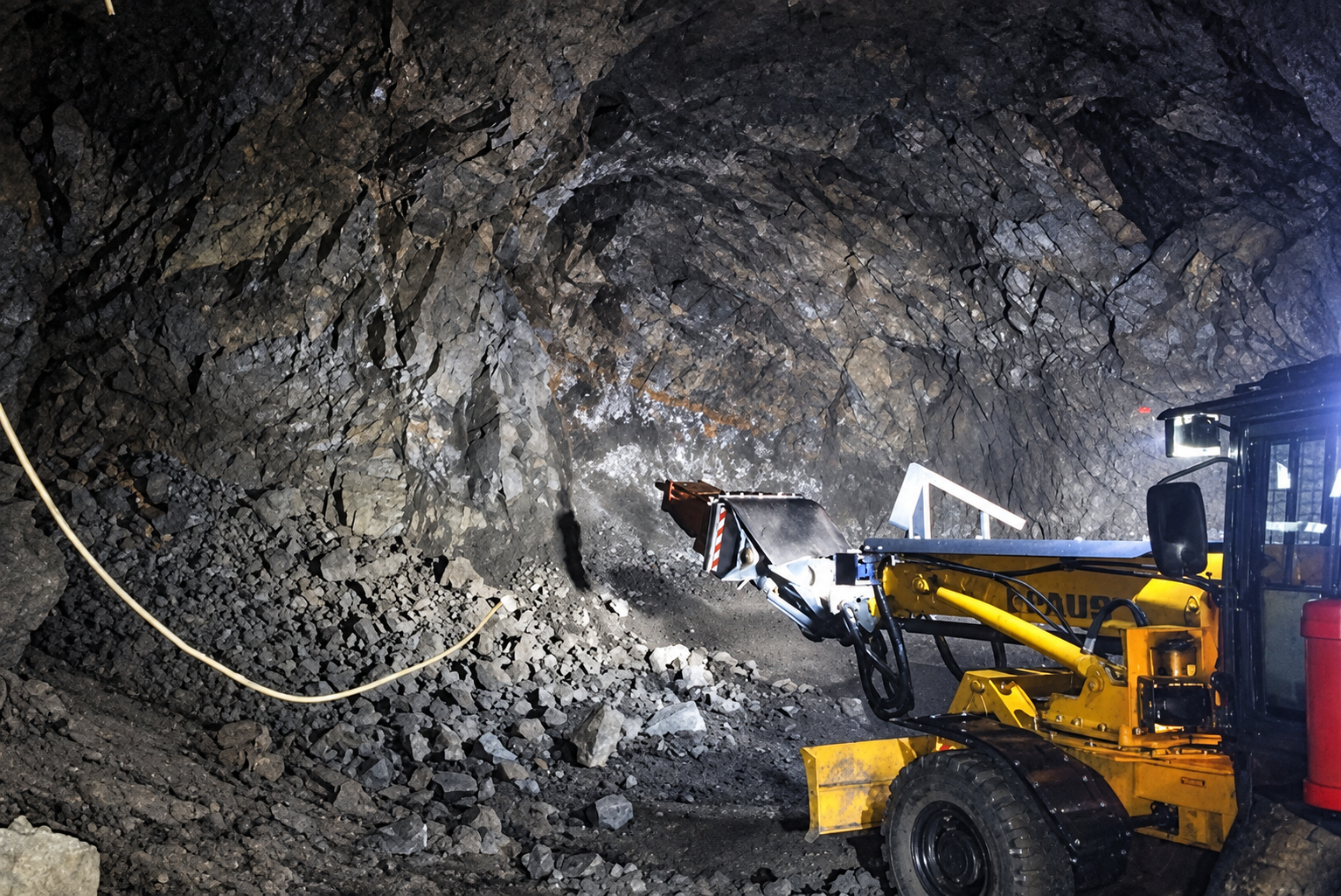
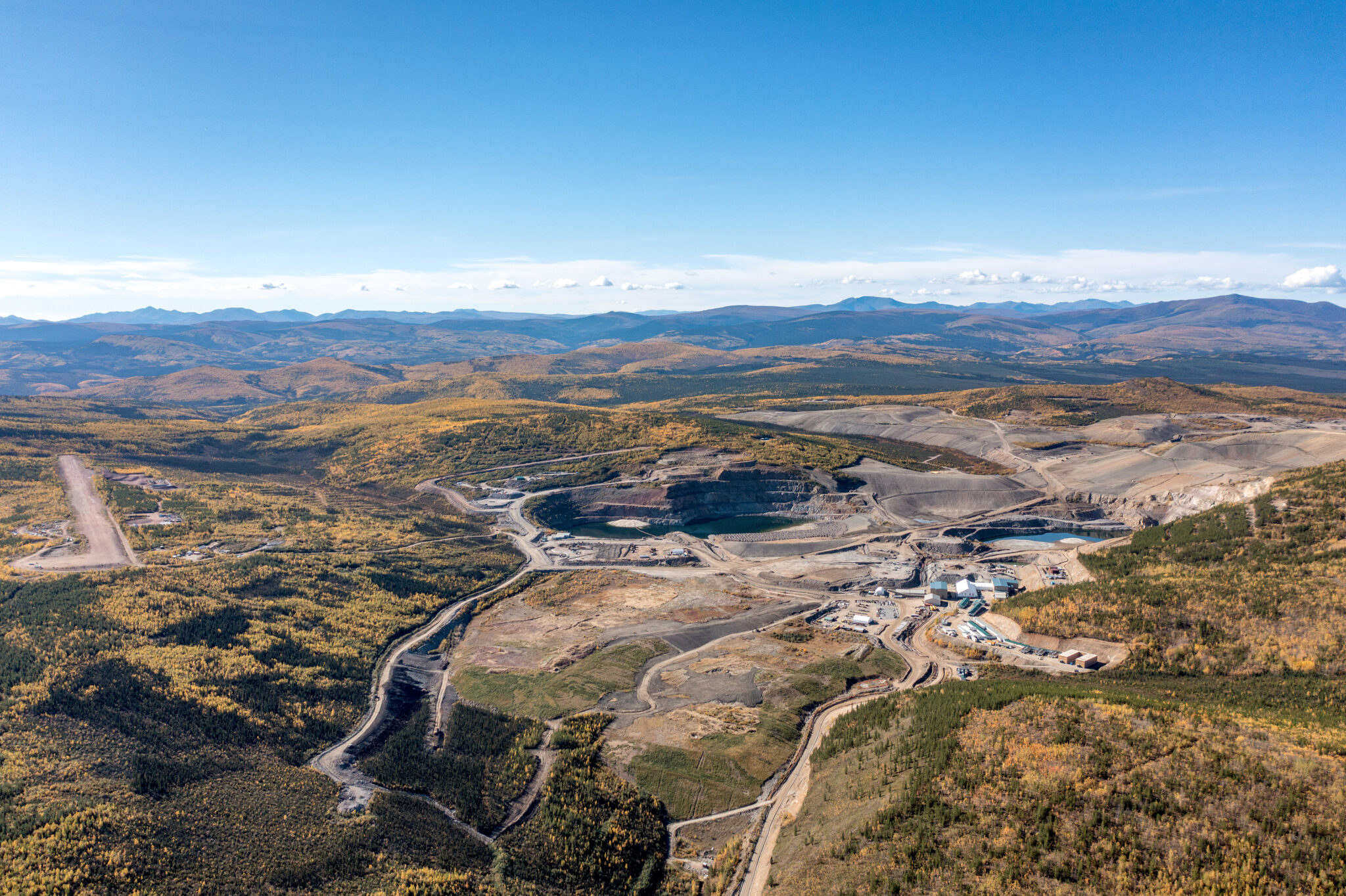
Serabi Gold operates two key assets in Brazil's Para State: the established Palito Complex and the developing Coringa mine. The Palito Complex has delivered consistent production of 30,000 to 40,000 ounces annually for over 20 years, while Coringa represents the company's primary growth driver. The combined operations position Serabi to become a 60,000 ounce annual producer by 2026.
"We have a de-risked growth plan that is organically funded with low initial capital requirements," - CEO Mike Hodgson.
CEO Hodgson brings over 40 years of worldwide mining experience to the company. The Palito Complex demonstrated operational reliability in 2024, producing 37,500 ounces with all-in sustaining costs of US$1,700 per ounce.
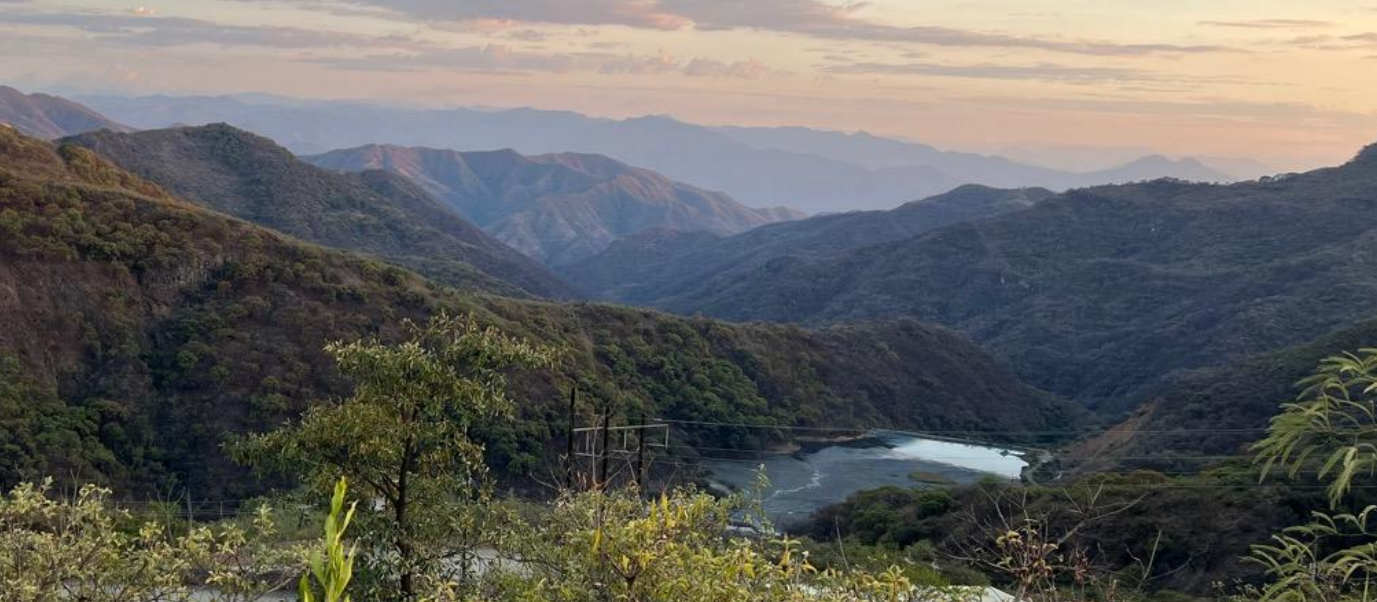
The company's strategic location in the Tapajós mineral province provides significant advantages. This 90,000 square kilometer region reportedly contains up to 30 million ounces of historical artisanal production, yet only 7 million ounces have been defined in hard rock deposits.
Growth Catalyst Powers Production Expansion
The Coringa mine represents Serabi's most significant near-term catalyst for investors. Acquired for US$22 million, the asset contains measured and indicated resources of 179,000 ounces at 7.0 grams per tonne, plus inferred resources of 271,000 ounces at 5.8 grams per tonne. The updated Preliminary Economic Assessment confirms robust project economics with a pre-tax NPV of US$230 million at a US$2,100 gold price.
"Our strong cash position and proven operational track record provide the foundation for sustainable growth," noted CFO Colm Howlin.
CFO Howlin has contributed significantly to the company's financial systems since joining in 2013. Coringa's development strategy leverages ore sorting technology to optimize processing efficiency, with the classification plant commissioned in December 2024.
The mine's production profile shows steady output ramping from 18,000 ounces in 2025 to 41,000 ounces by 2028, with all-in sustaining costs averaging US$1,241 per ounce over the 11-year mine life. Current operations have validated geological assumptions and demonstrated the effectiveness of ore sorting technology, reducing execution risk for full-scale development.
Exploration Potential Creates Long-Term Value
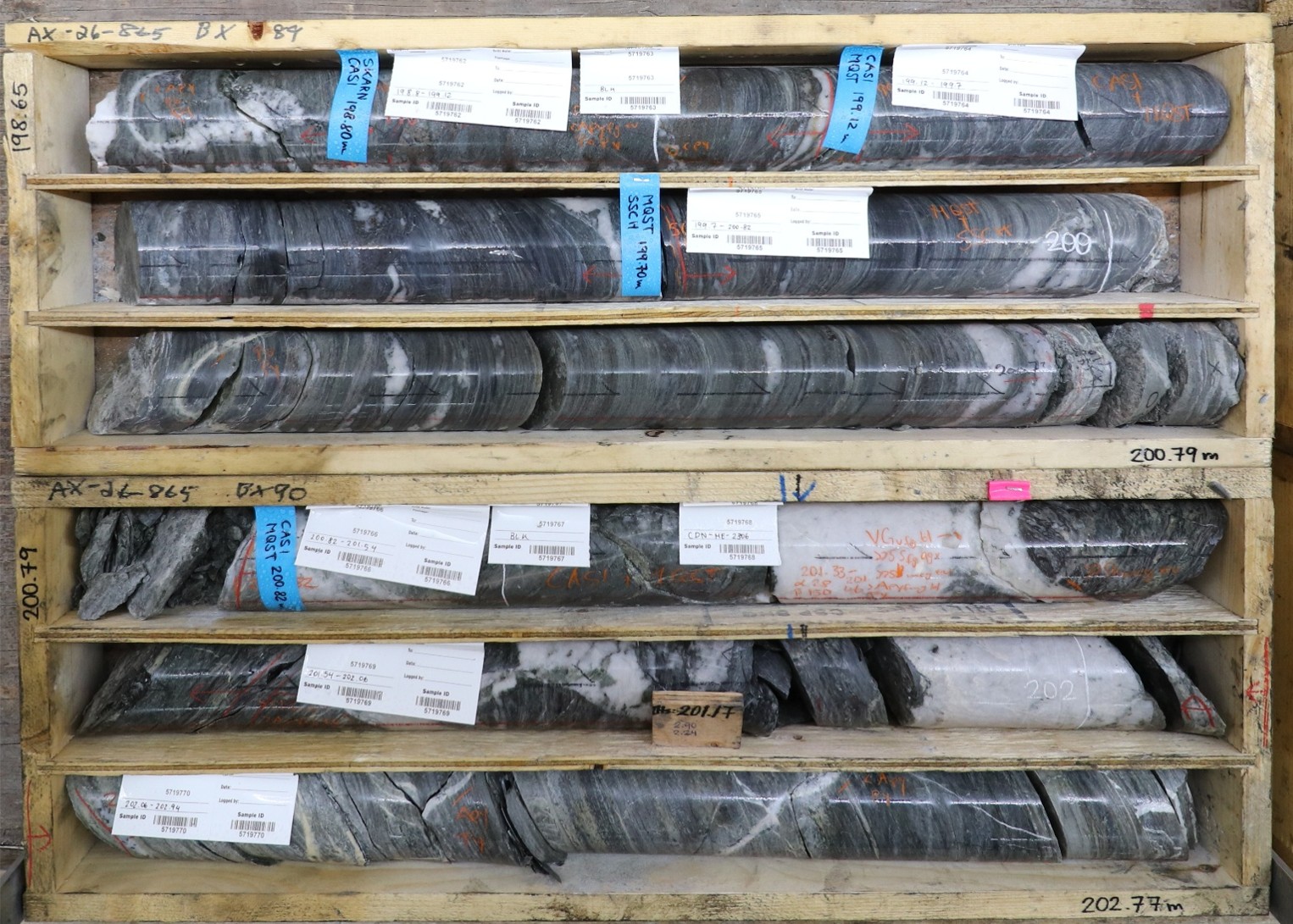
Serabi's positioning in the Tapajós region provides exposure to one of the world's most prospective gold districts. The company controls 64,709 hectares at the Palito Complex, providing extensive exploration potential beyond current operations. Recent drilling results have identified multiple high-grade intercepts, including 7.15 meters at 258 grams per tonne at the São Domingos prospect.
"We are targeting a consolidated 1.5 to 2.0 million ounce resource through our systematic exploration program," - Marcus Brewster, Chief Operating Officer.
CFO Brewster brings over 20 years of mining experience primarily in Brazil and West Africa. The exploration program targets both brownfield expansion and greenfield discoveries across multiple high-priority targets.
Priority targets include the São Domingos and Matilda prospects, with Matilda showing geological potential of 81 million tonnes at 0.28% copper equivalent. The company's 2025 exploration program includes 30,000 meters of diamond drilling across both properties, with updated mineral resource estimates expected in Q1 2026.
Financial Strength Supports Self-Funded Growth
Serabi maintains a robust financial position that distinguishes it from many junior and intermediate producers. The company reported EBITDA of US$48.2 million for the nine months ended September 2025, compared to US$35.9 million for full-year 2024. With US$54.3 million in cash and minimal debt of US$7.1 million, the company maintains financial flexibility for development activities.
"Our balance sheet strength allows us to pursue growth opportunities without diluting shareholders through equity raises," said Andrew Khov, Vice President of Investor Relations and Business Development, who previously worked at RBC Capital Markets and Raymond James. The company's net cash position provides self-funding capability for both the Coringa development and aggressive exploration programs.
Trading metrics reflect the company's undervaluation relative to peers. Serabi trades at an enterprise value-to-EBITDA multiple of 1.9x for 2026 estimates, compared to the peer average of 3.7x. This valuation gap may present an opportunity for value-oriented investors seeking exposure to Brazilian gold production.
Investment Opportunity for Growth-Focused Investors
- Production set to increase 60% from 38,000 ounces in 2024 to 60,000 ounces by 2026 through Coringa development
- Strong balance sheet with US$54.3 million cash provides self-funding capability for growth initiatives
- Extensive land position in proven gold district offers significant potential for resource discoveries
- 20+ year track record of consistent production and resource replacement at Palito Complex
- Trading at significant discount to peer group despite comparable growth profile and operational metrics
- Low-carbon operations and strong community engagement support long-term sustainability
Risk factors include commodity price volatility, regulatory changes in Brazil, and execution challenges associated with scaling production. However, the company's established operational presence, strong local relationships, and proven technical capabilities help mitigate these concerns. The company maintains one of the lowest greenhouse gas emission intensities among gold producers at 0.53 tCO2e per ounce, significantly below the industry average.
Serabi Gold represents a compelling opportunity for investors seeking exposure to Brazilian gold production with near-term growth catalysts and long-term exploration potential. The combination of operational excellence, financial strength, and attractive valuation metrics positions the company for potential re-rating as production scales and exploration programs advance in Brazil's proven Tapajós gold district.
TL;DR
Serabi Gold is a Brazil-based gold producer planning to scale from 38,000 to 60,000 annual ounces by 2026 through its Coringa mine development, trading at attractive valuations with strong exploration upside in a proven gold district.
FAQs (AI-Generated)
The company produced 37,500 ounces in 2024 and guides for 53,000 to 57,000 ounces in 2026.
The project is self-funded through existing cash reserves of US$54.3 million and operating cash flow.
The region contains reportedly 30 million ounces of historical production with only 7 million ounces defined in modern deposits.
The mine is expected to produce approximately 18,000 ounces in 2025, ramping to peak production by 2028.
Primary risks include gold price volatility, Brazilian regulatory changes, and operational execution challenges during expansion.
Analyst's Notes





Subscribe to Our Channel


Stay Informed






















