




Central Bank Gold Accumulation & the Repricing of Gold Equities



Central bank gold buying is reshaping gold prices and driving a structural repricing of gold mining equities across Tier-1 jurisdictions.
- Central banks have purchased over 1,000 tonnes of gold annually from 2022-2024, with current demand still well above historical averages, signaling a structural shift in reserve allocation.
- Official-sector buying is price-insensitive and persistent, creating a durable demand floor that reduces downside volatility in gold prices.
- Geopolitical fragmentation and reserve weaponization risks have elevated gold’s role as a neutral, counterparty-free asset, reinforcing its long-term monetary relevance.
- Structural demand is reshaping valuation frameworks for gold equities, supporting lower discount rates, stronger Net Present Value (NPV) assumptions, and premiums for Tier-1 jurisdiction assets.
- Developers and producers with disciplined All-In Sustaining Costs (AISC) profiles, permitting visibility, and institutional backing are increasingly positioned to benefit from this repricing dynamic.
Central Bank Gold Buying: From Tactical Hedge to Structural Demand Driver
Central bank participation in the gold market has shifted from a historically episodic, crisis-driven response to a structural allocation strategy. According to the World Gold Council, central banks purchased over 1,000 tonnes of gold annually in each of 2022-2024, an accumulation rate unmatched in over five decades, before 2025 saw purchases moderate to approximately 860 tonnes, still well above the prior decade's average. As a result, gold has surpassed the euro to become the world’s second-largest reserve asset, behind only the US dollar. This reflects a deliberate move to diversify reserves, reduce US dollar exposure, and strengthen monetary sovereignty amid heightened geopolitical and financial fragmentation.
For investors, this matters because official-sector buying behaves fundamentally differently from speculative or Exchange-Traded Fund (ETF)-driven demand. Central banks are largely price-insensitive and buy through cycles, anchoring gold demand to long-term policy objectives rather than short-term macro signals. This persistence reduces downside price risk and supports a durable demand floor, enabling lower discount rates and more stable long-term price assumptions in Discounted Cash Flow (DCF) models particularly benefiting developers and explorers whose valuations are most sensitive to gold price volatility.
The Geopolitical Underpinning: Reserve Diversification & Monetary Fragmentation
Gold’s resurgence as a reserve asset is inseparable from today’s geopolitical realignment, marked by rising fragmentation, sanctions risk, and shifting trade alliances. The 2022 freezing of Russian sovereign assets catalyzed a reassessment of reserve strategies, particularly across emerging markets, accelerating diversification away from traditional reserve currencies. Gold’s lack of counterparty risk, global liquidity, and political neutrality has made it increasingly attractive in an environment where financial assets can be weaponized, helping explain gold’s resilience despite higher real rates or a stronger US dollar. For mining investors, this dynamic elevates the importance of jurisdictional quality, with assets in politically stable regions and clear permitting regimes commanding a growing premium as long-duration exposure to gold’s evolving monetary role.
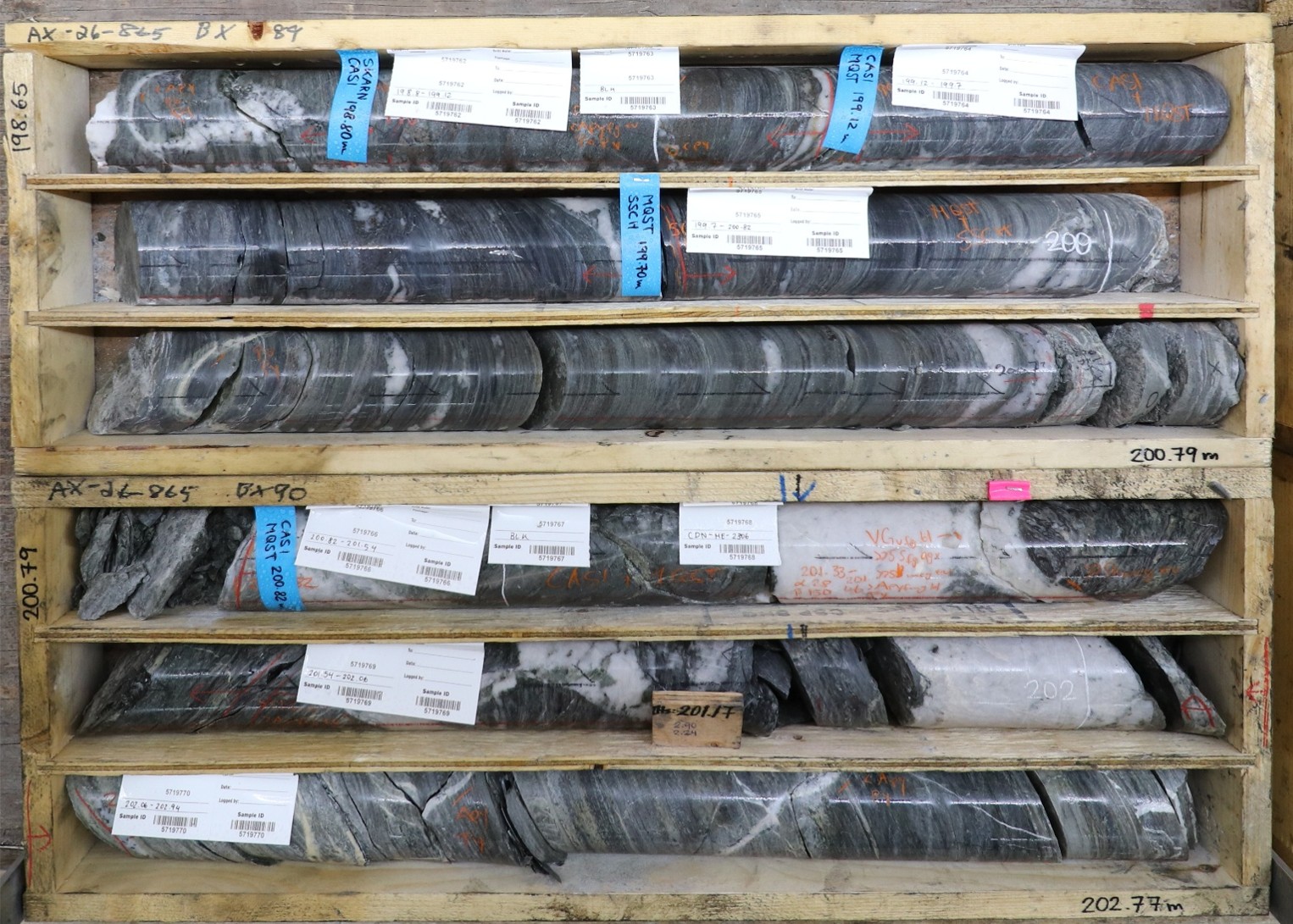
Tudor Gold, advancing the Treaty Creek project in British Columbia's Golden Triangle, exemplifies the strategic value of district-scale gold-copper systems in Tier-1 jurisdictions. With measured and indicated resources now totaling 28.9 million gold equivalent ounces, Treaty Creek represents one of the largest undeveloped gold discoveries in recent history, positioned squarely within a jurisdiction that offers regulatory transparency, strong infrastructure access, and institutional credibility.
President and Chief Executive Officer of Tudor Gold, Joseph Ovsenek, outlines the scale and long-term optionality of the project:
"At Tudor Gold, we have one of the largest gold discoveries in recent times at our Treaty Creek project up in Northwest British Columbia. We now have 24.9 million ounces of gold in the indicated category and 4 million ounces of gold in the inferred category. Our plan was to come in, take a look at this: Can we put a mine plan around it where we're mining 10,000 tons a day producing roughly 300,000 plus ounces of gold a year with copper and silver credits?"
China's Role in Anchoring the Gold Market
China has become a structural pillar of the modern gold market through sustained official-sector accumulation and rising domestic investment demand. The People’s Bank of China’s continued purchases reinforce gold’s role as a strategic reserve asset, while total domestic gold consumption contracted modestly in 2025 due to lower jewelry demand, investment demand for bars and coins surged over 35%. This reflects a notable shift in household asset allocation toward gold as a precautionary reserve. For investors, China’s importance lies less in short-term price impact and more in long-term signaling, consistent buying by the world’s second-largest economy underpins gold’s strategic relevance, supports long-life project economics, and reduces downside risk in gold price assumptions, particularly benefiting developers and near-term producers that can demonstrate robust margins under conservative feasibility price decks.
i-80 Gold is advancing a portfolio of high-grade Nevada assets toward a projected production trajectory that would take output from under 50,000 ounces per year to over 600,000 ounces within the next 6 years, all within one of the world's most geologically and institutionally favorable mining jurisdictions. This scale and timeline align directly with the long-cycle capital deployment rationale that characterizes structural gold demand.
President and Chief Executive Officer of i-80 Gold, Richard Young, describes the jurisdictional advantages that underpin i-80 Gold's development thesis and its relevance to long-term capital allocation:
"There are three reasons why Nevada is the best place in the world to operate. First is the geology - it has the best geology globally. Second is the people, they are just plentiful, talented, and skillful. And then the third element is both the state and federal government being supportive."
Implications for Gold Price Volatility & Cost Curves
Structural central bank demand is reshaping gold’s supply-demand balance by dampening downside volatility, as official-sector buying persists through cycles while ETF and speculative flows reverse quickly with shifting rate expectations. As central banks have grown as a share of total gold offtake, the historical link between price drawdowns and speculative positioning has materially weakened over the past five years. For mining companies, this supports a more resilient price floor, benefiting producers operating in the $1,200-$1,600/oz All-In Sustaining Costs (AISC) range and allowing developers to justify longer payback periods and lower discount rates in Net Present Value (NPV) models without abandoning conservative assumptions. The net effect is a gradual but meaningful repricing of gold equities, with long-duration assets and optionality increasingly favored over short-term production growth.
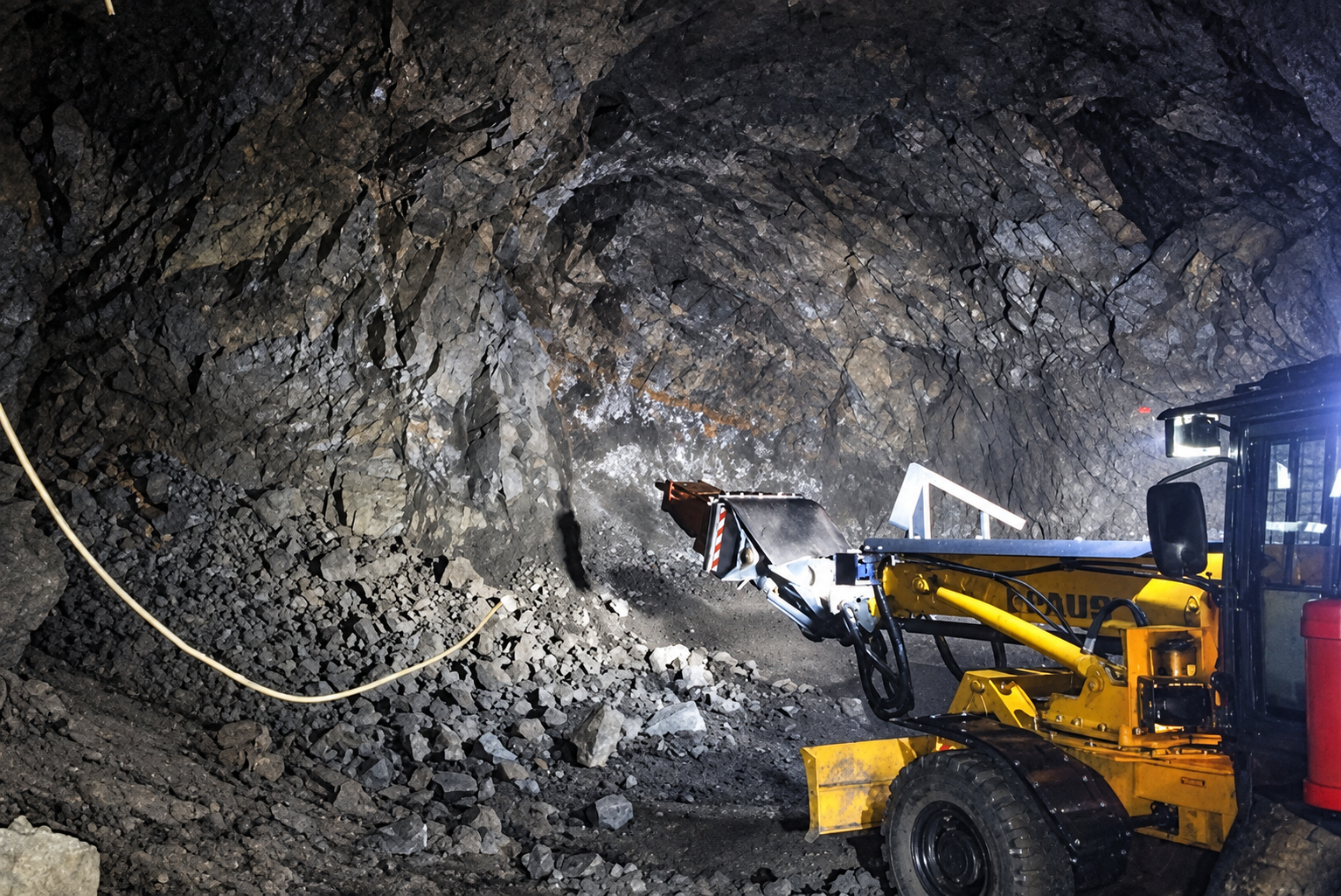
West Red Lake Gold, which declared commercial production at its Madsen Gold Mine in Ontario as of January 1st, 2026, demonstrates how a high-grade redevelopment asset can quickly transition to generating meaningful cash flow in a strong gold price environment. The company poured approximately 20,000 ounces in 2025, generating $73 million in gold sales revenue, and exited the year in positive monthly free cash flow, a significant milestone that validates the economics of the restart thesis.
President and Chief Executive Officer of West Red Lake Gold, Shane Williams, explains the role of gold price tailwinds in supporting the Madsen ramp-up and providing operational flexibility:
"The gold price is a key tailwind for Madsen. The gold price is double what it was at this stage. That gives you a lot of leeway; it gives you the time to ramp up."
Capital Allocation, Valuation Metrics & Equity Market Response
As gold’s demand base becomes increasingly structural, equity investors are recalibrating valuation frameworks such as EV/oz, NPV sensitivity, and Internal Rate of Return (IRR) thresholds to reflect a lower probability of sustained downside price shocks. This shift disproportionately benefits projects with defined development timelines, advanced permitting, and robust margins at conservative gold price assumptions of $1,800-$2,000/oz.
Within this context, P2 Gold’s Gabbs gold-copper project in west-central Nevada exemplifies the profile now favored by the market, with its Preliminary Economic Assessment (PEA) highlighting strong economics supported by direct road access, on-site water, and nearby power infrastructure, key factors that materially de-risk development capital estimates.
President and Chief Executive Officer of P2 Gold, Joseph Ovsenek, quantifies the current valuation disconnect between the company's net present value and its market capitalization, highlighting the asymmetric upside available to investors:
"Looking at our PEA economics from last October. At spot prices today, our internal rate of return is 112%, our NPV5 is $3.5 billion, and our NPV15 is $1.6 billion. We currently have a market cap of around $150 million, so we're trading at 0.1 times our NPV15 at spot prices. Lots of room to grow."
Institutional Capital, Development Funding & Strategic Optionality
Central bank gold accumulation also has second-order effects on capital markets. As institutional investors gain confidence in gold's long-term role, funding conditions for credible development-stage companies improve, particularly those with Tier-1 assets and transparent permitting paths. The flow of institutional capital into development-stage gold projects has accelerated as macro-oriented funds seek exposure to gold's monetary role through vehicles that offer leveraged returns relative to bullion.
U.S. Gold Corp., advancing the CK Gold Project in Wyoming, has attracted institutional participation that validates both the quality of its asset base and the strength of its permitting posture. As one of the few junior mining companies holding a fully permitted, shovel-ready gold-copper project in North America, U.S. Gold Corp. occupies a rare position in the development pipeline. The combination of gold-copper concentrate demand, jurisdictional clarity, and development readiness aligns directly with the capital allocation priorities of institutional investors seeking long-duration, low-execution-risk gold exposure.
Executive Chairman of U.S. Gold Corp., Luke Norman, describes the institutional validation that the company's permitting achievement has generated, the demand dynamics underpinning the project's strategic relevance:
"Bringing in the big funds that we brought in, like McKinsey and Libra out of New York, it validates the work and effort that has gone in through the engineering side of things. Global demand for concentrates, especially copper and gold-rich concentrates, is insatiable. All the offtakers have an active interest in wanting to be a part of it."
The Investment Thesis for Gold
- Exposure to a structural macro theme driven by central bank reserve diversification, monetary fragmentation, and policy-led gold demand that is increasingly detached from short-term market cycles.
- Asset portfolios concentrated in Tier-1 jurisdictions with regulatory stability, permitting transparency, and infrastructure depth, aligning with institutional capital requirements and ESG risk frameworks.
- Cost structures and project economics that remain robust at conservative gold price assumptions, with AISC discipline supporting margin durability and downside protection.
- Development and production timelines aligned with multi-year structural demand growth, favoring long-duration assets over short-cycle production growth.
- Capital allocation strategies supported by rising institutional participation and improved funding access for permitted or permitting-advanced projects.
- Risk-adjusted growth potential through exploration upside, district-scale optionality, or development-stage re-rating, rather than reliance on near-term spot price appreciation.
The investment case for gold equities is increasingly defined by structure rather than speculation. Sustained central bank accumulation has reduced long-term downside risk in gold pricing, reinforcing stable valuation assumptions and elevating the importance of jurisdictional quality, cost discipline, and development visibility. For investors, this favors companies positioned to convert gold’s evolving monetary role into durable cash flow, reserve growth, and long-cycle valuation support.
TL;DR
Central bank gold accumulation has shifted from cyclical hedge to structural demand driver, reducing downside price risk and supporting a durable floor under bullion. This policy-led demand, reinforced by geopolitical fragmentation and China’s sustained buying, is reshaping valuation models across the gold mining sector. Developers and producers in Tier-1 jurisdictions with disciplined cost structures, permitting clarity, and institutional backing are increasingly positioned to benefit from a long-cycle repricing of gold equities.
FAQs (AI-Generated)
Central banks are diversifying reserves away from the US dollar amid rising geopolitical fragmentation, sanctions risk, and monetary realignment. Gold provides liquidity, neutrality, and no counterparty risk, making it an attractive strategic reserve asset.
Unlike ETF or speculative flows, central bank purchases are persistent and price-insensitive. This reduces the probability of sustained downside price shocks and dampens volatility during corrections.
Lower downside risk allows analysts to apply more stable long-term gold price assumptions and potentially lower discount rates in NPV models. This supports higher equity valuations, particularly for developers and long-life assets.
As gold’s monetary role strengthens, investors prioritize regulatory stability, permitting transparency, and geopolitical safety. Projects in jurisdictions like Nevada, British Columbia, Ontario, and Wyoming command a premium.
Developers with advanced permitting, producers with disciplined AISC profiles, and companies with district-scale optionality are best positioned to convert structural gold demand into durable cash flow and long-term valuation uplift.
Analyst's Notes





Subscribe to Our Channel






Stay Informed






















