




TRX Gold's Buckreef Expansion Moves From Plan to Execution: 7 Signals


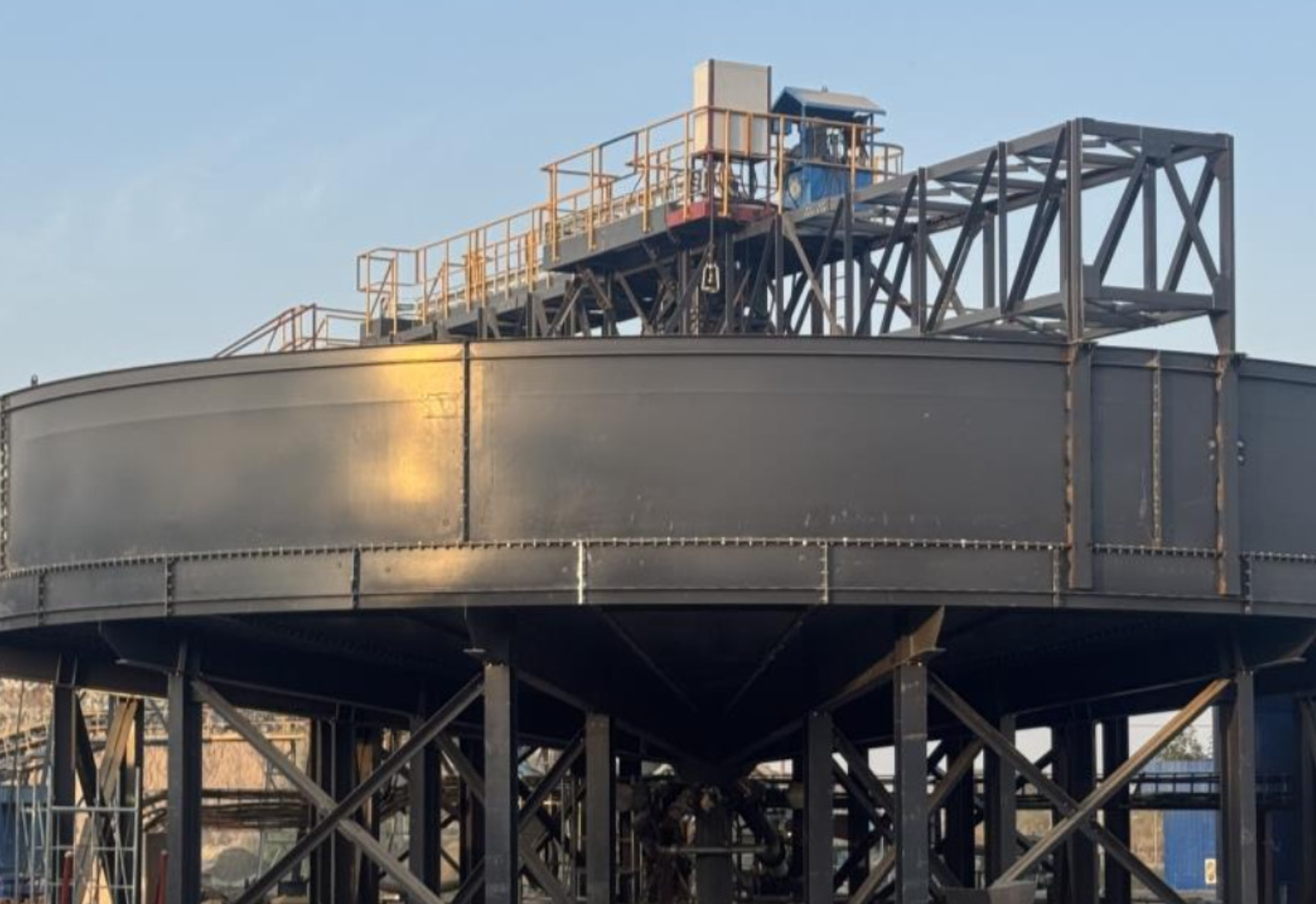
TRX Gold's third quarter 2026 results show Buckreef's expansion moving from plan to execution, mill contract signed, record throughput, and metallurgy beats PEA.
Project Overview
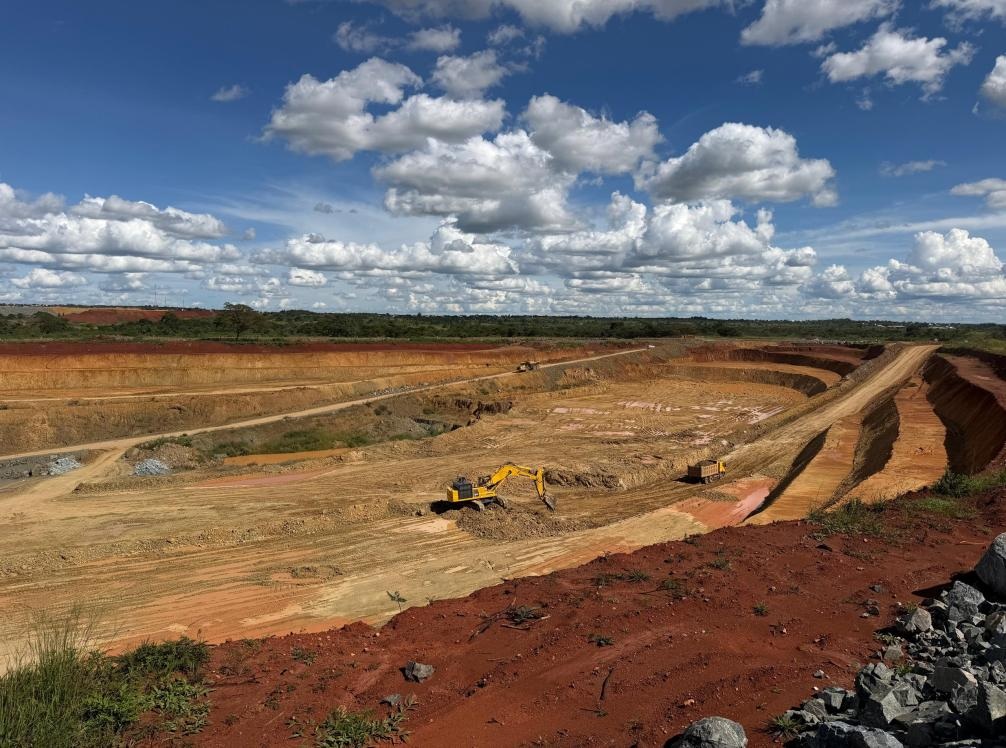
TRX Gold Corporation (TSX: TRX | NYSE American: TRX) is advancing the Buckreef Gold Project in Tanzania, centered on an established open-pit operation and a 2,000-tonne-per-day processing plant, with upside potential outlined in the company's 2025 Preliminary Economic Assessment (PEA). Results for the three and nine months ended May 31, 2026, mark a shift in that story. TRX Gold's growth story has generally been described as staged and cash-flow-funded: expand the processing plant, use internally generated cash to avoid dilution, and grow production over time. The current quarter provides evidence that specific pieces of that plan, a new mill, improved metallurgy, and a revised mine plan, have moved from assumption toward contracted, tested, or demonstrated fact.
1. TRX Gold Has Already Crossed the Low End of Its Full Year Guidance Range
TRX Gold Corporation has produced more than 25,000 ounces of gold fiscal year to date, reaching the bottom of its full-year production guidance range of 25,000 to 30,000 ounces. That guidance also implies an average cash cost per ounce of gold sold of $1,400 to $1,600.
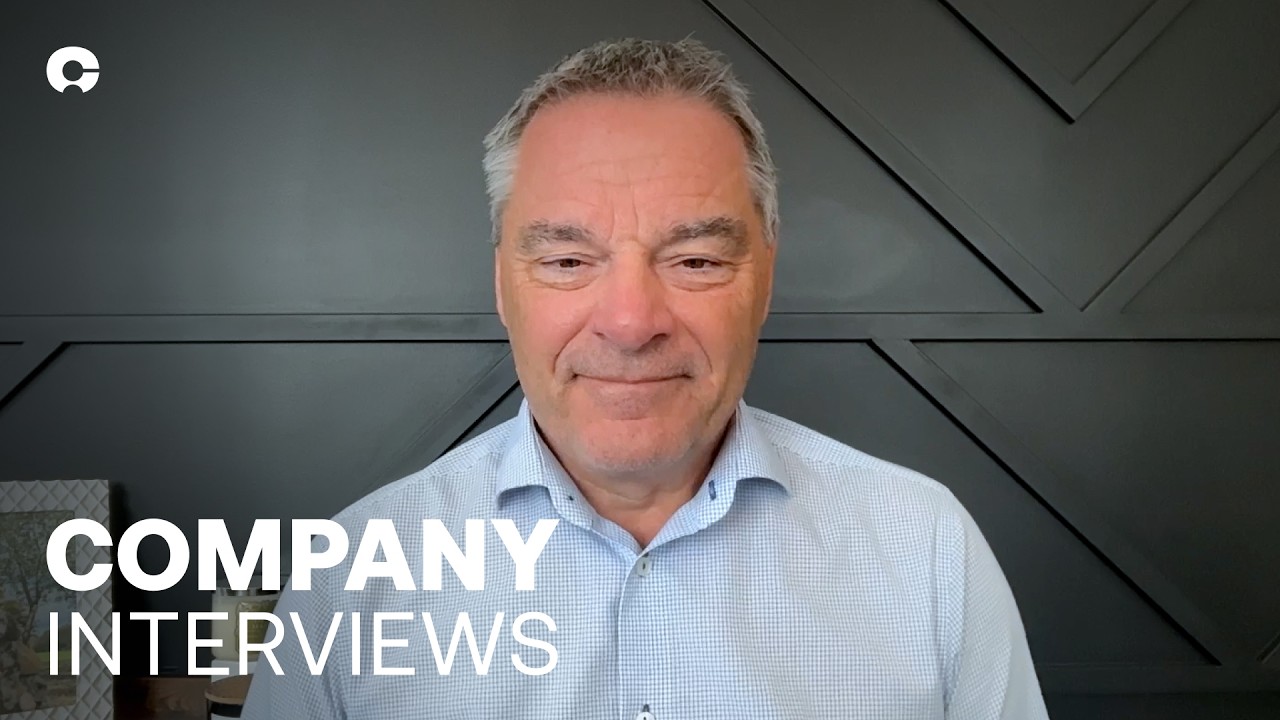
Chief Executive Officer of TRX Gold, Stephen Mullowney, noted the milestone alongside the company's third quarter 2026 results:
"As an added bonus, we have already achieved our full-year guidance as of today, having produced over 25,000 ounces of gold fiscal year to date."
2. The New Mill Has Moved From Expansion Concept to Contracted Equipment
The 3,500 tonnes per day Semi-Autogenous Grind (SAG) and Ball mill circuit is no longer a plan on paper. A letter of award was issued during the quarter; the final contract was executed in early fourth quarter 2026, and initial down payments have already been made. Estimated completion is 12 to 18 months out. That converts the mill from a design assumption in a technical report into contracted equipment, with capital already committed and a defined delivery window.
The company's funding position supports that build. TRX Gold held $26.8 million in cash as of May 31, 2026, reported a current ratio of approximately 2.2, and describes itself as essentially debt-free with significant undrawn credit lines.
3. The Existing Plant Is Demonstrating Higher Throughput & Recovery Before the New Circuit Arrives
Upgrades to the existing 2,000 tonnes-per-day plant are still in progress, including the installation of the pre-leach thickener, upgraded agitators and interstage screens, an Aachen reactor, an oxygen plant, an apron feeder, and a belt magnet. Even with those upgrades only partially complete, the current quarter posted record throughput of 1,690 tonnes per day, alongside an improved recovery rate of 84.9%. That is evidence the upgrade program is already working, ahead of the new SAG mill circuit coming online at all.
The plant-level improvement flowed directly into the quarter's operating results. TRX Gold poured 7,426 ounces of gold during the quarter, up 58% from the prior-year period, on revenue of $32.9 million and a gross profit margin of 59%. Adjusted earnings before interest, taxes, depreciation, and amortization (EBITDA) reached $20.7 million for the quarter, a company record. The point here is operational, not financial: better throughput and recovery are showing up in the plant's output before the new circuit is even built.
4. Metallurgy Is Running Ahead of the Original Assumption Behind the Current Expansion
Additional metallurgical testwork returned recovery rates of 89% to 92%, above the 88% recovery rate assumed in the company's Preliminary Economic Assessment (PEA). That testwork is what led the company to specify the 3,500 tonnes-per-day SAG and Ball mill combination in the first place. A processing assumption that has since been tested and exceeded, rather than simply carried forward from the original study, is a stronger basis for the expansion decision than the PEA assumption alone.
5. The Next Configuration Could Exceed the PEA's Original Processing & Production Framework
The PEA outlined a single 3,000-tonne-per-day plant producing an average of 62,000 ounces of gold per year. The path TRX Gold is now building toward is different: the upgraded 2,000 tonnes per day plant will continue to operate alongside the new 3,500 tonnes per day SAG and Ball mill circuit, for a combined capacity above the PEA's original design. This combined configuration is expected to produce average annual gold production exceeding the 62,000 ounces originally modeled. That reframes the PEA as a floor for the current plan rather than its ceiling.
Running two plants in parallel, rather than replacing the existing plant outright, also changes the construction risk profile. The existing plant continues to produce ounces throughout the 12 to 18 month SAG mill build, rather than the operation depending on a single new circuit being commissioned on schedule before production can continue at scale.
6. Mine Plan Changes Could Add Another Layer of Upside Beyond the Processing Expansion
Alongside the processing changes, TRX Gold has begun revising its life-of-mine (LOM) plan to reflect the higher processing capacity and gold prices well above the PEA's reserve estimate. Preliminary analysis points to a potentially expanded open pit, which could extend open-pit operations, defer the start of underground mining in the Main Zone, and increase total recoverable ounces. The company is also evaluating an earlier start to underground mining at Stamford Bridge alongside accelerated mining of the Eastern Porphyry.
TRX Gold has said throughput rates for the updated PEA will be determined by the revised mine plan, which will feed both the new SAG and Ball mill circuit and the existing upgraded plant. That means the revised PEA that follows is built around the new combined processing capacity from the outset, rather than layering a larger circuit onto the original mine plan after the fact.
7. Exploration Is Advancing in Parallel With Construction, Not Waiting on It
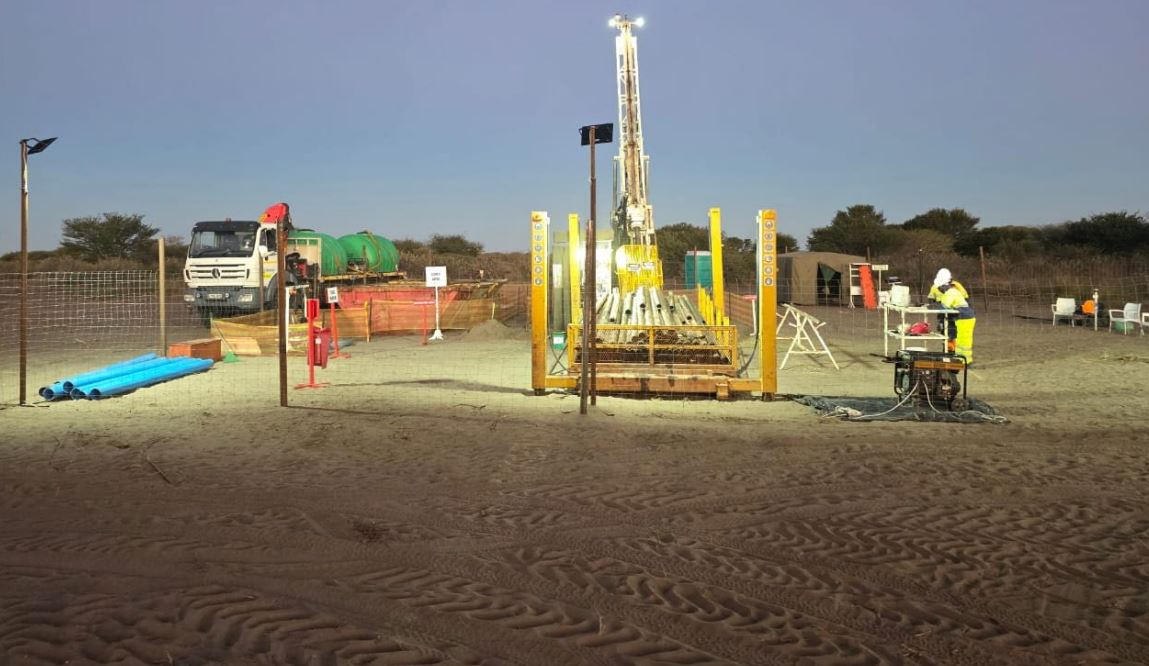
TRX Gold completed a three-stage dipole-dipole geophysical survey during the quarter, identifying 13 drill holes covering 1,850 meters across 9 sections for initial testing, targeting holes outside the current known resource base. Separately, the company's newly commissioned reverse circulation (RC) drill rig has completed approximately 50% of the 14-kilometer Eastern Porphyry drill program, which aims to upgrade the mineral resource in that zone. Both programs are running concurrently with the plant construction and mine plan work described above, rather than being deferred until the expansion is finished.
Key Takeaways for Investors
TRX Gold has already reached the low end of its full-year production guidance, and several pieces of its expansion plan have moved from assumption to demonstrated fact this quarter: the new semi-autogenous grind and ball mill circuit is now under an executed contract rather than only planned, the existing plant is posting record throughput and improved recovery ahead of that circuit's arrival, and metallurgical testwork has outperformed the original preliminary economic assessment assumption. Together, the upgraded existing plant and the new circuit are expected to produce output above the preliminary economic assessment’s original design and production estimate, while a parallel revision of the life-of-mine plan and an active exploration program add further, still unquantified upside.
Analyst's Notes





Subscribe to Our Channel







Stay Informed






















