Uranium Stalled at $86 Despite Tightening Supply: What Changes Above $87.40?


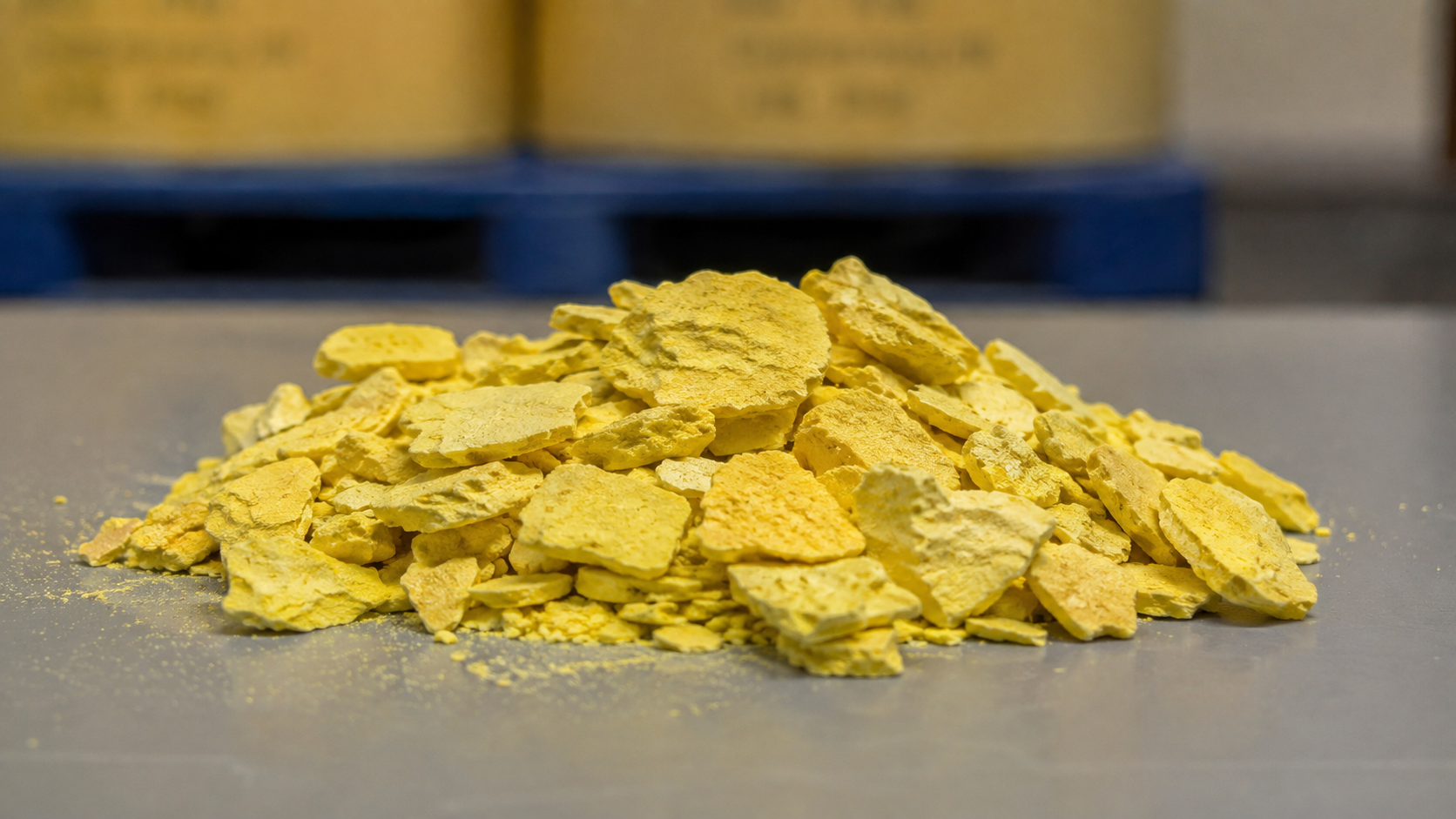
Uranium holds at $86 despite tighter supply as WA's mining ban and slow mine development support a potential breakout above $87.40.
- Uranium trades at $86.30 per pound, up 20.78% year over year, but has remained between $85 and $87 per pound since early April.
- Kazatomprom increased H1 2026 production by 9% to 13,291 tonnes and maintained full-year guidance of 27,500 to 29,000 tonnes.
- Cameco's first-half output fell 5% after a May bridge collapse idled Key Lake for two weeks, but it maintained 2026 guidance.
- Western Australia (WA) maintained its uranium mining ban, keeping all but one project offline even after uranium prices rose above the WA Chamber of Minerals and Energy's $85 per pound economic threshold.
- Uranium could reach $87.40 per pound by the end of Q3 2026 and $91.52 within 12 months, with those levels confirming a stronger price recovery.
Policy Keeps WA Uranium Offline Even Above the $85 Economic Threshold
Western Australia confirmed it will keep its uranium mining ban, leaving all but one project unable to proceed. Uranium traded at $86.30 per pound, up 20.78% year over year, despite the policy remaining unchanged.
Uranium has traded above the WA Chamber of Minerals and Energy's $85 per pound economic threshold since June but gained only 0.94% over the past month. Prices support new WA uranium production, but the mining ban continues to restrict new supply.
Flooding Cuts Uranium Output 5% While Guidance Stays Intact
Global uranium supply is tighter than recent price movements suggest. A bridge collapse caused by flooding disrupted access to Cameco's McArthur River and Key Lake operations, suspending production at Key Lake for two weeks and reducing mining at McArthur River. Cameco's Canadian output fell 5% year over year to 10.1 million pounds U3O8 in the first half, but the company maintained full-year guidance.
Western Australia's uranium supply remains constrained by policy rather than geology. The ban remains tied to a 2017 election pledge, while WA Chamber of Minerals and Energy chief executive Aaron Morey said Western Australia holds world-class uranium deposits with commercial interest ready for development. Conservation Council of Western Australia campaign director Mia Pepper said the ban remains the safer policy approach, while the opposition has pledged to lift it only if it wins a future election, leaving the timing of new WA uranium supply uncertain.
2035 Export Target Meets 10-20 Year Mine Timelines, Delaying New Uranium Supply
Marsh Canada managing director Raul Munoz said uranium supply constraints will take years to ease because execution, rather than geology, is the main constraint on new supply. Canada is targeting doubled uranium exports by 2035, and Munoz said NexGen Energy's Rook I and Denison Mines' Wheeler River demonstrate the resource base can support that goal, although new mines typically take 10 to 20 years to develop.
Bear Case: Kazatomprom and Cameco maintain 2026 guidance while utility spot buying remains muted, limiting uranium's advance to around $87.40 per pound by the end of Q3.
Bull Case: AI-driven nuclear agreements from Meta, Amazon, and Microsoft accelerate utility buying, driving uranium toward $91.52 per pound within 12 months.
WA Mining Ban Redirects Uranium Development to Active Jurisdictions
WA uranium developers face concentrated jurisdiction risk because Deep Yellow's Mulga Rock remains the only project approved under current policy, leaving other projects unable to advance to production.
DevEx Resources is exploring for uranium in the Northern Territory rather than Western Australia, highlighting how developers are directing exploration toward jurisdictions where higher uranium prices can translate into new supply.
The timing of any reversal of Western Australia's uranium mining ban remains uncertain because the opposition's pledge depends on winning a future election. Saskatchewan and Kazakhstan remain better positioned to increase uranium supply because Cameco and Kazatomprom already operate producing mines and established export pathways.
Track the $87.40 Threshold as a Breakout Confirms a Stronger Uranium Price Trend
Uranium has held between $85 and $87 per pound since early April because utilities continue to rely on long-term contracts instead of spot purchases. Cameco and Kazatomprom remain insulated from weak spot demand because most of their contracted production supports expected sales and cash flow.
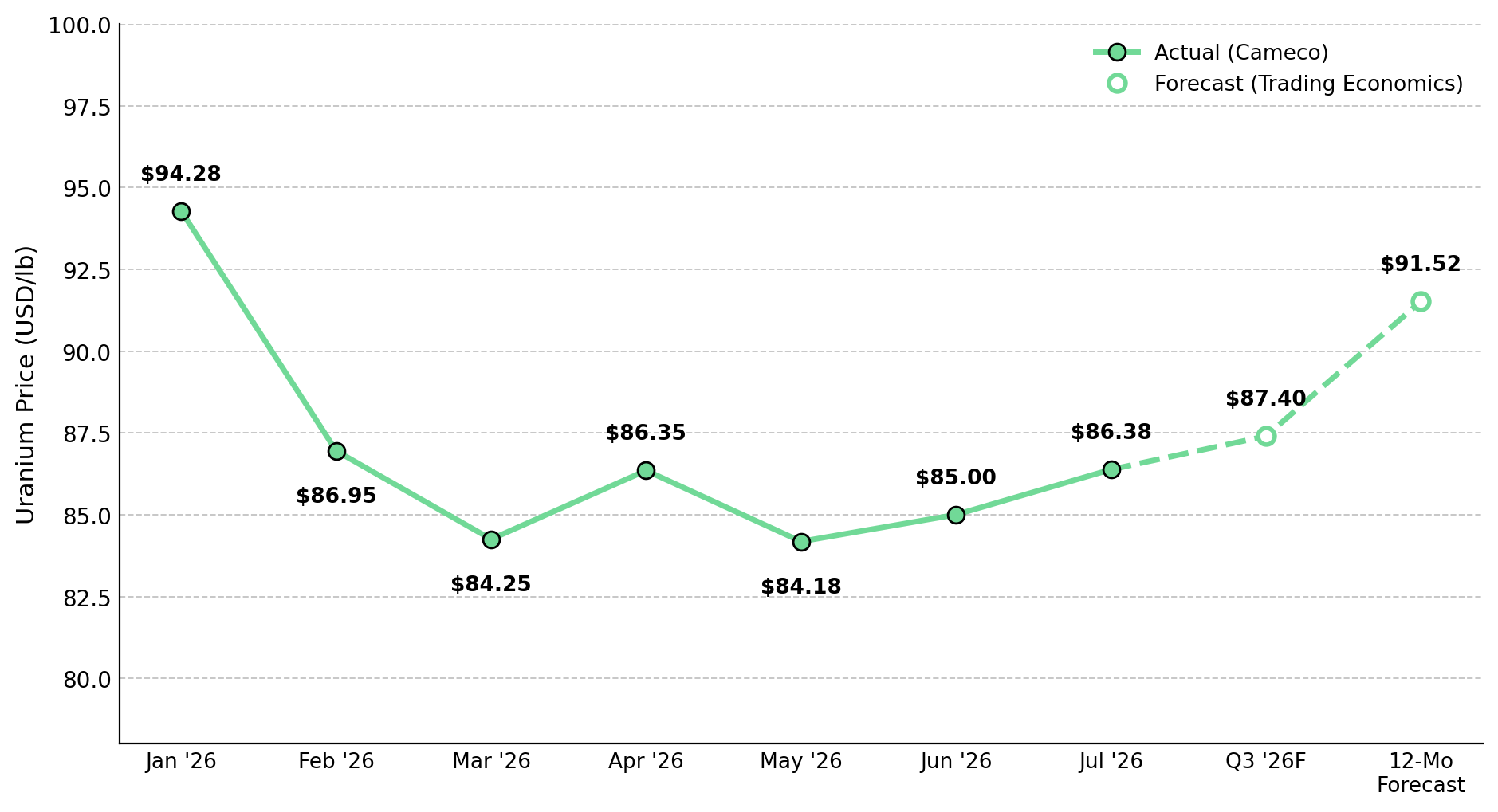
A move above $87.40 per pound, followed by progress toward $91.52, would confirm a stronger uranium price trend. Higher prices would strengthen the commercial case for Western Australia's undeveloped deposits and Canadian developers such as NexGen Energy and Denison Mines as new projects move closer to production.
Cameco's next quarterly production update, Kazatomprom's next operations and trading update, and a uranium price break above $87.40 per pound will show whether tightening supply is beginning to translate into higher prices.
Analyst's Notes





Subscribe to Our Channel



Stay Informed