$414 Million US Financing Approval Opens New Route to Uranium Supply


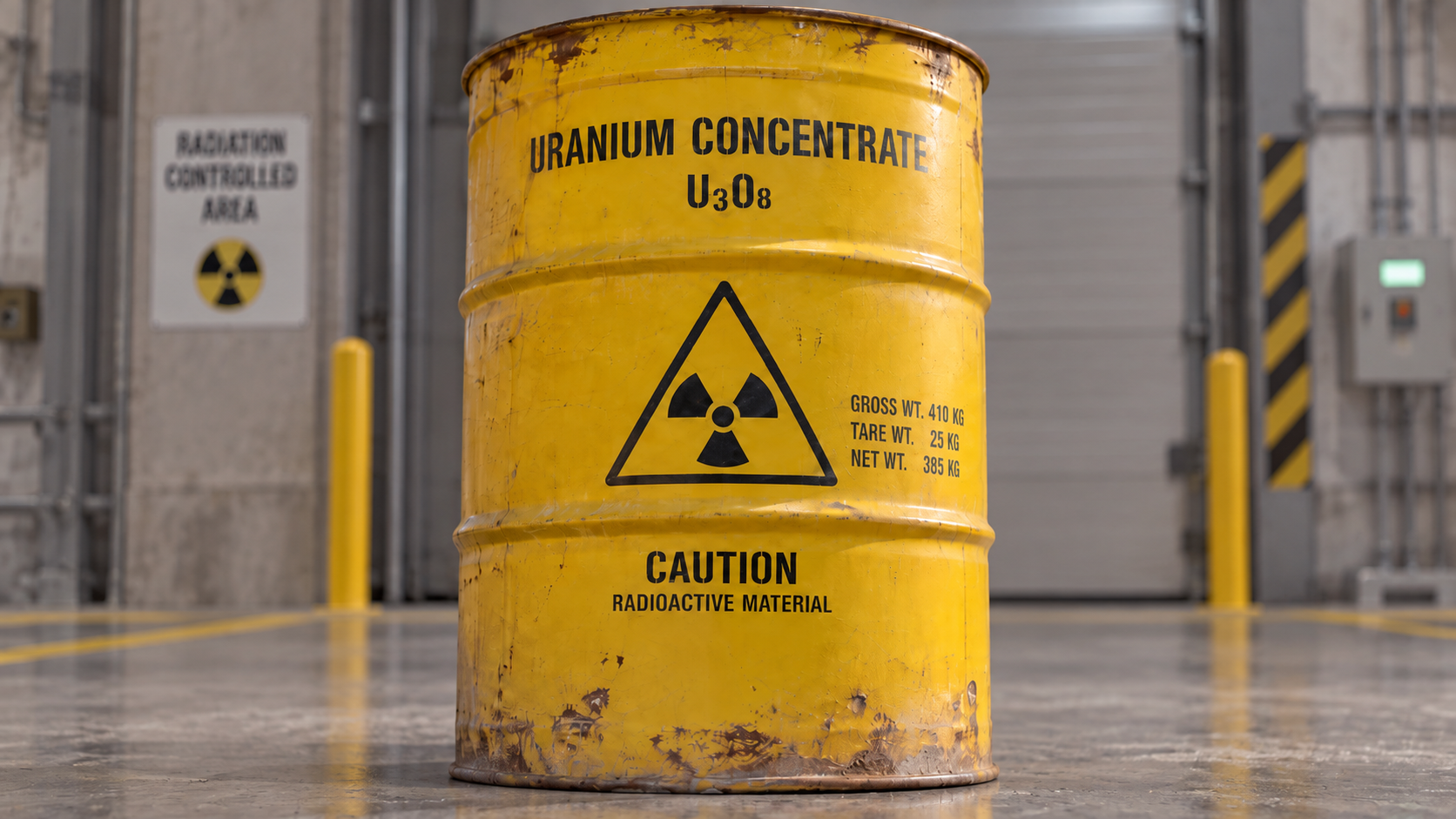
Mine output covers 90% of reactor needs, while 186 million pounds of unfilled US demand favor operating and near-production projects through 2035.
- US International Development Finance Corporation (DFC) approved up to $414.2 million in debt financing for a Niger uranium project on September 16, 2026, creating a state-backed route to new supply two years after Niger expelled US forces.
- The long-term uranium price reached $96.50 per pound on August 31, 2026, while mine output covered only 90% of 2024 reactor requirements, leaving inventories and secondary sources to fill the 10% gap and supporting demand for new production.
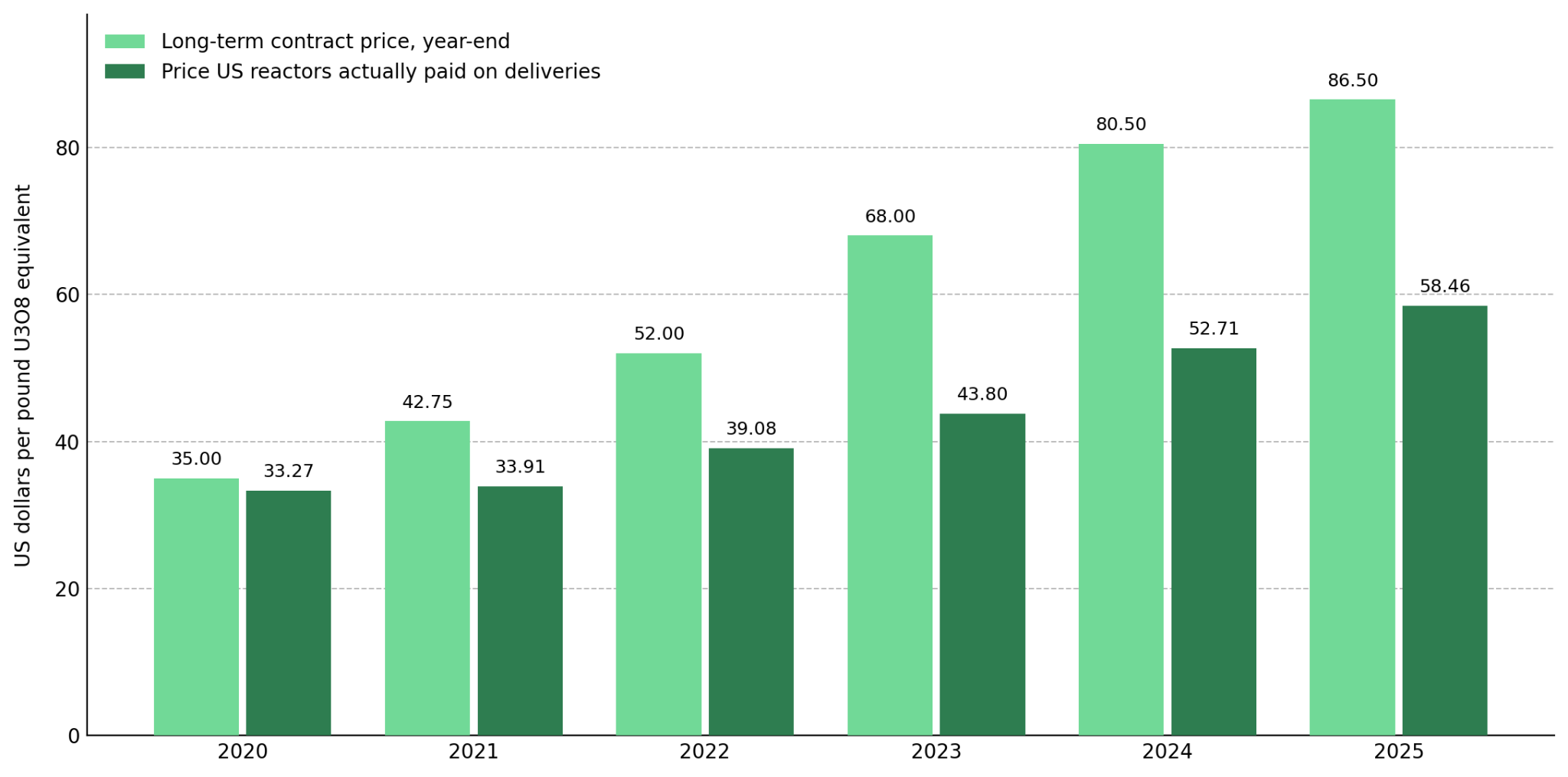
- US utilities paid an average of $58.46 per pound for uranium delivered in 2025, below the $96.50 long-term price, because 87% was supplied under contracts signed in earlier years.
- The project is targeting first output in the second half of 2028, positioning operating producers and earlier-starting projects to compete for 186 million pounds of unfilled US utility requirements through 2035.
- A month-end long-term uranium price below $90 per pound would weaken financing for higher-cost mines, but US waivers for Russian low-enriched uranium imports end on January 1, 2028, supporting demand for alternative supply.
US Approves $414 Million to Advance Niger Uranium Supply
The board of DFC approved up to $414.2 million in debt financing for the Dasa uranium project in Niger, giving the project potential access to state-backed capital. Uranium lacks continuous exchange pricing, so month-end industry assessments set the benchmark at $89.68 per pound for spot uranium oxide and $96.50 per pound for long-term supply.
Niger’s uranium production fell 68%, from 2,991 metric tons in 2020 to 962 metric tons in 2024, reducing its contribution to global supply. Global mines covered 90% of reactor requirements in 2024, leaving inventories and secondary sources to supply the remaining 10% and strengthening the need for new production.
$96 Uranium Term Price Raises Revenue Benchmark
Mine financing depends on long-term contract prices rather than spot uranium prices. Long-term price assessments climbed from $89.00 to an 18-year high of $97.00 per pound before ending August at $96.50, improving the revenue benchmark for new projects. By contrast, 87% of uranium delivered to US reactors in 2025 came through earlier contracts averaging $55.91 per pound, holding the overall delivered average to $58.46.
Niger’s military government, which took power in 2023, expelled US forces in 2024 and relied on Russian paramilitary support, increasing execution risk for Western-backed uranium projects. Orano entered arbitration after losing control of key mining assets, while a proposed export route through Algeria shows why asset security and export access determine whether approved financing reaches production.
Niger Export Conditions Favor Operating Uranium Producers Before 2028
DFC approval does not release funds, which remain conditional on a viable route for exporting yellowcake, the uranium concentrate shipped from the mine, extensions to the Mining Convention and Mining Permit, and a direct agreement with Niger’s government. Stephen Roman, President and Chief Executive Officer of Global Atomic, describes Dasa as Africa’s largest high-grade uranium mine and says the project is targeting commercial production in the second half of 2028.
Project Debt Supports Developers While Legacy Contracts Shield Utilities
State-backed project debt can raise uranium developer valuations by reducing the share issuance needed to finance construction, although the benefit depends on drawdown. Physically backed uranium trusts gain no direct project exposure because Dasa will not add uranium to the market before 2028. US utilities remain partly insulated from current prices because earlier contracts held the 2025 delivered average at $58.46 per pound, below the $96.50 long-term indicator.
Offtake agreements strengthen project funding by securing future revenue and reducing price risk. Roman states that existing offtake agreements cover 11% of planned production, leaving 89% exposed to future term prices and available for additional contracts.
Niger’s government has not publicly confirmed the proposed export route, leaving facility drawdown dependent on a sovereign decision. Confirmation would remove a major funding condition, while delays or lapsed permits could block financing, so limiting the allocation reduces portfolio losses if the project stalls.
What Breaks When Uranium Falls Below $90
Government-backed capital can advance new supply when higher prices alone do not secure financing. Utilities buy through long-term contracts, many major producers are state-owned, and development banks can provide project-level debt that reduces reliance on equity financing.
A month-end long-term uranium price below $90 per pound would signal weaker contracting conditions and reduce revenue support for higher-cost new mines.
Permitted uranium projects eligible for Western state financing may command higher valuations as US buyers seek alternative supply. US waivers permitting Russian low-enriched uranium imports end on January 1, 2028, creating a defined need for replacement supply.
Analyst's Notes





Subscribe to Our Channel



Stay Informed