




22% Drop in South African PGM Output Shifts Focus to New Regions



South Africa’s PGM output decline supports exploration in new regions, with project value tied to recoverable metals, costs, and disciplined funding.
- South Africa’s 22.5% year-on-year decline in August 2026 platinum group metals (PGMs) production highlights the case for alternative sources that could reduce exposure to regional supply disruptions.
- Platinum’s industrial uses, palladium’s automotive demand, and constrained ruthenium and iridium supply make the metals a project can recover central to its potential revenue.
- Recycling and sales from investment holdings can offset weaker mine supply, limiting the immediate price support from production disruptions without adding new mineral resources.
- Drilling and processing tests clarify recoverable metal volumes, while economic studies assess whether projected revenue can cover development and operating costs.
- Funding for drilling and studies, clear permitting steps, and phased spending help explorers advance projects while limiting capital committed before development decisions.
South Africa’s Production Drop Exposes PGM Supply Concentration
South Africa’s PGM production fell 22.5% year-on-year in August 2026, according to Statistics South Africa (Stats SA). Seasonally adjusted output also declined 14.4% in the three months ended August compared with the preceding three months. These declines strengthen the case for developing sources in other regions that could reduce dependence on mines exposed to the same regional disruptions.
Concentrated Platinum Production Amplifies Regional Disruptions
The World Platinum Investment Council’s (WPIC) September 9, 2026, Platinum Quarterly forecasts South African refined platinum production of 4.005 million ounces against 5.551 million ounces globally, using Metals Focus data. These figures put South Africa’s share at 72.1% of forecast refined production, or 54.5% of total supply including recycling. These platinum-specific estimates show geographic concentration, while the Stats SA production decline covers PGMs collectively.
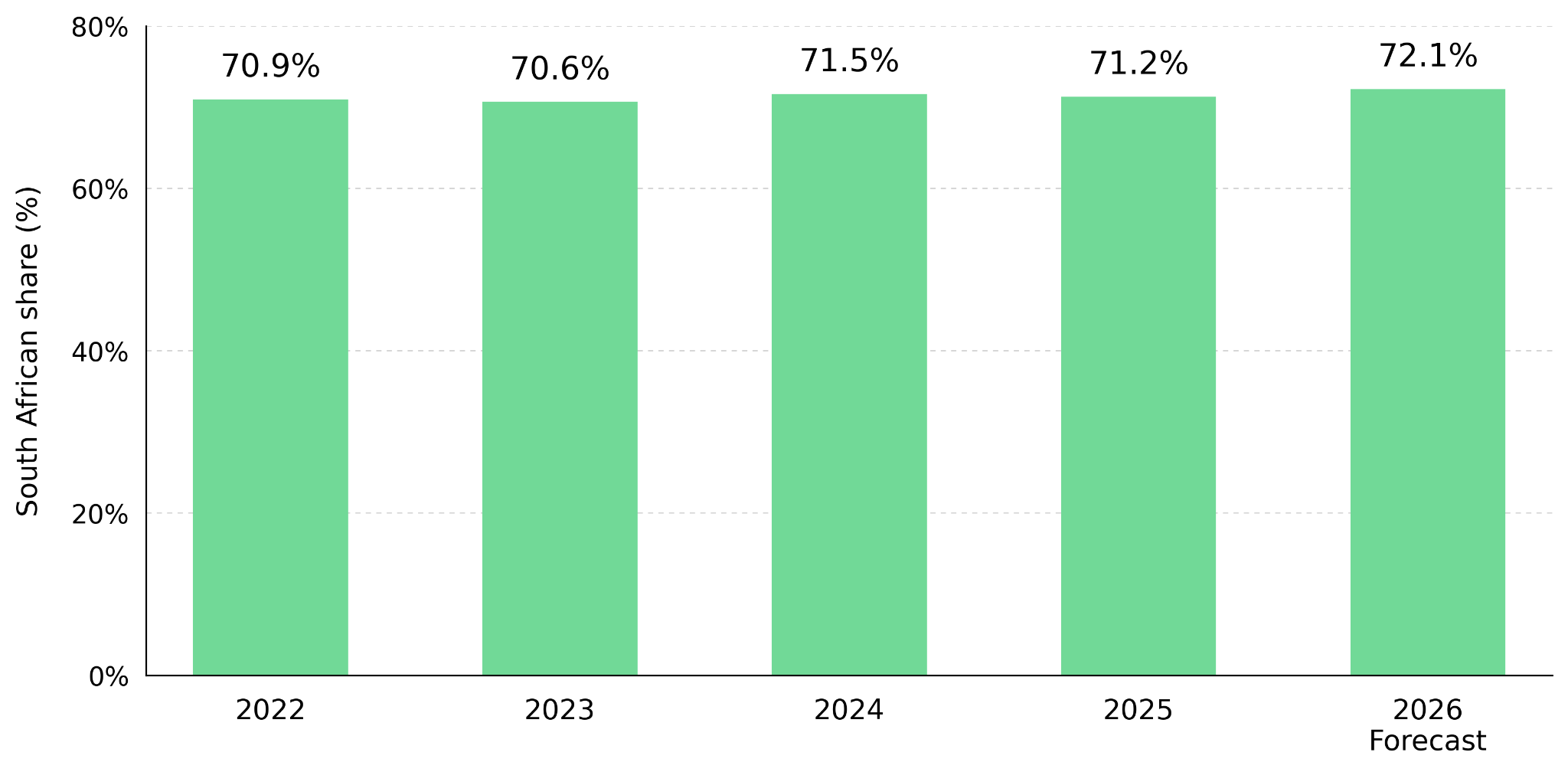
Several mining companies can depend on the same power grids, transport networks, and processing plants, leaving their output exposed to common disruptions. Projects in other regions can reduce that shared exposure if they secure the power, transport, and processing capacity needed to deliver metal to customers.
Processing maintenance can shift refined PGM deliveries between months while mined material awaits treatment. Heraeus Precious Metals’ October 19, 2026, Precious Appraisal report notes that accumulated concentrate could be processed after maintenance, restoring some delayed deliveries. These inventory releases can support refined supply, but they do not reverse output lost to mining stoppages.
PGM Demand Differences Make Metal Mix Central to Project Revenue
For projects outside established producing regions, potential revenue depends on the mix of PGMs they can recover and sell. Platinum, palladium, and minor PGMs serve different markets, so higher prices for one metal increase projected revenue only if that metal forms part of the project’s saleable output.
WPIC’s September 9, 2026, Platinum Quarterly forecasts 5% year-on-year growth in industrial platinum demand and a 4% decline in automotive demand for 2026. Its base case projects a 265,000-ounce full-year surplus, partly reflecting investment outflows, but a 283,000-ounce deficit in the second half. Meeting that projected second-half shortfall would require metal from existing stocks, despite supply exceeding demand across the full year.
WPIC’s October 9, 2026, outlook forecasts platinum demand exceeding supply from 2027. Platinum’s use in vehicle emissions systems, industrial processes, and jewelry spreads consumption across several markets, allowing stronger demand in one sector to offset weaker buying in another.
Regional Vehicle Sales Shape Palladium Demand
The China Passenger Car Association (CPCA) reported September 2026 passenger-vehicle retail sales of 1.618 million, down 28% year-on-year. Conventional-fuel vehicle sales fell 43%, putting pressure on demand for PGMs used in catalytic converters. New-energy vehicles (NEVs) accounted for 67% of retail sales, but this category includes plug-in hybrids whose combustion engines still require catalytic converters.
The Federation of Automobile Dealers Associations (FADA) recorded 427,213 passenger-vehicle registrations in India in September 2026, up 32.1% year-on-year. Electric vehicles (EVs) accounted for 8.45%, leaving most registrations in categories that require PGM-containing catalytic converters. FADA cautioned that a weak prior-year comparison inflated overall vehicle growth. PGM consumption also depends on vehicle production and the amount of metal used per converter, so registration growth does not translate directly into equivalent metal demand.
Heraeus Precious Metals’ October 19, 2026, commentary reports record iridium and ruthenium prices. Both are recovered alongside other PGMs, so production decisions depend on combined metal revenues, limiting how quickly mines can increase supply in response to either metal’s price. Johnson Matthey’s May 14, 2026, market report identifies hard-disk storage for ruthenium and hydrogen production for iridium as sources of industrial demand.
Recycling Growth Adds to PGM Supply
WPIC’s September 9, 2026, Platinum Quarterly forecasts platinum recycling of 1.802 million ounces in 2026, up 8% year-on-year, while mine supply remains broadly unchanged. Heraeus Precious Metals and SFA (Oxford) Limited (SFA) project recycled palladium supply rising 7% to 3.01 million ounces in their September 2026 Palladium Standard. Additional recycled metal can offset some reduction in mine output.
Higher PGM prices can encourage holders to sell stored scrap, increasing the material available to recyclers. Collection, processing, and refining determine when that metal reaches buyers, so higher scrap sales do not immediately replace lost mine deliveries.
Recycled supply depends on the metal available in used products and the share that can be collected and recovered. Exploration identifies additional resources that could support future mines, expanding potential supply beyond metal already in circulation.
Supply Concentration Supports Exploration in Additional Regions
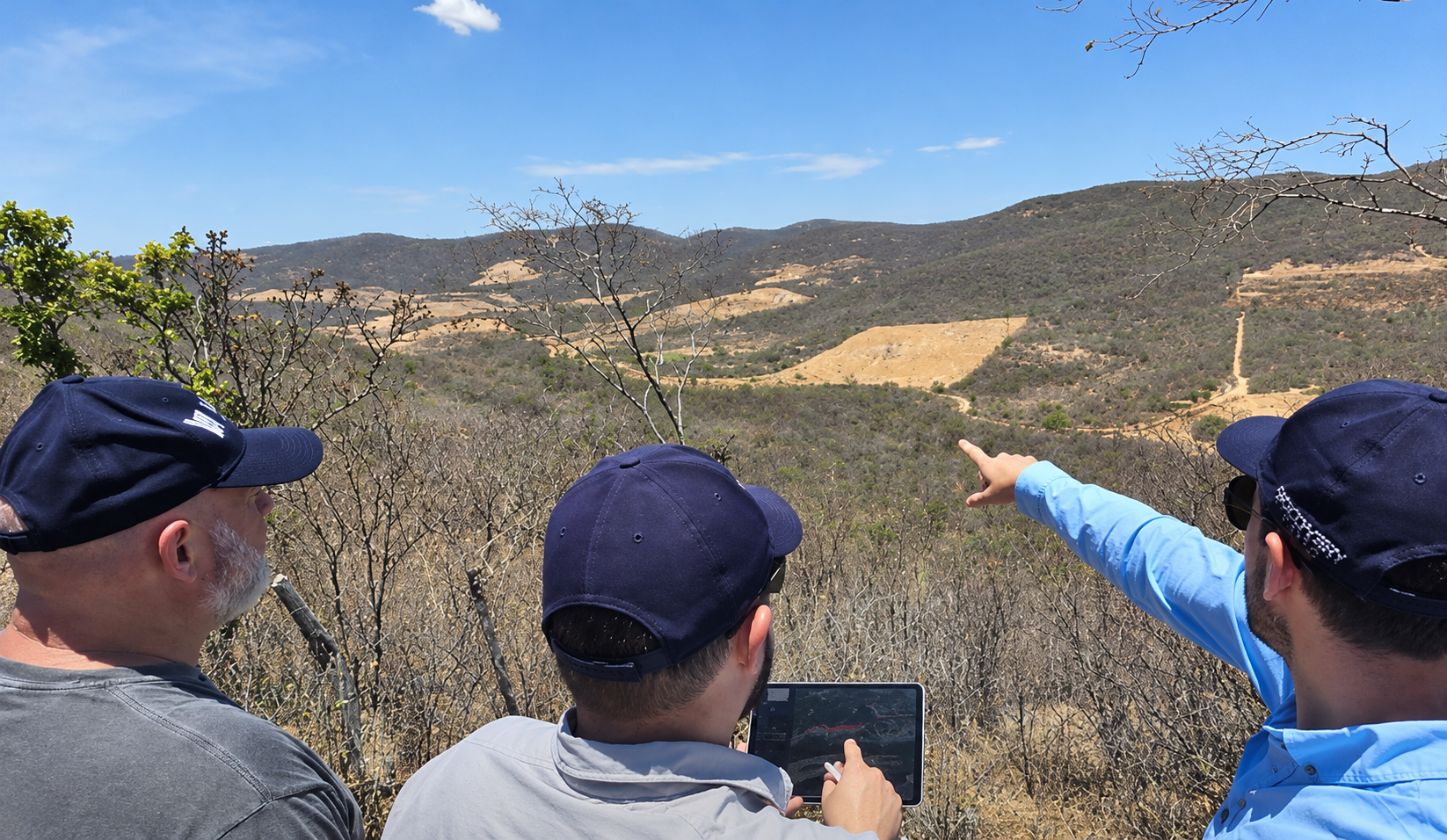
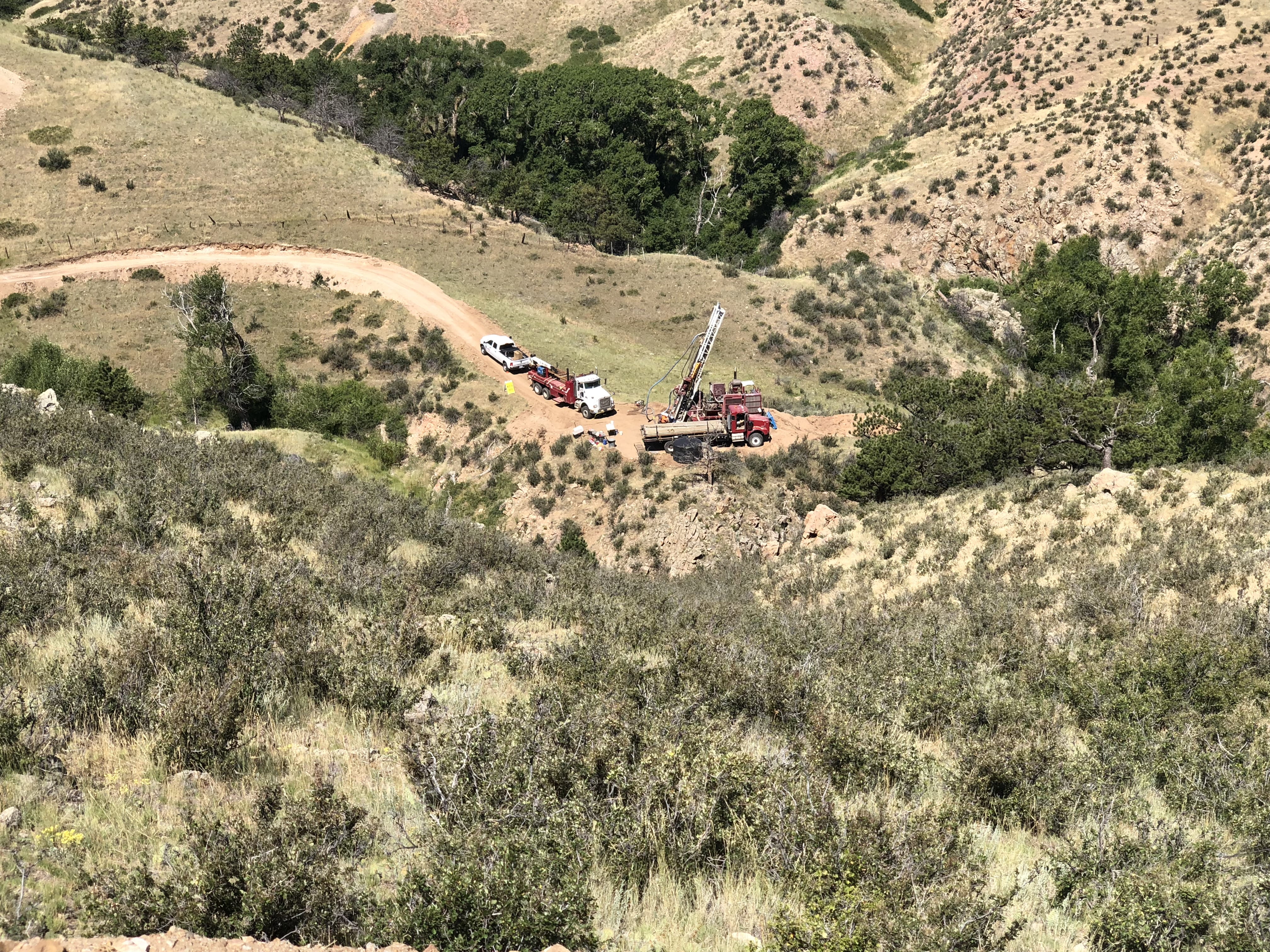
Concentrated PGM supply strengthens the case for exploring platinum and palladium resources in Brazil. Drilling, processing tests, and economic studies help assess how these resources could contribute to future supply and whether projected revenue could cover development and operating costs.
ValOre Metals is targeting a preliminary economic assessment (PEA) by the end of 2026 for its 100%-owned Pedra Branca platinum-palladium-gold project in Brazil. The planned study will assess project scale, capital requirements and potential economics using additional drilling and processing work. Management is considering a phased approach that could establish an initial operation with room for expansion, balancing upfront spending with the project’s longer-term growth potential.
Nick Smart, Chief Executive Officer of ValOre Metals, explains how three countries dominate global PGM supply:
“You're talking about 90% of the world's supply coming from just three jurisdictions. That is South Africa, Zimbabwe, and Russia.”
Processing Choices Shape the Economics of New PGM Supply
Near-surface ore can support open-pit mining, reducing underground development requirements. A PEA compares mining and processing options to assess construction costs, operating costs, and potential cash flow. Testing different metal prices, recovery rates, and production schedules shows how those assumptions affect projected returns.
Concentrated PGM Supply Supports Selective Project Funding
A platinum surplus can add to inventories while mine production remains concentrated in a few regions. New projects elsewhere could broaden future supply, with potential returns determined by recoverable metal volumes, selling prices, and development and operating costs.
Staged spending lets explorers review drilling and processing results before making larger development commitments. Each funding decision can then reflect updated estimates of recoverable metal, required capital, and potential cash flow.
The Investment Thesis for PGM
- Explorers outside established producing regions can identify PGM resources that could reduce dependence on mines exposed to the same regional disruptions.
- Platinum, palladium, and minor PGMs serve different markets, so projected revenue must reflect each metal’s selling price and buyer payment terms.
- Lower mining and recycling costs reduce the metal price needed to cover operations, helping producers and recyclers maintain deliveries through price declines.
- Clear permitting requirements, access to power and transport, and agreed processing terms help developers estimate construction spending and when metal sales could begin.
- Staged spending lets explorers use drilling, recovery tests, and economic studies to guide larger funding commitments, limiting capital committed before construction decisions.
A broader PGM supply base can reduce industrial customers’ exposure to disruptions in a few producing regions. Recycling and established mines support current availability, while exploration elsewhere can expand future supply options. The longer-term investment case is to build exposure to projects that can deliver the metals customers need at costs that support profitable sales, with capital committed in stages as their path toward production becomes clearer.
TL;DR
South Africa’s decline in platinum group metals (PGMs) production strengthens the case for exploration beyond established producing regions. Recycling and existing inventories can support near-term availability, but new resources could broaden future supply. Project economics depend on which metals can be recovered and sold, because platinum, palladium, and minor PGMs serve different markets. ValOre Metals is targeting a preliminary economic assessment (PEA) for its Pedra Branca project in Brazil by the end of 2026 to assess scale, capital requirements, and potential economics. The investment case favors projects that advance drilling, processing tests, and economic studies through staged spending.
FAQs (AI-Generated)
Analyst's Notes





Subscribe to Our Channel









Stay Informed


