




98.2% Copper Recovery at B26 Points to a Simple Flotation Circuit


Initial B26 metallurgical testwork returned 98.2% copper flotation recovery and 23.7% copper rougher concentrate grades ahead of Abitibi Metals' economic study.
- Initial flotation testing on a copper zone sample from the B26 polymetallic deposit recovered 98.2% of the copper into a saleable rougher concentrate.
- Rougher concentrate grades of 23.7% copper were achieved using laboratory-scale equipment.
- The results followed a coarse primary grind of 80% passing 150 microns (µm).
- Rapid flotation kinetics in the copper zone sample point to low residence-time requirements and a very simple flotation circuit design.
- Initial gold and silver recoveries are in line with previous test work and are undergoing additional optimization, while zinc zone flotation test work continues.
- Final results from the program will be incorporated into the upcoming Preliminary Economic Assessment (PEA) for B26.
Company Overview
Abitibi Metals (CSE: AMQ | OTCQB: AMQFF | FSE: FW0) is a Quebec-focused explorer acquiring and advancing high-quality base and precious metal assets. Its flagship B26 polymetallic project is located 7 kilometres southeast of the former Selbaie Mine, which provides access to established infrastructure for potential mine development. B26 carries an indicated resource of 12.96 million tonnes at 2.08% copper equivalent and an inferred resource of 12.34 million tonnes at 2.20% copper equivalent. The company's portfolio also includes the Beschefer gold project.
Copper Recovery & Concentrate Grade
The first results from the metallurgical development program at B26 cover the deposit's copper zone. Flotation, the plant process that separates copper minerals from waste rock, recovered 98.2% of the copper contained in the sample into a saleable rougher concentrate, the preliminary product taken off the first stage of the circuit before any cleaning steps.
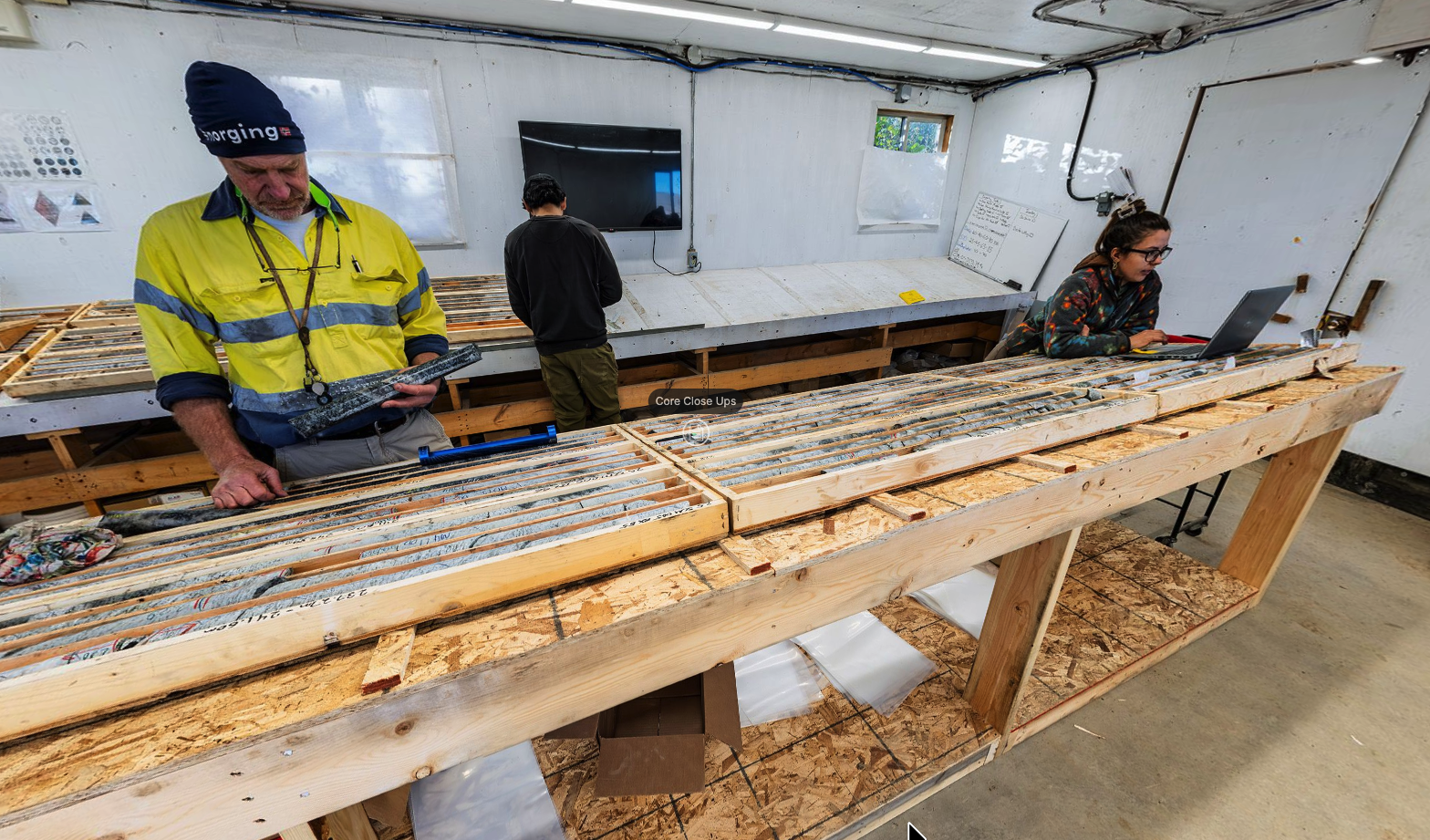
That concentrate graded 23.7% copper. Both figures were produced on laboratory-scale equipment, not at a commercial scale. The work is being completed by SLR Consulting at its mineral processing facility in Cornwall, United Kingdom.
Grind Size & Circuit Design
Two characteristics of the copper zone sample bear on how a future processing plant might be configured. The first is grind size. The recovery and grade figures were achieved after a coarse primary grind of 80% passing 150 microns (µm).
The second is speed. The copper zone sample showed rapid flotation kinetics, meaning the copper minerals reported to the concentrate quickly rather than needing prolonged treatment. That points to low residence-time requirements, the time material must spend in the flotation tanks, and suggests a very simple flotation circuit design.
Gold, Silver & Zinc Work Still Underway
Copper is not the only metal at B26, and the remaining elements are at an earlier stage of the program. Initial gold and silver recoveries are in line with previous test work and are being further optimized.
Zinc zone flotation test work is also ongoing. Cleaner testing, which upgrades the rougher concentrate to a higher grade, and locked-cycle testing, which simulates the recycling streams of a continuous plant, are still to be completed on the zinc material.
Independent Confirmation on a Larger Sample
The copper zone figures came from a program that expanded the sample base used in earlier metallurgical studies.
Chief Operating Officer of Abitibi Metals, Dave Bernier, sets the independent review alongside the size of the sample used:
"One of the most encouraging aspects of this program is that SLR Consulting has independently confirmed the excellent metallurgical performance of the B26 deposit using a significantly larger and more representative Cu-Zone composite than was available during earlier studies. These initial results demonstrate excellent copper recovery, rapid flotation kinetics, and the production of a high-quality rougher copper concentrate, further increasing our confidence in the B26 project as we advance toward the Preliminary Economic Assessment."
Bernier turns to the work still outstanding:
"While additional optimization work remains underway, including cleaner and locked-cycle testing and evaluation of the zinc flotation, these early results continue to de-risk the project."
The composite samples used in the program were collected from across the B26 deposit.
Limitations on the Initial Results
These are initial, rougher stage figures, and several conditions attach to them. The results may not be indicative of final metallurgical recoveries. Cleaner and locked-cycle testing, variability testing, and evaluation of the zinc circuit may produce results that differ materially from those reported.
Scale and sample selection come with their own qualifications. Metallurgical performance achieved under laboratory conditions may not be replicated at commercial scale, and the composite tested may not be representative of the deposit as a whole. Observations on flowsheet simplicity, flotation residence time, and process plant configuration may not translate into the process design, capital cost, or operating cost outcomes ultimately determined by the Preliminary Economic Assessment (PEA). An engineer independent of Abitibi Metals reviewed and approved the metallurgical technical information in the company's news release.
Next Steps
The metallurgical development program continues on several fronts. It will evaluate and refine the processing flowsheet, including mineralogical characterization, batch cleaner and locked-cycle flotation testing, a full assessment of the final concentrate's marketability, and integration of the zinc-rich mineralization into the overall process design.
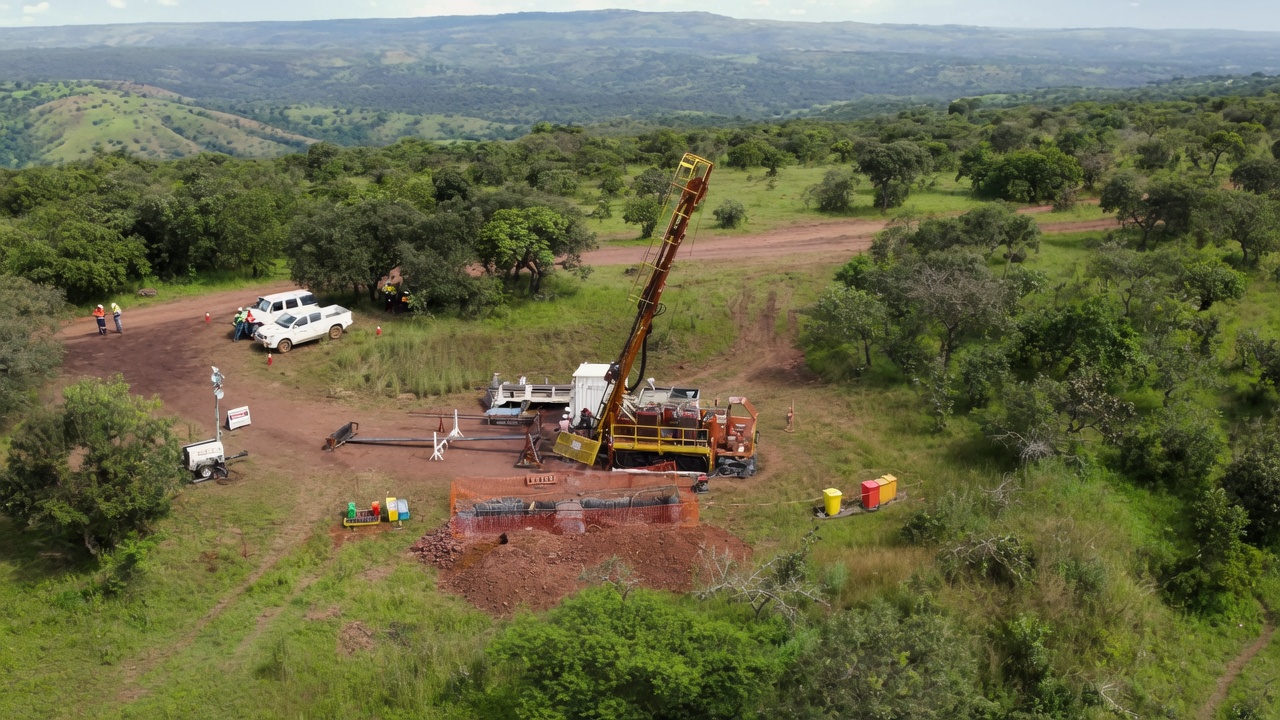
Those final results will be incorporated into the upcoming PEA. Abitibi Metals will provide the full results of this Phase 2 metallurgical program once it is complete. The testwork is running in parallel with the B26 and regional exploration program, which is targeting 40,000 metres (m) and currently has 3 drill rigs active on the project.
FAQs (AI-Generated)
Analyst's Notes





Subscribe to Our Channel




Stay Informed






















