




Salt Delivered Costs Reinforce Fuel Efficiency’s Value Amid Diesel Tightness


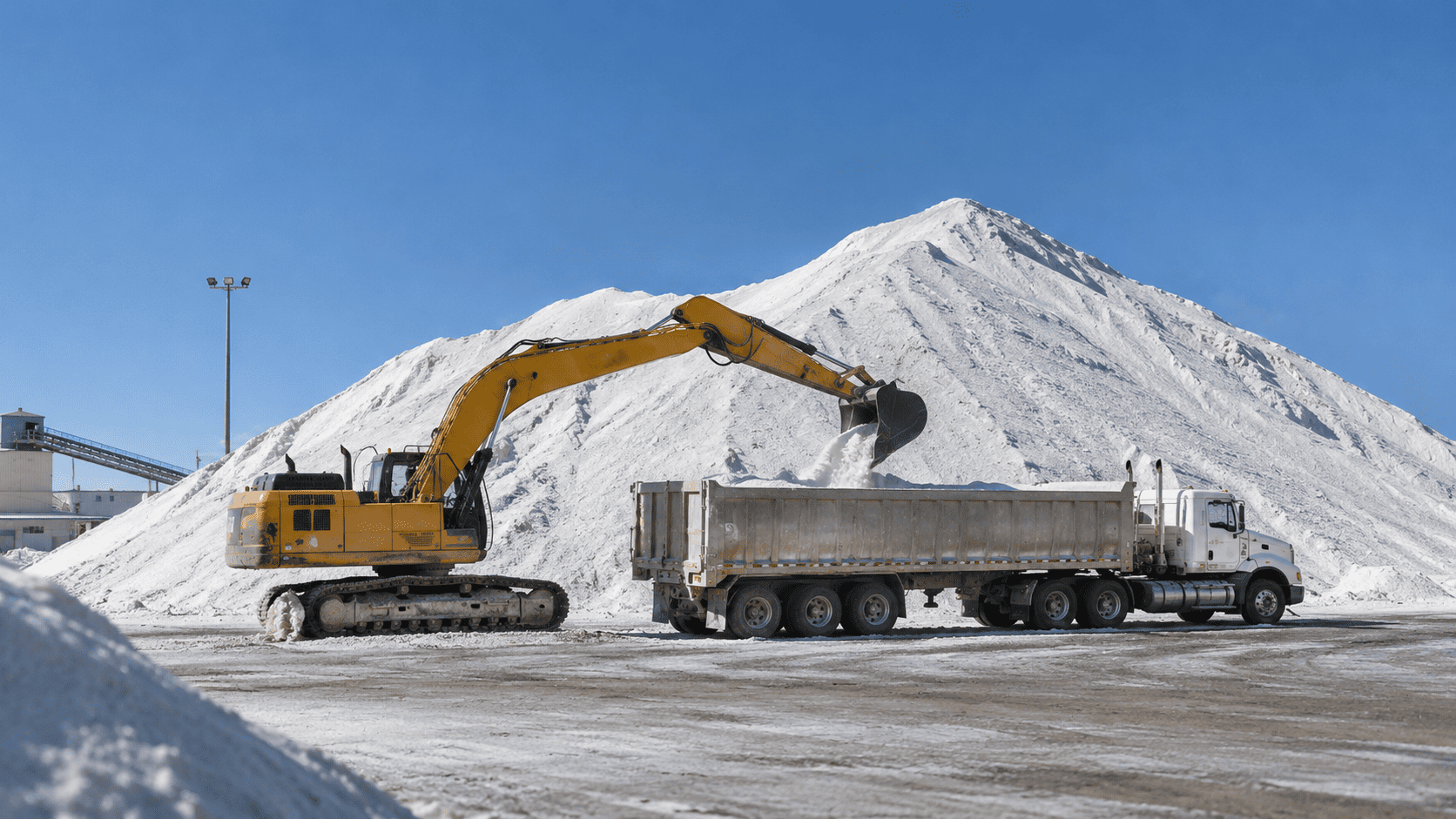
Delivery-inclusive road salt contracts make freight a supplier cost, while electric mine designs and shorter routes can reduce fuel requirements.
- Salt delivered costs remain exposed to diesel-dependent freight as global diesel exports fell by 700,000 barrels per day year over year in September 2026, while the International Energy Agency (IEA) projects depleted gasoil inventories are unlikely to recover beyond normal seasonal fluctuations before the second half of 2027.
- US East Coast distillate inventories were 32% below their five-year seasonal average in September 2026, with the US Energy Information Administration (EIA) forecasting a 20% to 30% deficit through winter 2026-27, highlighting salt transportation's exposure to regional fuel supplies.
- US Geological Survey (USGS) reports that highway de-icing accounted for 37% of US salt consumption in 2025, making it a major source of seasonal bulk salt demand.
- Massachusetts' statewide road salt contract covers 18 service areas, includes delivery in awarded prices, and prohibits separate fuel surcharges, requiring suppliers to account for freight within their contracted prices.
- Mine electrification can reduce direct diesel use, while shorter shipping routes can lower freight fuel requirements, supporting long-term salt delivered-cost competitiveness.
Diesel Supply Constraints Reinforce Road Salt Freight Exposure
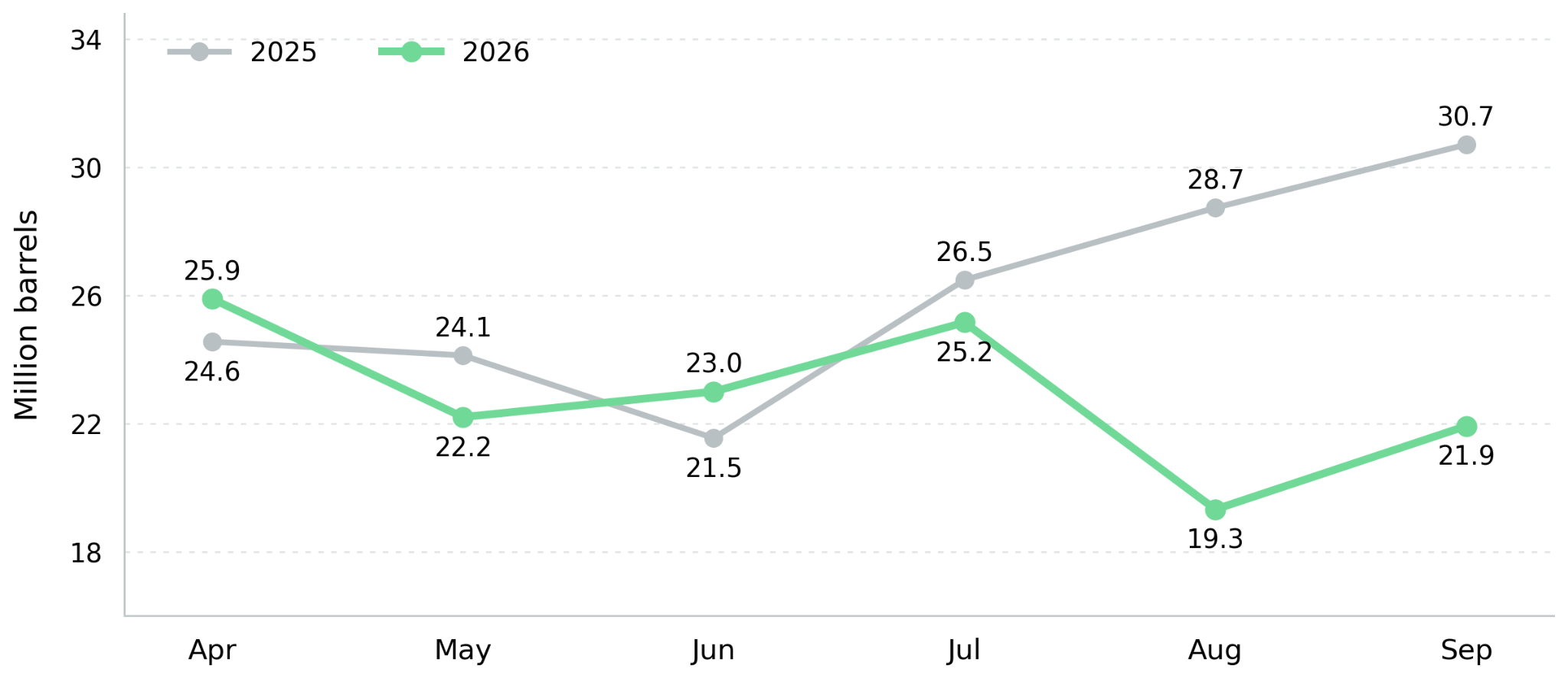
Global diesel and gasoil exports declined by approximately 700,000 barrels per day year over year in September 2026, according to the IEA's October 2026 Oil Market Report. Combined exports from Russia and the Middle East fell by 1.3 million barrels per day, partly offset by increased supplies from the US and China. Global gasoil exports averaged 4.7 million barrels per day over the first 9 months of 2026, approximately 10% below the same period in 2025. Despite recovering refinery throughput, the report forecasts gasoil supply falling short of demand in the fourth quarter of 2026. The Bank of Canada's October 28, 2026 Monetary Policy Report estimates that damaged refineries can take up to 12 months to resume normal operations.
The EIA's October 2026 Short-Term Energy Outlook reported US East Coast distillate inventories 32% below their five-year seasonal average in September, with stocks forecast to remain 20% to 30% below average through winter 2026-27. Regional refineries produce less distillate than the East Coast consumes, making shipments from the US Gulf Coast and imports important sources of supply. The region imported 124,000 barrels per day of distillate in 2025, approximately 10% of its consumption, highlighting its dependence on external fuel supplies during seasonal road maintenance.
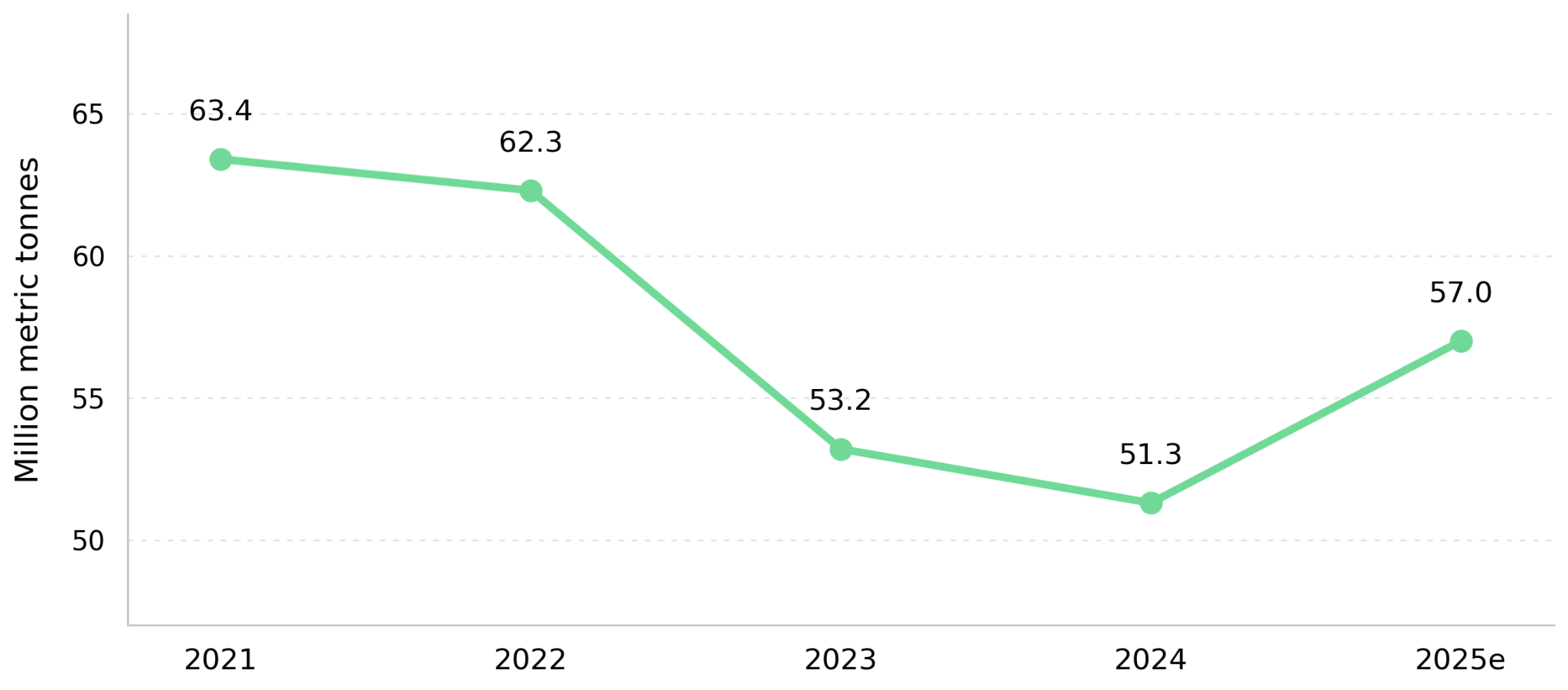
USGS estimates 39 million metric tonnes of salt sold or used in the US in 2025, valued at $2.6 billion. Highway de-icing accounted for approximately 37% of consumption, compared with 42% for the chemical industry. This substantial road salt market remains exposed to regional fuel availability through its transportation requirements, making freight costs relevant to delivered-cost competitiveness.
Municipal Salt Contracts Embed Freight Costs in Supplier Pricing
Massachusetts' VEH119 statewide road salt contract sets maximum awarded prices by salt type across 18 transportation service areas. Its purchasing guide requires prices to include delivery to designated locations, generally by bulk truck. Unlike mine-gate prices, these contracted prices include delivery costs borne by suppliers.
The contract prohibits separate travel, fuel, and delivery surcharges on invoices. It also permits early-order discounts, encouraging municipalities to stockpile salt ahead of peak winter demand. Route efficiency and delivery scheduling therefore affect supplier margins under these pricing terms.
Preseason Salt Commitments Secure Priority Winter Deliveries
The Massachusetts Department of Transportation's October 21, 2026 highway report recorded salt inventories at 80% of storage capacity, with a target of 95% by December. Reaching that target requires timely deliveries to storage facilities ahead of peak winter demand.
Washington State's 2026-27 snow and ice control contract requires participating agencies to purchase at least 80% of their stated volumes, while suppliers commit to providing up to 120%, securing delivery priority during supply constraints. The contract offers 3, 7, and 30-day delivery options for bulk winter maintenance products, including road salt. It also applies a diesel fuel surcharge or credit at delivery, linking transportation fuel costs to contracted salt supply.
Electric Mine Plans Target Lower Diesel Use in Future Salt Operations
The Bank of Canada's October 2026 Monetary Policy Report estimates refinery margins added the equivalent of roughly US$40 per barrel of crude oil to fuel prices in September, with mining and freight transportation among the industries exposed to diesel costs. Battery-electric underground equipment can reduce direct diesel consumption in salt mining, while transportation routes remain important to delivered-cost competitiveness.
Atlas Salt is advancing its Great Atlantic Salt Project in Newfoundland and Labrador with a planned all-electric underground fleet and covered conveyor to nearby Turf Point Port, reducing its expected reliance on diesel-powered mining equipment. Shipping to Boston is estimated at 3 days, compared with more than 14 days from Chile or Egypt, offering shorter routes to eastern North American road salt markets. Its updated feasibility study targets annual production of 4 million tonnes, while an approved early works plan and more than C$300 million in financing letters of interest support continued project advancement.
Nolan Peterson, Chief Executive Officer of Atlas Salt, explains how diesel dependence affects salt mining economics:
“We read reports, diesel costs are up. We see how that might affect other mining companies or general common citizens, but also people have to start thinking about how that would affect the salt industry. Well, they're still mining using diesel equipment. Except we wouldn't, but they are.”
Salt Supply Concentration Reinforces Freight Efficiency's Value
IEA estimates global gasoil production fell by 1.7 million barrels per day year over year in the third quarter of 2026. The agency projects depleted inventories are unlikely to recover beyond normal seasonal fluctuations before the second half of 2027, keeping fuel availability relevant to road salt transportation.
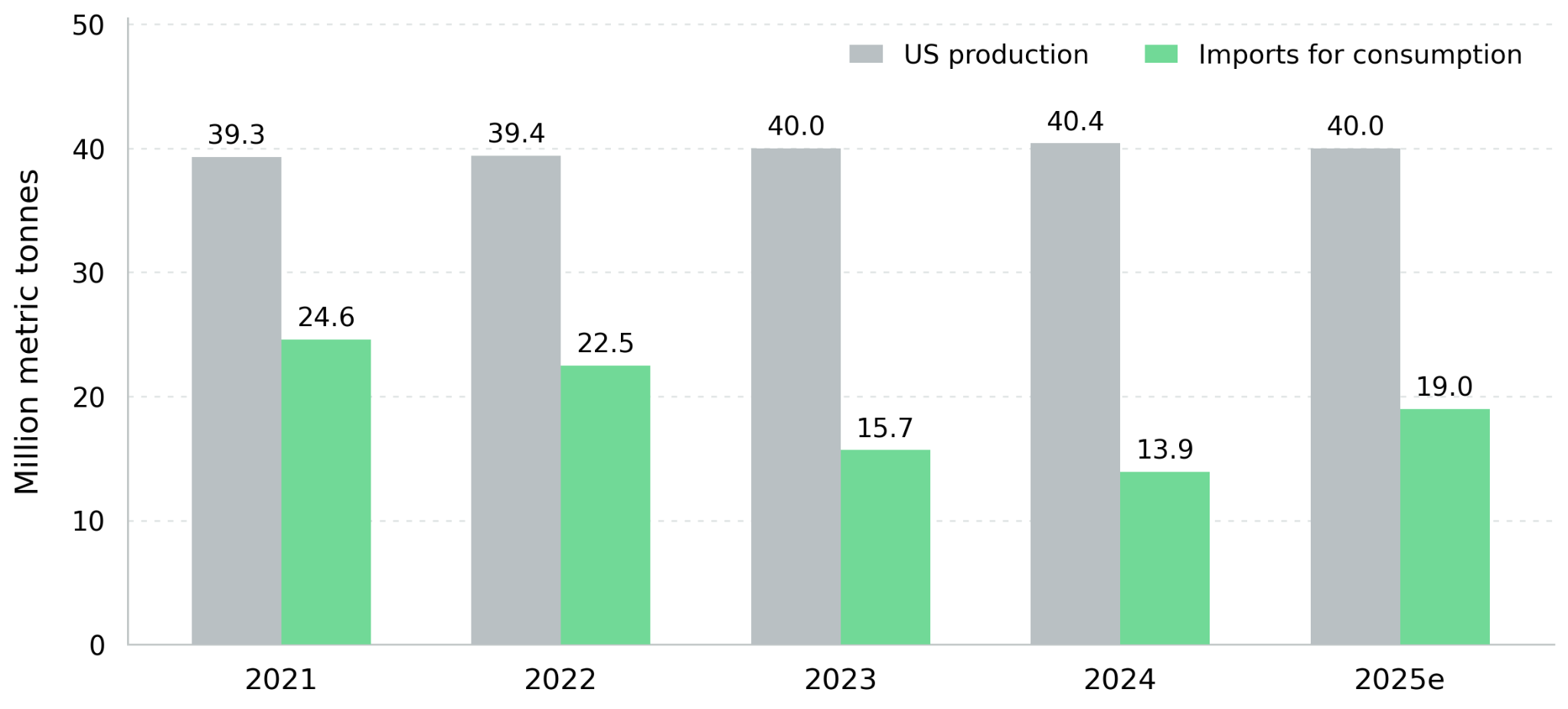
USGS reports that 25 US salt producers operated 60 plants across 15 states in 2025, with 7 states accounting for roughly 95% of production. This concentration makes transportation efficiency important for supplying geographically dispersed road salt customers. Combined with diesel supply constraints and delivery-inclusive contracts, these conditions reinforce the role of fuel-efficient mining and shorter shipping routes in salt delivered-cost competitiveness.
The Investment Thesis for Salt
- Established distribution networks support more efficient salt deliveries, particularly when transportation costs are included in contracted selling prices.
- Developers with electrified mine designs can reduce direct diesel dependence, strengthening their ability to manage fuel-related operating costs.
- Shorter transportation routes to major road salt markets can reduce freight requirements and support delivered-cost competitiveness.
- Documented port access, transportation infrastructure, and financing plans provide a clearer basis for assessing future project costs and commercial opportunities.
- Delivery-inclusive contracts make fuel consumption, route efficiency, and transportation scheduling important factors in protecting supplier margins.
- Long-term salt project competitiveness depends on efficient production, reliable market access, and the ability to deliver salt at competitive costs.
Road salt competitiveness depends on the cost of delivering salt to customers, not mine operating costs alone. Diesel supply constraints highlight differences in mining fuel use and transportation requirements, while contract terms determine how freight expenses affect supplier margins. Assessing these costs together provides a consistent basis for comparing long-term salt supply economics.
TL;DR
Road salt competitiveness depends on production costs, transportation efficiency, and the expense of delivering salt to customers. Global diesel supply constraints and below-average US East Coast distillate inventories highlight fuel exposure across the salt supply chain. With highway de-icing accounting for 37% of US salt consumption in 2025, seasonal delivery requirements remain significant. Municipal contracts that include freight in selling prices make transportation costs relevant to supplier margins. Advance salt stockpiling and delivery commitments further emphasize the importance of distribution planning. Electric mining equipment and shorter shipping routes can reduce fuel requirements, supporting long-term delivered-cost competitiveness.
FAQs (AI-Generated)
Analyst's Notes





Subscribe to Our Channel








Stay Informed


