Atomic Eagle Has Drilled Before It Needed To; Now It Is Ready to Go Big



Atomic Eagle holds a 58.8Mlb uranium MRE in Zambia, backed by a veteran team and A$19M in cash, with its biggest drill program since 2007 now underway.
- Atomic Eagle holds a total Mineral Resource Estimate (MRE) of 58.8 million pounds (Mlbs) of uranium at 309 parts per million (ppm), increased 24 percent following its maiden drilling campaign at the Chisebuka satellite deposit.
- The company entered 2026 with approximately A$19 million in cash, funding what will be the largest drill program at the Muntanga Uranium Project in southern Zambia since 2007, targeting upwards of 50,000 metres across ten discrete exploration targets.
- A December 2025 Joint Ore Reserves Committee (JORC) Exploration Target identified a potential further 40 to 100 Mlbs of uranium in addition to the existing MRE, pointing to a potential total project scale of between 100 and 160 Mlbs.
- The project already holds a completed feasibility study, all necessary mining licences, and filed environmental and resettlement approvals, giving Atomic Eagle a head start rare among early-stage uranium developers.
- Management is targeting four to five Mlbs per annum of production, a scale at which project economics improve materially due to the low capital intensity of expanding a heap leach operation.
- The leadership team includes veterans of Boss Energy and Lotus Resources, two companies that completed the full journey from exploration to uranium production in the last development cycle.
- Strategic interest in African uranium assets is intensifying, with Chinese and Indian groups actively competing for exposure to projects with near-decade production horizons, and Atomic Eagle has retained full commodity price upside with no offtake or streaming agreements in place.
A Strong Start for a New Listing
Most uranium developers arrive on the Australian Securities Exchange (ASX) with a dream and a dot on a map. Atomic Eagle arrived with something considerably more useful: a 58.8 Mlbs JORC Mineral Resource Estimate (MRE) at 309 parts per million (ppm), a completed feasibility study, existing mining licences, a filed Environmental and Social Impact Assessment (ESIA) and Resettlement Action Plan (RAP), and A$19 million in the bank. For a company that only re-listed in late November 2025, that is an unusually strong hand to play.
The Team Behind the Transaction
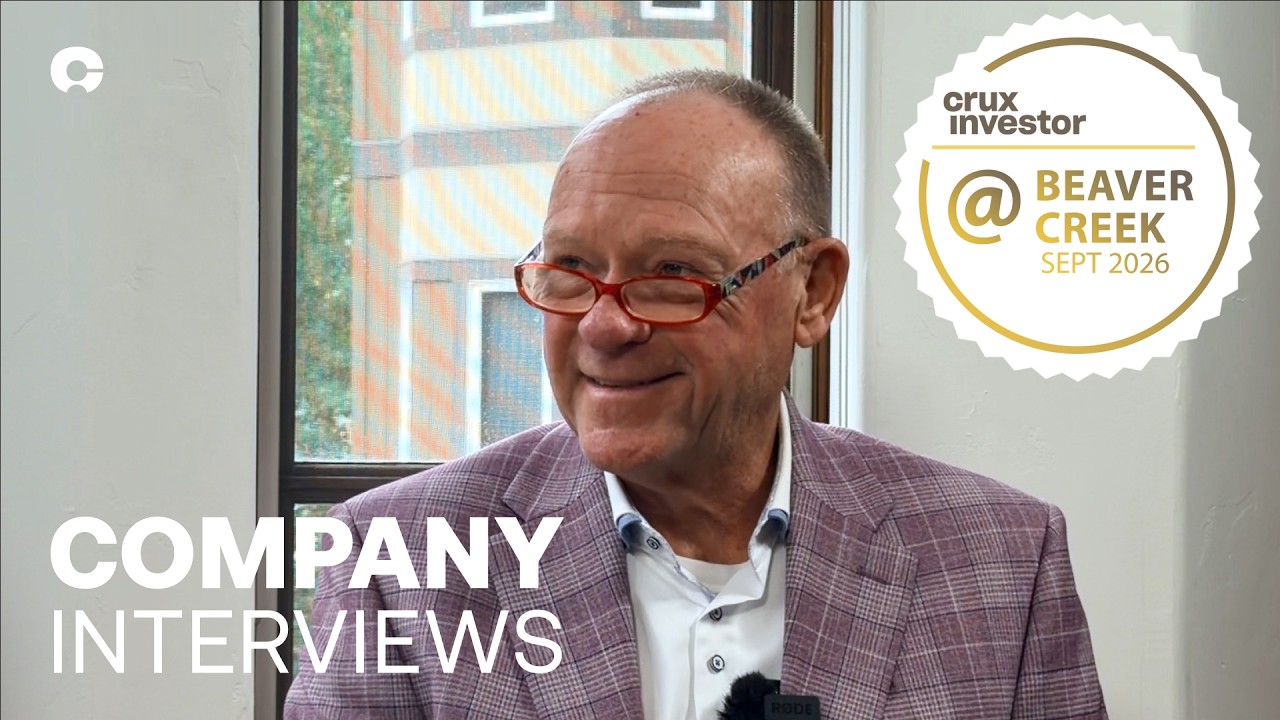
In a recent interview with Crux Investor, Chief Executive Officer of Atomic Eagle, Phil Hoskins, explained how the company came to hold this position and what it intends to do with it. Hoskins described the formation of Atomic Eagle through the reverse acquisition of GoviEx Uranium Inc., completed in November 2025. The people who identified the Muntanga Uranium Project in southern Zambia as the target were Grant Davey of Matador Capital and Keith Bowes, now a non-executive director of Atomic Eagle, the same founders behind both Boss Energy and Lotus Resources, two companies that have since become operating uranium producers. Warren King, Atomic Eagle's Chief Operating Officer, restarted the Kayelekera uranium mine in Malawi for Lotus. This is not a team assembled during a commodity boom.
Why Muntanga & Why Now
Hoskins was direct about why the group moved on Muntanga when it did. GoviEx, under pressure after losing its flagship Niger asset in 2024, had pushed the Zambian project toward development perhaps prematurely, and the economics at US$90 per pound had not quite stacked up. The window opened. Atomic Eagle stepped through it.
The Case for Scale
What the team saw that others may have missed were the project's metallurgical fingerprints. Heap leach recoveries averaging above 90 percent, leach kinetics of just 21 days, and acid consumption of only 20 kilograms per tonne of ore treated are numbers that, to experienced uranium operators, signal a project that can work economically at the right scale. The problem was throughput rather than geology, and the solution the team identified was to grow the resource and build a bigger plant. Hoskins made the arithmetic plain by referencing Bannerman Energy's Etango project in Namibia, widely regarded as the closest regional comparable:
"Bannerman's capex is 20 percent higher for a plant throughput that's more than twice as large, so you can see that you can have large improvements in production for modest increases in capital."
Management believes lifting Muntanga's annual production rate toward four to five Mlbs per annum, from the 2.2 Mlbs per annum modelled in the existing study, would transform the project's economics.
Chisebuka: The Satellite That Could Change the Numbers
Central to that growth argument is Chisebuka. Located on the Kariba Valley licence approximately 70 kilometres on strike from the main Muntanga deposits, Chisebuka carries a maiden inferred resource of 9.7 Mlbs at 220 ppm uranium, defined from percussion drilling completed in the fourth quarter of 2025. That initial work was funded by a A$700,000 loan from Atomic Eagle to GoviEx before the acquisition closed, adding those pounds at roughly five cents each. Drilling has confirmed the mineralisation remains open in multiple directions, and Hoskins sees it as one of the most immediate opportunities ahead.
The 2026 Drill Program: Biggest in Nearly Two Decades
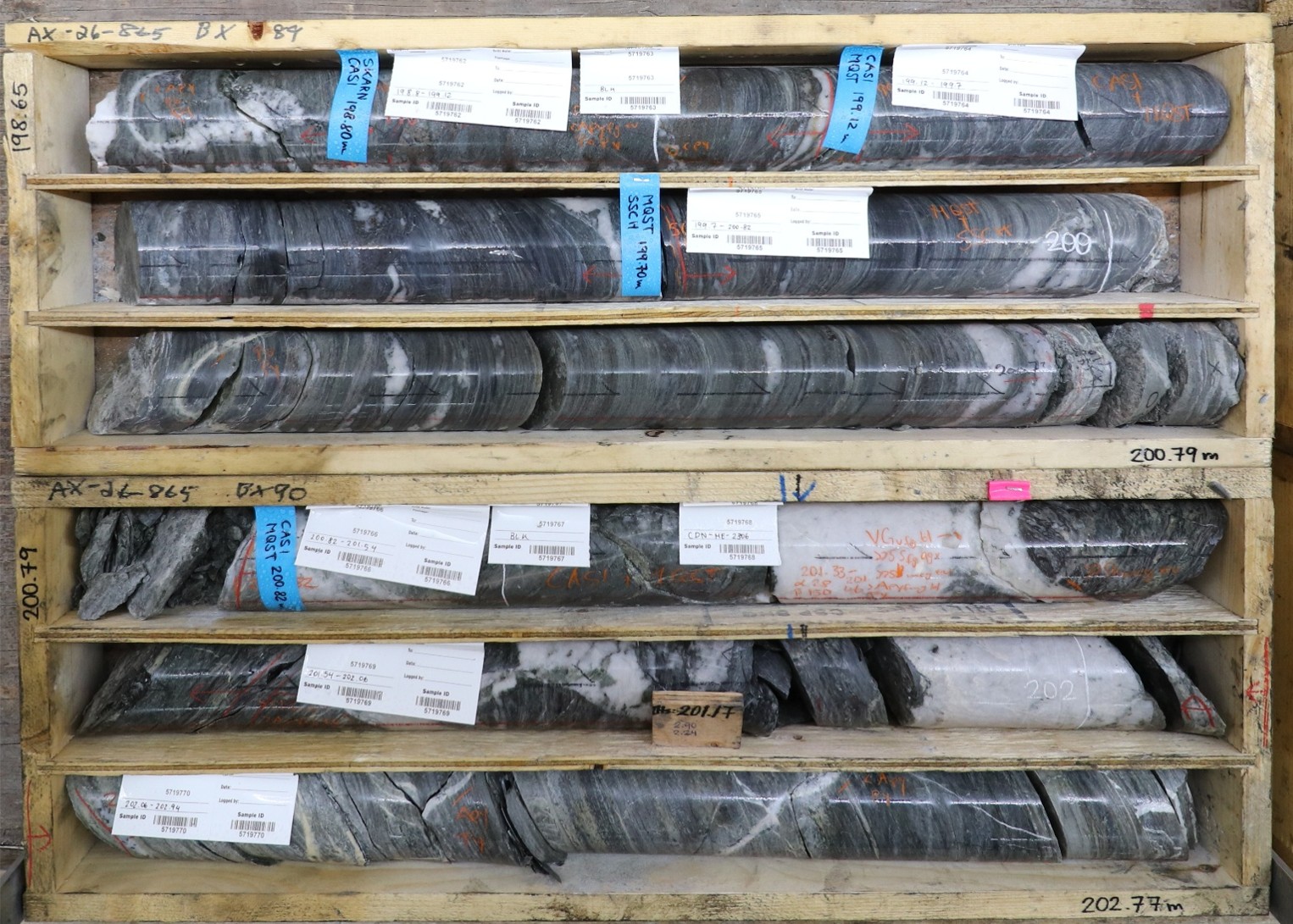
The 2026 exploration program beginning in the first quarter of the year will be the largest at the project since 2007, targeting upwards of 50,000 metres across ten discrete exploration targets. Initial holes will be percussion at 400-metre spacings to 120-metre depth, using gamma probes for near-real-time radiometric grade estimates, allowing rapid triage and efficient redeployment of rigs at approximately US$45 per metre. Hoskins expected all ten targets to be tested to a 400 by 400 metre spacing by the end of the third quarter of 2026. Results will be released progressively:
"We're not looking to hold back a big batch for a number of months and come out with a big bang. We respect that if you go a long period of time without announcing anything, shareholders may become concerned."
New inferred resources are the immediate goal, with infill drilling, diamond core work, updated metallurgical test work, and a revised feasibility study earmarked for 2027.
Strategic Tailwinds & a Clean Capital Structure
The global supply backdrop is sharpening the strategic appeal of what Atomic Eagle is assembling. India has been signing long-term uranium supply agreements with Kazatomprom and Cameco. China's recent equity investment in Bannerman's Etango project confirmed the appetite for credible African uranium assets with near-decade production horizons. With no offtake or streaming arrangements in place, Atomic Eagle retains full exposure to a market the company believes will be tighter still by the time those conversations become relevant. Hoskins was measured but pointed:
"I think if you're in a stable and credible jurisdiction like Zambia, if you're capable of bringing on near-term pounds per annum circa 2030, then I think you really are in the window for those groups."
The drill bit will have most of the say in 2026. The team has structured things so that it can afford to listen to what it says.
FAQs (AI-Generated)
Atomic Eagle's primary asset is the Muntanga Uranium Project in southern Zambia, which holds a total Mineral Resource Estimate of 58.8 million pounds of uranium at 309 parts per million.
The project features heap leach recoveries averaging above 90 percent, 21-day leach kinetics, and acid consumption of just 20 kilograms per tonne, metallurgical characteristics that experienced uranium operators recognise as indicators of strong economic potential at scale.
The team includes veterans of Boss Energy and Lotus Resources, two companies that successfully brought uranium projects into production during the last development cycle.
Atomic Eagle plans to drill upwards of 50,000 metres across ten discrete targets in what will be the largest drill program at the Muntanga project since 2007, with the goal of growing the existing resource toward a scale that supports four to five million pounds of annual production.
Zambia offers a stable political environment, established mining infrastructure, no free-carried government interest, and a government actively seeking to diversify its mining sector beyond copper.
Analyst's Notes





Subscribe to Our Channel


Stay Informed