




Beyond the Resource: How Producers Are Converting Historic Assets into Modern Growth Platforms


Silver miners are unlocking growth from historic assets through modernisation, optimisation and scale, shifting focus from resources to execution.
Across the silver mining sector, a new generation of operator-led management teams is demonstrating that longevity of reserve base is only one part of the value equation.
Introduction: A Sector at an Inflection Point
Few industries carry the weight of legacy as visibly as underground hard-rock mining. Mines that have produced continuously for more than a century represent an extraordinary accumulation of geological knowledge, infrastructure investment, and community history. Yet for much of the past decade, that legacy has also been a liability. Decades of underinvestment, outdated equipment, and management inertia left some of the sector's most endowed assets generating well below their potential, caught between the promise of what the ground contains and the operational capacity to extract it profitably.
The current precious metals environment is forcing a reassessment. With silver prices elevated and institutional capital returning to the sector, investors are scrutinising not just resource size but the credibility of the path from existing reserve base to delivered ounces. That shift is placing a premium on operator-led management teams with demonstrated track records of turning around underperforming assets, scaling production, and doing so without destroying shareholder value through excessive dilution.
The silver mining sector presents a particularly instructive lens through which to examine this trend. With a limited investable universe of primary silver producers, the scarcity premium that has historically attached to the asset class is now intersecting with a broader industry conversation about how historic mines can be repositioned as modern growth platforms, rather than simply managed for depletion.
Valuation Fundamentals in a Scarce Asset Class
The investable universe of primary silver miners is narrower than many investors appreciate. Across publicly traded equities, the number of companies with meaningful primary silver production and institutional-grade liquidity is estimated at between 10 and 12 globally. That scarcity has historically supported a valuation premium for silver miners relative to gold producers, a dynamic that remains intact in the current cycle. Silver miners have consistently traded at a premium to their gold counterparts on a price to net asset value (NAV) basis, with the group ranging from approximately 0.7 times to north of 2.5 times NAV.
The rationale for that premium is structural. Executive Vice President of Corporate Development at Americas Gold & Silver, Oliver Turner, describes the dynamic plainly:
"Primary silver is very scarce. It’s a scarcity play. There are only so many ways to actually get exposure to primary silver miners."
That constraint on the supply of investable vehicles means that when institutional capital rotates into the sector, the price effect on individual companies can be disproportionate to changes in the broader metals complex.
The operating cash flow multiple tells a related story. During the peak of the last major precious metals bull cycle in the 2000s, mid-tier gold companies traded at operating cash flow multiples of 25 to 35 times. Today, silver miners as a group are trading at between 5 and 9.5 times operating cash flow. The gap between those two data points represents the market’s current assessment of where this cycle sits relative to its ultimate potential. It also defines the upside case that management teams are being asked to justify through execution.
The Three-Stage Playbook: Stabilise, Optimise, Scale
Across the sector, the most credible turnaround narratives share a recognisable structure. The first phase involves a rigorous diagnostic: identifying operational bottlenecks, assessing personnel requirements, and understanding the specific challenges the asset presents before an action plan is committed to. This phase is unglamorous and time-consuming, but its quality determines everything that follows.
Management teams that have navigated this phase successfully emphasise that the work cannot be rushed. As Turner notes of the approach taken at the company's primary asset:
"2025 was all about doing the real work, the real engineering, the real understanding as well as understanding the personnel additions that we needed to make, understanding the dynamics of the teams there. That doesn’t happen overnight. You can’t accomplish that in one month. That takes a lot of detailed work and analysis."
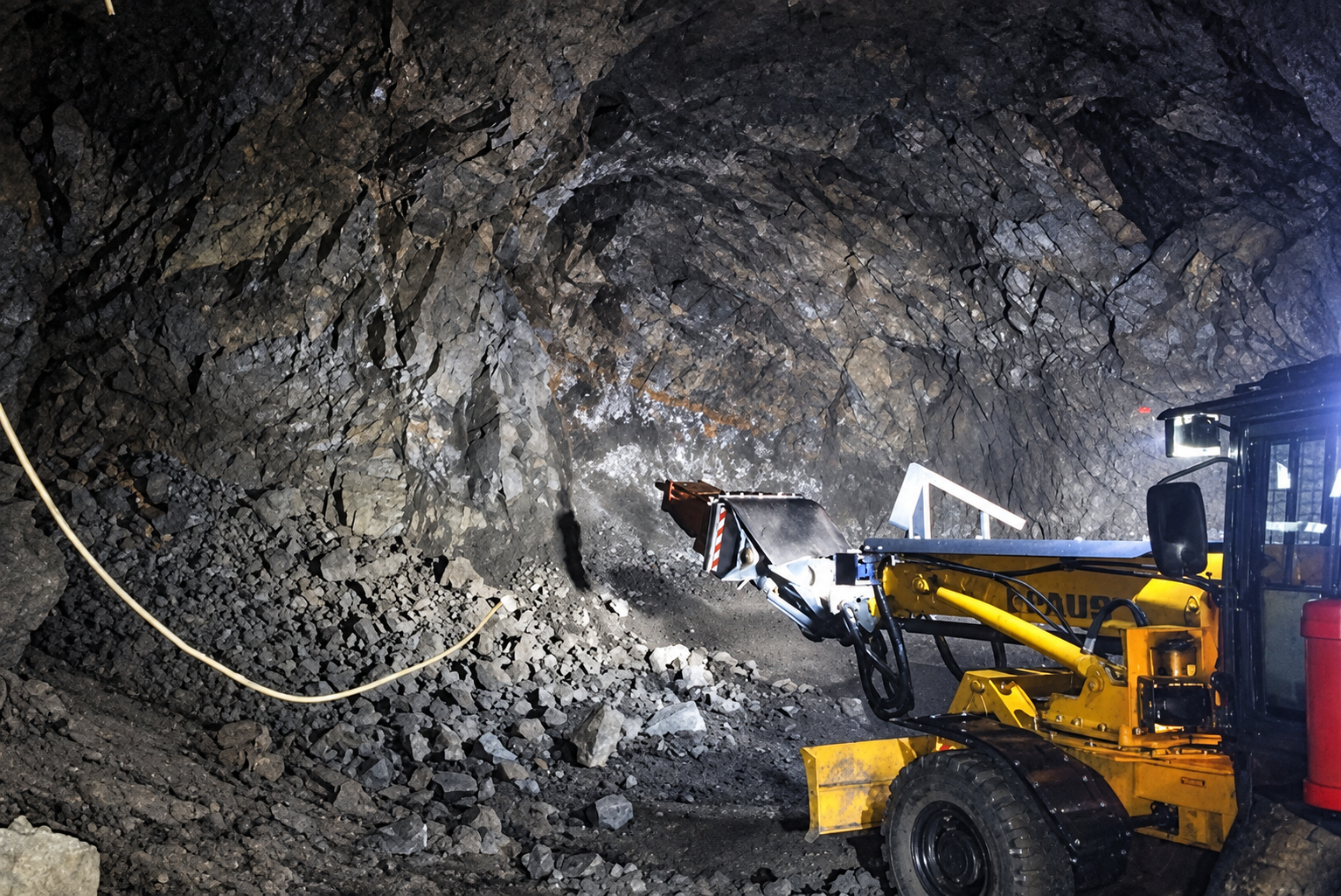
The second phase involves executing on the identified improvements: equipment upgrades, hoist modernisation, haulage system enhancements, mining method transitions, and the introduction of modern communication infrastructure that older operations frequently lack.
The third phase, which fewer management teams reach credibly, involves systematic production scaling. This means moving from a stabilised baseline toward the asset's full production potential, expanding the drill programme to grow and upgrade the resource, and integrating complementary regional acquisitions.
Galena Complex: A Case Study in Asset Repositioning
The Galena Complex in Idaho’s Silver Valley provides a detailed illustration of how a historically significant silver asset is being repositioned under operator-led management. Mining at Galena began in 1893, and the operation has produced continuously since. It currently ranks as the third highest-grade primary silver mine in the world by operating grade.
The current management team at Americas Gold & Silver took over with a detailed assessment of the work required. Following the management transition, 2025 was dedicated to operational diagnosis: understanding personnel requirements, identifying the specific engineering bottlenecks constraining throughput, and developing a phased multi-year plan to address them systematically. That plan centres on three linked objectives: optimising the existing operation, expanding production capacity, and modernising the physical infrastructure.
The modernisation component is more extensive than the term implies. Turner describes an operation that had been under-capitalised for an extended period:
"We’re putting fibre optics right through the mine. I know that sounds like an obvious thing to do, but this mine has been under-capitalised for a long period of time. So we’re bringing it into the 21st century and adding a lot of the technology that new operations have that this operation didn’t have yet."
The transition from underhand cut and fill to long-hole stoping is among the operational changes underway at Galena. The switch forms a core part of the management team's production growth plan, which targets a return to the 5 million ounce per year silver production level the operation achieved in 2002.
The production growth strategy is built on two complementary actions, as Turner explains:
"You’re attacking your cost line, but you’re also increasing the number of ounces you’re bringing out for that same cost. So expanding margin, bringing up ounces, it makes no sense to bring out ounces if they don’t contribute to the bottom line. We’re focused on expanding high-margin ounces and high-margin tons."
Byproduct Monetisation & Regional Consolidation
Every tonne of tetrahedrite ore mined at Galena for its silver content also carries copper and antimony. Until recently, the payability on those byproducts was constrained by the terms of the company’s concentrate offtake agreement. As of January 1, 2026, a renegotiated agreement means Americas Gold & Silver is now being compensated for both copper and antimony contained in its concentrate shipments.
The next step in antimony value capture involves the construction of a dedicated antimony processing facility at the Galena property, to be operated under a joint venture (JV) agreement with US Antimony. The structure is deliberately designed to preserve the company’s identity as a mining operator rather than a metals processor. The company holds a 51% interest in the JV facility, supplies the ore, and receives market terms for the antimony extracted. US Antimony, which already processes some of the company's output through existing operations, manages the processing side.
As Turner put it:
“We are a mining company. We’re focused on turning around, as I talked about, our track record of scaling operations. What we are not are specialty metals or critical metals processing guys. And that’s not the business that our investors invest in us for.”
The facility is to be constructed within Galena's existing permit boundary, with the company noting no major permitting effort is required. The US government has expressed interest in the project, though the company did not disclose further details on the nature of those conversations.
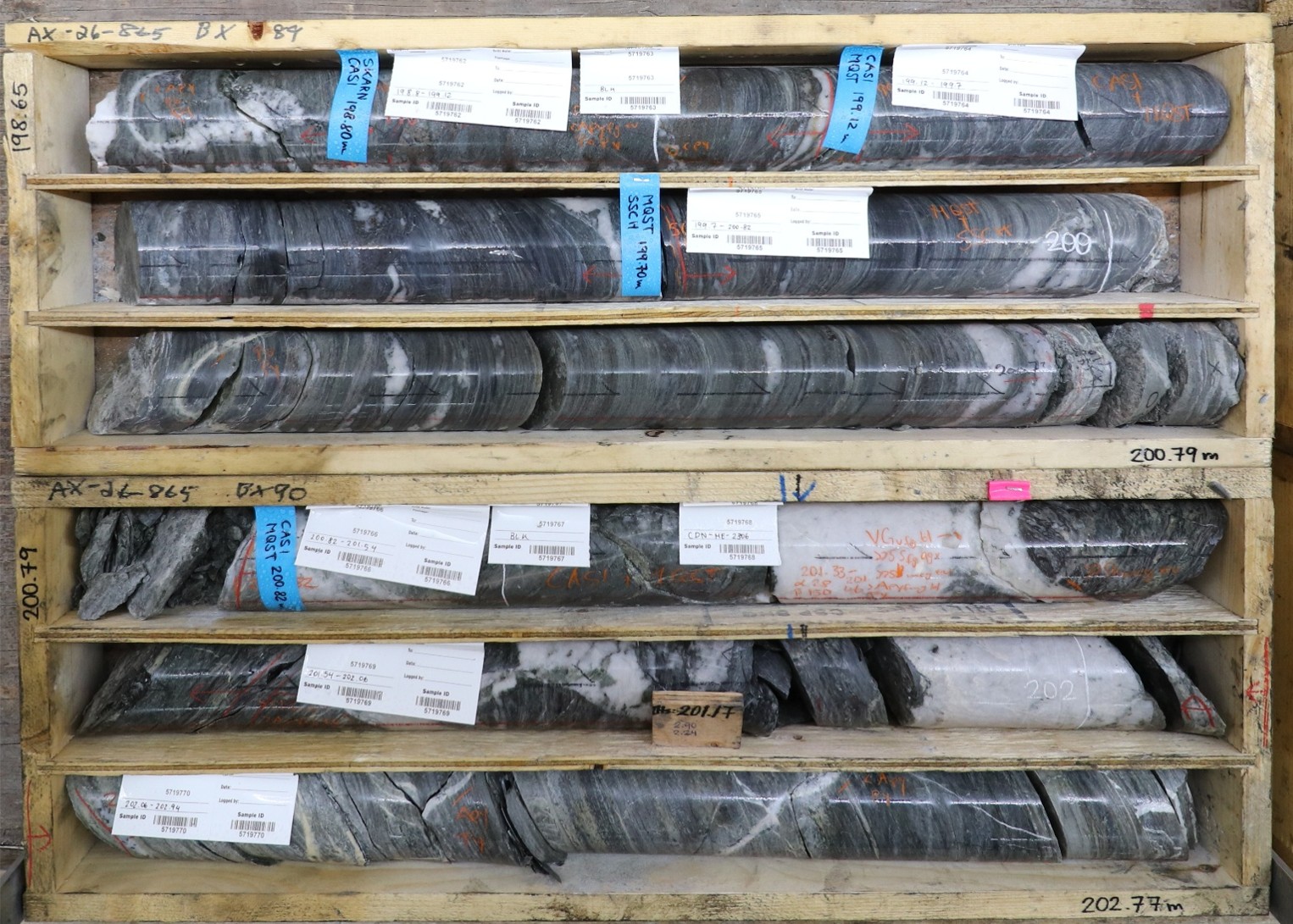
On the mergers and acquisitions (M&A) front, the acquisition of the Crescent Mine, located nine miles from Galena, follows the regional consolidation approach the management team applied at previous companies. Processing identical tetrahedrite material to Galena's primary ore stream, Crescent's ore can be directed straight to existing mill capacity, generating additional ounces of revenue while the fixed cost base of the mill is shared across more tonnes. The asset has not been drilled since 2011, and a portion of the 64,000-metre exploration programme for the current year is allocated there, adding resource growth potential on top of the near-term mill feed contribution.
The Outlook: Execution as the Only Lasting Argument
The case for re-rating historic silver assets as modern growth platforms depends on consistent delivery against stated targets. That standard of delivery is measurable, and management teams point to it directly.
Turner, drawing on the team’s record at predecessor companies, frames the expectation precisely:
"What we want to do is make sure the market has the right expectations and then deliver those quarters time and time again. And as we knock off these quarters, more and more investors are going to realize that these guys are doing what they said they were going to do."
The management teams best equipped to unlock value from historic silver assets are those that understand both dimensions equally: the geological endowment that makes the asset worth investing in, and the operational and organisational work required to convert that endowment into delivered ounces, expanding margins, and sustainable free cash flow. That combination is what drives a re-rating, and it can only be demonstrated through results.
Analyst's Notes





Subscribe to Our Channel


Stay Informed






















