




Brent's Break Above $100 Lifts Gold's Haven Bid Ahead of Fed Decision


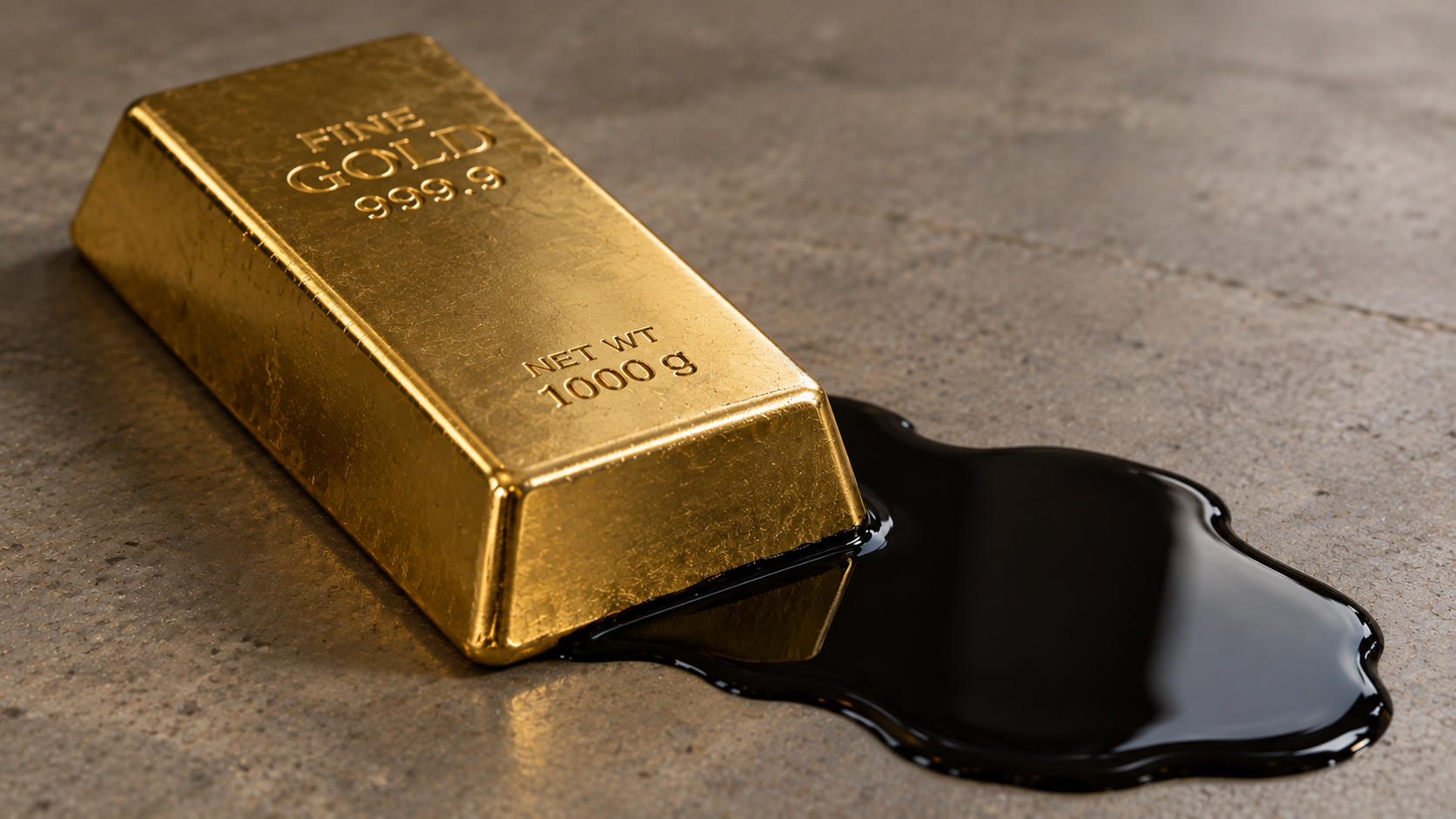
Brent above $100 lifts gold’s haven bid, but 60% Fed hike odds and 4.81% Treasury yields keep bullion’s upside tied to this week’s inflation data.
- Spot gold traded near $4,403 an ounce on Sept. 9, up 1.11%, as Brent crude broke above $100 a barrel for the first time since July 24, strengthening gold's haven bid.
- The US said it destroyed five Iranian oil tankers on Sept. 8, prompting Iran's Revolutionary Guard to strike a US base in Jordan and raising supply risk through the Strait of Hormuz, which carries roughly one-fifth of world oil.
- Traders price a 60% chance of a 25-basis-point Fed hike on Sept. 15-16, while the 10-year Treasury yield holds near 4.81%, its highest since October 2023, keeping rate pressure on gold.
- This week's producer and consumer price data will test whether the oil shock is feeding broader inflation, which could keep Fed hike odds elevated.
Iran Tanker Strikes Push Brent Past $100 as Gold Extends Its Rally
Spot gold traded near $4,403 an ounce, up 1.11%, as geopolitical risk supported haven demand. Brent crude broke above $100 a barrel for the first time since July 24 after the US destroyed five Iranian oil tankers and Iran's Revolutionary Guard struck a US-linked base in Jordan. Nymex WTI rose to $95.25 a barrel, reinforcing the energy shock ahead of the Fed's key inflation data.

The Strait of Hormuz carries roughly one-fifth of world oil, so further disruption could keep crude elevated and strengthen gold's haven bid after its $4,354.70 low.
Hormuz Chokepoint Risk Ties Oil Supply to This Week's Inflation Data
The US destroyed five Iranian oil tankers, and Iran's Revolutionary Guard responded by striking a US-linked base in Jordan and attacking 10 ships. Brent reached $100.72 a barrel and WTI $95.25 as the strikes raised supply risk through the Strait of Hormuz, which carries about one-fifth of global oil. With no clear path to de-escalation, further strikes could keep a geopolitical premium in crude prices.
Higher energy costs can lift producer and consumer inflation, so hotter readings would support the market's current Fed hike pricing and keep yields as a headwind for gold.
A 60% Rate Hike Bet Leaves Gold's Rally Unresolved
Gold remains below $4,422 resistance despite rebounding from its 100-day moving average. Lukman Otunuga, senior research analyst at FXTM, said a weaker dollar and technical buying are supporting the rebound, while this week's inflation data could shift Fed rate expectations and gold's near-term direction.
Hotter inflation would reinforce the roughly 60% probability of a Fed hike and could push Treasury yields above 4.81%, increasing pressure on gold despite the Hormuz haven bid. Softer inflation would reduce hike odds and yield pressure, strengthening gold's path toward $4,422 and then $4,465.
Oil and Gold Exposures Carry Different Risk Into This Week's Data
Oil-linked positions benefit directly when Hormuz supply risk lifts crude prices, while gold gains through haven demand but faces pressure from higher Fed hike odds and Treasury yields.
Position sizing therefore depends on whether the exposure is intended to capture an oil shock, a Fed move, or both. Concentrating on one outcome raises downside risk, while balanced exposure preserves upside if oil remains elevated or Fed pressure on gold fades.
A Hormuz-Driven Oil Shock Could Decouple Gold From the Rate Cycle
Oil and gold can react differently to the same geopolitical shock. Oil responds directly to supply risk, while gold responds through haven demand, inflation expectations, and the Fed rate path. A consumer price index reading at or below consensus would weaken the inflation case for a Fed hike, reducing yield pressure on gold while Hormuz risk remains.
Rate pressure can therefore cap gold without eliminating its geopolitical upside, creating an opportunity if Fed hike expectations fall before Hormuz risk does. If the oil shock outlasts the current strike cycle, sustained inflation and haven demand could support gold beyond the Fed decision.
Analyst's Notes





Subscribe to Our Channel







Stay Informed






















