




Cabral Gold Adds Discovery-Focused Leadership as Cuiú Cuiú Nears First Gold


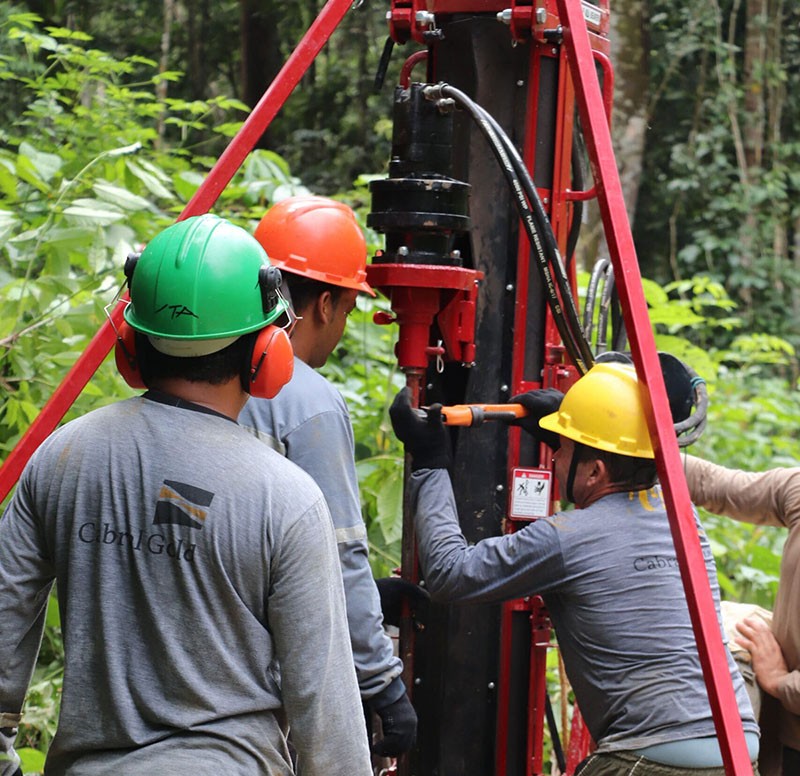
Cabral Gold nears first gold at Cuiú Cuiú as commissioning reaches 85%, MG drilling confirms grades, and new exploration leadership targets district growth.
- Cabral Gold appointed Elton Pereira, a geologist with three decades of discovery experience in Brazil's Tapajós gold region, as Vice President Exploration, effective August 5, 2026.
- The company has now received assay results from all 165 reverse circulation (RC) holes drilled in its MG pre-production infill program, totaling 5,767 meters, confirming consistent near-surface grades ahead of mining.
- Commissioning of the Phase 1 gold-in-oxide heap leach operation is approximately 85% complete, with the dry circuit already processing ore and the wet circuit's absorption-desorption-recovery (ADR) unit now shipped to Brazil for on-site assembly.
- President and Chief Executive Officer Alan Carter says the project remains largely on budget against its Preliminary Feasibility Study (PFS) and has identified room to upsize Phase 1 production.
- A total of 6 drill rigs are testing the wider Cuiú Cuiú district, feeding an updated resource estimate that will span 6 modeled gold deposits, up from 3 previously, targeted before the end of 2026.
Cabral Gold Inc. (TSXV: CBR | OTCQX: CBGZF) is entering the final stretch of construction at its Cuiú Cuiú gold district in Pará state, Brazil, and has just reinforced its technical team ahead of first production. On August 5, 2026, the company named Elton Pereira as Vice President Exploration, days after confirming the final assay results from its MG infill drilling program. The appointment follows an interview in which President and Chief Executive Officer Alan Carter detailed construction progress, budget, and exploration strategy. Together, the three updates mark a handoff: a construction team focused on first gold giving way to an exploration team already tasked with the district's next phase of growth.
A New Technical Leader for the District
Pereira replaces Brian Arkell, who moves into a new role as Vice President Technical Services. Pereira spent 11 years with Rio Tinto Exploration in Brazil, where he was involved in the initial discoveries of the São Jorge and Palito gold deposits in the Tapajós region, and later played a role in defining the Tocantinzinho gold deposit, now one of Brazil's largest open-pit gold mines, while at Brazauro Resources. He subsequently spent 8 years as Vice President Exploration for Tristar Gold, working on the Castelo de Sonhos gold deposit, before serving as Exploration Manager for Appian Capital Brazil and, most recently, as Country Manager of Bahia Nickel.
Vice President Exploration of Cabral Gold, Elton Pereira, said:
"I am very excited to join Cabral Gold at this important stage in the Company's evolution as it transitions from a pure exploration Company to a junior gold producer. The Cuiú Cuiú district currently contains 6 separate gold deposits and over 50 peripheral targets which require further exploration."
His arrival lands at a point where the company's exploration program is running at its widest scale to date, with 6 drill rigs currently active across multiple targets in the district. That same exploration push extends to the district's most advanced deposit, where infill drilling has just wrapped up.
MG Infill Drilling Wraps Up
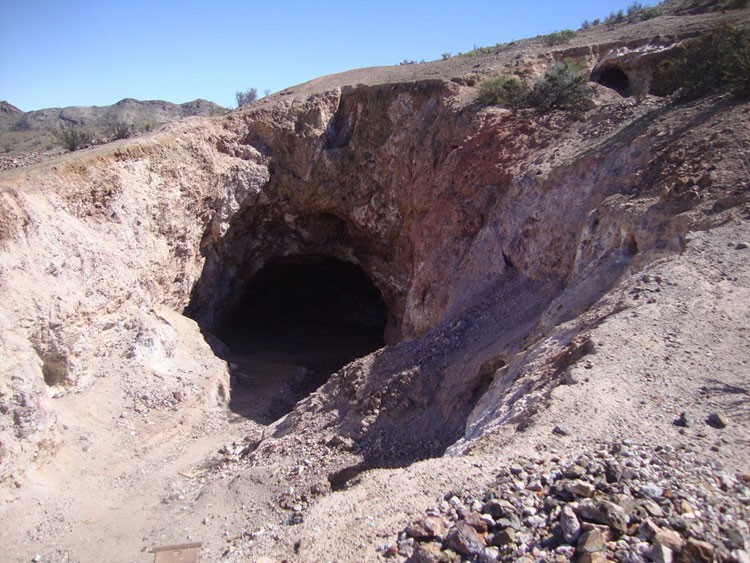
Alongside the leadership change, Cabral finished assaying its pre-production infill program at the MG gold deposit, the district's largest gold-in-oxide zone and the first area scheduled for mining. The final batch of 41 reverse circulation (RC) holes returned intercepts including 17 meters at 1.93 grams per tonne (g/t) gold and 34 meters at 0.50 g/t, both from surface, completing the program at 165 holes for 5,767 meters and tightening hole spacing to a nominal 12.5-meter grid through most of the Year 1 pit plan.
The program was designed to build confidence in ore grade and continuity ahead of mining and to upgrade MG's resource classification from Indicated to Measured. With results complete, Cabral is using the data to finalize its mine plan for the starter pit, the same material already being mined and stacked during commissioning.
Commissioning's Final Stretch
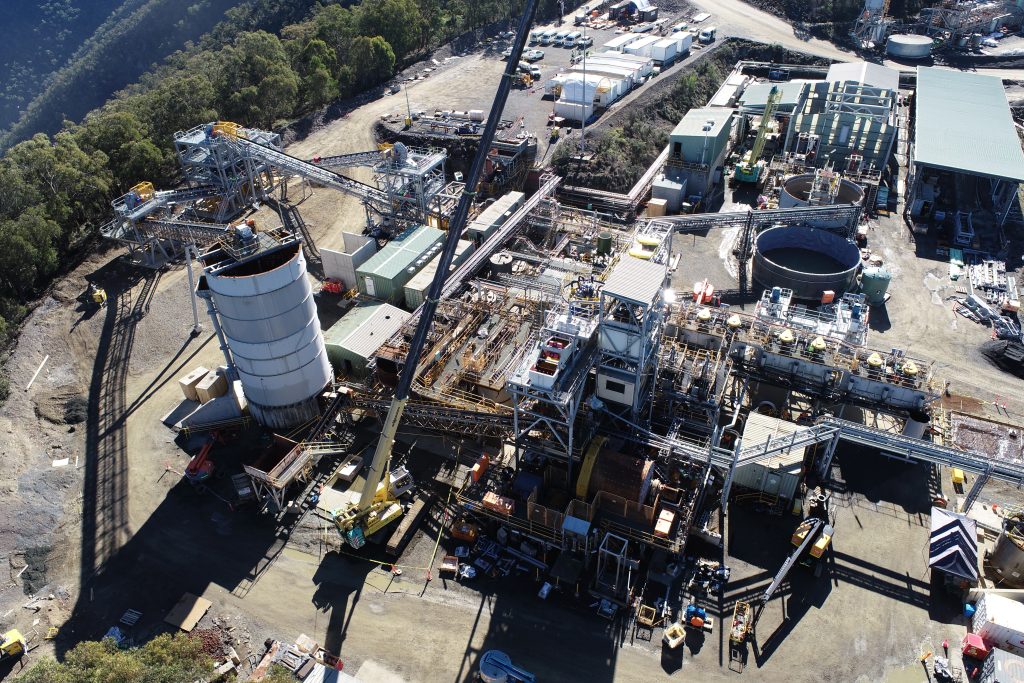
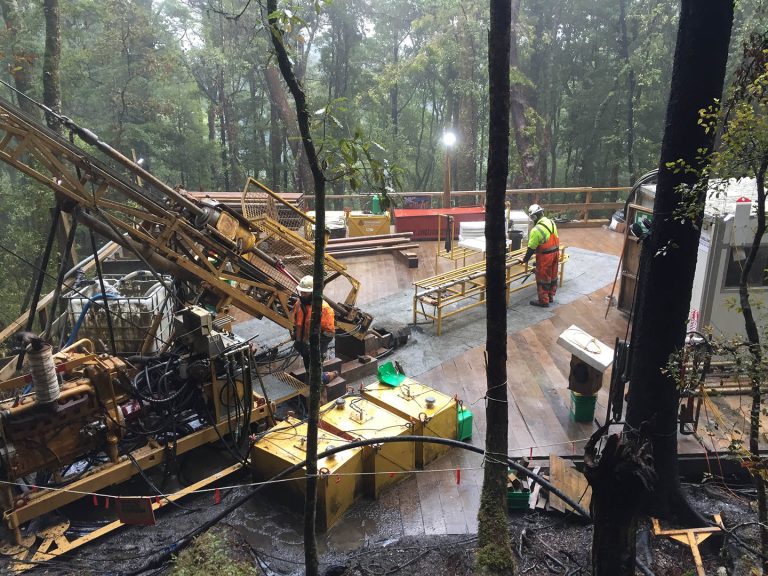
The company described commissioning, now approximately 85% complete, as running in two parallel streams. The dry circuit, covering mining, sizing, and agglomeration ahead of the leach pads, is already operating, with material moving from the MG pit through the sizer and onto the first stacked pad. The wet circuit is the remaining piece. The plant's absorption-desorption-recovery (ADR) unit, built and partially commissioned in Perth, Western Australia, has since shipped to Brazil, with assembly taking a further few weeks. Solution storage ponds, carbon columns, and the solution containment area are already complete, and commercial gold production remains on schedule for the fourth quarter of 2026.
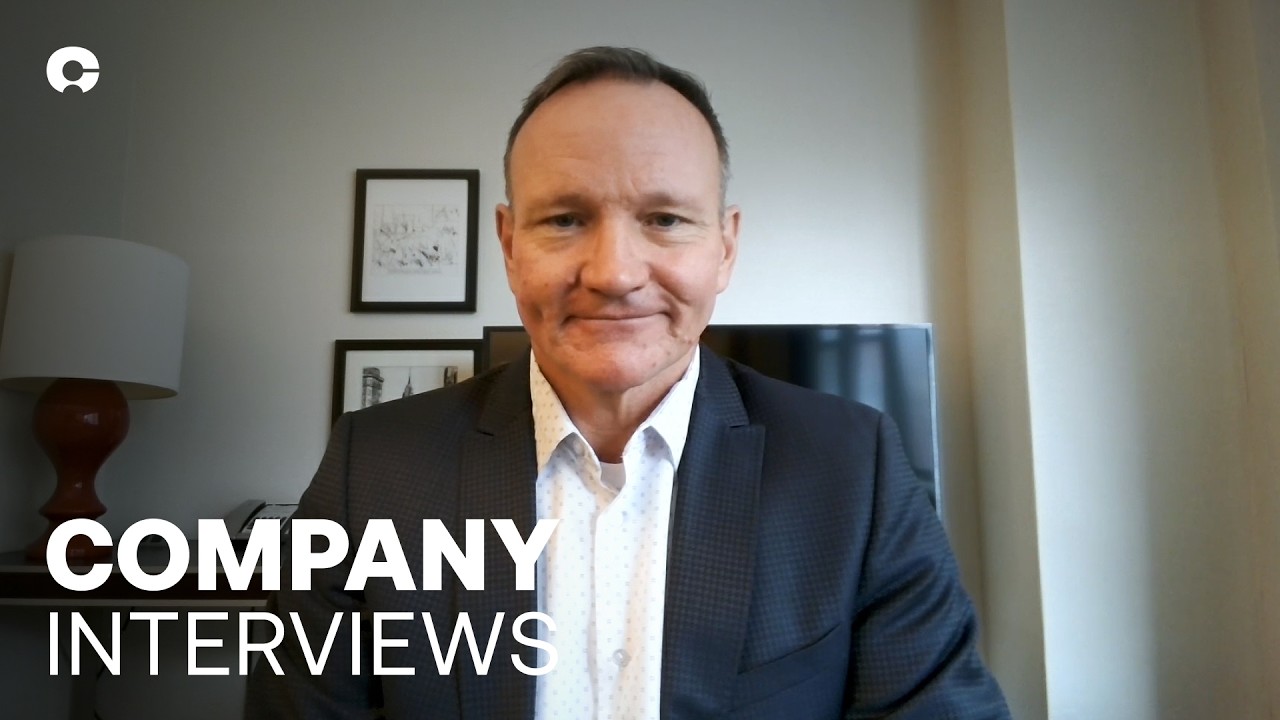
On spending, Carter said the project remains close to its original budget under the Preliminary Feasibility Study (PFS) while flagging potential to expand the scope of the starter operation. Carter, on the state of the budget:
"We're still largely on budget in terms of the original scope of the PFS. We've identified some opportunities to upsize this initial phase one operation, and we'll be giving some guidance on that in the future weeks and months."
That budget discipline sits alongside an equally active push to grow the district's resource base.
Exploration Beyond the Starter Pit
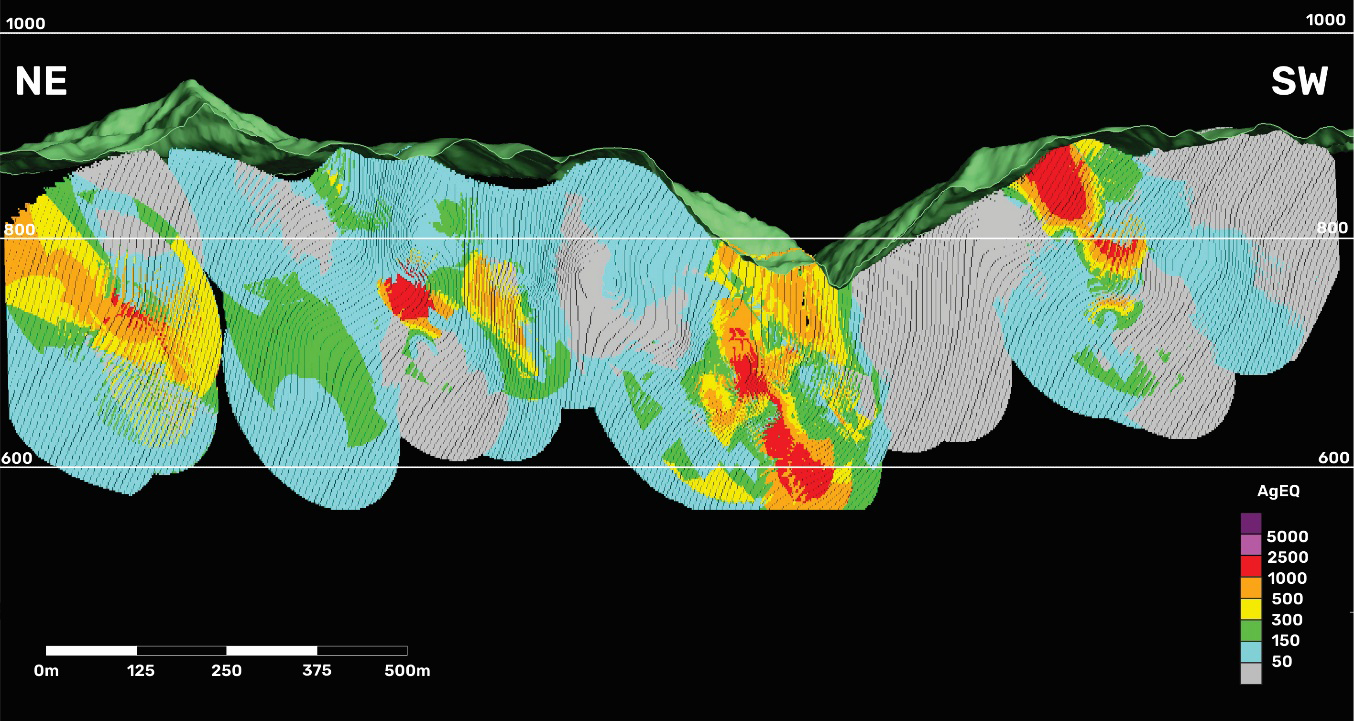
Construction is not the only workstream running at pace. Split between diamond and RC platforms, 6 drill rigs are testing targets across the district, generating what management described as a steady stream of drill news through the remainder of the year. The company is currently modeling 6 gold deposits for its next district-wide resource update, up from 3 in its previous estimate, with results targeted before the end of 2026. Beyond the modeled deposits, Cabral has identified more than 50 untested targets across the property, including boulder fields returning average grades of roughly 3 ounces per ton.
This is the rationale behind the company's broader strategy: using near-term cash flow from the low-cost oxide starter operation to fund continued drilling across a district management believes could support as many deposits again beyond the 6 currently being modeled.
What It Means for Shareholders
Two catalysts stand out for the remainder of 2026: commercial production, targeted for the fourth quarter, and the year-end district-wide resource update. Both are now backed by concrete progress rather than plans still on paper. As of July 10, 2026, Cabral's share price stood at just over C$1.09, having held up relative to many junior gold peers despite a broader pullback in gold prices tied to conflict in the Middle East. MG's infill drilling is complete, commissioning is entering its final phase, and a new exploration head is already in place to drive the resource work forward. With de-risking largely behind it, the company's near-term narrative now rests on execution.
FAQs (AI-Generated)
Analyst's Notes





Subscribe to Our Channel





Stay Informed






















