




Canada’s Mine Electrification Push Highlights Salt Projects’ Lower Diesel Exposure


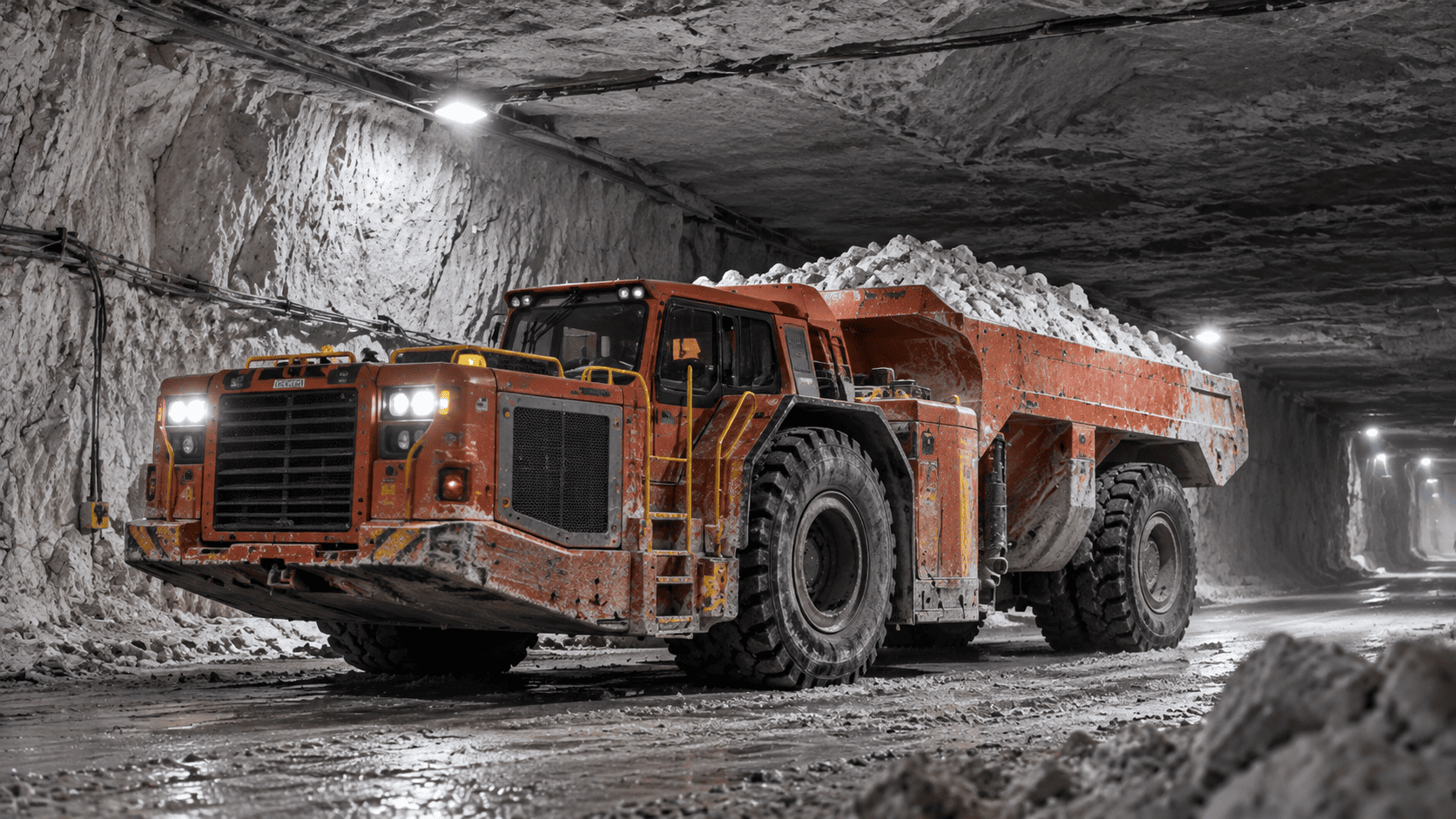
US salt import reliance reached 31% in 2025, highlighting opportunities for electric mine designs to reduce diesel exposure and improve cost predictability.
- Canada committed C$19.6 million in June 2026 to five mining decarbonization demonstrations, including electric-fleet and ventilation projects aimed at reducing diesel consumption and underground energy costs.
- US Geological Survey (USGS) estimated that highway deicing accounted for 37% of US salt consumption in 2025, highlighting a major market for salt developers seeking to reduce future diesel-price exposure.
- Battery-electric mining equipment reduces diesel dependence and exposure to fuel-price volatility while lowering exhaust and heat generation, potentially reducing underground ventilation costs and supporting more stable operating margins.
- Electric salt mine designs reduce direct diesel-price exposure by shifting energy demand toward electricity, while low-emission grid power supports cleaner operations and greater long-term energy-cost predictability.
- Developers that account for electricity costs, charging infrastructure, and battery replacements in their mine plans can improve long-term cost predictability and limit unexpected pressure on operating margins.
Canada’s C$19.6M Funding Tests Electric Fleet Economics
On June 26, 2026, Natural Resources Canada (NRCan) announced C$19.6 million through its Energy Innovation Program (EIP) for five mining decarbonization demonstrations, including electric equipment and ventilation technologies aimed at reducing underground energy consumption. The funding includes C$5 million for the C$10.2 million Evolve initiative, which is testing battery-electric fleet productivity, charging requirements, and equipment utilization to assess the economics of replacing diesel-powered equipment.
Canada's June 2026 funding package also includes C$5 million for a separate underground mining project designed to replace diesel vehicles with battery-electric equipment and install charging infrastructure. The initiative aims to reduce diesel consumption and improve operating efficiency, providing another example of how electrification could reduce fuel-price exposure in future salt mine developments.
Diesel’s 69% Price Rise Highlights Underground Fuel-Cost Risk
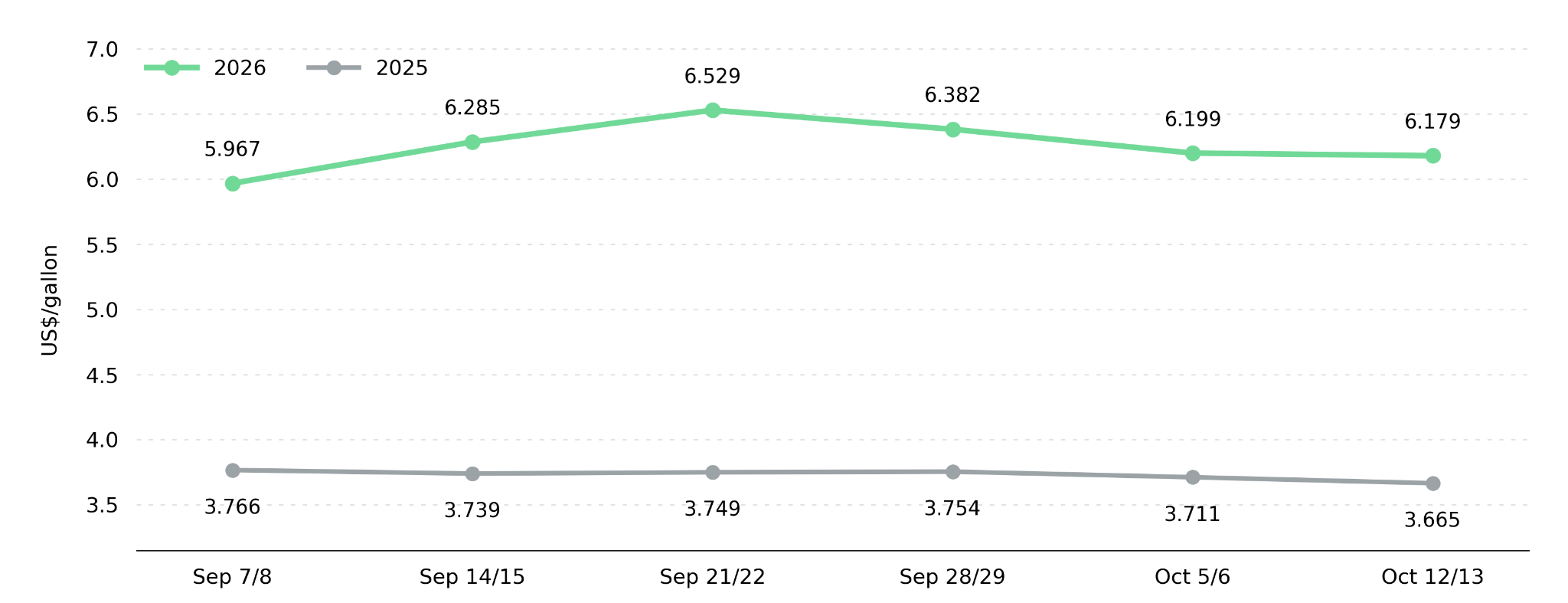
The US Energy Information Administration (EIA) recorded an average US on-highway diesel price of US$6.179 per gallon for the week of October 12, 2026, up approximately 69% from US$3.665 a year earlier. The increase highlights the fuel-price volatility that electric mine designs can help address by replacing diesel consumption with electricity demand.
37% Rise in US Salt Imports Highlights Supply Opportunities
USGS estimated US salt production at 40 million metric tons in 2025, with highway deicing accounting for 37% of consumption. A completed Canadian underground gold-mining demonstration showed how electric fleets can reduce fuel consumption, with NRCan reporting that a near-full battery-electric fleet eliminated 1.6 million liters of diesel use annually. Combined with reduced ventilation and heating energy consumption, the project achieved a 40% reduction in greenhouse gas emissions from baseline operations.
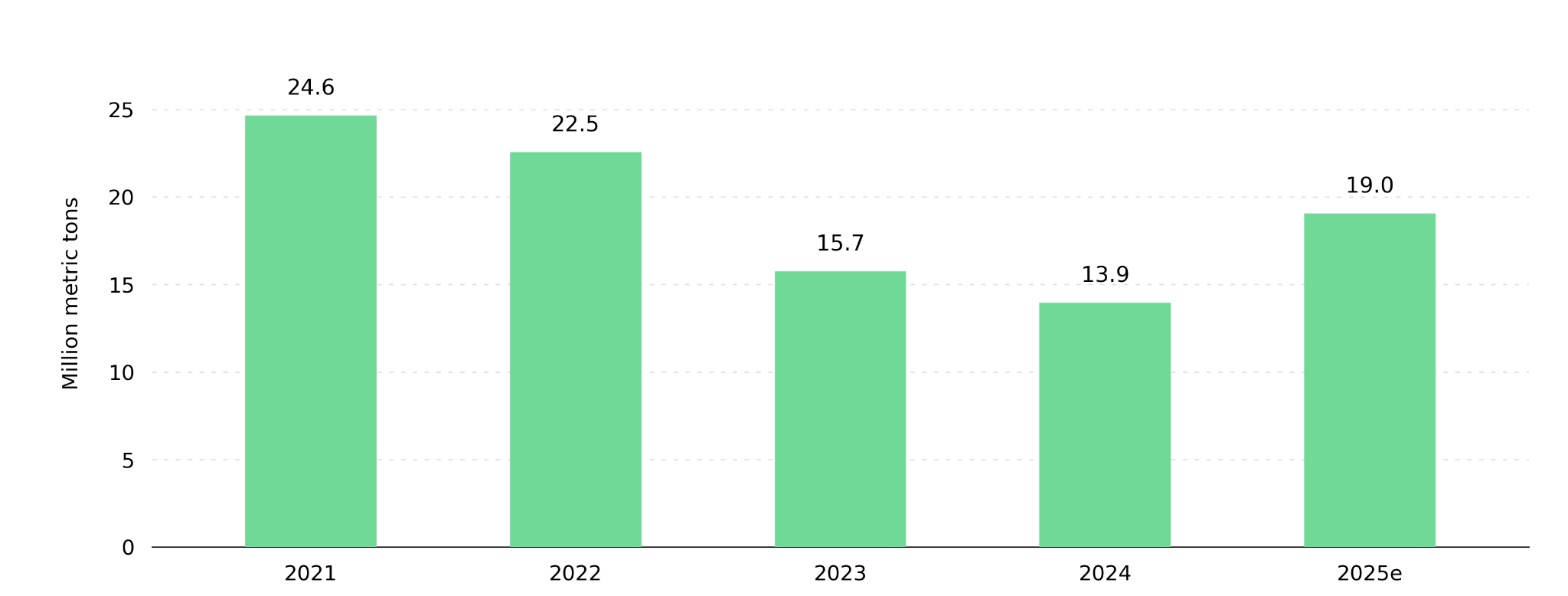
US salt imports increased from 13.9 million metric tons in 2024 to an estimated 19 million in 2025. Net import reliance rose from 23% to 31% of apparent consumption, highlighting the scale of the US import market available to future North American salt projects. Electric mine designs could help these projects serve future demand with reduced diesel-price exposure and greater long-term operating-cost predictability.
Ventilation Expenses Increase Potential Savings From Energy Recovery
NRCan identifies underground ventilation requirements as accounting for 30% to 40% of mine operating costs. By reducing diesel exhaust and equipment heat, electric underground fleets could lower ventilation energy requirements, creating potential cost savings beyond fuel consumption.
Canada's June 2026 mining investment program includes C$2.17 million for an underground ventilation energy-recovery demonstration designed to reduce heating requirements and natural gas consumption. For future salt developments, similar technology could lower ventilation heating expenses, with potential savings depending on mine design, heating requirements, and energy costs.
Grid-Powered Mine Designs Reduce Diesel Exposure
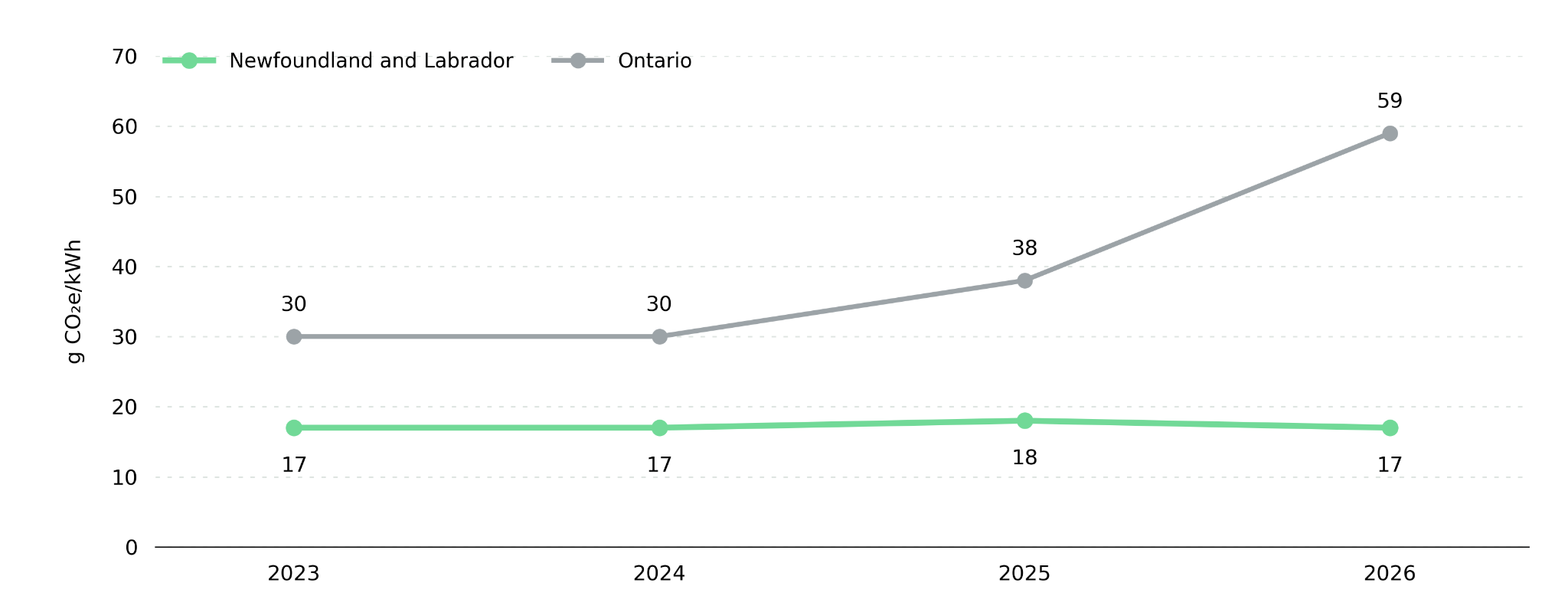
Replacing diesel equipment reduces fuel dependence while shifting energy demand toward electricity, making grid emissions and power costs important to mine economics. Environment and Climate Change Canada (ECCC) reports a 2026 electricity emissions factor of 17 grams of carbon dioxide equivalent per kilowatt-hour for Newfoundland and Labrador, compared with 59 grams in Ontario and 438 grams in Alberta. This comparatively low emissions intensity strengthens the environmental case for fully electric salt mine designs in Newfoundland and Labrador.
Atlas Salt is advancing its Great Atlantic Salt Project with a planned fully electric mine design supported by an expanded nonbinding memorandum of understanding with Sandvik covering approximately C$132 million in proposed equipment and services. In September 2026, the company advanced its financing plans through a nonbinding letter of interest for up to C$79 million in equipment financing, potentially supporting the deployment of electric mining equipment designed to reduce diesel dependence and ventilation requirements.
Nolan Peterson, Chief Executive Officer of Atlas Salt, explains how rising diesel prices affect mining costs:
“We read reports that diesel costs are up and we see how that might affect other mining companies or general common citizens, but also people have to start thinking about how that would affect the salt industry. They're still mining using diesel equipment. Except we wouldn't, but they are. That cost has to be transferred on.”
Energy-Price Volatility Raises Focus on Long-Term Salt Margins
US reliance on imported salt highlights the market available to future North American developments, while recurring road deicing demand reinforces the importance of reliable supply. With diesel prices subject to sharp fluctuations, energy-cost exposure becomes an important consideration for long-life underground mines. Projects designed around electric equipment can reduce dependence on diesel from the outset, supporting greater predictability in future mining expenses.
Canada's investment in mine electrification reflects a broader industry effort to reduce fuel consumption and underground energy requirements. Access to low-emission grid electricity further supports the transition toward electric mine designs. Developers controlling energy costs during initial mine planning can improve operating-cost predictability and support more resilient margins as energy markets change.
The Investment Thesis for Salt
- Canada's mine-electrification funding supports testing of electric-fleet productivity and charging requirements, providing data that can inform operating-cost estimates for future salt mine developments.
- Projects designed around electric fleets can reduce direct exposure to diesel-price volatility compared with diesel-powered operations, supporting more predictable future fuel-related costs.
- Electric underground fleets generate less exhaust and heat than diesel equipment, potentially reducing ventilation energy costs and supporting stronger operating margins.
- Low-emission grid electricity reduces electricity-related emissions, while competitive power rates and reliable supply support operating-cost control and consistent mine production.
- Developers with defined equipment plans and capital budgets provide a clearer basis for assessing future operating costs and financing requirements.
- Reduced diesel consumption limits fuel-price exposure, while total operating costs per tonne determine how electrification contributes to long-term salt mine margins.
Canada's push toward mine electrification highlights the growing importance of energy-cost management in long-term salt mine economics. Electric mine designs can reduce diesel-price exposure and ventilation expenses, while low-emission electricity supports cleaner production. Developers integrating these advantages from the outset can improve operating-cost predictability and support more resilient margins through changing energy-market conditions.
TL;DR
Canada's C$19.6 million mining decarbonization investment is advancing electric-fleet testing as diesel prices rose approximately 69% year over year in October 2026. US salt imports reached an estimated 19 million metric tons in 2025, highlighting the scale of the market for future North American developments. Battery-electric fleets can reduce diesel-price exposure and ventilation energy requirements, while low-emission electricity supports cleaner operations. Atlas Salt's planned fully electric Great Atlantic Salt Project reflects this development approach. Competitive electricity costs and efficient charging schedules remain important to equipment productivity. Together, these factors can improve operating-cost predictability and support more stable margins for long-life salt projects.
FAQs (AI-Generated)
Analyst's Notes





Subscribe to Our Channel




.png)

Stay Informed


