




DRC Supply Pushes Cobalt Payables to 67%, but the 10,700-Tonne Deficit Remains


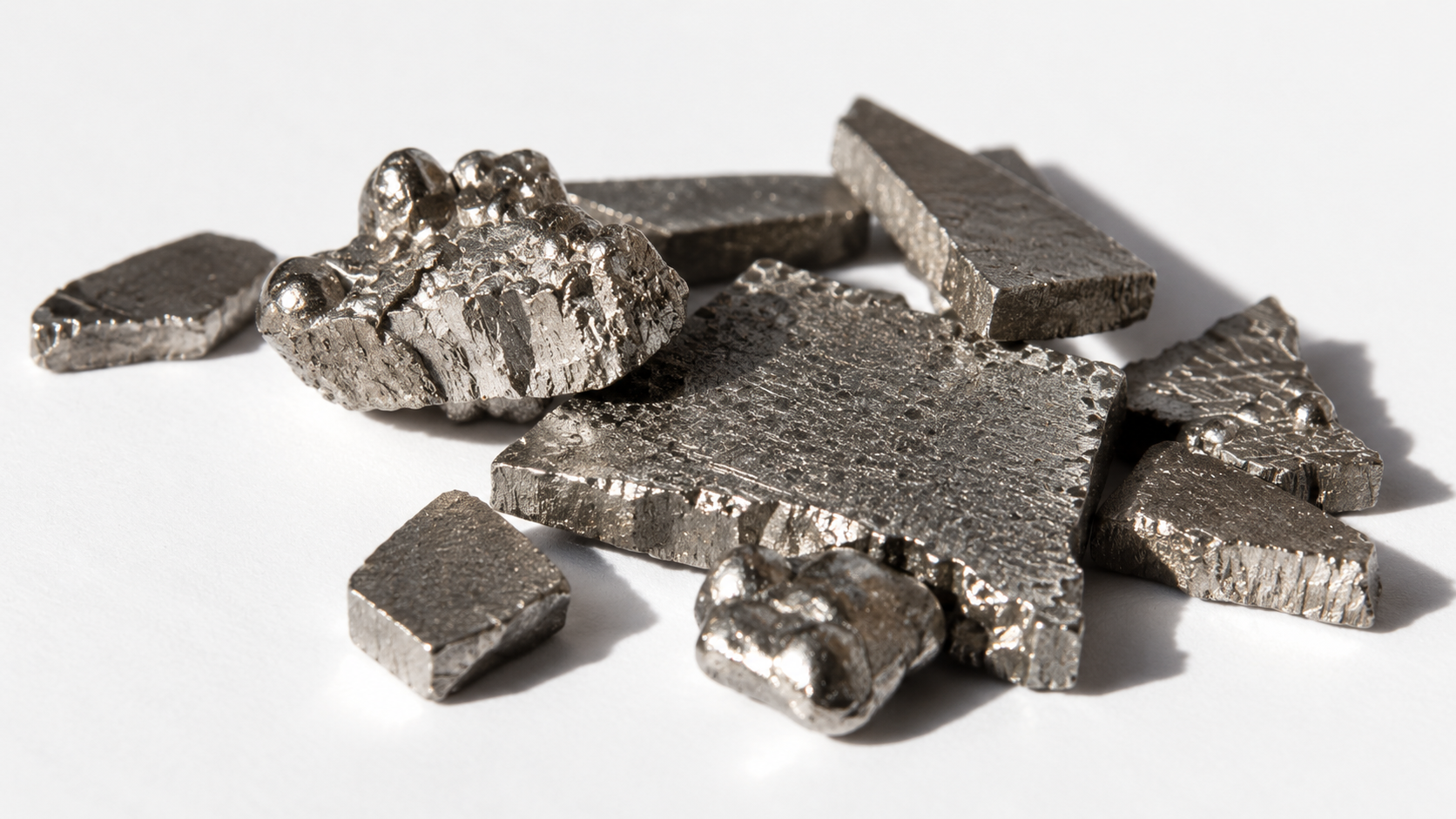
DRC cobalt supply pushes payables to 67%, but a 10,700-tonne 2026 deficit and tight inventories keep the contrarian supply case intact.
- On Sept. 4, 2026, Chinese battery makers cut cobalt payables on Indonesian MHP to 67% at CATL's Brunp and about 70% at CNGR from about 90% in early August, reducing producer cobalt revenue by up to 23 percentage points.
- As of Sept. 4, 2026, the DRC's 2025 export ban had driven cobalt hydroxide prices more than fourfold, while its 96,600-tonne annual quota was reaching Chinese ports and restoring some supply.
- Fastmarkets modeled a 10,700-tonne 2026 cobalt deficit on Jan. 21, 2026, so September's payable decline does not by itself show that the supply shortfall has closed.
- On Sept. 3, 2026, China spot lithium prices reached $23,161/tonne, up 37% YTD and 29% above J.P. Morgan's $18,000 fourth-quarter 2026 target, showing how quickly battery-metal pricing can exceed forecasts.
- A confirmed quota increase above 96,600 tonnes, especially if payables remain below 75%, would show supply pressure is receding and weaken the contrarian cobalt thesis.
DRC Quota Inflows Push Cobalt Payables Below 70%
Reuters reported that Chinese battery makers cut cobalt payables on Indonesian MHP to 67% at CATL's Brunp and about 70% at CNGR from about 90% in early August, reducing the value paid for cobalt content by up to 23 percentage points. Xiamen Xiangyu also supplied Brunp at about 75%, showing lower payable terms were spreading across transactions.
Payables near 90% had been supported by DRC export restrictions that reduced available cobalt supply and strengthened producer bargaining power. The 23-point decline pressures cobalt revenue for Indonesian HPAL producers, but lower payables alone do not show that the underlying cobalt supply deficit has closed.
96,600-Tonne Quota Restores Exports While Cobalt Inventories Stay Tight
The DRC produces roughly three-quarters of global mined cobalt. The DRC imposed an export ban after oversupply pushed cobalt from a 2022 peak of $82,000/tonne to about $20,000/tonne. The ban was replaced by a 96,600-tonne annual export quota for 2026-2027, about half of 2024 shipments, while tighter supply pushed cobalt hydroxide prices more than fourfold by April 2026.
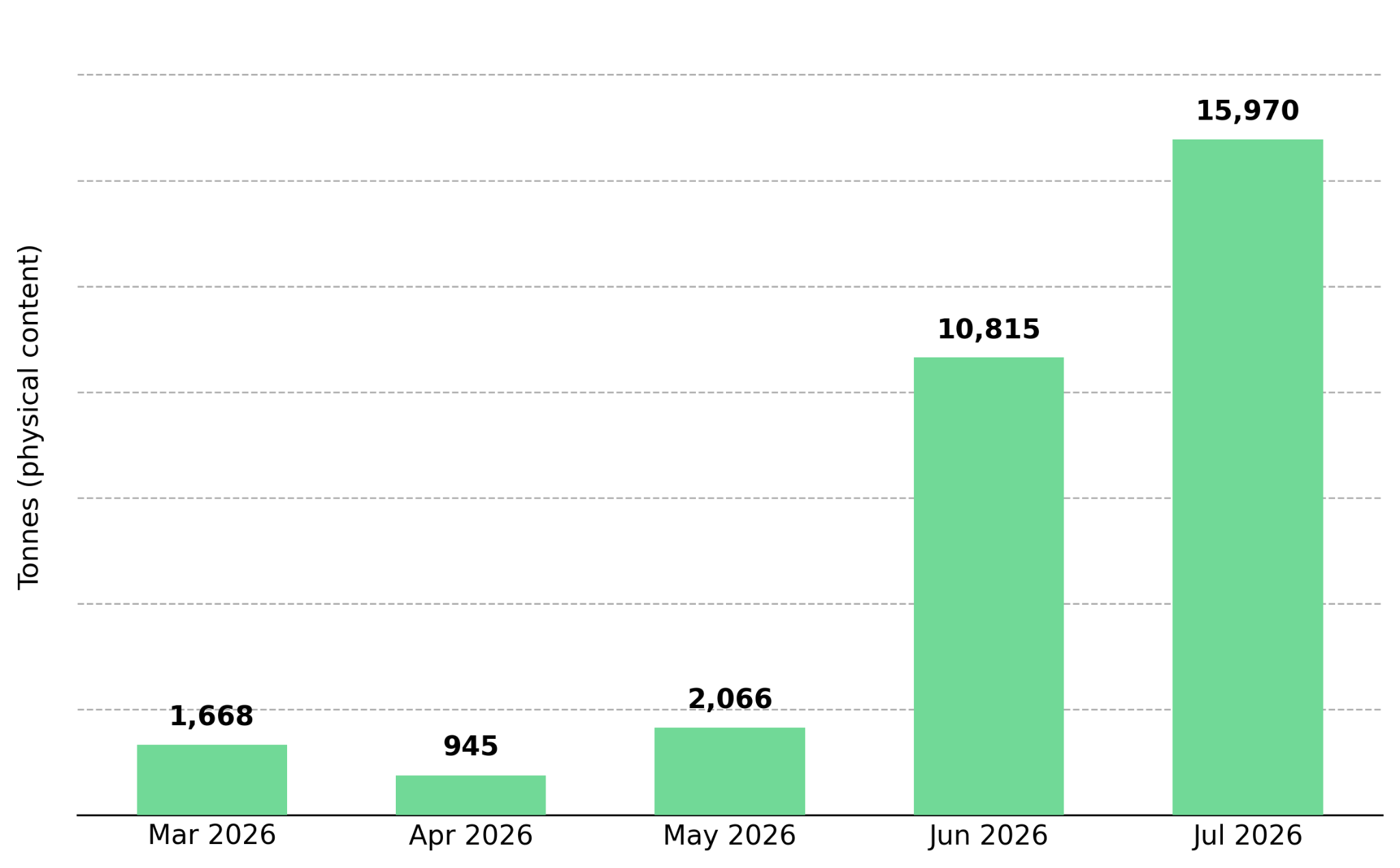
Even as quota-approved supply reaches China, Benchmark Mineral Intelligence projects ex-DRC cobalt inventories falling to about one month of demand by the fourth quarter of 2026. China's cobalt-intermediate imports from the DRC reached 15,970 tonnes in July, the highest since June 2025 but still 67% below July 2024. Higher imports therefore signal recovering supply, but not enough to confirm that the cobalt shortage has ended.
3,000-Tonne Monthly Indonesian Supply Keeps the Cobalt Deficit Intact
Rob Searle, senior battery raw materials analyst at Fastmarkets, said cobalt had risen roughly 70% since June 2025, which he viewed alongside lithium and nickel gains as evidence that the battery-metals correction was ending. Searle added that Indonesian MHP cobalt exports to China are limited to about 3,000 tonnes a month, too little to replace missing DRC supply even as lower payables pressure producer revenue.
Lower HPAL Margins Raise Curtailment Risk, Threatening Future Cobalt Supply
Indonesian nickel-cobalt HPAL producers are hit first because cobalt is a by-product credit, and a fall in payables from 90% to 67% cuts that revenue by about 26%, potentially forcing higher-cost operators to reduce output. Diversified battery-metals and EV-supply-chain funds can therefore face indirect exposure to weaker HPAL margins.
Rob Searle, senior battery raw materials analyst at Fastmarkets, said the battery-metals correction was ending, supporting a contrarian view that lower payables should be separated from any change to the DRC's 96,600-tonne export quota. The contrarian case remains stronger while the 96,600-tonne quota holds and the cobalt deficit persists, while a higher quota or narrowing deficit would weaken it.
What Could Break Cobalt’s 10,700-Tonne Deficit Thesis
Fastmarkets modeled a 10,700-tonne 2026 cobalt deficit, while Benchmark Mineral Intelligence projects ex-DRC inventories falling to about one month of demand by the fourth quarter. Rob Searle, Senior Battery Raw Materials Analyst at Fastmarkets, links cobalt's roughly 70% rise since June 2025 to a broader battery-metals recovery.
Payables at 67% at CATL's Brunp and about 70% at CNGR cut Indonesian producer revenue but do not show the deficit has closed. Lower payables could also push higher-cost HPAL producers toward curtailment, tightening supply further. The thesis would weaken if the DRC raises its 96,600-tonne quota, ARECOMS releases its 9,600-tonne reserve, or cobalt hydroxide stays below $24.85/lb. Until then, tight inventories support the contrarian cobalt case.
Analyst's Notes





Subscribe to Our Channel







Stay Informed


