




New Oil Discoveries Give Türkiye a Growth Path Beyond Higher Prices


Türkiye’s oil expansion depends on funded exploration, drilling results, and costs that support profitable production across oil-price scenarios.
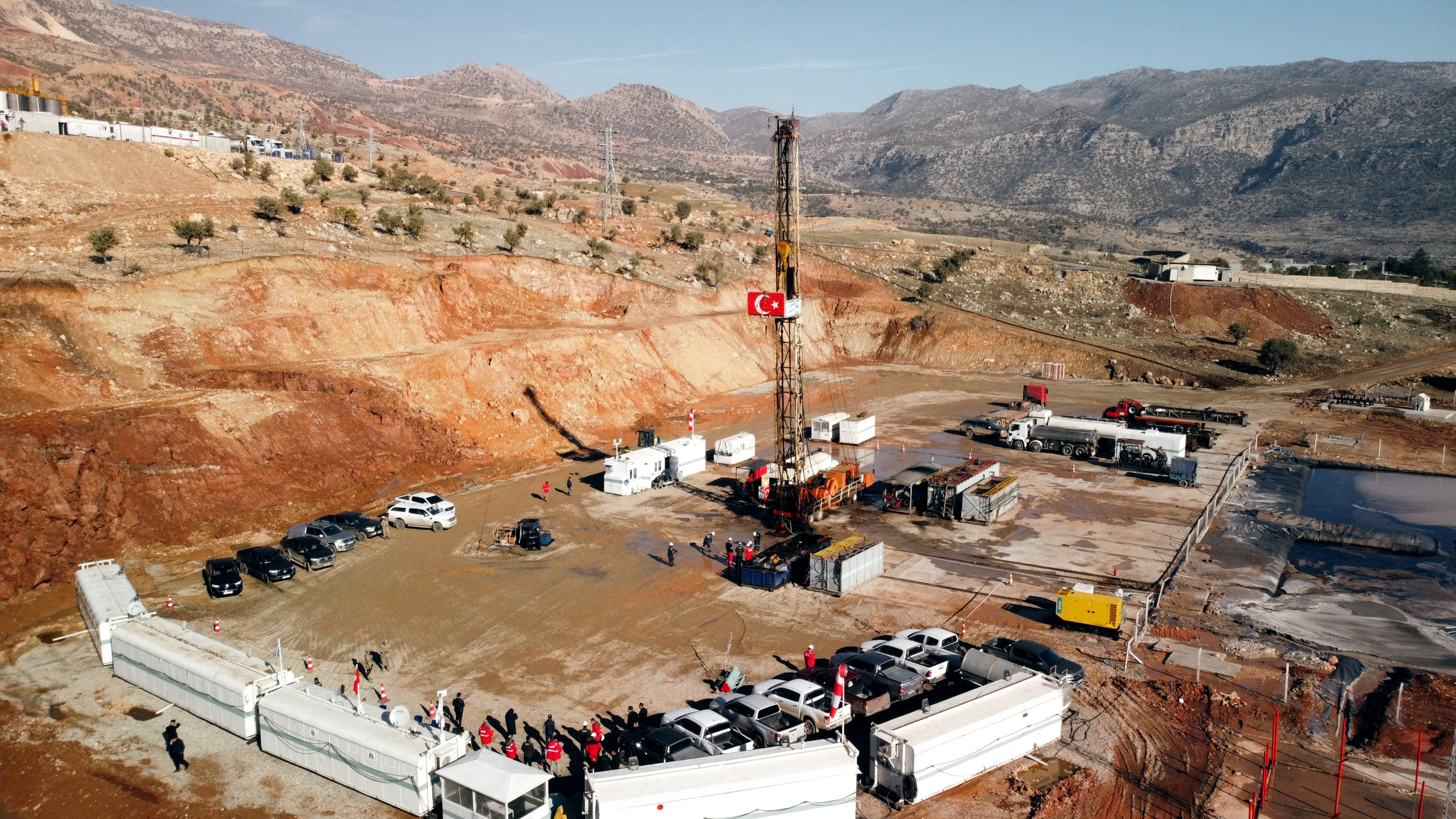
- New discoveries support Türkiye’s target to lift Gabar oil production from approximately 85,000 barrels per day to above 100,000 in 2027, expanding prospective onshore supply.
- Regional oil production confirms hydrocarbons are present, while project-specific drilling and testing are needed to assess recoverable volumes, development requirements, and potential returns.
- Seismic interpretation helps explorers define drilling targets, providing geological information to guide capital commitments before funding additional wells.
- Payment schedules identify when explorers need capital, while available funding determines whether they can complete the next phase of exploration.
- A recovery in global oil supply could increase competition among new projects, making development costs, production timing, and potential returns at lower oil prices central to project selection.
New Onshore Discoveries Expand Türkiye’s Oil Supply Options
New onshore discoveries give Türkiye additional opportunities to expand domestic oil supply. Their commercial contribution depends on recoverable volumes, achievable output, and the cost of bringing projects into production.
In its October 20, 2026 statement, Türkiye’s Ministry of Energy and Natural Resources (MENR) reported Gabar production of approximately 85,000 barrels per day and a target above 100,000 barrels per day in 2027 through new discoveries. Its October 18 update also reported discoveries that could increase Adıyaman’s production by approximately 50% to 15,000 barrels per day.
The International Energy Agency (IEA), in its Türkiye 2026 Energy Policy Review published September 4, 2026, describes national plans to increase domestic oil production from 125,000 barrels per day in 2025 to 210,000 in 2028. These remain planned additions to supply, with individual projects determining how much production can be delivered.
Seismic Interpretation Guides Spending Before Oil Drilling
Seismic interpretation helps explorers select drilling targets before committing capital to wells. Defined work programs and payment schedules identify the planned activities and when capital is required, allowing funding to be assessed through the next drilling decision.
Dune Oil’s October 15, 2026 update reported US$200,000 advanced toward an estimated US$600,000 net seismic budget at M47 in Türkiye. The results are intended to guide drilling locations for the planned 2027 work program. Under the revised project earn-in agreement, a further US$4.1 million payment for initial 2027 post-seismic work is due by November 15, 2026, with no further payments under that agreement due until November 15, 2027.
Scott Lower, President of Dune Oil, explains the oil price used for project benchmarking:
“We're benchmarking in the 70-72 dollar range because that is a conservative pre-war number.”
Recovering Global Supply Raises the Importance of Oil Project Costs
Future oil prices determine the revenue available to recover development spending and fund operations. Discoveries capable of supporting production at competitive costs could retain commercial value under a lower-price scenario.
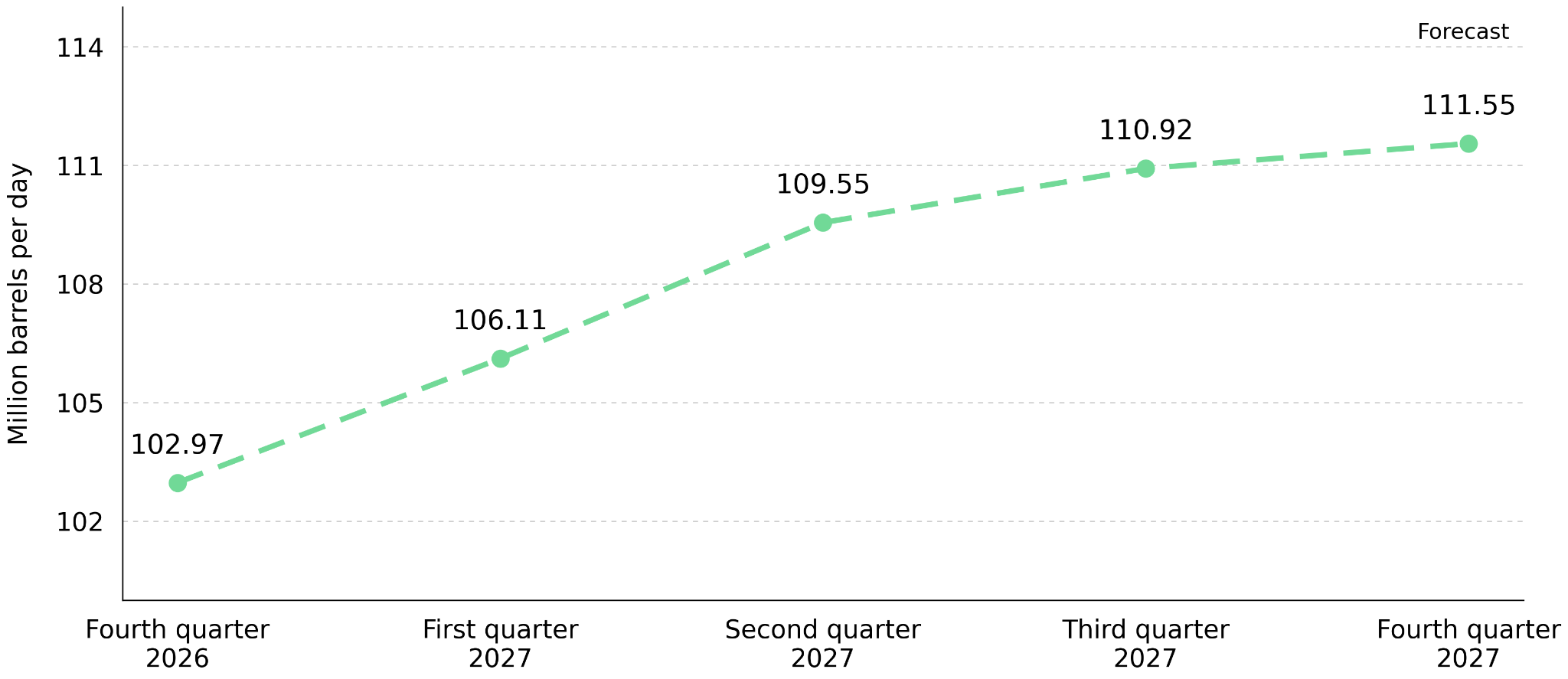
The IEA’s October 14, 2026 Oil Market Report (OMR) forecasts global oil supply growth of 7.7 million barrels per day in 2027, compared with demand growth of 2.0 million barrels per day. This supply rebound would follow a projected decline of 5.8 million barrels per day in 2026, although renewed attacks on Gulf energy infrastructure could interrupt the recovery.
Lower Oil Price Forecasts Increase the Value of Cost Discipline
The US Energy Information Administration (EIA) forecasts Brent crude spot prices averaging US$105 per barrel in the fourth quarter of 2026 and US$74 per barrel in the fourth quarter of 2027. The forecast assumes most Middle Eastern production returns to pre-conflict levels by the end of the second quarter of 2027, with subsequent inventory rebuilding contributing to lower prices.
Project Development Determines Türkiye’s Contribution to Future Oil Supply
Türkiye’s regional production targets depend on individual projects reaching commercial production. Estimates of recoverable volumes, output over time, and development schedules help assess how much oil those projects could supply and when revenue could begin.
Testing and early operating results can inform decisions on additional wells, allowing expansion spending to reflect observed production rather than an initial flow rate alone.
Transport access and approvals also affect when sales can begin and the cost of delivering oil. Project assessments should identify access rights, delivery charges, and any additional infrastructure spending required to reach buyers.
The Investment Thesis for Oil
- Explorers in producing oil regions can use regional geological evidence to guide target selection. Project-specific drilling and testing are still needed to assess recoverable volumes and potential commercial production.
- Explorers with defined work programs and payment schedules make the timing and purpose of capital requirements clearer. Available cash and confirmed financing should cover the work needed to reach the next drilling decision.
- Developers can add regional oil supply where projected production revenue justifies development and operating costs. Permitting timelines, taxes, royalties, and sales terms affect when revenue begins and how much cash a project retains.
- Producers that generate cash after operating costs, royalties, taxes, and the reinvestment needed to sustain output can fund further exploration or development. Testing that cash flow at lower oil prices helps assess the funding available for growth across the price cycle.
- Explorers and developers should assess potential project cash flows under different oil-price assumptions. A recovery in global supply strengthens the case for testing whether new production could generate positive returns at lower selling prices.
Türkiye’s onshore discoveries offer a route to growth through additional oil production, with value developing as geological evidence supports commercial decisions. Funding for defined exploration work allows technical results to guide larger capital commitments, while competitive development costs help preserve potential returns across oil-price scenarios. The opportunity is to identify projects whose progress toward production can generate value beyond the benefit of higher crude prices.
TL;DR
New onshore discoveries support Türkiye’s plans to expand oil production, with commercial value depending on recoverable volumes, funding, and development costs. Dune Oil’s seismic work at M47 is intended to guide drilling locations for its planned 2027 program. Forecasts of recovering global supply and lower Brent prices make project economics across oil-price scenarios central to assessing potential returns. The opportunity lies in exploration progress that supports commercially viable production, with larger capital commitments guided by drilling results, achievable output, and the costs of bringing oil to market.
FAQs (AI-Generated)
Analyst's Notes





Subscribe to Our Channel

Stay Informed


