




Fed Signals More Hikes, Keeping Gold Below $4,400 into October



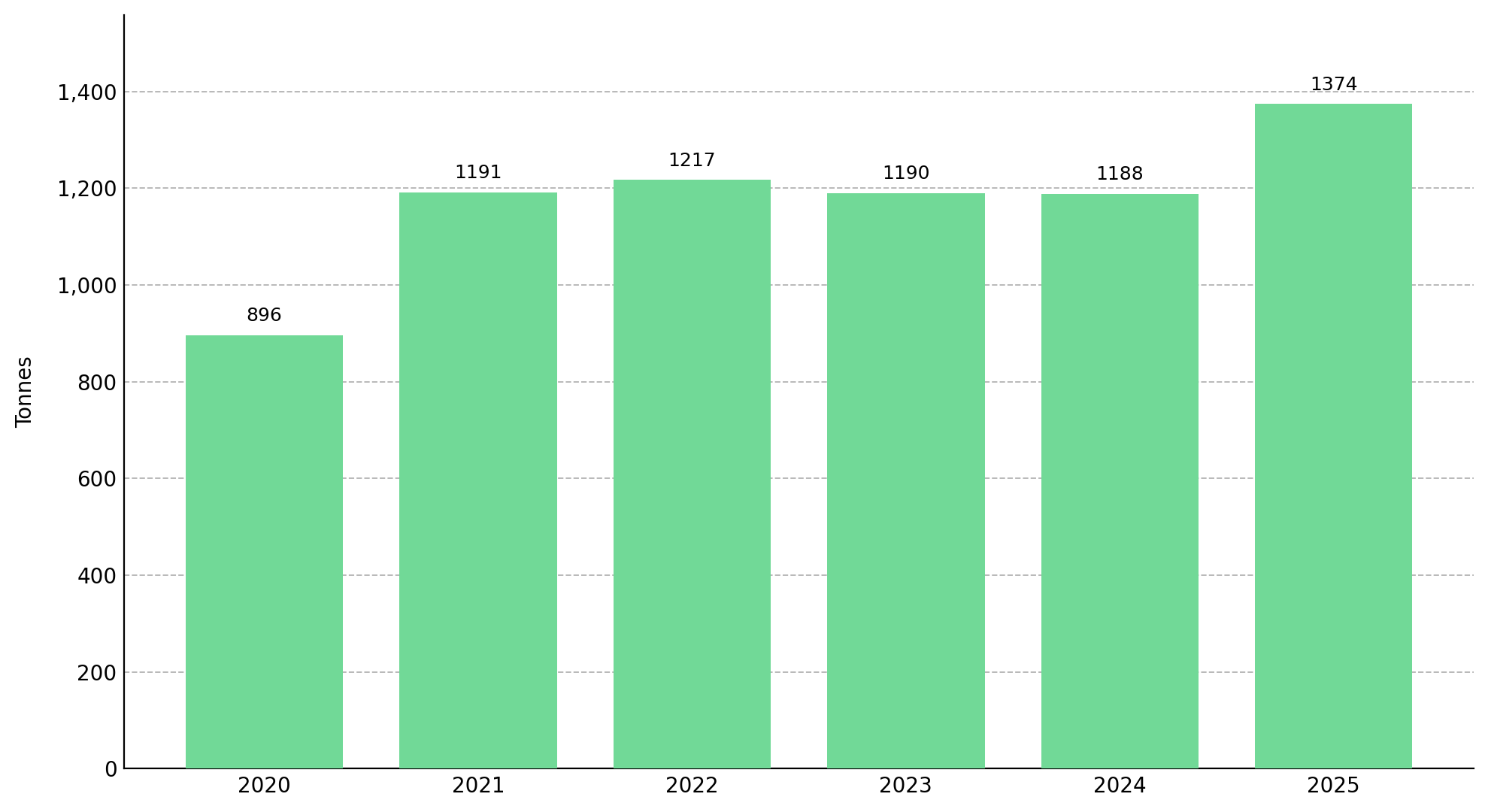
A 12-year high of 1,200 metric tons in bar and coin demand supports gold’s long-term case as higher yields increase near-term holding risk.
- Spot gold held at $4,344.29 an ounce by 0151 GMT on September 22, 2026, while US futures traded at $4,381.80 after the Fed raised rates by 25 basis points and signaled further tightening.
- On September 21, 2026, St. Louis Fed President Alberto Musalem said stronger demand and commodity-price pressures extending beyond oil could require further hikes, raising gold’s opportunity cost against yield-bearing assets.
- A Fed pause on October 28, 2026, could reduce rate pressure and reopen upside above $4,400, while another hike could keep gold within its cited near-term range of $4,300 to $4,400.
- Gold bought near $4,344 on September 22, 2026, carries price-loss risk if real yields rise because physical bullion pays no income to offset a decline.
- The FOMC’s October 28, 2026, statement is the next rate catalyst: a pause could support gold’s recovery, while another hike would extend pressure from yield-bearing assets.
Fed Rate Path Holds Spot Gold Near Record $4,344
Spot gold held at $4,344.29 per ounce at 0151 GMT, while US gold futures traded at $4,381.80. The Fed’s 25-basis-point increase and signal of further tightening raised returns on cash and bonds, holding gold below its 2025 high.
Its stability near $4,344 suggests hedge demand offset part of that pressure, while a Fed pause could reduce the yield constraint and support further gains. Silver, platinum and palladium each rose 0.3%, suggesting broad macro positioning rather than separate supply changes.
Rising Oil & Hawkish Fed Rhetoric Curb Gold's Safe-Haven Bid
The Fed’s 25-basis-point increase raised returns on cash and short-term debt, increasing gold’s opportunity cost. St. Louis Fed President Alberto Musalem said strong demand and a commodity-price shock extending beyond oil could require further hikes, supporting tighter policy into the next meeting.
Oil fell after Iran indicated that the Strait of Hormuz could reopen if the US reduced military pressure, lowering immediate supply concerns. Lower oil could weaken the case for another hike and support gold, while renewed energy gains would raise inflation pressure and extend the rate constraint.
Fed Hawkishness Sets Up a Pivotal October Test for Gold
Chris Weston, Head of Research at Pepperstone, told Reuters that further tightening would likely keep pressure on gold. A second consecutive Fed hike could raise returns on cash and bonds, keeping gold within its cited near-term range of $4,300 to $4,400.
Weaker inflation data or lower energy prices could support a Fed pause, reduce yield pressure and reopen a move above $4,400. The October 28 FOMC statement will indicate which rate path is more likely.
Uncertain Rate Path Raises Risk for Gold Bar and Coin Holders
Gold ETFs and physical bullion bought near $4,344 could lose value if higher real yields redirect capital toward income-producing assets, while gold provides no income to offset the decline. Musalem’s preference for earlier rate increases keeps that risk active into October.
Because the Fed’s next decision remains uncertain, position size is more controllable than market timing. Smaller allocations limit drawdown risk while preserving capital to add if rate-driven weakness creates a lower entry price.
Physical Demand Supports Low-Cost Producers as Rates Pressure Gold
Bar and coin purchases reached a 12-year high of 1,200 metric tons in 2025, providing a demand base that can support gold prices when higher rates limit financial buying. A Fed pause and gold above $4,400 could expand mine margins where costs remain controlled, while another hike would favor producers with low all-in sustaining costs, limited debt and funded capital programs.
The Gold Dealer Assurance Standard could strengthen retail confidence when BSI opens independent audits, targeted for the fourth quarter of 2026. Any demand benefit would reach mining valuations through gold prices, making operating costs, balance-sheet strength and funded development schedules more important than headline resource size.
Analyst's Notes





Subscribe to Our Channel


.png)





Stay Informed






















