




Fitzroy Minerals: Investors Like the Quick to Revenue & Non-Dilutive Funding


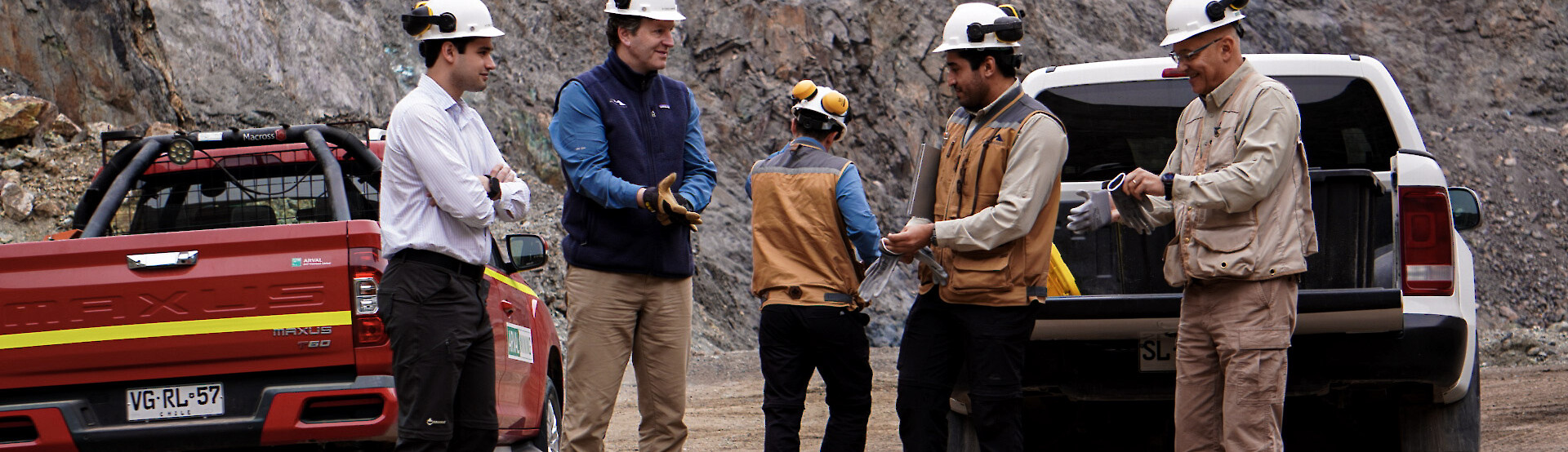
Pucobre can reacquire 30% of Buen Retiro by reimbursing 90% of Fitzroy's eligible expenses, turning the ownership split into a capital allocation choice.
Project Overview
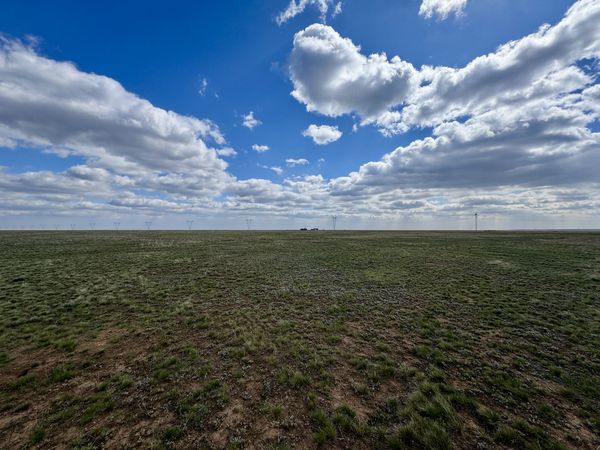
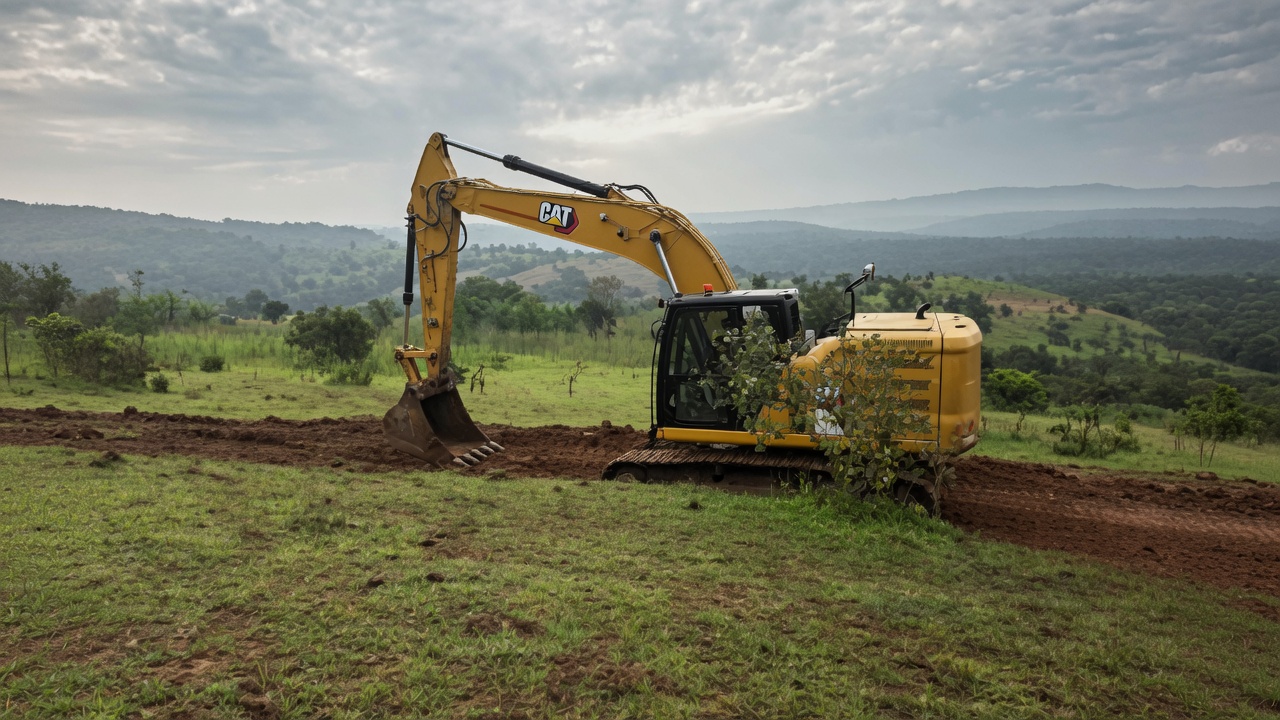
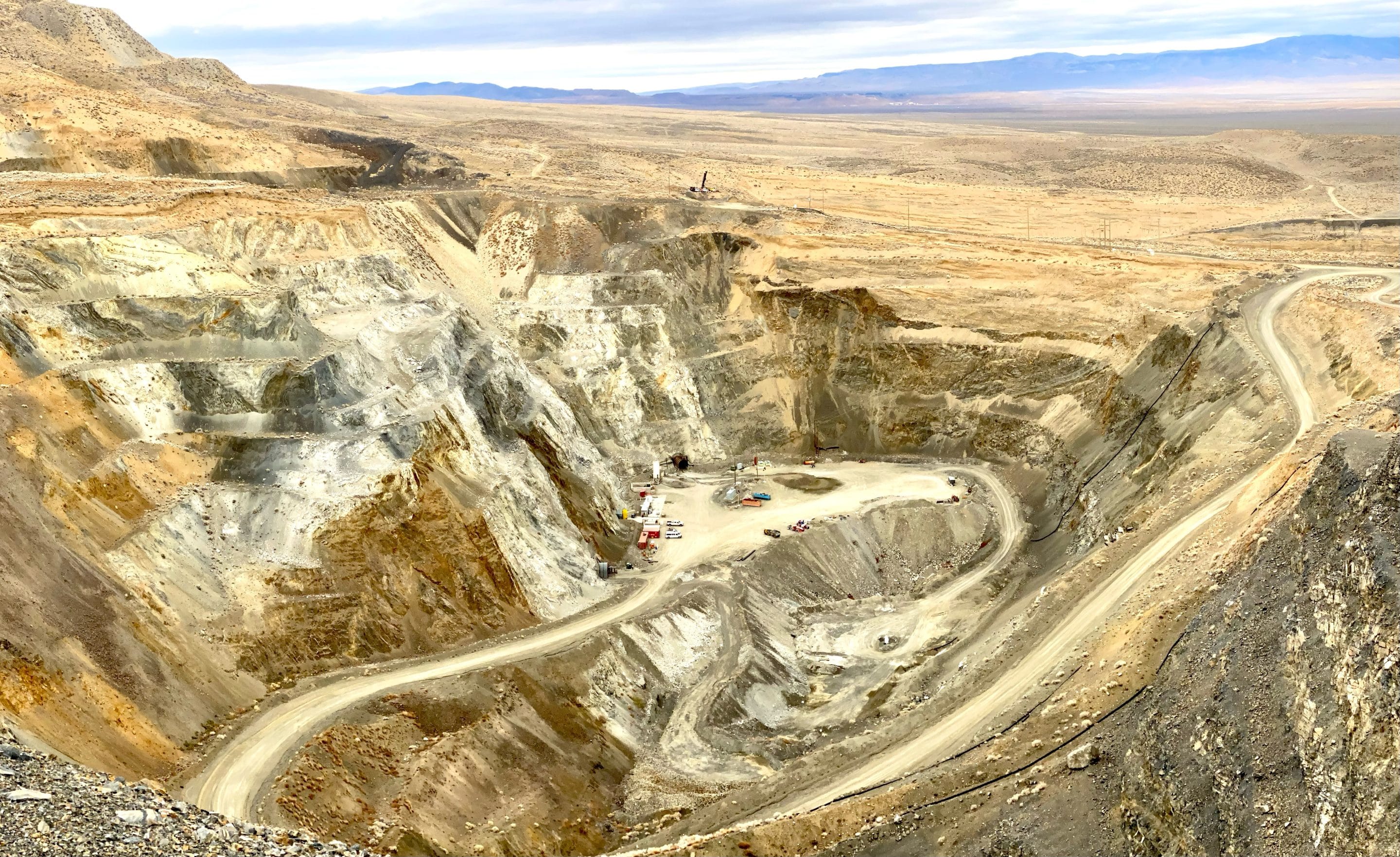
Fitzroy Minerals (TSXV: FTZ | OTCQX: FTZFF | FSE: C3Y) holds an option to acquire 100% of the Buen Retiro copper project near Copiapó, Chile, around 800 kilometres (km) north of Santiago. The property is located near the historically significant Manto Negro open-pit mine, 43 km southwest of Lundin Mining's flagship Candelaria mine and 160 km south of Capstone Copper's expansive Mantoverde mine. Since the start of February 2026, the company has drilled 78 diamond drill holes for 13,036 metres (m), with a further 9,000 m planned in 2026.
The development plan rests on near-surface, leachable material fed to a heap-leach operation, under a letter of intent with Pucobre. That letter also gives the Chilean producer the right to take back 30% of the project, and the attached terms specify what Fitzroy ends up owning.
1. The Claw-Back Structure & the 90% Payback
Pucobre reacquires its 30% by reimbursing Fitzroy's spending rather than by paying an assessed value for the ground. The right is exercisable upon delivery of a technical report, and the payment is fixed at 90% of Fitzroy's eligible expenses, subject to a contractual minimum of US$10.2 million.
The company's own figures for that payment do not rest on a single basis. Management puts the buyback price at around $20 million, while the company projects approximately C$15 million in cash back during 2027. Pucobre's interest is in feeding its nearby plant, which management says is costing the producer money to keep open, and in avoiding the cost of closure.
President and Chief Executive Officer of Fitzroy Minerals, Merlin Marr-Johnson, puts the mechanism plainly:
"In the middle of next year, they can buy back 30%, and the price of that ticket is around $20 million. The deal that we struck with them three years ago was that they could buy back 30% by paying us 90% of everything that we've invested from 2023 to 2027."
Buen Retiro also carries a 2% net smelter return royalty, of which Fitzroy can buy back 1% for US$5.0 million before construction.
2. The Eligible Expense Floor & Its Two Deadlines
The reimbursement is conditional, gated on Fitzroy spending a defined minimum before Pucobre can act. Fitzroy must incur minimum eligible expenses of US$11.3 million, composed of US$7.0 million of exploration and technical work by August 2027, and a US$4.0 million bullet payment plus US$300,000 of legal fees by August 2028. Fitzroy is spending about C$1.4 million per month.
The exercise timing is described in two ways. Management points to exercise in mid-2027, while the contractual outside date for Pucobre to exercise by paying is August 2028. The US$7.0 million exploration deadline of August 2027 falls between those two dates.
3. The Ownership Fork & What Each Outcome Costs
Fitzroy's construction contribution differs sharply between the two ownership outcomes on the table. Retaining 70% of Buen Retiro puts its share of capital at US$42 million. Selling a further 20% (or 19.9%) would take Fitzroy to around 50% and its share to US$30 million. Pucobre has expressed an interest in owning more of the project.
Management says it would not need to sell a full 19.9% to recoup US$30 million, on the view that the asset is highly valuable and that the project's internal rate of return could rise sharply if Fitzroy vends down and avoids raising capital itself. The company reports an attributable interest of 50%-70%, with potential free cash flow starting in 2028.
Marr-Johnson is direct about the basis on which the choice is made:
"It's all about what we own of it, whether it's between 50% and 70%. It's all about dilution and what works on a per-share basis, and we're looking all of the time at what's best for the shareholders."
Neither outcome is fixed by contract. The range between them is what management is still choosing within.
4. Capital Cost & the Conservatism Applied To It
The working capital cost is a partner's estimate, with a management markup added. Pucobre put the heap-leach and solvent-extraction build at US$40 million, and management adds 50% to reach US$60 million.
The largest single element of a heap-leach circuit is avoided altogether. Fitzroy builds the heap-leach and solvent-extraction circuits on-site and uses Pucobre's electrowinning circuit, for which a standalone electrowinning plant would cost approximately US$70 million to build. Planta Biocobre runs at 800 tonnes per month, or 9,600 tonnes per annum, with 80% availability offered to Fitzroy, and is one of three under-utilised plants within a 90-km radius.
The site has road access, a nearby water supply, and nearby power, and Fitzroy is evaluating techniques to produce a soluble concentrate suitable for trucking to the plant. Each of those removes a line item from a build that has not been costed by a study.
5. Financing Routes Under Evaluation
The financing route Fitzroy selects is what will determine the ownership outcome, rather than the other way round. Management weighs vending down up to 19.9% to Pucobre, bridge finance, structured finance products currently being offered, and issuing equity, and says it assesses these on a per-share basis. It says equity could become the lowest cost of capital if a strong drill hole at Caballos lifts the share price.
The treasury behind those options holds C$25 million in cash, with C$28 million in warrant premia projected for 2027, against 327,735,575 shares issued and 402,975,718 fully diluted. Within that mix, the claw-back is a potential route to near-term cash flow without issuing a single share.
Crux Investor and Ptolemy Capital together hold 22% of Fitzroy Minerals.
6. Production, Cost & Margin Yardsticks
Every figure that makes the ownership decision consequential is an explicitly unstudied assumption. Management describes a rule-of-thumb yardstick of 10,000 tonnes per annum of copper over 10 years, calls it a conservative approach likely to increase, and says the numbers have not yet been run. Output could theoretically reach 14,000 tonnes per annum if two other nearby electrowinning plants take feed.
At total costs of US$3 per pound of copper and a copper price of around US$6 per pound, management estimates a margin of US$3 per pound. On that basis, 10,000 tonnes equates to 22 million pounds and US$66 million, of which Fitzroy's share at between half and 70% is US$30 million to US$45 million per annum.
The range that would fund exploration without dilution is, for now, arithmetic laid over an untested flowsheet.
7. Sector Valuation Benchmark & the Attributable Comparison
The valuation comparison rests on a single external benchmark. Management cites a copper sector valuation of approximately US$53,000 per tonne of annual production, based on a UBS copper report from mid-2026.
Applied to 10,000 tonnes per annum, that implies approximately US$530 million, and applied to a 7,000-tonne attributable share, approximately US$350 million. Management puts Fitzroy's enterprise value at around US$85 million, against a market capitalisation of C$154 million as at May 2026. The comparison applies to production that does not yet exist.
A sector figure per tonne of annual output is not a valuation of Buen Retiro. It sets what the market has paid elsewhere for tonnes already being produced, which is the gap the next 12 months of work is meant to close.
8. Work Outstanding Before the Ownership Decision
The information needed to price the ownership choice has not been produced. No mineral resource estimate (MRE) has been completed, and neither a preliminary economic assessment nor a pre-feasibility study has been finished. Metallurgical and recovery results have not been reported, and capital and operating costs remain unverified management estimates.
No secondary-referee laboratory samples were collected in this round of drilling; the company is targeting the introduction of a secondary laboratory at the next stage. Costs may vary significantly from estimates, production rates may vary, and unexpected geological conditions or imprecision in resource estimates or metal recoveries may arise.
The first capital, operating, recovery, and metallurgical figures are targeted for delivery with the environmental submission, which precedes both the resource estimate and the study. Until they land, the ownership decision cannot be taken on anything firmer than a yardstick.
9. The Dated Sequence Into the Build Decision
The decision sits at the end of a sequence in which each step provides an input that the previous one lacked. Completion of the Tenorita definition drill-out is targeted for August 2026, and the environmental submission is targeted for the third quarter of 2026, which management describes as September or October.
The MRE is targeted for the fourth quarter of 2026, and the study for the end of the first quarter of 2027. A build decision is targeted for mid-2027, with first copper production targeted for early 2028.
That sequence puts the resource, the recoveries, and the study in hand before Fitzroy has to commit capital or sell down. The ownership question is the last of those decisions, not the first.
Key Takeaway for Investors
- Pucobre can reacquire 30% of Buen Retiro by reimbursing 90% of Fitzroy's eligible expenses, a price set by what Fitzroy has spent rather than by what the project is appraised at.
- The reimbursement is conditional on Fitzroy first incurring at least US$11.3 million in eligible expenses by two separate deadlines in August 2027 and August 2028.
- Retaining 70% of the project puts Fitzroy's construction contribution at US$42 million, while dropping to around 50% would reduce it to US$30 million.
- The production, cost, and margin figures behind both outcomes are rule-of-thumb yardsticks that management says have not yet been run through a study.
- No mineral resource estimate or economic study has been completed, and no metallurgical results have been reported, so the information needed to price the ownership choice does not yet exist.
The ownership percentage is the one significant variable in this project that management still controls directly, and it will be settled by whichever financing route looks cheapest per share when the study lands. Everything else in the case is waiting on work that has not been done.
Bottom Line
Buen Retiro's economics are not yet established, but its ownership terms are. Pucobre's right to reimburse 90% of eligible expenses lowers what Fitzroy carries for advancing the asset toward a build decision, and the choice between roughly 50% and 70% of the project is a capital allocation decision rather than a fixed contractual outcome. The figures that would make that choice calculable, a resource estimate, metallurgical recoveries, and a study, are targeted for between the third quarter of 2026 and the first quarter of 2027. Until then, the claw-back is the most concrete number in the investment case.
Analyst's Notes





Subscribe to Our Channel






Stay Informed


