




Galena Mechanization Reduces Stope Cycle and Expands Production Potential


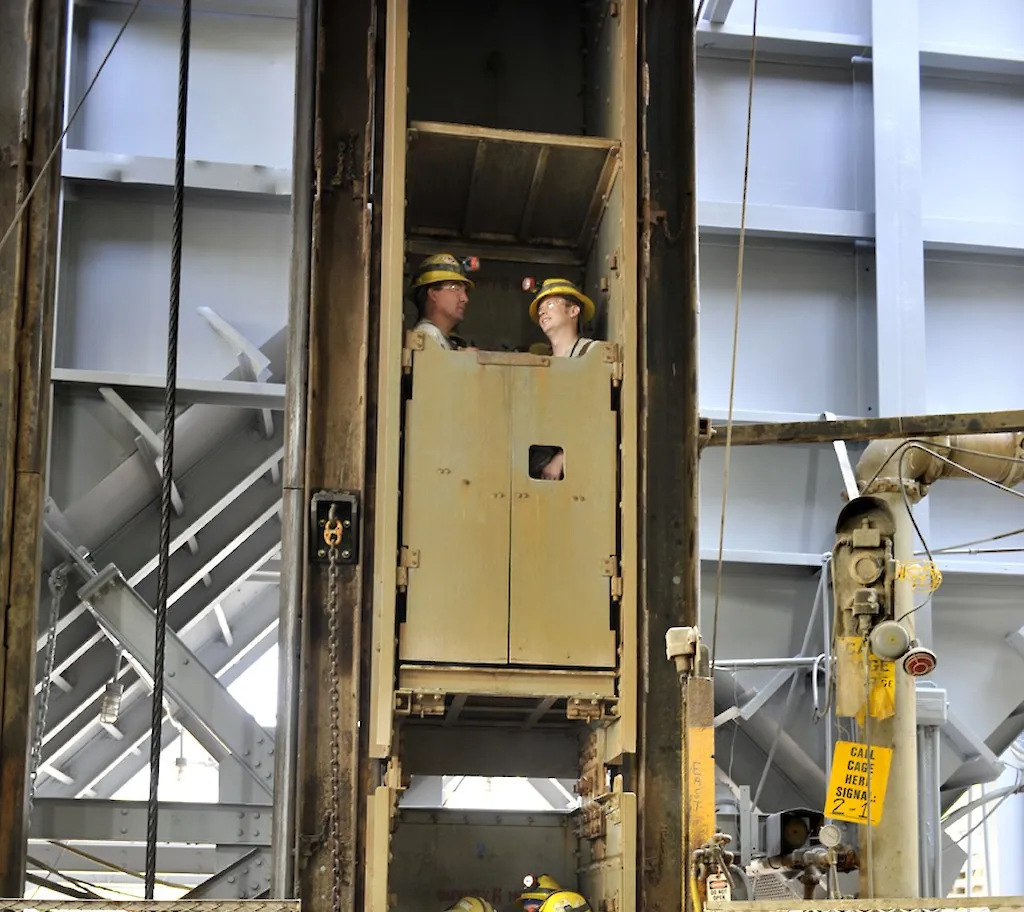
Galena Mine’s shift to mechanized mining cuts stope cycles from 14 months to 28 days, lowering costs by 60% and unlocking production growth for Americas Gold & Silver.
- Galena has transitioned from conventional mining to long-hole mechanized stoping, marked by the successful extraction of its first large-scale mechanized stope following a multi-year infrastructure upgrade program.
- Blast sizes have increased from 30 to 40 tonnes to 7,000 tonnes, while the full stope extraction cycle has been reduced from 12 to 14 months to 28 days, materially improving mining productivity and capital efficiency.
- Mechanization has reduced cost per tonne by approximately 60%, while increased throughput potential toward the mill’s 1,150 tonnes per day capacity provides significant operating leverage.
- A recapitalization program raised nearly US$300 million in debt and equity, reduced more than US$35 million in liabilities, and funded both the Crescent Mine acquisition and key infrastructure upgrades.
- High-grade exploration intercepts near existing underground infrastructure and the company’s exposure to antimony as a critical mineral provide additional growth and strategic supply chain relevance alongside core silver production.
Mechanization Milestone: First Large-Scale Stope Extracted at Galena
The Galena Mine in Idaho’s Coeur d'Alene Mining District reached a key operational milestone with the successful extraction of its first large-scale mechanized stope. The achievement marks the culmination of a multi-year capital program designed to transition the mine from labor-intensive conventional mining to mechanized extraction. The upgrade replaced handheld drilling with long-hole drills and remote-controlled load-haul-dump (LHD) scoops. Supporting infrastructure improvements included installation of a batch plant, expanded development drilling, and rehabilitation of the underground shaft and hoisting systems.
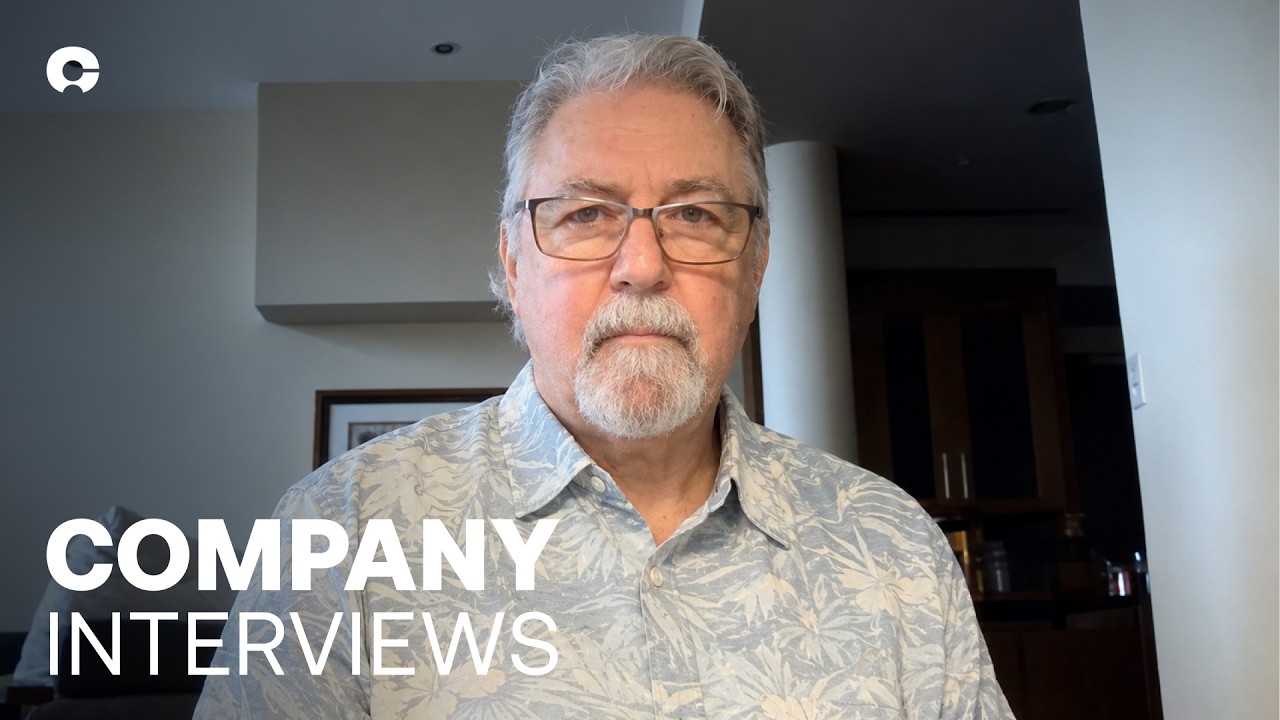
As Chairman and Chief Executive Officer of Americas Gold & Silver, Paul Andre Huet stated:
“12 months ago, this company was very different, and we had to fix the balance sheet. We had to get the mine restored. There were a lot of things we needed to do, and inject capital into our operations, and fix the shaft and the mine. We focus very hard on the silver and changing the mining method and bringing some big drilling this year.”
A central upgrade was the hoist motor, which increased capacity from 1,750 horsepower to 2,250 horsepower and doubled skipping speed from approximately 40 tonnes per hour to approximately 80 tonnes per hour. This improvement removes a key throughput constraint because hoisting speed directly determines how quickly broken rock can be moved to the surface for processing. Under the previous method, blast sizes were limited to 30 to 40 tonnes, and extracting a single stope required 12 to 14 months. The mechanized system now allows a 7,000-tonne stope to be mined in 28 days, representing a major increase in mining productivity and capital efficiency.
Current Production Parameters & Capital Reset at Galena
Galena currently processes 400 to 500 tonnes per day against an installed mill capacity of 1,150 tonnes per day, with an average throughput of 408 tonnes per day, leaving significant operating leverage without requiring new capital. The mine’s average silver head grade of 490 grams per tonne (g/t) ranks as the third-highest-grade silver operation globally and directly influences recoverable metal and revenue per unit of cost. In 2025, Galena also produced approximately 561,000 pounds of antimony, making it the largest active antimony mine in the United States.
A recapitalization program raised nearly US$300 million in debt and equity, reducing more than US$35 million in liabilities while funding the Crescent Mine acquisition and operational upgrades, establishing a pathway toward higher-throughput production.
Mechanization Economics & Strategic Antimony Exposure at Galena
Mechanized long-hole stoping has reduced the cost per tonne by approximately 60% by significantly increasing labor productivity. This larger scale materially lowers unit mining costs even if the absolute cost of each blast is higher. Cycle compression also improves project economics by accelerating revenue generation. Under the previous 12 to 14-month conventional cycle, metal from a stope reached the mill long after capital was committed, while the new mechanized cycle delivers ore within 28 days. Earlier production increases net present value (NPV) because revenue is realized sooner. Antimony production at Galena carries negligible incremental cost, as it is extracted as a byproduct of silver and copper mining; the ore is mined regardless of antimony recovery, meaning the revenue stream accrues with minimal additional cost allocation to that mineral.
The Galena mill carries fixed costs such as maintenance, depreciation, and overhead that are currently spread across relatively low throughput. As mechanization increases production toward nameplate capacity, these fixed costs are distributed across more tonnes, lowering the fixed component of all-in sustaining costs (AISC). The mine has operated for more than 100 years but historically faced capital constraints that limited infrastructure investment and delayed modernization initiatives. Silver represents more than 80% of Galena's revenue, but the asset's mineral profile extends beyond a single commodity.
“We are a silver operator. As you know, we have been producing antimony for a very long time in this district. This mine has been around for 100 plus years.”
Antimony is classified as a critical mineral used in flame retardants, batteries, semiconductors, and defense systems. The planned leaching facility, to be constructed on company land adjacent to the Galena mill in Idaho's Silver Valley through a 51/49 joint venture with US Antimony, would allow domestic processing of antimony concentrate into metal bars meeting U.S. Department of Defense specifications.
Exploration Results: Near-Infrastructure High-Grade Intercepts
Recent drilling at Galena has identified high-grade silver mineralization close to existing underground infrastructure, including intercepts of up to 4,458 grams per tonne (g/t) of silver in the 034 Vein, and 24,913 g/t of silver with 16.9% copper over 0.21 metres in the 149 Vein extension. Americas Gold & Silver reports these veins are up to three times wider and double the historical average grade, which improves the economic potential of future mine feed. Because the discoveries occur near existing development, the capital required to bring them into production is lower than for new discoveries, supporting more efficient resource conversion from inferred resources, which have lower geological confidence, into indicated and measured resources that can ultimately support reserve declarations and influence enterprise value per ounce (EV/oz) valuation metrics.
Valuation Context: Price-to-Net Asset Value Relative to Producing Peers
Americas Gold & Silver trades at 0.74 times Price-to-Net Asset Value (P/NAV), compared to a peer average of 1.04 times, indicating the market applies a discount to the company’s assets. Companies often trade below NAV when investors perceive execution or operational risk, but potential catalysts for re-rating include sustained mechanized throughput, higher mill utilization toward the 1,150 tonnes per day capacity, conversion of exploration results into indicated resources and reserves, completion of the antimony joint venture facility, and continued balance sheet stability following the recapitalization. Ownership concentration is also high, with approximately 70% of shares held by management, institutions, and insiders, including investor Eric Sprott with approximately 14%.
The Investment Thesis for Americas Gold & Silver
- Mechanization has structurally reduced costs per tonne by approximately 60%, reshaping the operating cost profile relative to the historical conventional mining baseline.
- Stope cycle compression from 12 to 14 months to 28 days directly improves capital efficiency by accelerating the conversion of invested capital into produced metal and cash flow while increasing net present value.
- The underutilized mill at an average throughput of 408 tonnes per day against installed capacity of 1,150 tonnes per day provides embedded operating leverage that can be accessed as mechanization increases throughput without proportionate new capital.
- Exploration drilling continues to identify high-grade mineralization near existing infrastructure, including intercepts of up to 4,458 grams per tonne of silver and 24,913 grams per tonne of silver with 16.9% copper, supporting potential conversion of inferred resources to higher-confidence categories that influence enterprise value per ounce (EV/oz) valuation metrics.
- The company trades at 0.74 times price-to-net asset value compared to a peer average of 1.04 times, reflecting residual execution risk that may compress as mechanized production scales, mill utilization improves toward 1,150 tonnes per day capacity, and the antimony refining joint venture advances.
These factors position Americas Gold & Silver as a mechanization-driven turnaround with embedded operating leverage, exploration upside near infrastructure, and strategic exposure to both silver and antimony within a domestic United States supply chain context.
TL;DR
The Galena Mine has undergone a major mechanization upgrade, shifting from manual, small-scale stoping to long-hole mechanized stoping, compressing stope cycles from 12–14 months to just 28 days and cutting unit costs by approximately 60%, while increasing throughput toward the mill’s 1,150 tonne per day capacity. The mine now combines high-grade silver production, near-infrastructure exploration upside, and strategic antimony output for US critical mineral supply. These improvements boost productivity, capital efficiency, and operating leverage, positioning Americas Gold & Silver for growth while maintaining exposure to silver price upside and critical minerals.
FAQs (AI-Generated)
Mechanization refers to replacing manual or labor-intensive mining methods with larger, automated or semi-automated equipment such as long-hole drills and remote-controlled loaders. This allows mines to extract ore faster, at larger scale, and with improved efficiency.
The shift to long-hole mechanized stoping increased blast sizes from 30-40 tonnes to approximately 7,000 tonnes. It also reduced the time required to mine a stope from 12-14 months to about 28 days, significantly accelerating production cycles.
Shorter mining cycles allow ore to reach the mill and generate revenue much faster. This improves capital efficiency and increases the net present value (NPV) of the operation because cash flows are realized sooner.
Mechanized mining increases productivity by allowing larger volumes of ore to be mined with fewer labor hours. At Galena, this shift reduced cost per tonne by roughly 60%, lowering overall unit operating costs.
Galena currently processes about 400-500 tonnes per day, while its mill has capacity for 1,150 tonnes per day. As mechanized mining increases ore supply, more of that capacity can be utilized, spreading fixed costs across more production and improving profitability.
Analyst's Notes





Subscribe to Our Channel



.png)


.jpg)
Stay Informed






