Gold Miner Peers Average 0.3x Net Asset Value but Split 2.0x to 19.8x on EBITDA


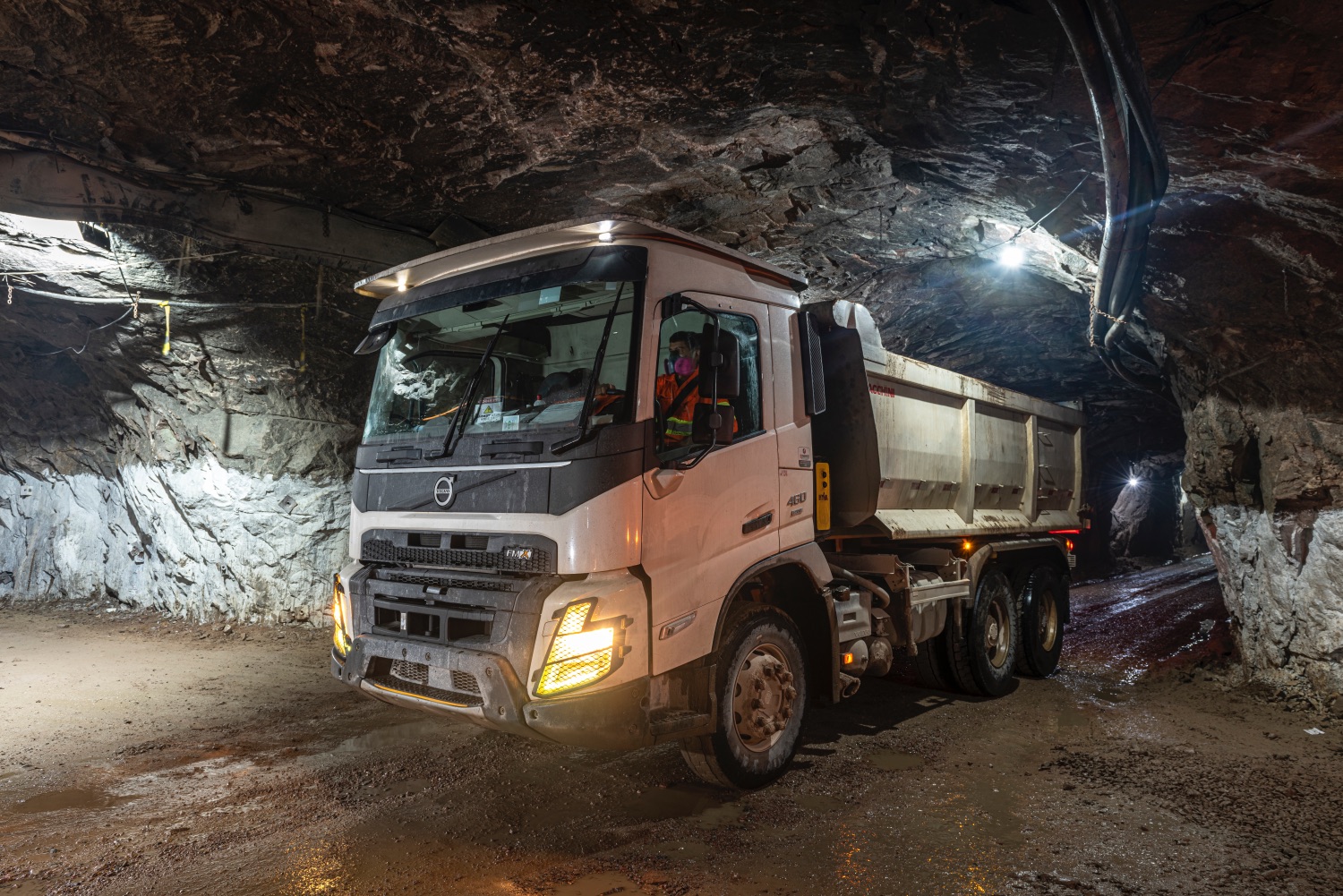
Gold miners in one peer group average 0.3x net asset value, but estimated 2026 EBITDA multiples run from 2.0x to 19.8x. Debt-free Serabi Gold trades at 1.0x.
- A peer group of gold miners averages 0.3x price-to-net-asset-value.
- The same group's estimated 2026 earnings before interest, taxes, depreciation, and amortization (EBITDA) multiples range from 2.0x to 19.8x, with an average of around 4.3x.
- New operations in Pará are stretching regulators that lack the staff of agencies in southern Brazil.
- Serabi Gold trades at 1.0x estimated 2026 EBITDA and a 20% estimated free cash flow yield, with US$63.2 million in cash and no debt.
- Serabi revised its 2026 production guidance to 39,000 to 40,000 ounces (oz) on November 27, 2026.
Introduction
Gold miners in one peer group trade within a narrow band on asset value and a wide one on cash flow. Their average price-to-net-asset-value ratio is 0.3x, with Wesdome highest at 1.1x and Mineros next at 0.6x.
On an estimated 2026 enterprise value-to-earnings before interest, taxes, depreciation, and amortization (EBITDA) multiple, the same companies range from 2.0x for Andean Precious to 19.8x for West Red Lake, with an average of around 4.3x. Estimated 2026 free cash flow yields average 6%.
The estimates are consensus broker figures where available. Four companies in the group have no EBITDA multiple, and 9 have no usable free cash flow yield.
Industry Context: Asset Value & Cash-Flow Multiples
Price-to-net-asset-value compares a company's market value to the estimated value of its mineral assets. Enterprise value is market value plus debt minus cash, and dividing it by EBITDA gives a multiple of operating earnings. Free cash flow yield sets the cash a company is expected to generate against its market value.
The EBITDA ranking is led by West Red Lake at 19.8x, Americas G&S at 9.1x, and Mining Americas at 6.9x. Below them come 5.6x for McEwen, 5.2x for Mako, 4.6x for Wesdome, 4.3x for Aris, 4.2x for Heliostar, 3.7x for Mineros, 3.2x for Integra, 2.9x for Luca, 2.1x for Cerrado, and 2.0x for Andean Precious.
On free cash flow yield, Andean Precious leads at 23%, followed by Mineros at 13% and Wesdome at 10%, while Cerrado and Mako are at 2%. West Red Lake is priced at 0.2x net asset value and 19.8x EBITDA, and Andean Precious at 0.5x and 2.0x.
Industry Progress in Northern Brazil
Pará is Brazil's leading mining state, with improving infrastructure and development incentives that bring the effective tax rate to 15.25%. Its Tapajós region covers about 90,000 square kilometers and is the third-largest alluvial goldfield, with reportedly up to 30 million ounces (Moz) of artisanal production. Only 7 Moz have been defined in 7 hard-rock deposits, and major mining companies are acquiring ground there in search of large discoveries.
A paved federal highway built to truck soybeans to the Tapajós River, a tributary of the Amazon, brought power and growth to the towns along it. By July 2026, about 5,000 trucks a day were using the road. Drilling can also run year-round in Brazil, unlike in countries such as Canada.
Brazil's mining industry employs about 2.2 to 2.3 million people, directly and indirectly, and mineral products account for 55% of Brazilian exports. By July 2026, a critical minerals bill had passed Brazil's House of Deputies.
Remaining Challenges
Regulatory agencies in northern Brazil lack the staff of their counterparts in the south. In Pará, the federal agencies for Indigenous affairs, land registration, and mining are under heavy demand. Where applications stall, producers can be given temporary approval to keep operating, such as a temporary GUIA license, a form of trial mining license.
New operations coming online in Pará are stretching regulatory bodies' ability to respond on time, though they do respond. For producers, that ties the timing of permanent permits to agency capacity they do not control.
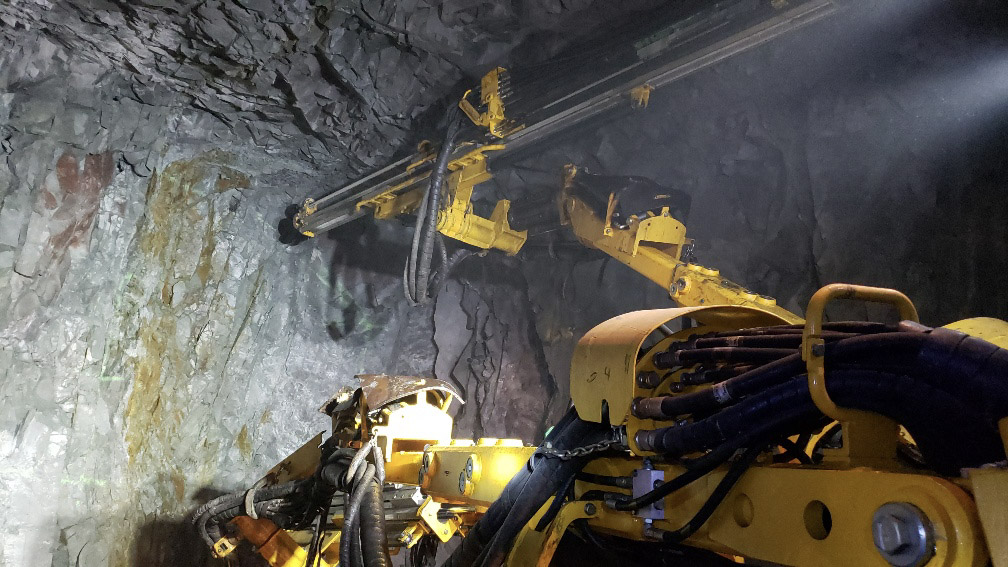
Labor and services add further constraints. People with underground skills are harder to source locally than those for open-pit work. Demand for drilling services is high, and a company seeking a single rig may find one harder to secure than a company running several under large contracts.
Company or Project Examples: Serabi Gold After the Guidance Reset
Serabi Gold (AIM: SRB | TSX: SBI | OTCQX: SRBIF) is at the peer average on asset value and at the bottom of the EBITDA ranking. Its price-to-net-asset-value ratio is 0.3x, in line with the group. Its enterprise value is 1.0x estimated 2026 EBITDA, compared with the 4.3x average, and its estimated free cash flow yield is 20%, compared with 6%. At a share price of £1.80 on November 12, 2026, its market capitalization was £136.3 million (US$178.4 million) and its enterprise value £87.0 million (US$115.2 million). Serabi held US$63.2 million in cash and no debt on September 30, 2026, after paying a maiden dividend of US$5.1 million in July 2026.
Those prices date from after Serabi lowered its 2026 outlook on October 21, 2026, and before it revised guidance again on November 27, 2026. It had expected 2026 gold production at levels similar to 2025, when it produced 44,169 ounces (oz), down from previous guidance of over 53,000 oz, as permitting delays held back the planned ramp-up at Coringa. On November 27, 2026, it revised 2026 guidance to 39,000 to 40,000 oz, assuming trucking of Coringa ore to Palito is suspended in December 2026, when the 100,000-tonne limit under the existing GUIA is expected to be reached. Of the 34,057 oz produced in the first 9 months of 2026, 23,089 oz came from Coringa, whose GUIA trial mining license caps consolidated production at about 45,000 oz. A fourth ball mill in final commissioning lifts capacity at the Palito plant from 650 to over 900 tonnes per day.
Chief Executive Officer of Serabi Gold, Michael Hodgson, puts equipment lead times among the company's biggest challenges:
"Lead time on equipment is one of our biggest challenges."
Little of Serabi's equipment can be sourced locally, and a loader can take 7 months to arrive. After development spending at the Serra South and Galena zones of Coringa in 2026, Serabi expects lower capital expenditure in 2027.
Regional or Jurisdictional Perspective: The Brazil Discount Question
A developer building its first mine in Pará reports a shift in how capital providers view Brazil. President and Chief Executive Officer of Cabral Gold, Alan Carter, rejects the idea that Brazil still trades at a discount:
"I don't think there is a Brazil discount anymore, Matt. I think there's probably a Brazil premium."
Mid-tier mining companies have shown greater interest in investing in Brazil in recent years, and institutional investors in places such as London, Melbourne, and New York have grown more comfortable with it, according to Cabral Gold. Hodgson places the region's hurdles within the wider industry:
"Look, mining is not easy anywhere anymore. It really isn't."
Large companies already operate in the country, with Kinross running Brazil's largest gold mine.
Industry Outlook
The Tapajós held 3 operating hard-rock mines in July 2026, with a fourth coming on stream soon. Across Brazil, only about 30% of the territory has been mapped to a high-resolution standard.
For producers already mining there, that means a province with few hard-rock mines in a country still largely unmapped at high resolution.
FAQs (AI-Generated)
Analyst's Notes





Subscribe to Our Channel



Stay Informed